Although I’m a garden designer by trade, I’m a gardener at heart and have always grown fruit and veg. It’s highly rewarding and often leads me to wonder: are we too distracted by stylish ornamental planting in gardens when we could use land more efficiently to grow our own dinner?
Britain’s taste for growing food seems to fluctuate around need. We’re all aware of the wartime Dig For Victory campaign, when growing food became a necessity that saw 51 per cent of adults muck in to grow vegetables, fruit and herbs. Over time, popularity waned as we welcomed the convenience of supermarkets. Today, sustainability, a drive for organic healthy food and multiple global threats have triggered a veg renaissance. Around one-third of British adults now use their garden or outdoor space to grow some food and demand for allotments is sky high. But this is significantly behind what wartime Britain showed we are capable of.
There are myriad benefits to growing food. One study by the University of Sheffield found that those who grow their own can produce more than half of the vegetables and 20 per cent of the fruit they consume annually, while producing 95 per cent less food waste. Commercial growers may have efficiencies of scale. Yet every portion of food we grow means less transport and packaging.
It’s not necessarily about individual self-sufficiency. That is possible but requires land and time equivalent to a full- or part-time job. However, for a little effort, most people can be fairly self-sufficient in a few crops. With only 55 per cent of vegetables consumed in the UK being grown here, if we all grew
some edible plants, it would ease pressure on the food and waste network, and increase our national food security. Were a higher proportion of Britain’s 24 million gardens used to grow some food, it would contribute.
The most exciting gardens of the future are those that deliver wildlife habitat, food and beauty all at once
Contrary to popular belief, growing food can save us some dosh too. At a time when the cost of living has risen dramatically, if people are smart about what they grow, some crops will save money. Cut-and-come-again lettuce that is grown and picked over many months is a food powerhouse. A few packets of seed, grown well, have saved me more than £200 in salad across the year. I do almost nothing to our fruit trees and bushes, and eat hundreds of pounds’ worth of the most delicious and healthy fresh fruit.
From a design perspective, food forests are interesting because they’re essentially a large-scale designed plant community that happens to be edible. I’ve found it’s easy to apply plant community design principles to many edible plants. This type of planting can be as beautiful and useful to wildlife as any mixed or naturalistic border. Blossom for insects in spring, herb flowers for bees, butterflies and hoverflies, fruit for us and birds. I believe it’s exciting enough to spark a revolution in garden design.
You may also like
I’ve found the key is edible perennials. While we need annual edibles – and who doesn’t love a home-grown tomato – perennials generally require less work, equipment and knowhow to get started. They become a familiar part of our garden for us to inherently learn to care for and harvest, overcoming any novice fear factor. I believe they’re the easiest first step to growing your own food, because perennials live from year-to-year and, more often than not, look every bit as attractive as any other ornamental.
Perennial herbs are among the most uplifting and easy plants to grow. Rosemary, sage, oregano, fennel and thyme are often seen frequenting the most stylish designer gardens. Fruit trees deliver blossom, colourful fruit, autumn leaves and winter sculpture. Elderflowers can be used for cordials or cooked.
You may also like
- Ten of the best edible flowers to grow in your garden
- Anna Greenland's top vegetables to grow in pots
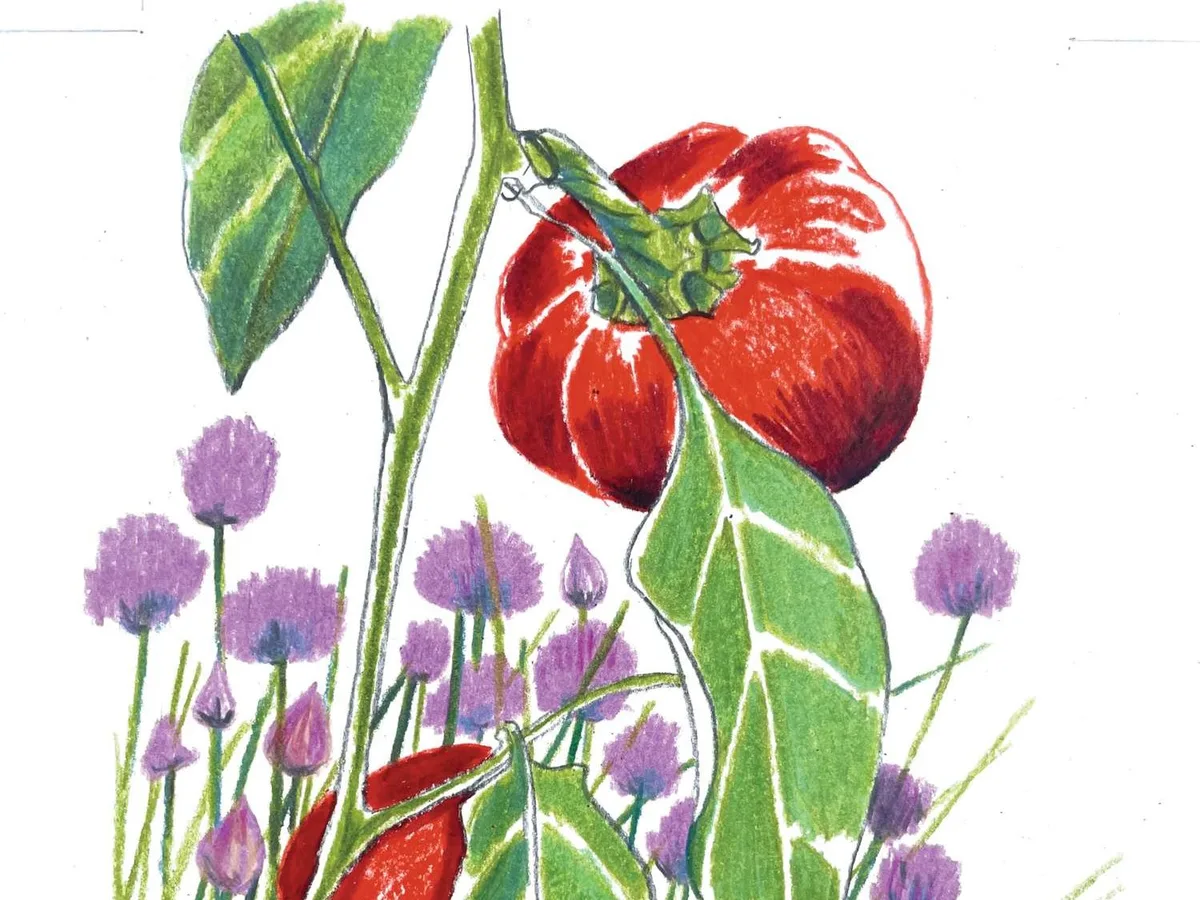
If you’re looking at your garden in horror at the thought of replacing it with a scrappy veg plot, fear not. We can have our beautiful garden and eat it. Perennial edibles are ornamental in their own right, allowing us to slot them in among our other ornamental plants. Some people may go full-on food forest, where
everything is edible. And I don’t want to dismiss rows of annual crops either; that order is deeply satisfying.
Should garden design focus more on food? I really believe it should and it would be great to see food production front and centre. But we don’t need to choose between food and style. The most exciting gardens of the future are those that deliver wildlife habitat, food and beauty all at once. Which is funny, because that’s really where gardens began…