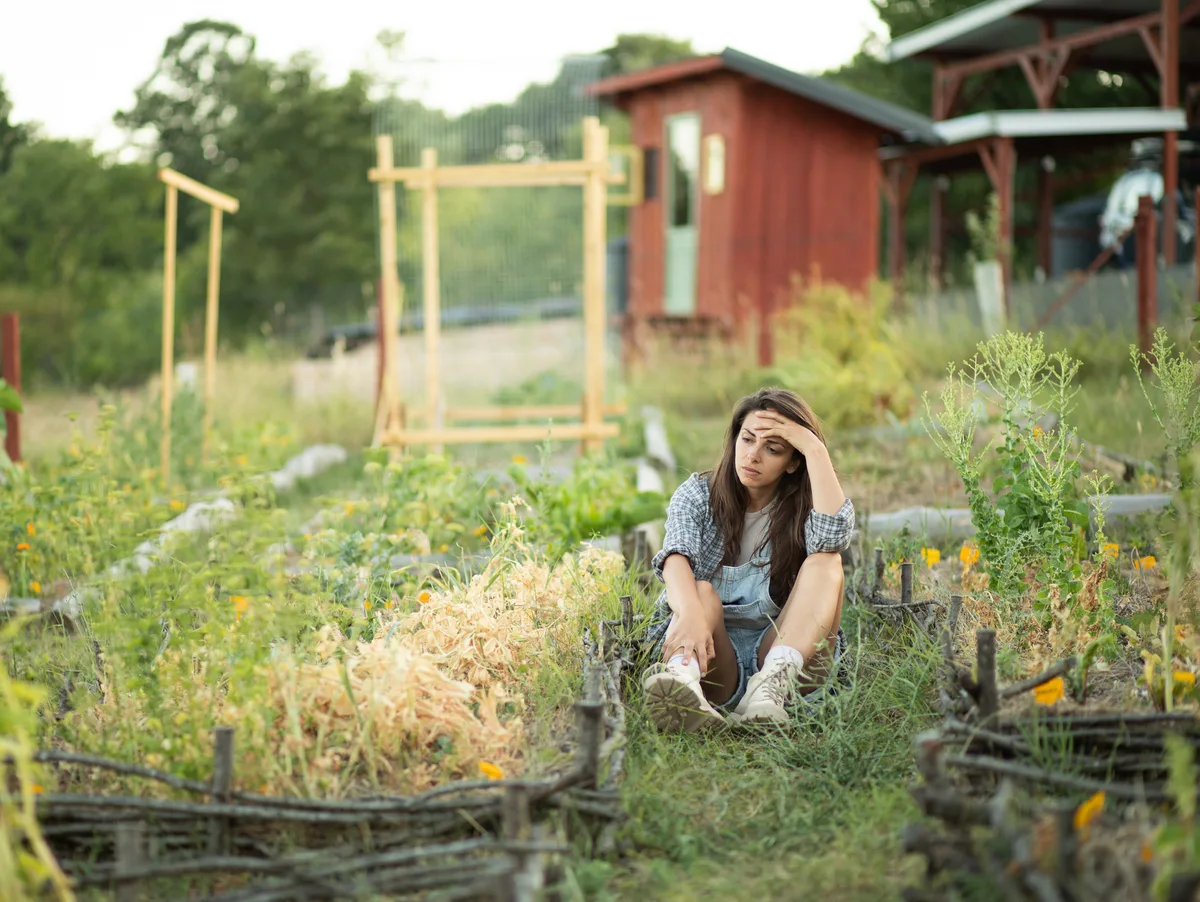
Most people want a garden they love. A place that feels alive in every season, that works hard without demanding everything of you in return, that looks like it belongs — to your property, to the landscape, to your life as it actually is. And yet something always seems to get in the way. Age, money, time, children, dogs, a tenancy agreement, or simply the suspicion that you might just not be a garden person. These are common reasons for not making gardens, and I want to gently question all of them.
The good news is that a beautiful garden does not have to be a demanding one. In fact, some of the best gardens I know — the ones that look genuinely alive and feel completely at ease in their setting — tend to be the ones where the designer or gardener has worked with the grain of the site rather than against it, chosen plants that look after themselves, and resisted the urge to over-manage. Whatever your situation, there is a version of a wonderful garden available to you. Here is how to find it.
You may also like:
- Top designer tips for hiding 8 common garden eyesores
- Gardening cheats to give you more time to chill in the garden
8 big barriers to having a nice garden and how to overcome them
Barrier #1: “I’m getting older”

Gardening is a physical act, and the way we are physically able to engage with it changes over time. Kneeling becomes painful. Heavy tools become difficult. The garden that felt manageable at fifty can feel exhausting at seventy. This is one of the most common things I hear, since it will happen to all of us, and it is the one where thoughtful design can make the most dramatic difference.
Contrary to what you might expect for a ‘nice’ garden, my advice on the lawn is: leave it. I have left my own, and while it is not perfect in any conventional sense, it has become something far more interesting. An unmown or infrequently mown lawn is genuinely fantastic for wildlife. Let it grow through spring and summer and you will find it fills with clover — a vital nectar source for bumblebees — along with self-seeded wildflowers, grasses flowering at their natural height, and the insects and birds that depend on them. In larger gardens we mow paths through the wildflowers to create shapes or to arrive at a destination. This is the principle behind ‘No Mow May’, but the truth is that the longer you extend it, the better. A lawn managed this way needs cutting perhaps twice a year rather than weekly, which immediately transforms what it asks of you.
The garden that felt manageable at fifty can feel exhausting at seventy.
Where you do want to reduce maintenance, focus your design on the borders. Replacing high-maintenance planting with robust, naturalistic ground-covering perennials and clump forming grasses — Geranium varieties, Epimedium, Sesleria, Nepeta — eliminates a lot of the weeding and dividing that traditional borders demand. Raised beds are also transformative: Bringing the growing surface to waist height removes bending entirely and keeps productive growing accessible for as long as you want it. Build them from reclaimed brick, naturally durable timber (such as oak) or local stone, keep paths level and generous, and the garden remains entirely yours.
Barrier #2:“I have a dog”
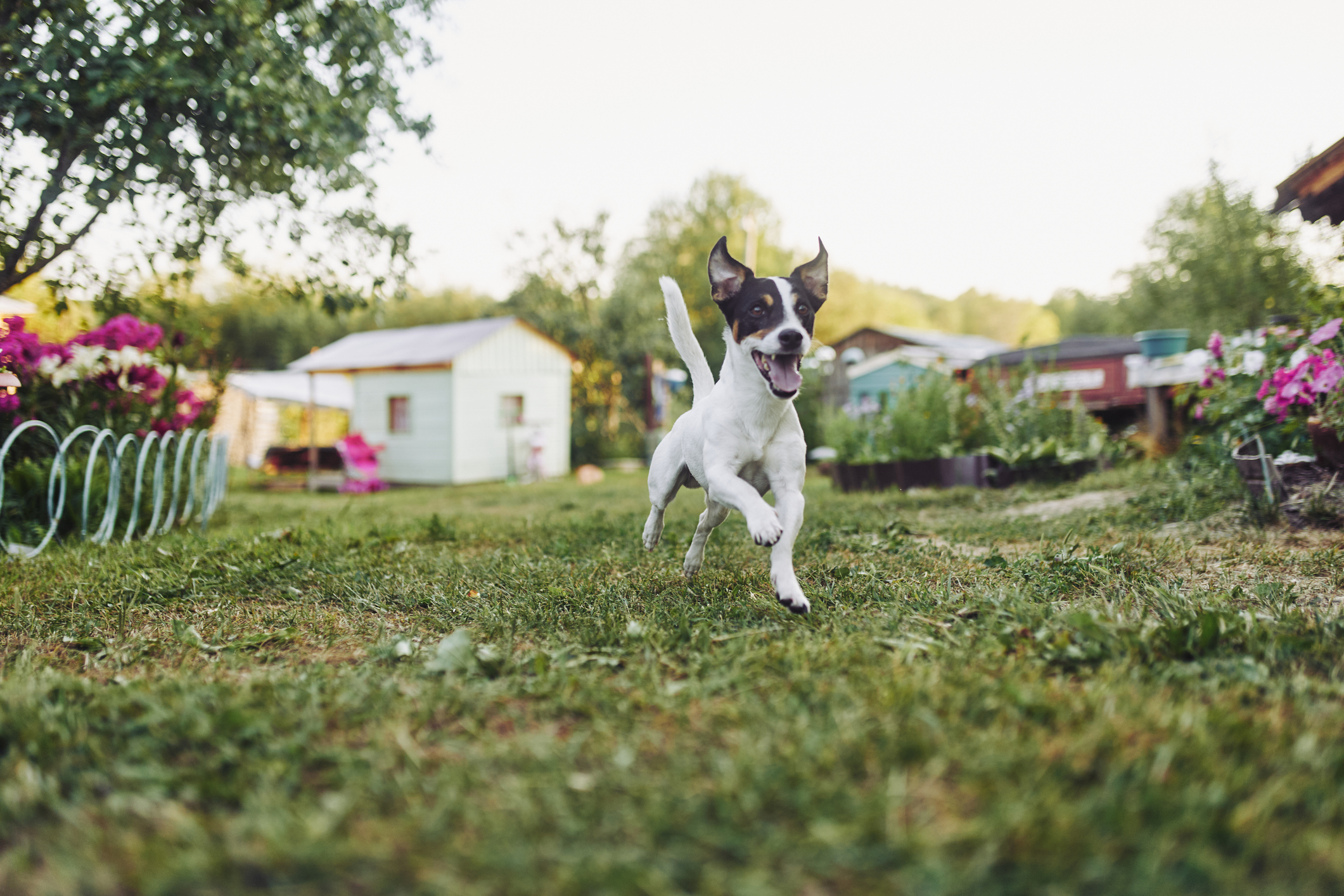
Dogs are wonderful. They are also remarkably efficient at destroying gardens. They race circuits around the perimeter. They dig. They flatten borders. They chew things. And then they look at you with complete innocence. The answer is not to choose between the dog and the garden; it is to design a garden that works around how dogs actually behave.
You may also like:
The most useful thing you can do is observe where your dog actually runs and then design for those routes deliberately. A simple path of gravel or bark following their natural desire lines through borders looks far better than a muddy track of trampled plants, gives the dog what it needs, and stops you fighting a battle you will never win.
Planting should be bold and structural rather than delicate. Large ornamental grasses, substantial shrubs, and robust perennials all bounce back better than fine-stemmed herbaceous plants that snap at the first tail-wag.
Barrier 3: “I have kids”
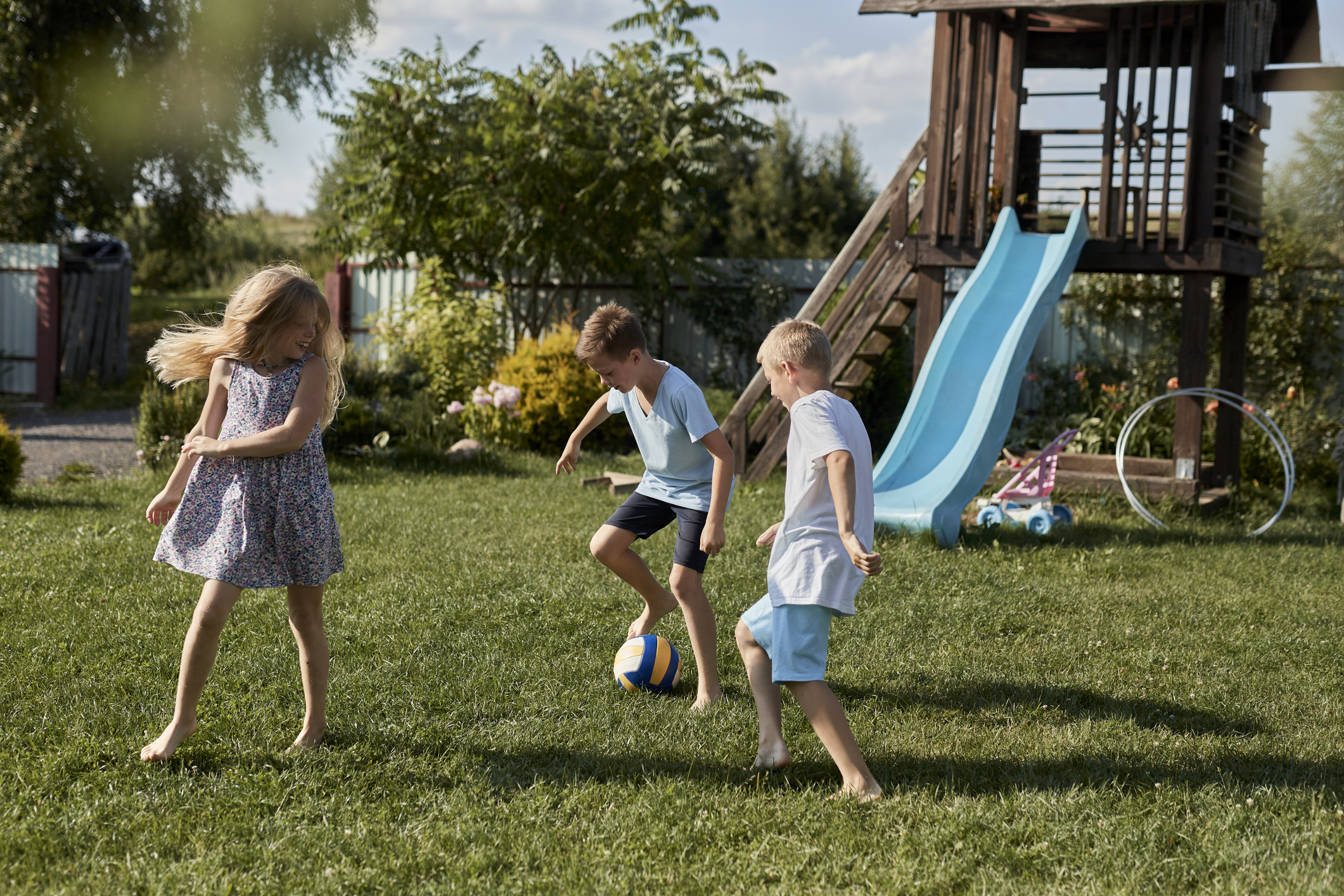
The common mistake is to sacrifice all ambition the moment children arrive and settle for a flat rectangle of lawn with a plastic slide in the corner. You can have both — a space that functions brilliantly for children and looks genuinely beautiful. But it requires honesty about what stage of life you are actually in, and sometimes a willingness to be patient.
You may also like
- How to make your garden child-friendly without ruining it
- A wildlife and child-friendly garden in California
I have three boys. For many years, a trampoline, a goal and three very enthusiastic children meant that the garden was simply not going to be what I wanted it to be, and I had to make peace with that. My garden isn’t small but not big enough to cater for all of us, so I waited. Now they are teenagers, they have their own dedicated area at the back of the garden with a fire pit, they are entirely happy there, and I finally have the garden I actually want. With kids, as with most things, patience is the most important design tool you have.
The common mistake is to sacrifice all ambition the moment children arrive and settle for a flat rectangle of lawn with a plastic slide in the corner.
If your garden is large enough, zoning is everything: separate the play area from the planting area clearly, using planting or hedges rather than hard fencing where possible. Give children their own patch to grow things — even a small raised bed where they can sow seeds, grow vegetables and make their own decisions about what goes in it. That sense of ownership is both genuinely educational and likely to foster a lifelong relationship with gardens and growing.
Choose structural, resilient planting around the edges and accept that it will be used hard. I’ve lost count of the amount of times plants have been flattened by a football!
Barrier #4: “I have no time”
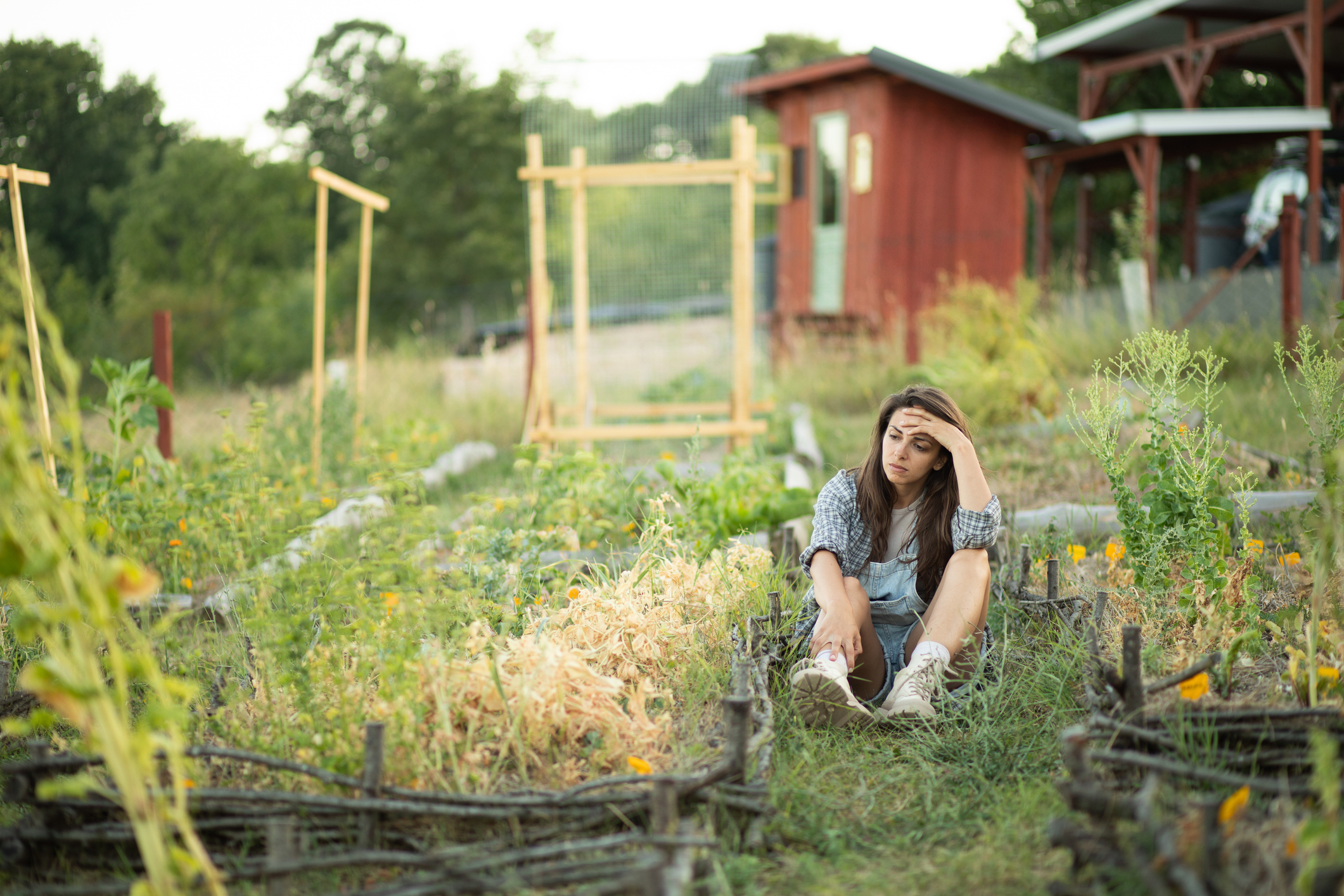
This is the barrier I hear most frequently, and the one where conventional gardening wisdom most reliably lets people down. Gardening advice is full of things you should be doing weekly, monthly, seasonally. For anyone with a full life, that is simply not realistic. It is worth saying clearly, though: there is no such thing as a no-maintenance garden. Anyone who tells you otherwise is being optimistic. What you can absolutely achieve is a far less maintenance-intensive garden — and the gap between those two things is enormous.
You may also like
- Spend less time and effort gardening with these hacks for a beautiful low-maintenance space
- The skiver’s list of top easy-to-grow, low to no-maintenance plants
Stop watering. This sounds counterintuitive but it is one of the most liberating things you can do. Plants are more resilient if they have to search for their own water, they develop larger and deeper root systems. A garden designed specifically around drought-tolerant planting — Mediterranean-style schemes with lavenders, salvias, euphorbias and ornamental grasses — will look better without irrigation. Make sure you group plants that have the same moisture needs to avoid problems with individual species.
Gardening advice is full of things you should be doing weekly, monthly, seasonally. For anyone with a full life, that is simply not realistic.
In the south of England especially, where we are seeing extended periods with no or little rain and much higher temperatures in summer, using drier climate plants can mean that they are naturally adapted to dormancy in extreme drought, which means they will survive without requiring water. They do require very good drainage in the winter, and this condition can be mimicked by using raised or mounded free-draining beds if you have winter-wet soil.
Mulch everything heavily in mid to late spring, once. A good 5 to 7 centimetres (2 to 3 inches) of composted bark or homemade compost suppresses weeds through the growing season and feeds the soil simultaneously. It is one of the single most effective labour-saving acts in horticulture.
Beyond that: choose plants that self-seed and naturalise, design with dense ground-covering planting that shades out weeds, and reduce the lawn or remove it entirely if mowing is where most of your time goes.
Barrier 5: “I have no money”

Garden design and landscaping can be expensive. There is no point pretending otherwise. Materials cost money, skilled contractors cost money, and quality plants cost money. The gardens I know of that have been created on a genuine shoestring have one thing in common: the owners did most of the work themselves, made clever use of what was already on site, and were in no hurry.
You may also like
If you are doing it yourself, start with what you already have. Excavated larger stones can be repurposed as edging or stacked into low retaining walls, smaller ones might be collected to make a stone mulch or a small area of rocky scree planting. Fallen timber becomes seating, temporary raised bed structure, or perhaps a dead hedge for wildlife to make home. Topsoil moved during any levelling work can build berms and landforms that add structure for nothing, as well as scope for more drought-tolerant planting.

On planting, grow from seed wherever you can — a packet of hardy annuals costing a pound or two will fill more space than you expect, and many perennials are straightforward from seed if you have a little patience. Dividing plants is equally valuable: ornamental grasses, perennials and many shrubs spread over time, and gardeners are almost always generous with divisions if you ask.
If you have some budget but not quite enough to do everything you want, the most cost-effective approach is to invest in a design first and then phase the implementation over time. A good design will sequence the work intelligently, avoid expensive mistakes, and ensure that what goes in early does not have to be undone later. Doing it in stages over two or three years is far more economical than starting without a plan and changing your mind halfway through.
Barrier 6: “I’m renting”
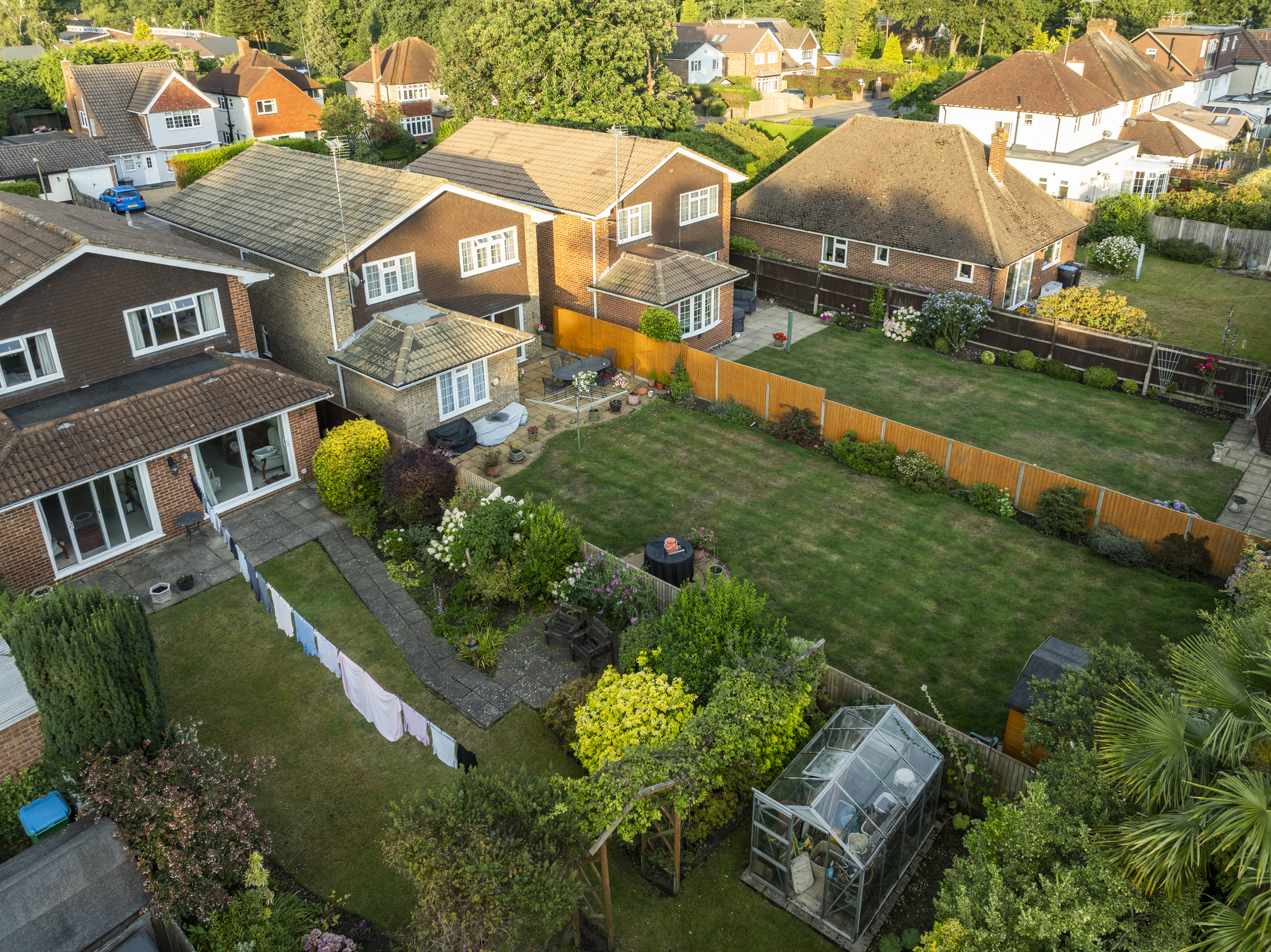
Renting is genuinely limiting when it comes to permanent garden changes, and it is easy to feel that a rented outdoor space is not worth investing in. But the desire to have something beautiful around you is entirely legitimate even without long-term security of tenure, and there is more you can do than most renters realise.
You may also like
Containers are the obvious answer, but do them properly. Large pots planted with ornamental grasses, small shrubs, and seasonal bulbs can be genuinely stunning and move with you when you leave. Invest in a few excellent pots rather than many cheap ones. Group them purposefully and use a consistent planting palette. Think of them as a portable garden you are building over time.
Many landlords will permit changes that are clearly improvements and easily reversible.
Many landlords will permit changes that are clearly improvements and easily reversible. A conversation about adding a raised bed, installing a simple trellis, or planting a climber against a wall is often more productive than renters expect. Frame it as an improvement to the property. For the ground itself, bulbs planted in autumn cost little and give extraordinary returns in spring. Hardy annuals direct-sown — Ammi, Nigella, Eschscholzia, Phacelia — will transform a neglected patch in a single season, support pollinators all summer long, and leave no trace when you go.
Barrier 7: “I’m lazy”

Honesty is underrated in garden design consultations, and anyone who tells me at the outset that they are lazy gets a garden designed for exactly that. The lazy gardener deserves a beautiful garden just as much as anyone else. They just need a different approach, and perhaps a reset on expectations.
Design for self-sufficiency. A well-designed naturalistic garden actively improves with benign neglect. Plants self-seed and fill gaps. Grasses bleach beautifully over winter and need cutting back once in February. Seed heads left standing feed birds through the cold months and look sculptural in frost. The more you allow a planting scheme to find its own equilibrium, the better it tends to look. The annual cut-back — everything down in late winter before new growth begins — is genuinely the only non-negotiable task in a well-designed naturalistic garden. Everything else is optional.
The lazy gardener deserves a beautiful garden just as much as anyone else.
Choose trees and shrubs that need no pruning: Amelanchier, Cornus kousa, many Viburnum, species roses with hips through autumn. Weeding is managed by dense planting and a good annual mulch rather than constant hand-weeding. If there are problem weeds like ground elder or bindweed, sometimes they can be checked in their vigour by the density of other competitive plants, but accept that they will also be a part of the composition, and edit them when they get too much - be relaxed! Feeding is unnecessary if the soil has been properly prepared at the outset and you can let the annual cutback of perennials lie on the soil to break down and regenerate the nutrient levels. The honest truth is that the right garden, with the right expectations, rewards you most generously for doing almost nothing at all.
Barrier 8: “I have terrible soil”
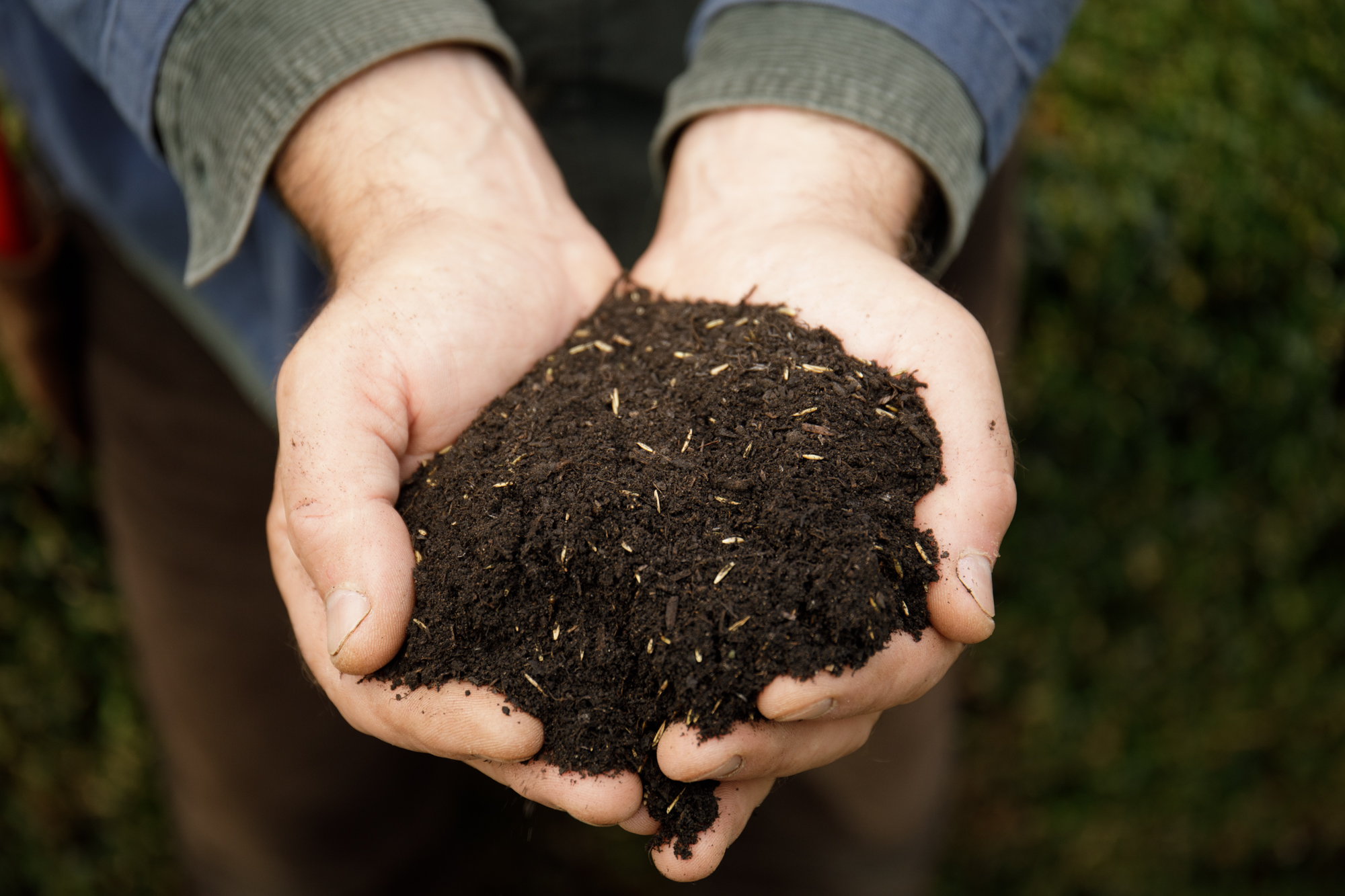
Thin chalk, heavy clay, pure sand, waterlogged ground: the instinct is to fight the soil and convert it into something more obliging. This is expensive, and often temporary. The far better approach — and the one that produces the most beautiful results — is to work with what you have.
Every soil type has a planting palette perfectly adapted to it. Chalk soils that drain instantly support spectacular meadow planting with Scabious, Salvia, Verbascum and wild orchids. Heavy clay can be more challenging, with winter wet and summer shrinkage. The immediate planting zone can be improved with a single good incorporation of grit and compost, and there are a range of plants which can tolerate the wet and dry periods - think of rain gardens and ultimately, ditches! Waterlogged areas can become rain gardens if seasonal, or bog gardens if permanent, supporting a level of biodiversity that an ordinary border never could.
You may also like
- What is soil and how can gardeners improve it?
- So much more than mud: why soil is crucial for carbon capture, drainage and biodiversity
Stop buying imported topsoil and amendments. Build the soil from above with organic mulch over several seasons and let worms do the incorporation. The result is a living soil structure far more valuable than anything imported. And a garden planted into its native soil will always look more embedded and convincing than one that is fighting its site.
Every barrier in this list has a solution, and every solution points in the same direction: a garden that works with nature rather than against it, that is designed for the life you actually have rather than an idealised version of it, and that becomes more beautiful with less effort over time. Whatever your situation, that garden is within reach.
To see Joe’s work, visit: joeperkinsdesign.com