Every garden designer has a palette of trusted plants that they like to use again and again in their planting schemes for clients because they are reliable, flower for a long time or fit a particular situation or function in the garden. And the good news is that most of these ‘good doers’ are widely available at the garden centre and online – just make sure that you are buying the exact variety, as this can make all the difference.
40 plants that designers love
Crocus tommasinianus
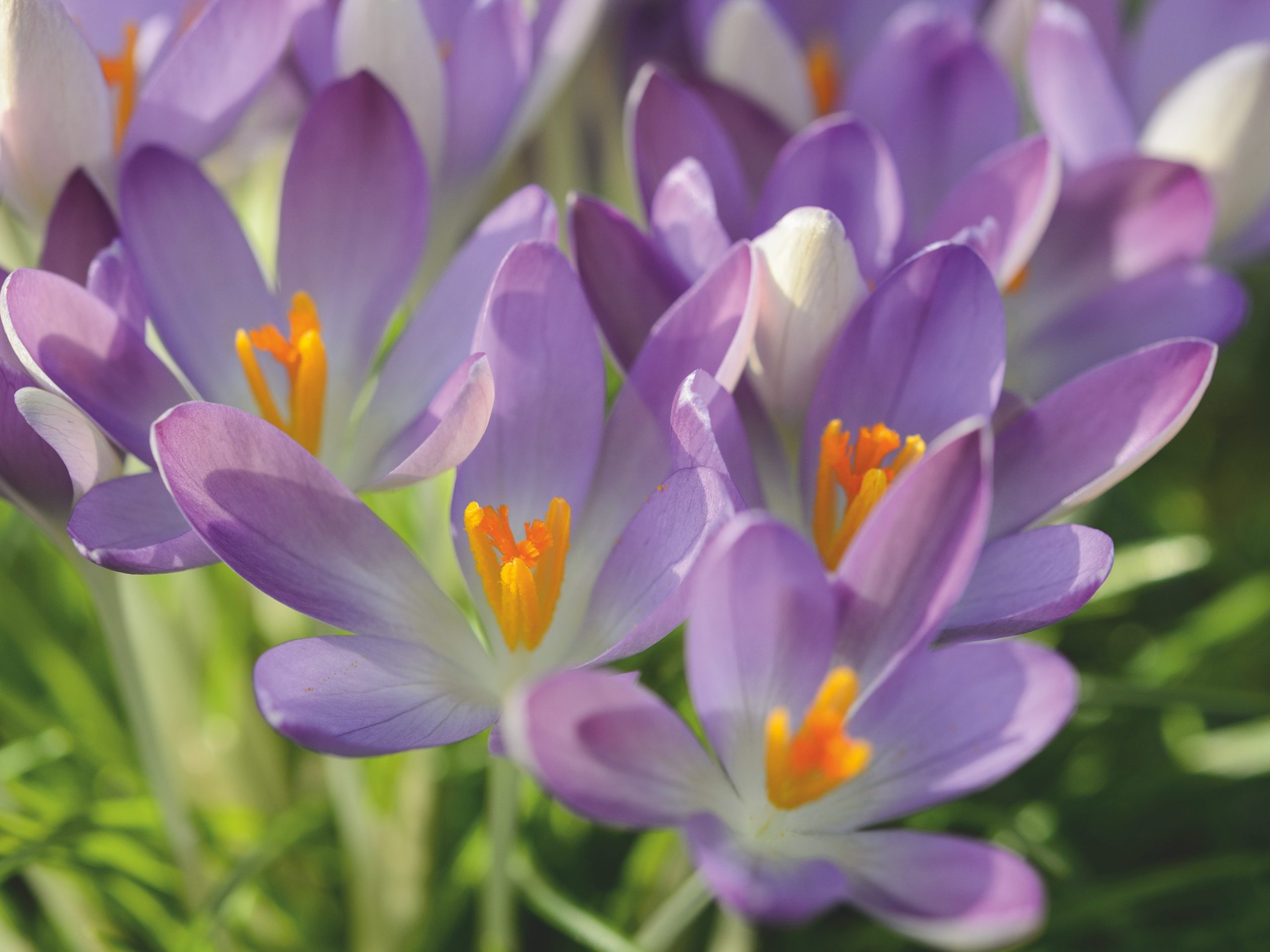
The lilac-purple goblets and warm-orange stamens of this early crocus are a welcome herald of spring, both for us and any pollinators out roaming on milder days,” says designer Charlotte Harris. “Let it meander naturally through grass, borders and woodland edges.”
Sweet box (Sarcococca confusa)
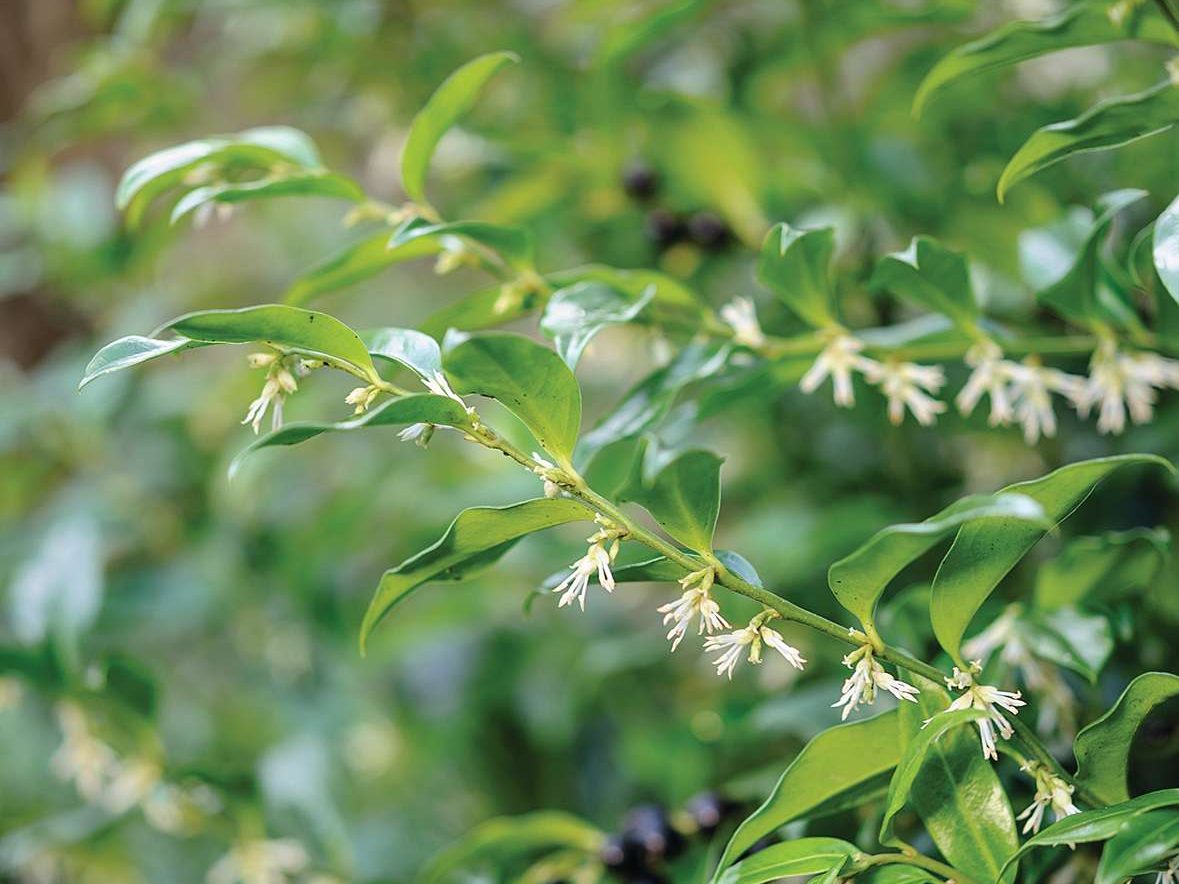
This evergreen shrub is a favourite with designers for its evergreen foliage and strong scent in winter. “Quite a humble, lumpy plant but forming satisfactory mounds of neatly arching, glossy foliage with wonderful scented flowers in February,” says top designer Tom Stuart-Smith. Many recommend planting it near the house, so that you can enjoy its fragrance without venturing too far into the garden on a winter’s day.
You may also like
- 32 top women garden designers working in the UK today
- 6 secret tricks of garden designers to make your garden look better
Pheasant-eye daffodil (Narcissus poeticus var. recurvus)
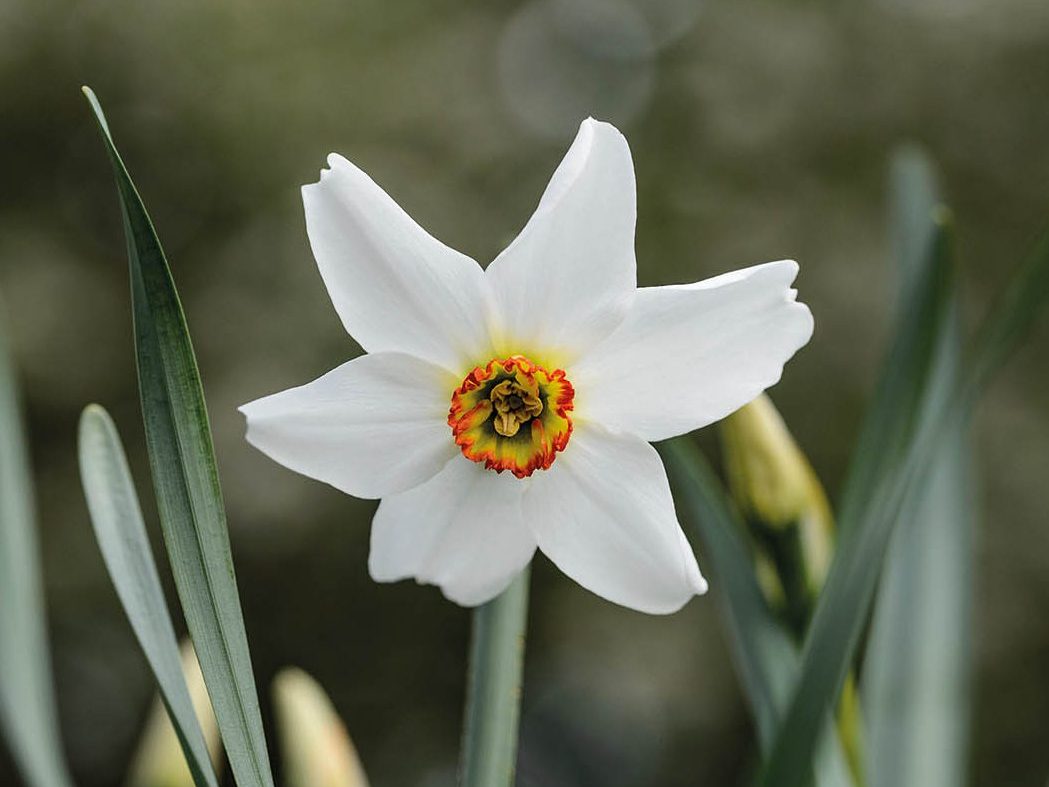
It’s hard to pick just one narcissus, but the pheasant’s eye is the epitome of style, with crisp, white petals and an egg-yellow heart outlined delicately in red,” says Charlotte Harris. “Full of fragrance, good for naturalising and lovely as a cut flower.”
Narcissus ‘Elka’

“In spring, there is nothing more appealing than beautiful old terracotta pots with collections of exquisite bulbs neatly topped with grit,” says designer Jinny Blom. “I have them on a table outside the back door so they can be appreciated at close range. An absolute favourite is Narcissus ‘Elka’, with her long, pale, lemony trumpet that turns white as she ages. A delicate and sophisticated beauty.”
Primrose (Primula vulgaris)
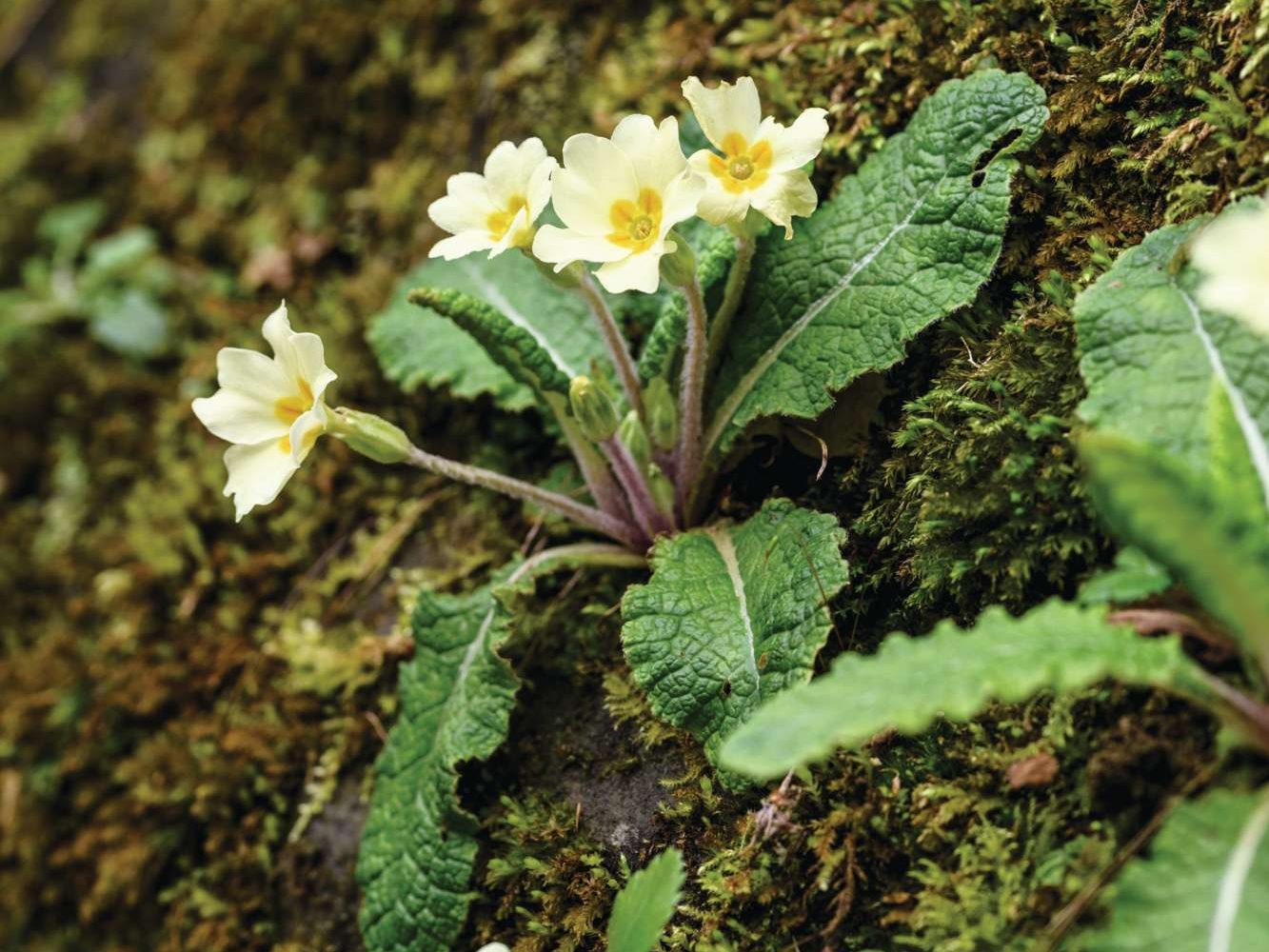
The ubiquitous common primrose is a big favourite with designer and plantsman James Hitchmough, who uses it as groundcover under shrubs and perennials, where it gives long-lasting colour for many weeks in spring.
You may also like
- 8 super quick and easy cheats to make your garden look great
- Expert tips for how to garden in a heatwave
Amelanchier lamarckii
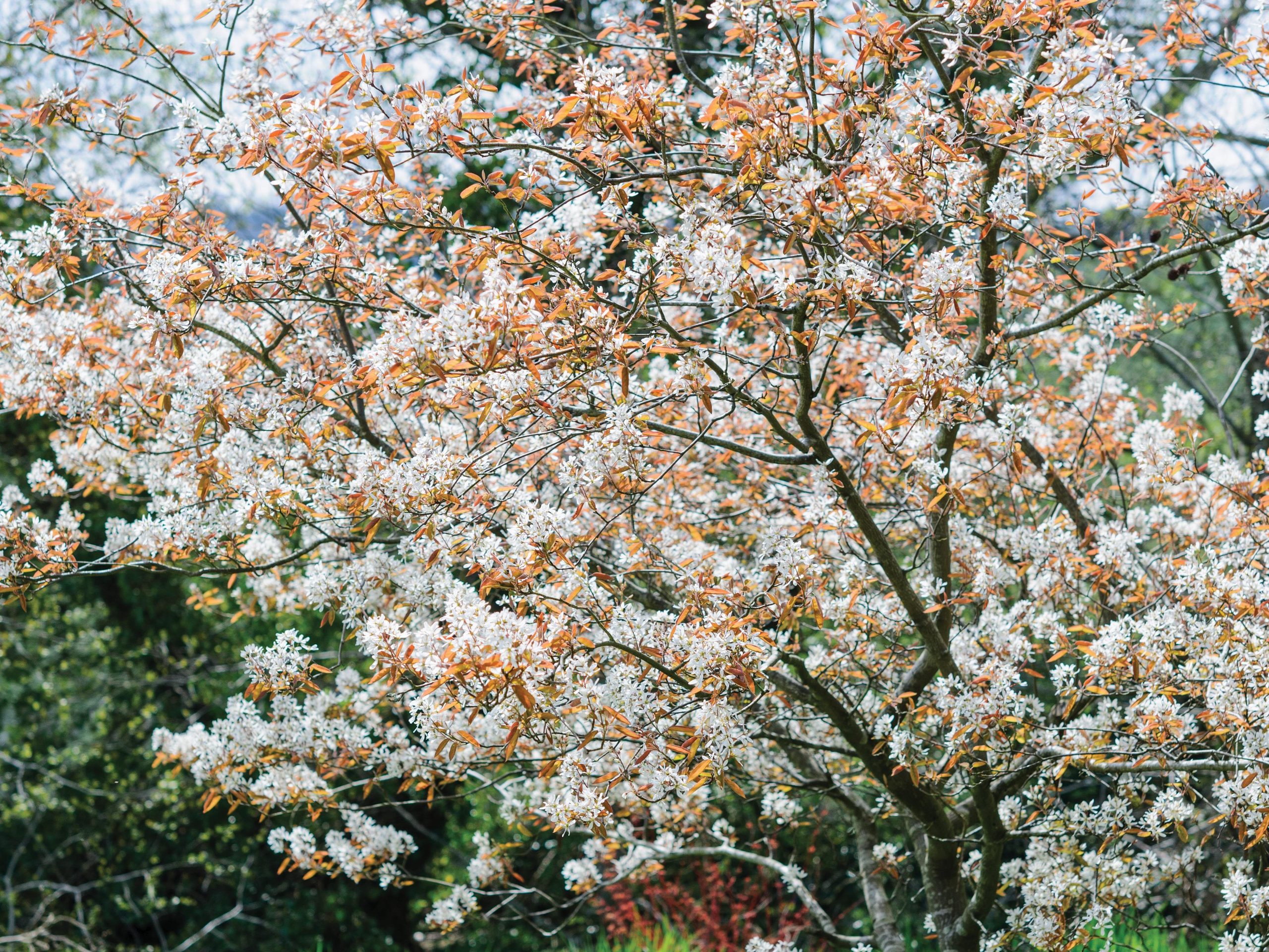
Landscape architect Stefano Marinaz has created many elegant gardens in smallspaces, particularly for London clients. “I think that a 2-2.5m-high amelanchier is a fine choice in many situations, with a light-filtering canopy above head height framing views out through the garden,” he says. Amelanchier bears starry blossom and young bronze leaves in spring, as well as small fruits in early summer and excellent autumn colour. For a real designer look, go for one with a multistem (a tree with several thin stems as opposed to one – they are often found growing this way).
Camassia cusickii
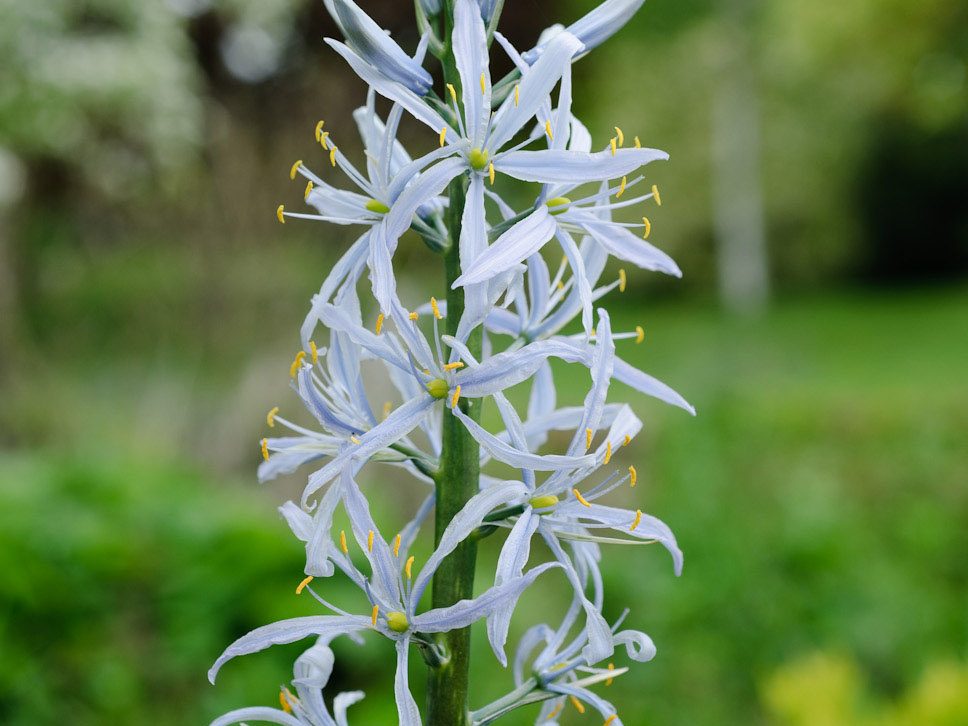
Charlotte Harris often plants this camassia in her schemes. “It gives spires of pale-blue, starry flowers in May and June, perfect for planting in swathes and weaving through damp meadows or around water. It will enjoy both sun and dappled shade, so a good way to connect spaces and give rhythm,” she says.
Euphorbia characias subsp. wulfennii
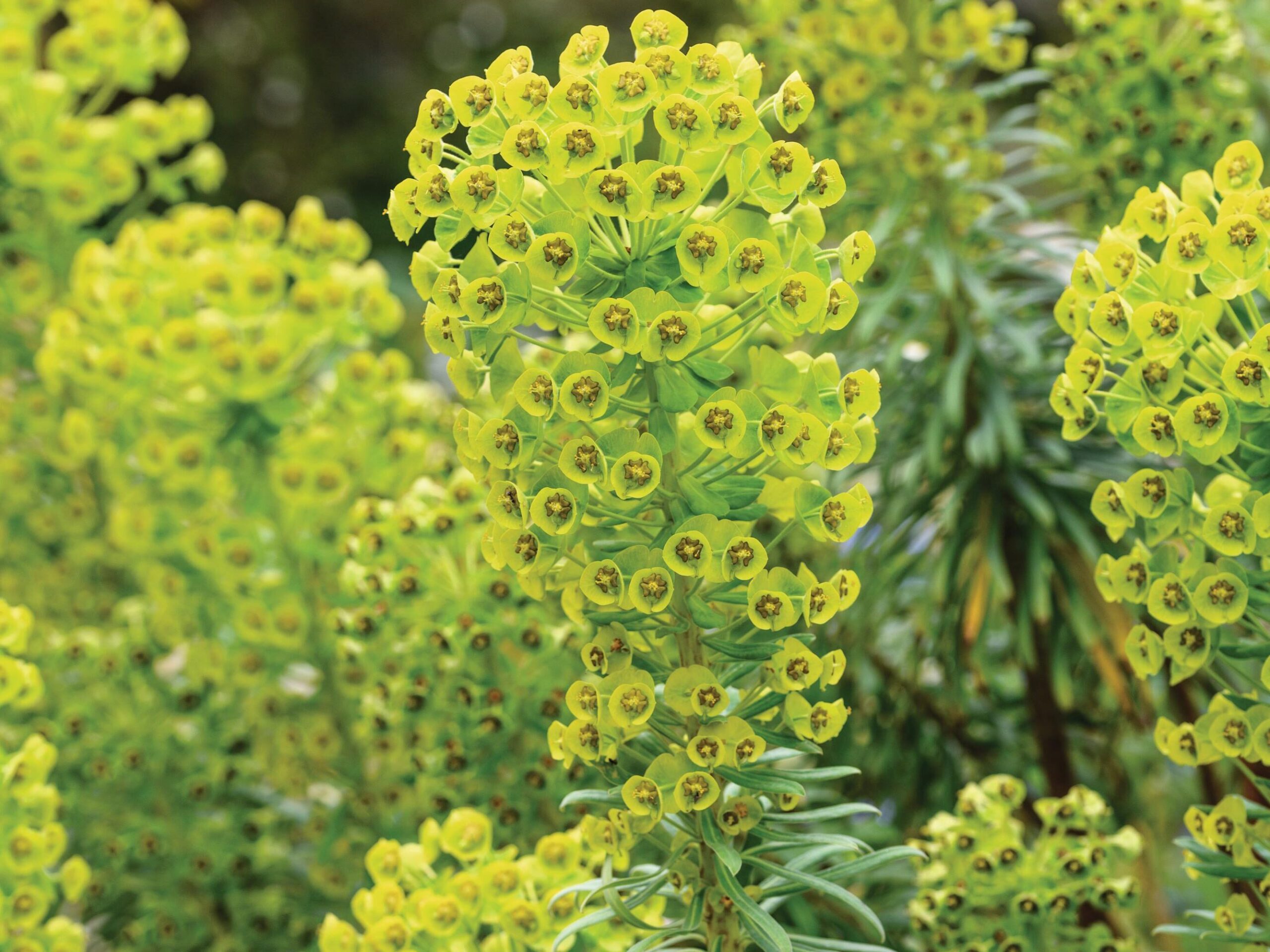
“A ubiquitous plant I first grew as a teenager (at a time when they were damaged by winter cold in the north), and still do because it has wonderful blue-grey foliage and a very long season of enormous yellow-green flower mops,” says James Hitchmough. Best used as repeating anchoring blobs in matrix-like planting. It self-seeds vigorously if you don’t remove the flowerheads post flowering and tolerates more shade than you might expect.”
You may also like
Clematis ‘Frances Rivis’
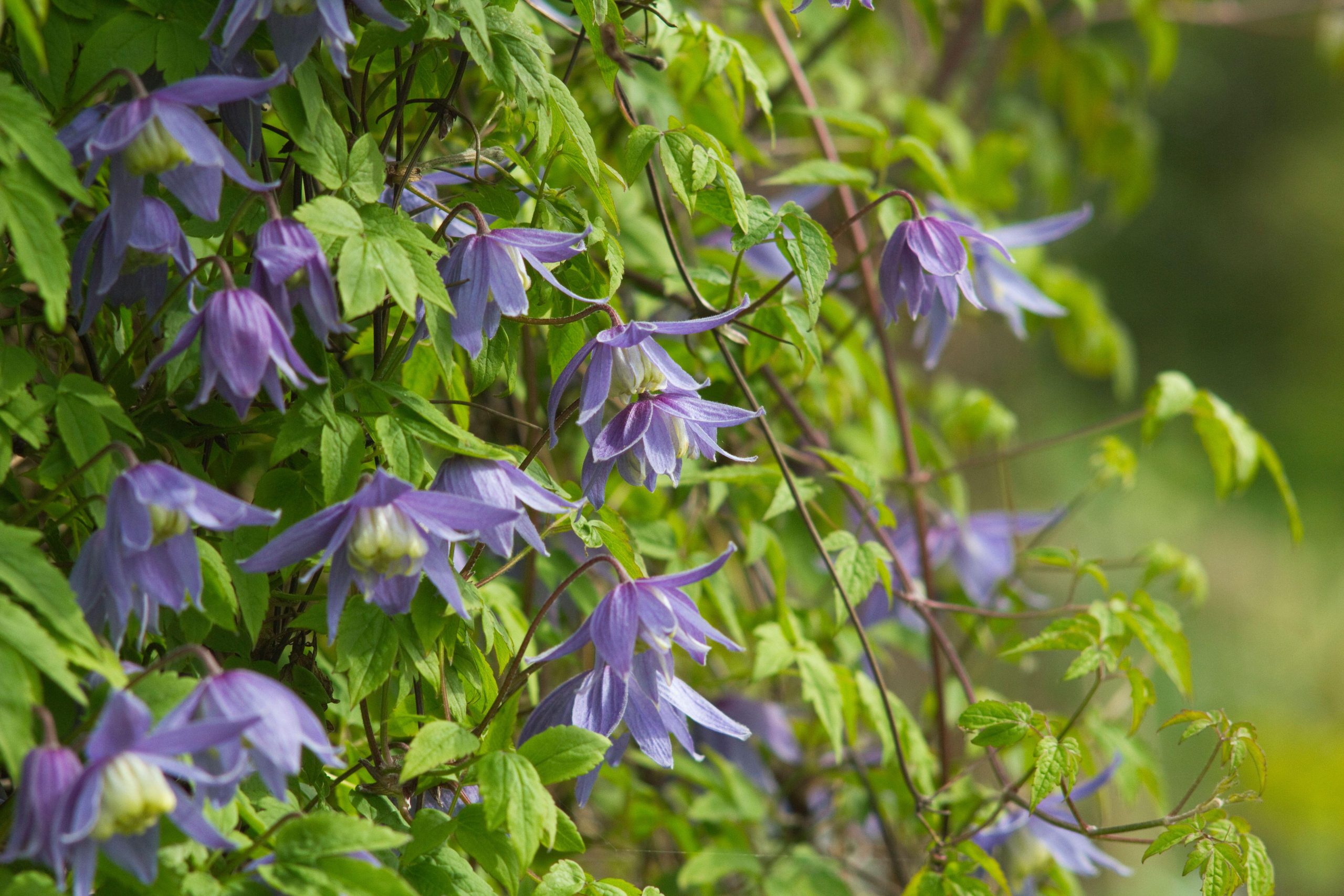
“Wonderfully long petals of a soft, rich blue, darker and redder at the base of each petal,” says Tom Stuart-Smith. “Never so vigorous as to make a mess of the rose or other shrub it is growing through.” Grow in sun or partial shade.
Wisteria floribunda f. multijuga
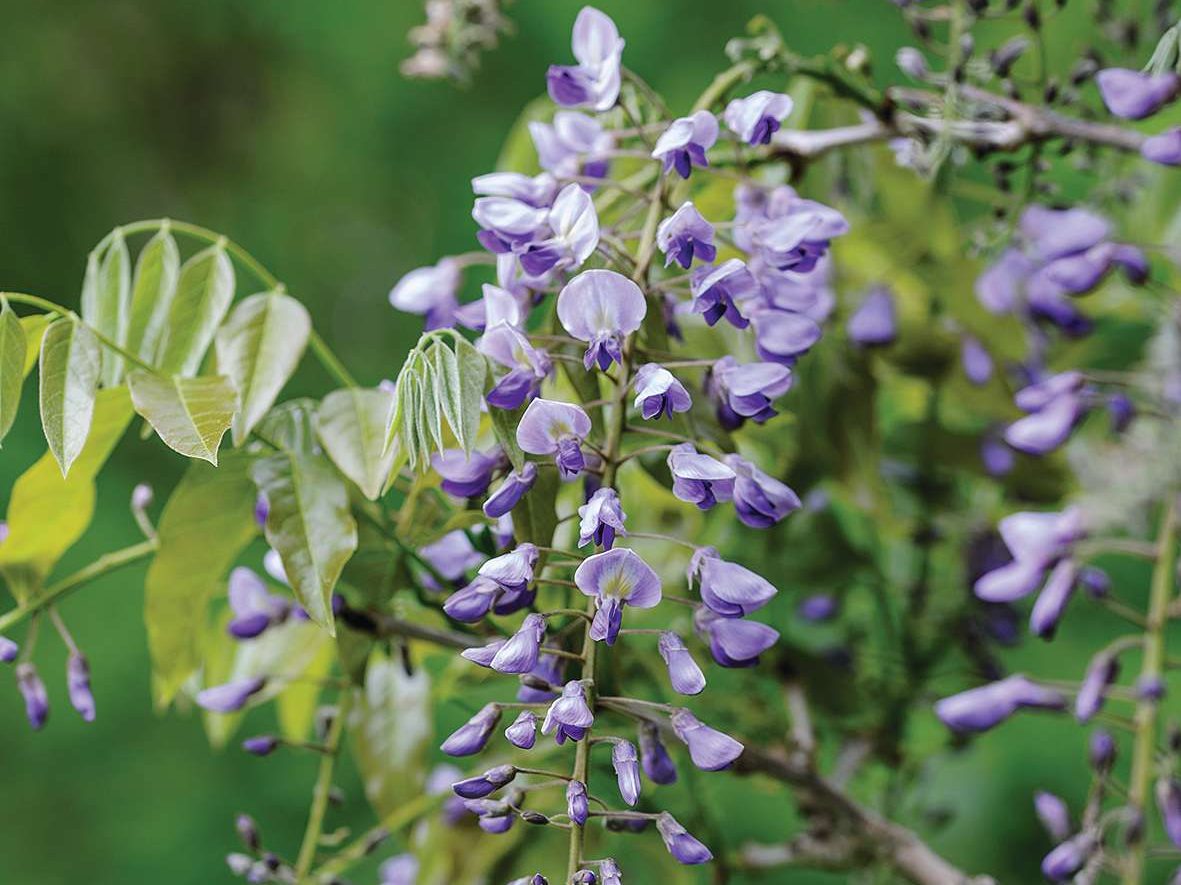
“One of the most spectacular of all wisterias with flowers of soft violet-blue that hang down up to a metre,” says Tom Stuart-Smith. “It needs careful placing on a wall or structure tall enough to do it justice. Scented, sublime.”
Alpine wood fern (Dyropteris wallichiana)
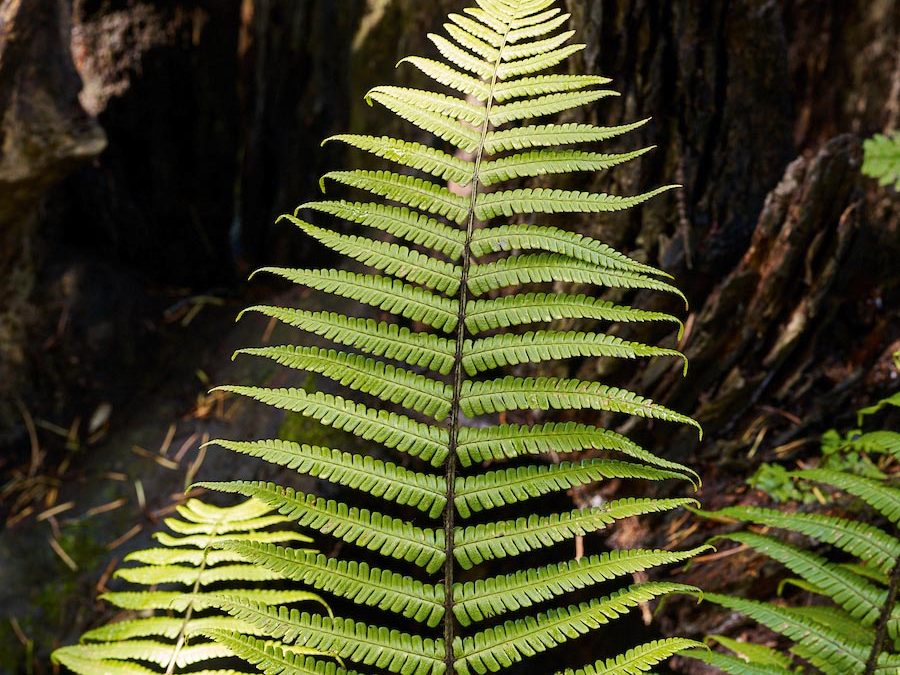
This large fern is a big favourite with designers, including Charlotte Harris and Jinny Blom, who says: “Strong, greeny-yellow spring fronds unfurl with their marvellous orangutany-orange hairy spines. It is a captivating plant adding structure, texture and size in areas where it’s often much needed.”
Japanese forest grass (Hakonechloa macra)
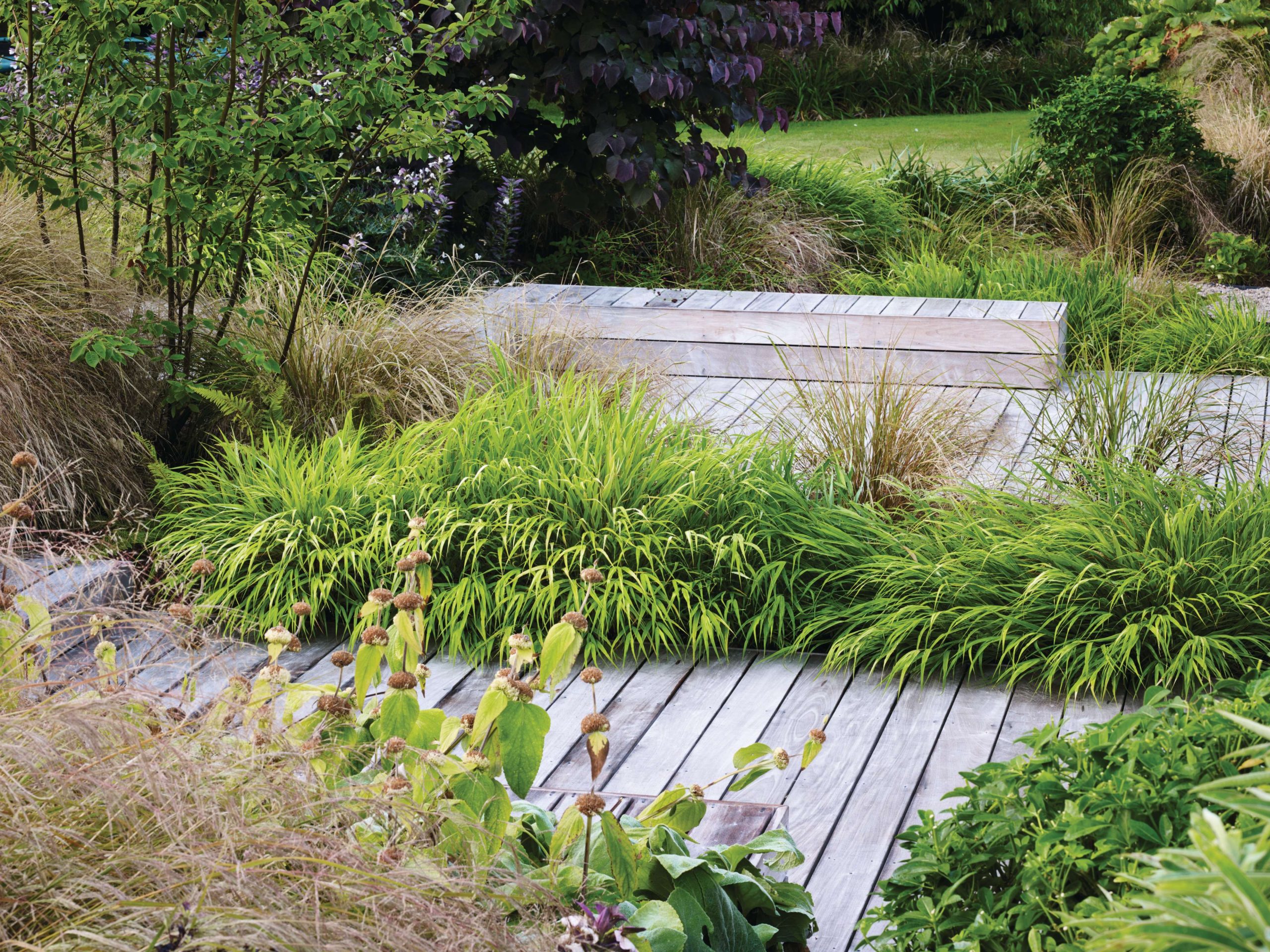
A true designer favourite. “Few plants earn their place year after year, but the Japanese forest grass, Hakonechloa macra, is one that never fails to delight,” says designer Fiona Lamb. “Forming elegant, hummocks, its fresh spring growth emerges in a zingy lime green before deepening to richer tones in summer. As autumn arrives, the foliage turns fiery orange, eventually softening to gentle buff hues that carry interest through winter. Remarkably versatile, it thrives in both sun and partial shade, requiring little maintenance. It can be used as a refined edging plant, woven through a mixed border, or as underplanting beneath trees.”
You may also like
- Creative plant supports you can make at home this spring
- Sow these seeds once and enjoy them in the garden forever
Mexican daisy (Erigeron karvinskianus)
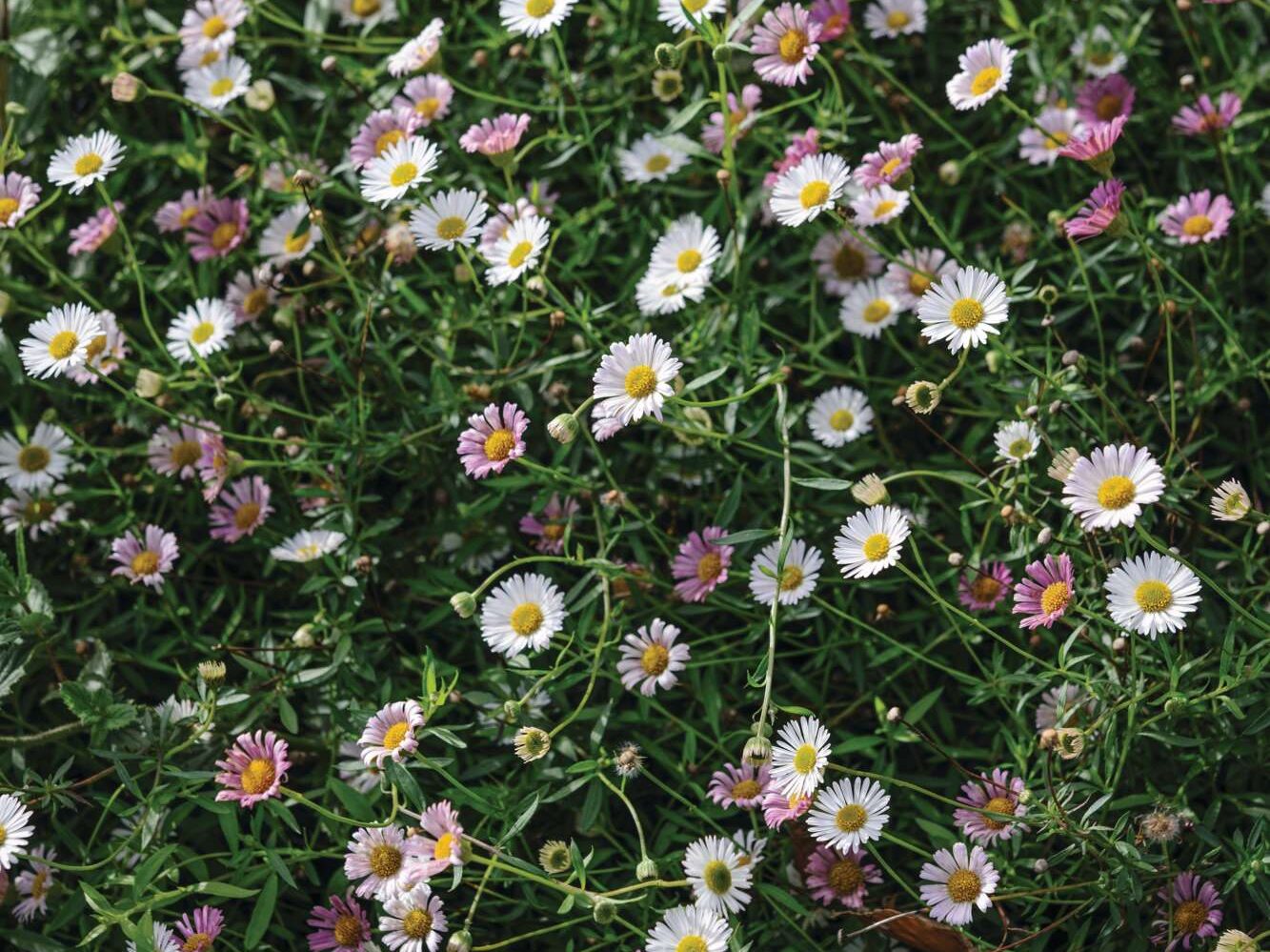
“A classic I find myself using again and again,” says landscape architect Rosie Wilkins. “It’s a very versatile and undemanding plant, filling awkward gaps quickly but not aggressively. With an exceptionally long flowering period, often from May until October, it looks just as at home in a contemporary garden as it does in an old country garden. In terms of plants that offer maximum impact for minimal effort, this has to be one of the best.”
Astrantia ‘Buckland’
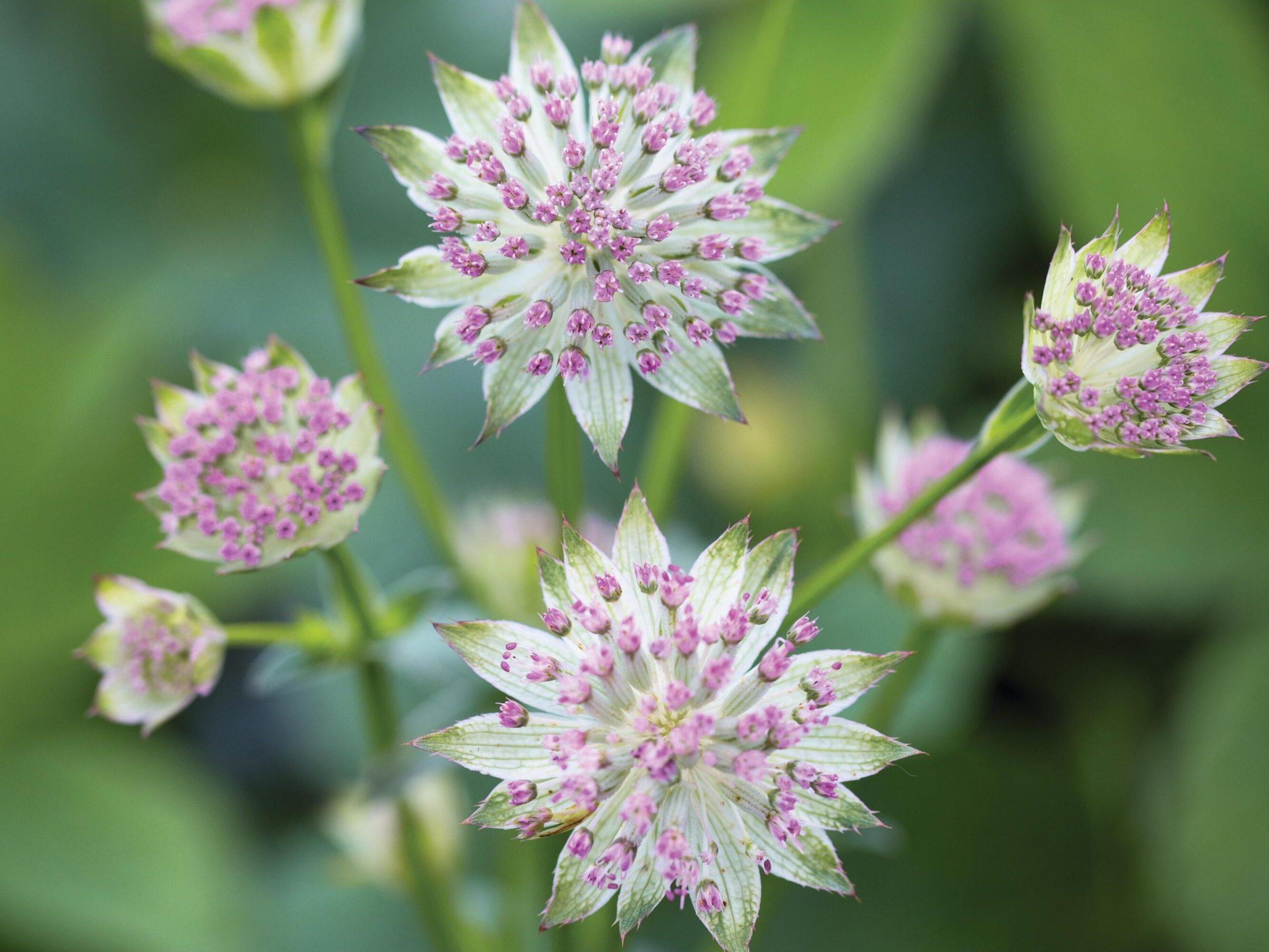
This astrantia blooms in June and then reblooms profusely if cut hard back after its first flowering. “With its finely detailed and delicately constructed flowers that thrive in partial shade and moisture-retentive soils, offers a long season of interest without ever feeling dominant,” says designer Jane Houghton. “It is happy in sun or light shade with good drainage.”
Astrantia ‘Roma’
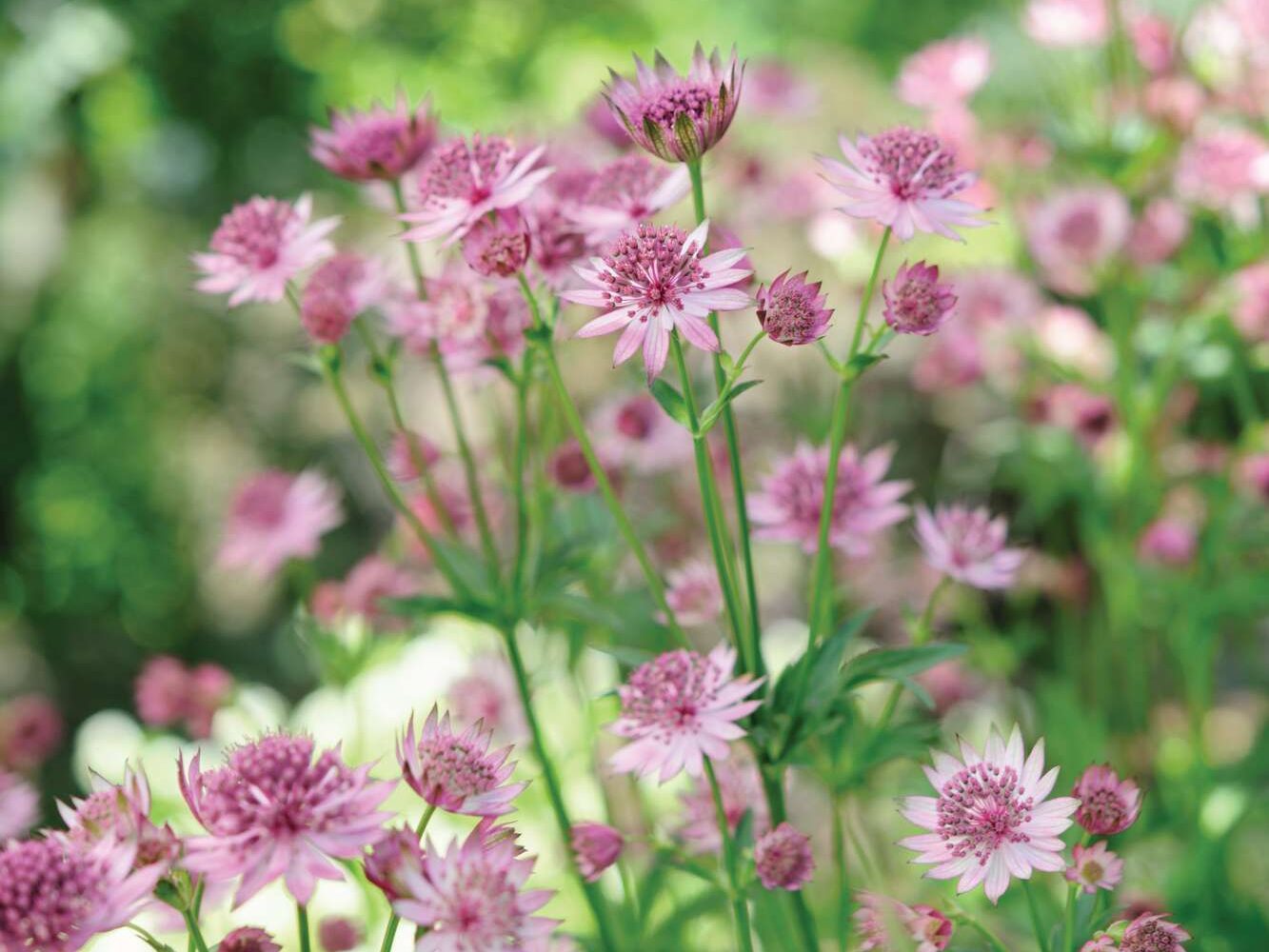
Meanwhile, Charlotte Harris favours Astrantia ‘Roma’. “It is a vigorous performer with great colour, character and presence, flowering from June to September. Long-lasting and abundant pincushions of dusky pink bracts and paler centres set off darker pink stamens.”
You may also like
Geum ‘Totally Tangerine’
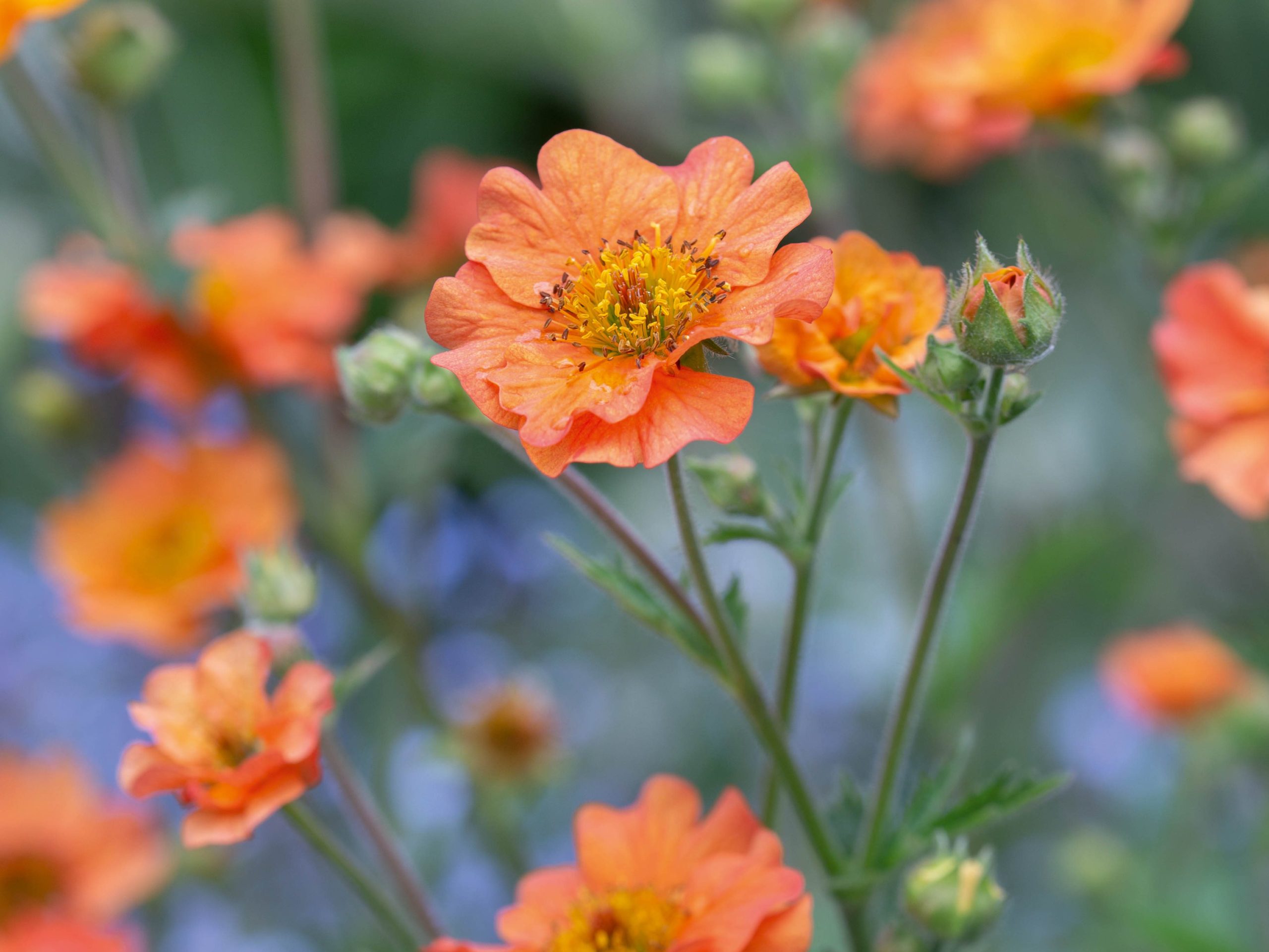
This always pops up in show gardens at the Chelsea Flower Show, where it was introduced in 2010. It has become a modern classic, with fiery orange flowers that are produced prolifically over a very long period. Enjoys a sunny spot but will tolerate part-shade.
Jasminum x stephanense 'Starry Starry Summer Night'
“I recently spotted this jasmine growing over a garden wall in a sheltered street of a small coastal town where, as early as March, it was already in bud and just beginning to flower,” says designer Rosie Wilkins. “The delicate powder-pink flowers and darker stems stood out beautifully against the foliage which is semi-evergreen to evergreen in milder areas. As a climber, it has a lovely balance of elegance and chaos that works really well in new gardens to create a ‘lived in’ look and as an added bonus, the flowers are beautifully perfumed.”
Star jasmine (Trachelospermum jasminoides)
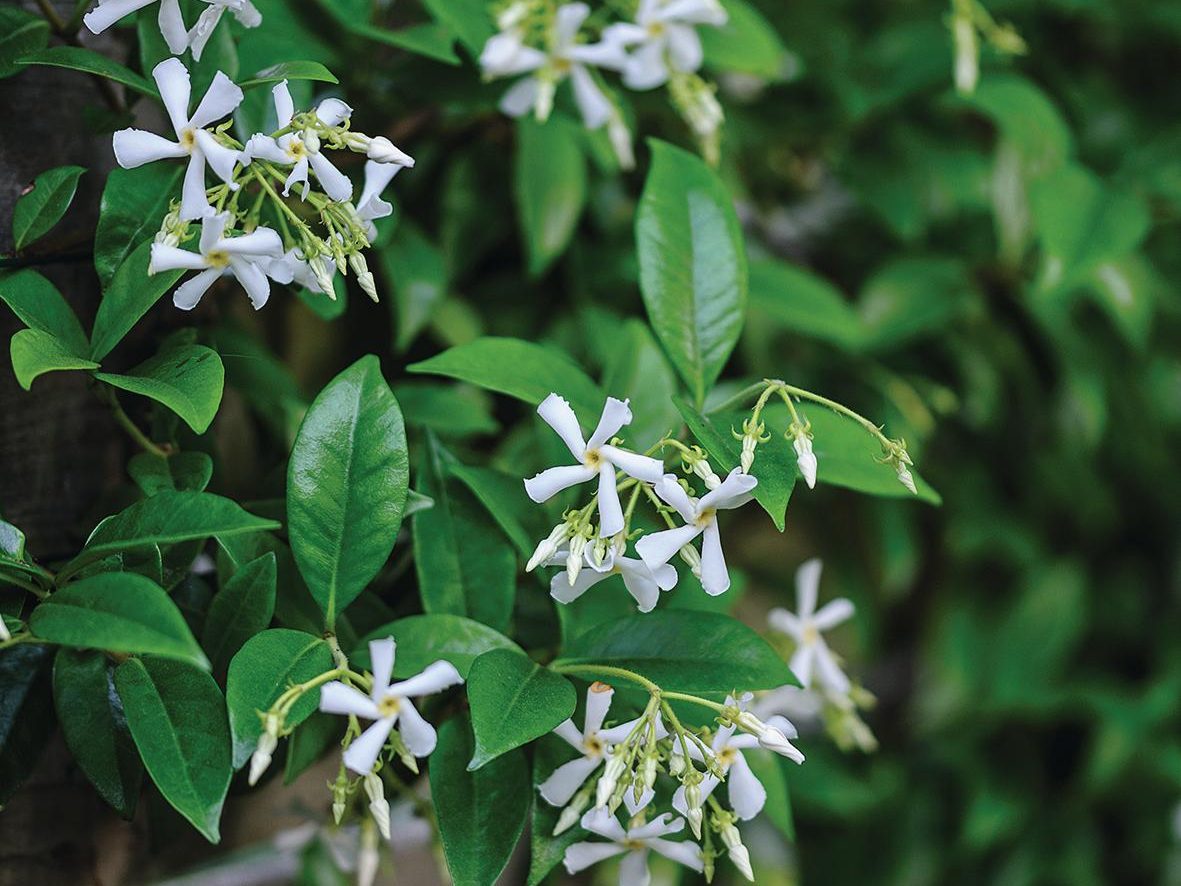
Cloaking walls and fences in evergreen climbers will create a more coherent look, cover unsightly boundaries and make a small garden feel larger. Star jasmine, with its scented, star-shaped summer flowers is a great choice and hugely popular with designers.
Pittosporum tobira ‘Nanum’
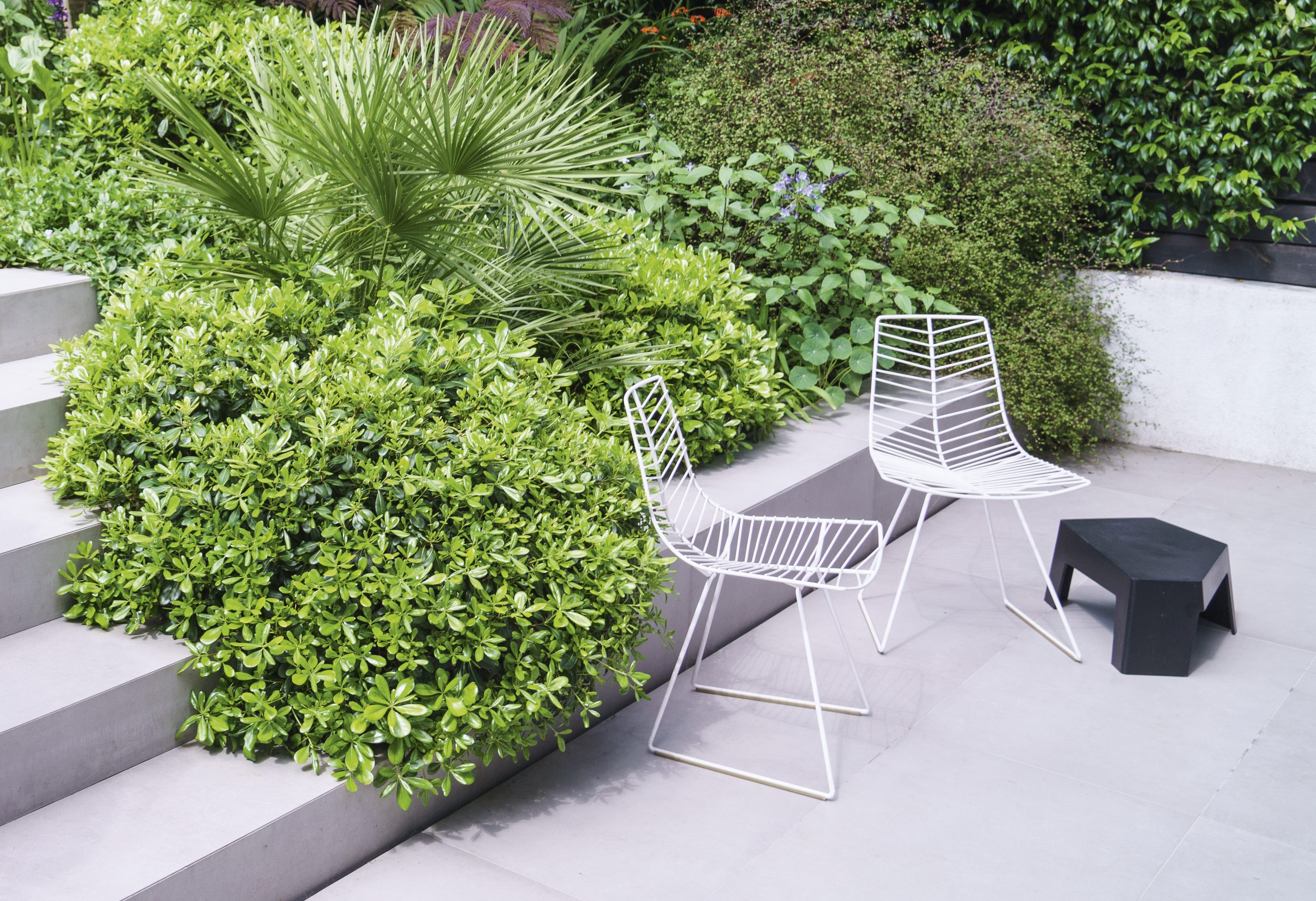
“Smaller gardens are often shadier, so I use plants that stay fairly compact to reduce the chance of them leaning towards the light,” explains Stefano Marinaz. He often uses this mound- forming dwarf shrub with glossy foliage and scented white flowers.
Salvia ‘Caradonna’
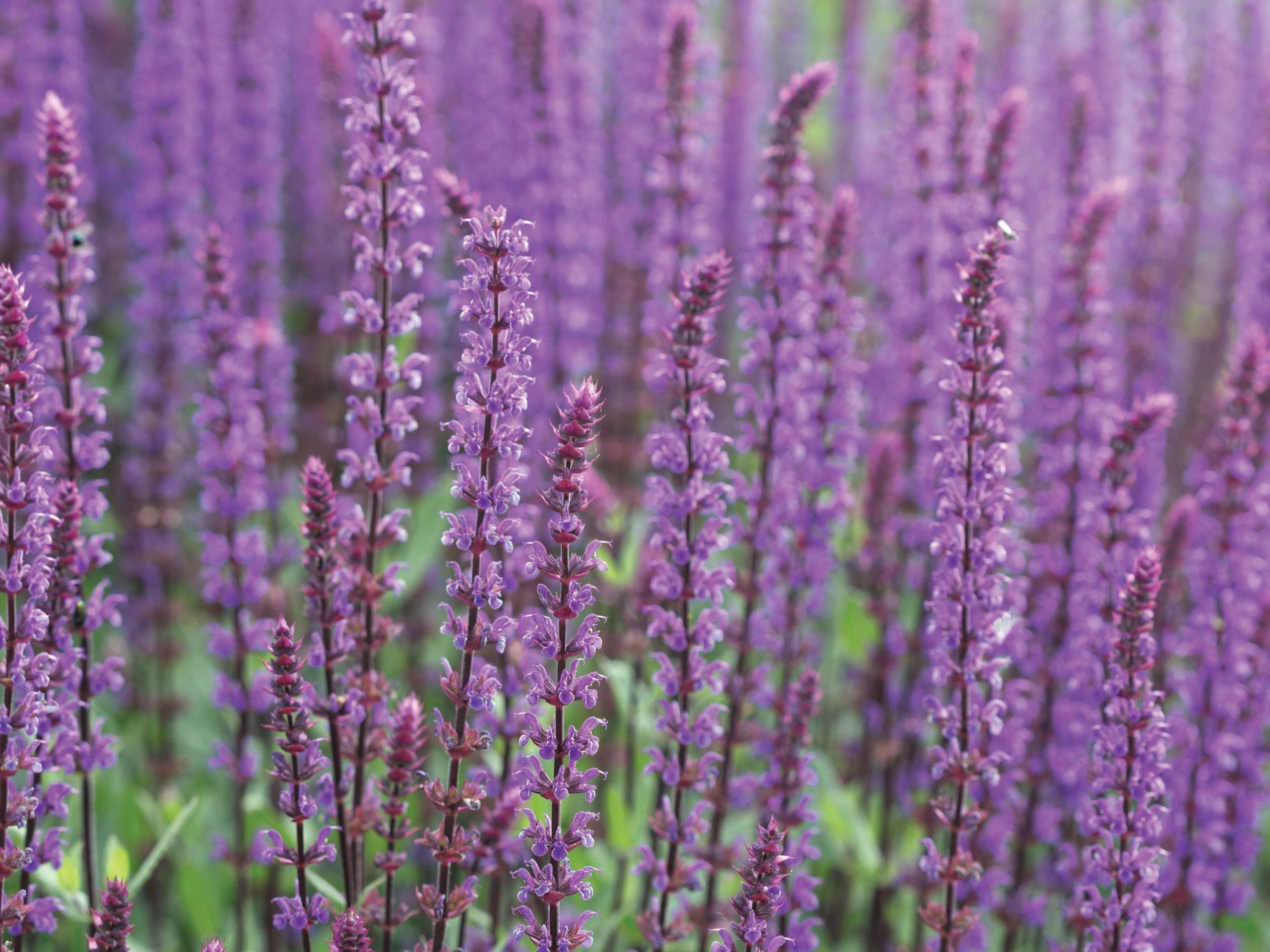
A favourite of many designers, including Pollyanna Wilkinson and Penelope Hobhouse, who says: “With striking, violet-blue flowers on dark stems, this ordinary salvia clumps up well. It’s perfectly hardy, needs little attention and is easily divided after a few years.”
Penstemon ‘Raven’
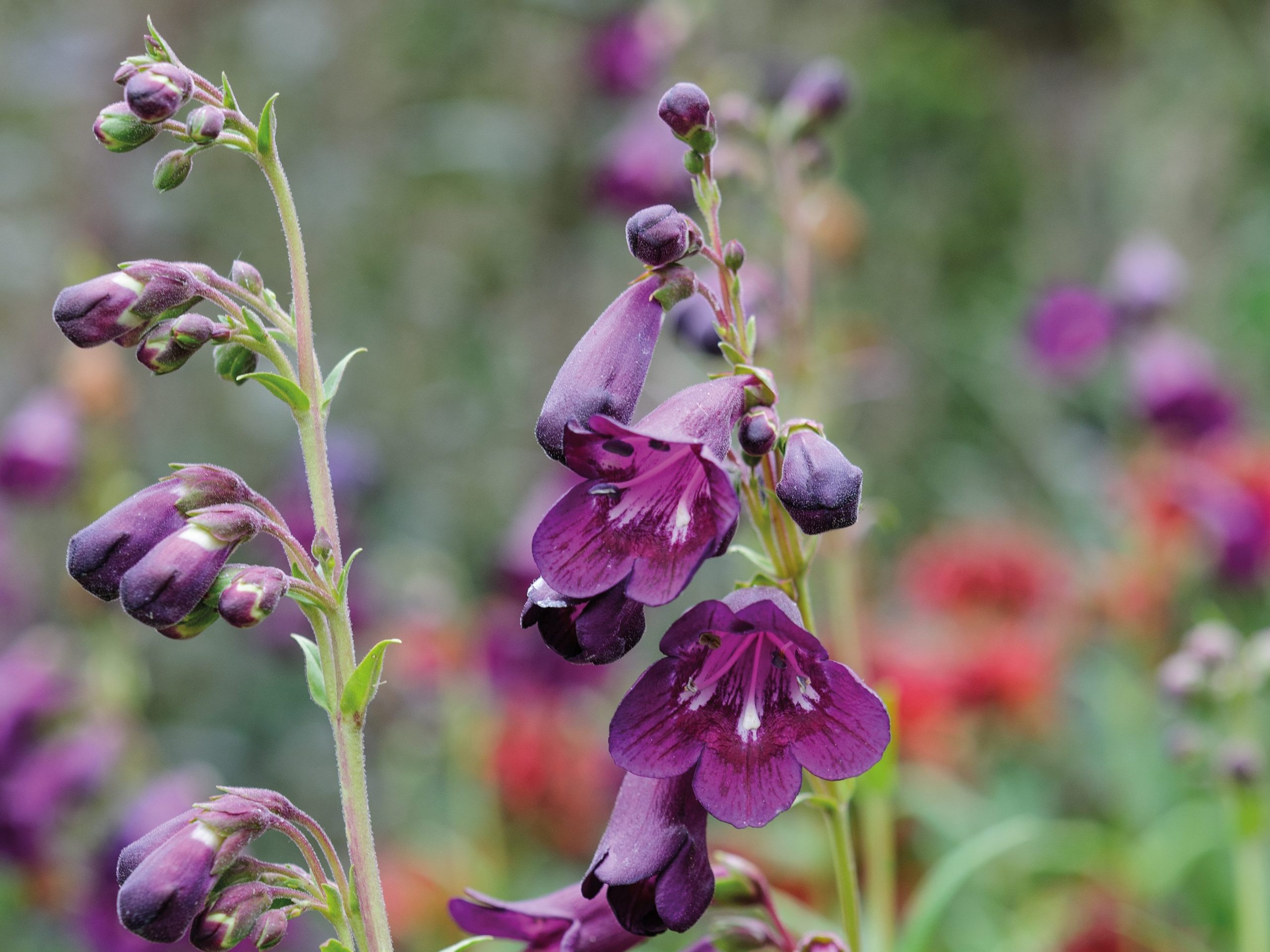
This penstemon has opulent foxglove-like flowers in deep purple. “This long-flowering sun-lover looks fabulous with pale blues and silvers,” says Charlotte Harris. It looks just as good as a cut flower as it does in the garden.”
Geranium ‘Rozanne’ (= ‘Gerwat’)
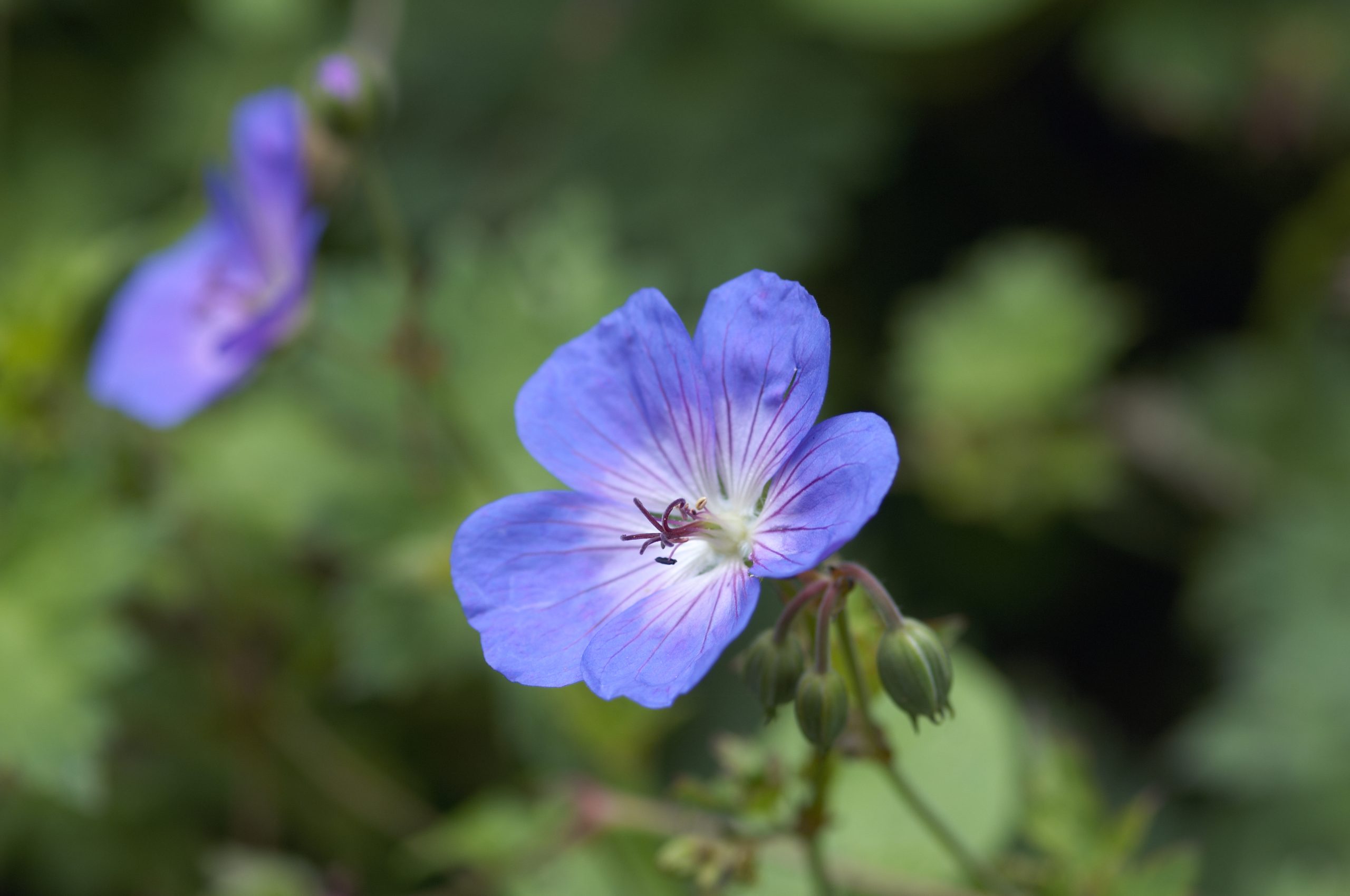
At the centennial Chelsea Flower Show in 2013, visitors voted Geranium ‘Rozanne’ (= ‘Gerwat’) the Plant of the Centenary. It’s a favourite with designers for its incredibly long flowering period - it produces a mass of flowers from June to October and forms a wide, neat clump.
Myrtle (Myrtus communis)
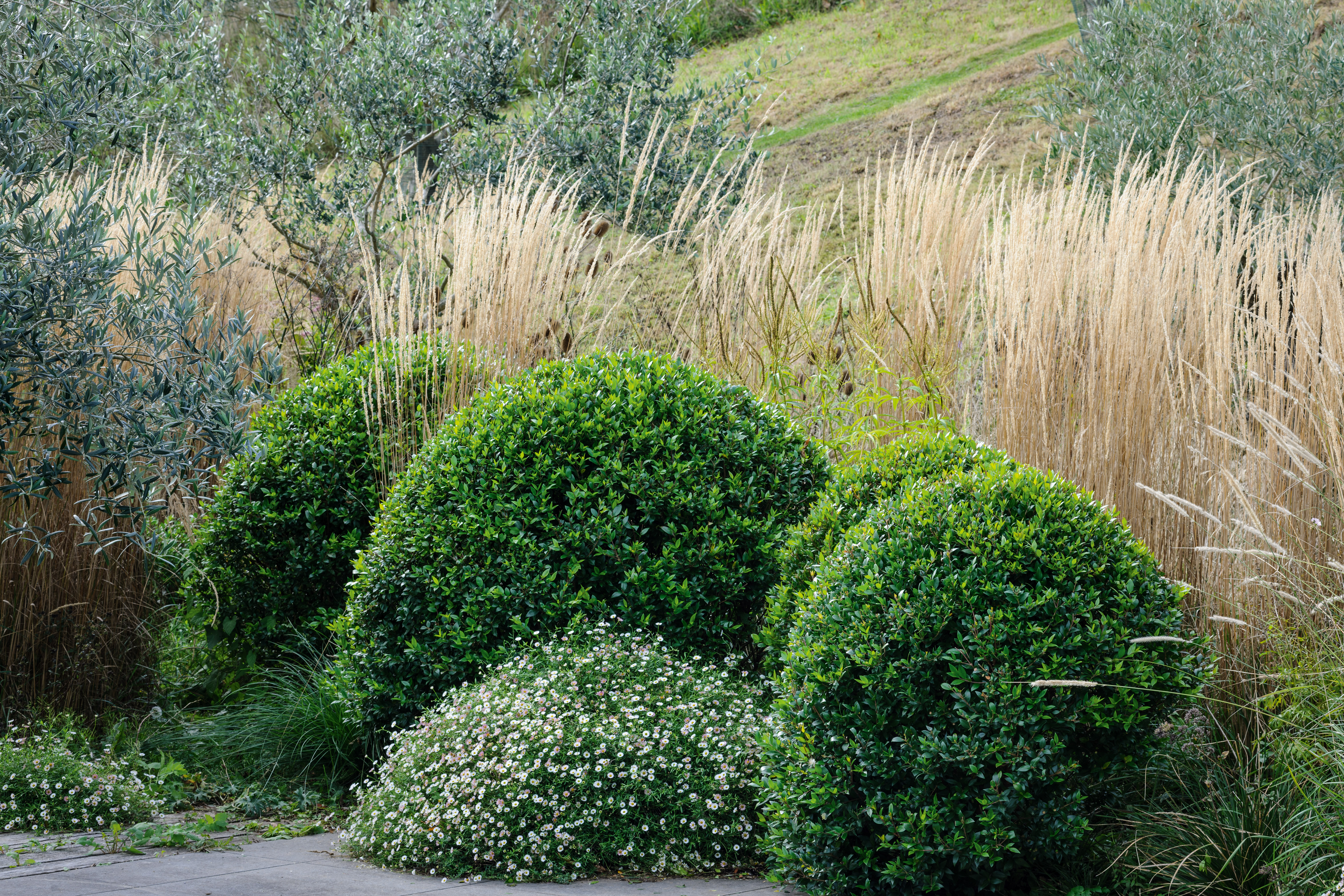
“Just a beautiful shrub that does everything one could ever ask for, says top garden designer Jinny Blom. “It flowers when others don’t. It fruits and looks beautiful smothered in dark, plum-purple beads. It is glossy, evergreen and smells delicious. Planted around a warm terrace it has no equal.”
Beech (Fagus sylvatica)
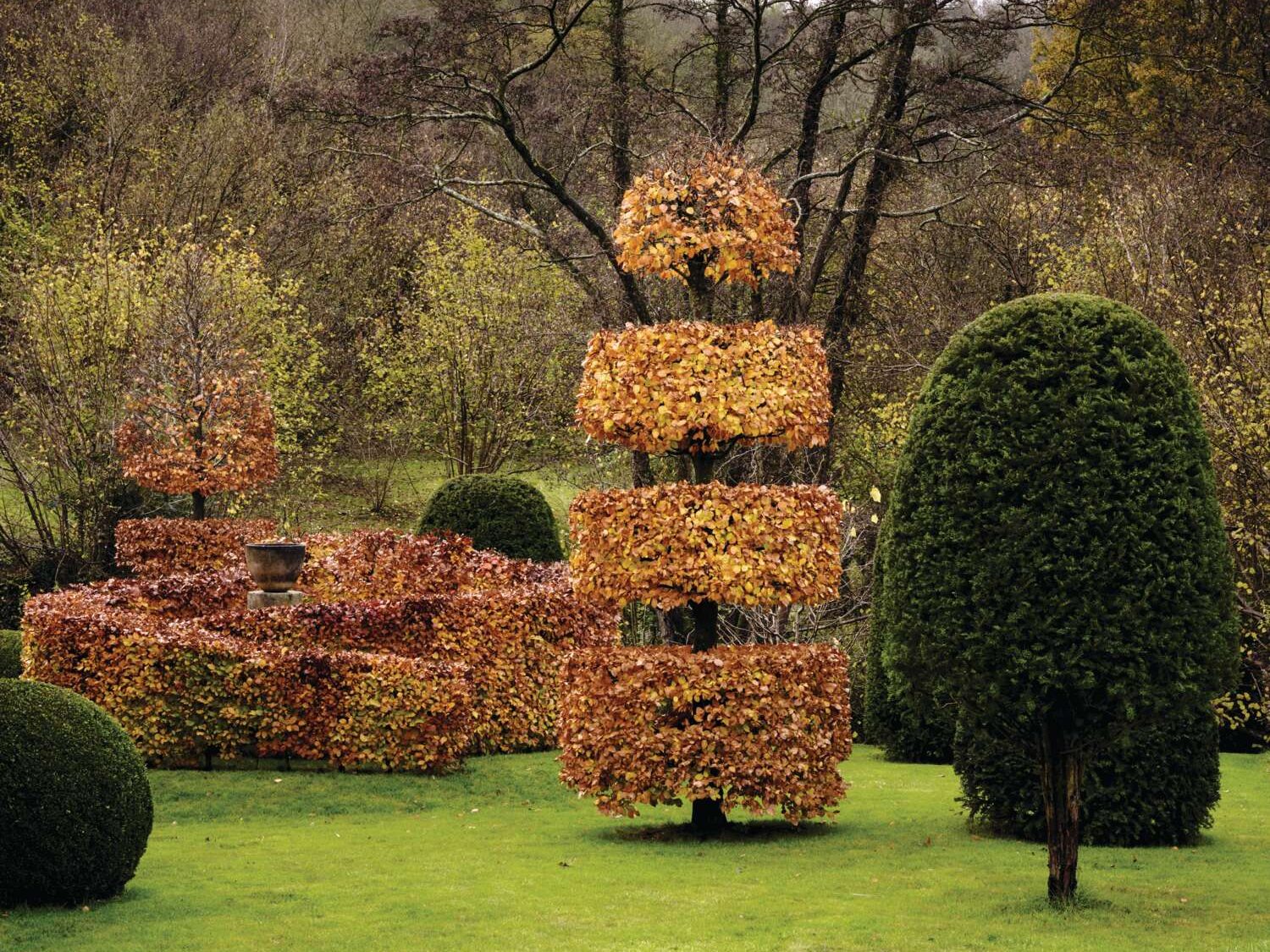
“What can’t you do with Fagus sylvatica?” asks Jinny Blom. “Beech topiary is always beautiful – I think my friend Arne Maynard (whose garden at Allt-y-bela is pictured above) has done the best job of showing that off.” Beech hedges retain their leaves all year round, making them excellent for screening.
Chinese rice paper plant (Tetrapanax papyrifer)

“This fast-growing Taiwanese native always adds a touch of tropical drama to a garden, says Jinny Blom. “I like to plant it in groves as it’s so nice to sit beneath the huge lobed leaves in summer.” Some people can experience skin irritation after touching the fuzz on its stem.
Hydrangea aspera subsp. sargentiana
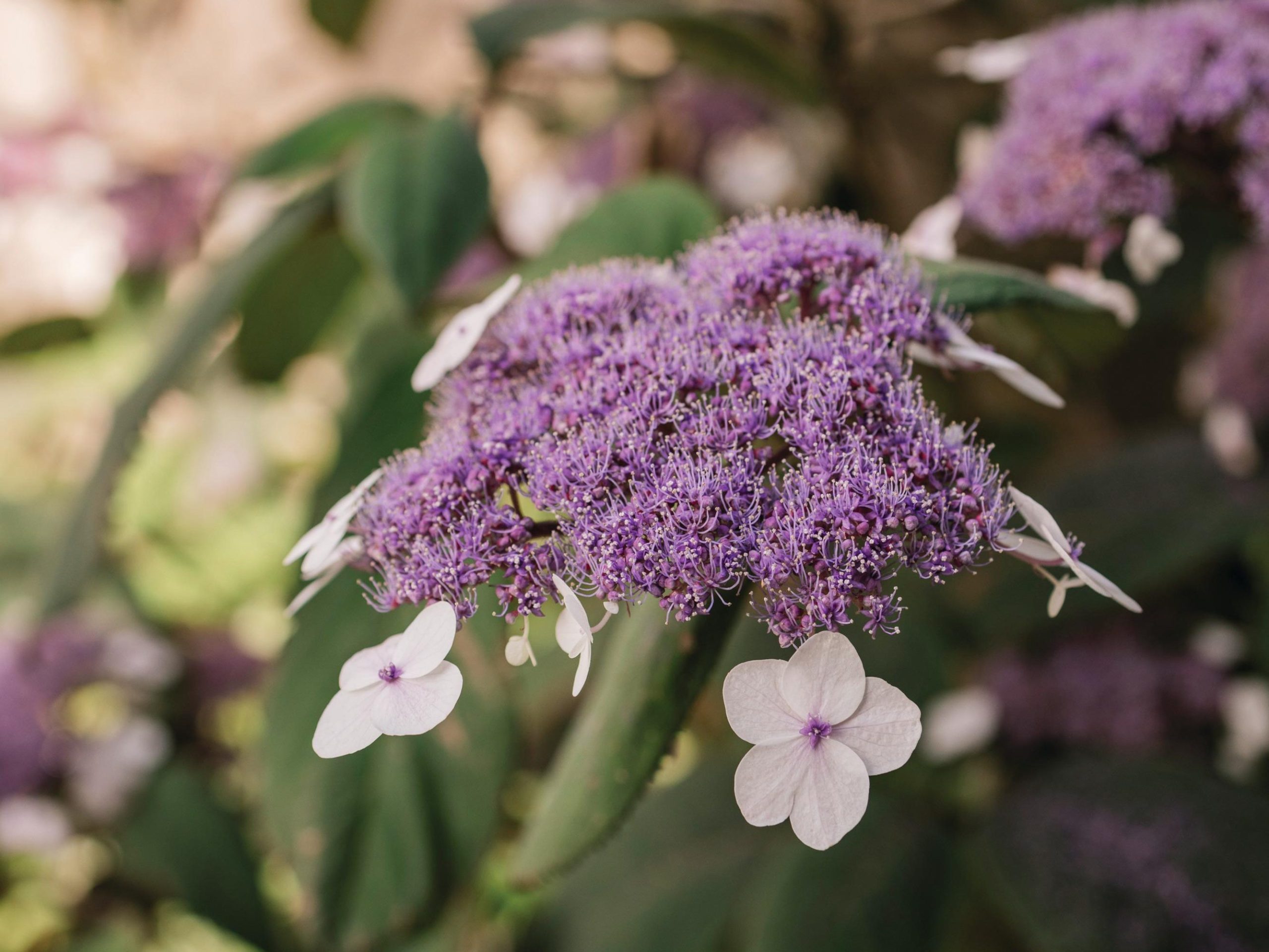
“No shady corner is complete without a Hydrangea aspera subsp. sargentiana with its huge furry leaves, unusual bark, well-shaped form and fantastic flowers,” says Jinny Blom. “This is a sophisticated shrub. It adds maturity of attitude to a planting scheme.”
Salvia ‘Amistad’
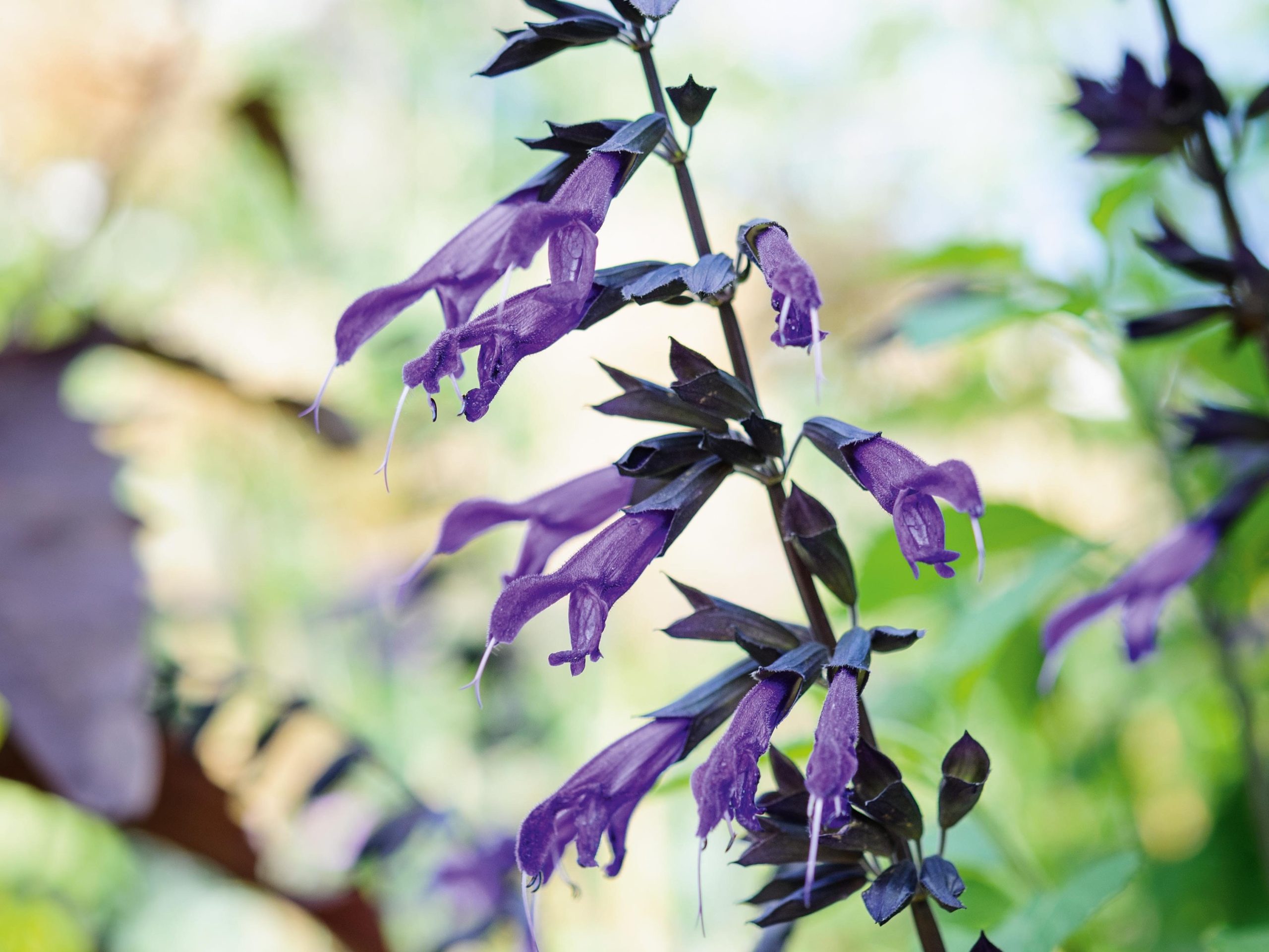
“This is a doer and a half,” says Charlotte Harris. “It is awash with velvety imperial purple flowers from the start of summer until October and sometimes even into November, especially when regularly deadheaded. Midnight blue calyces and stems give it even more visual punch. It enjoys a sheltered sunny position and is easily grown in pots, provided you offer regular seaweed feeds. Loved by bees.”
Rosa ‘Seagull’
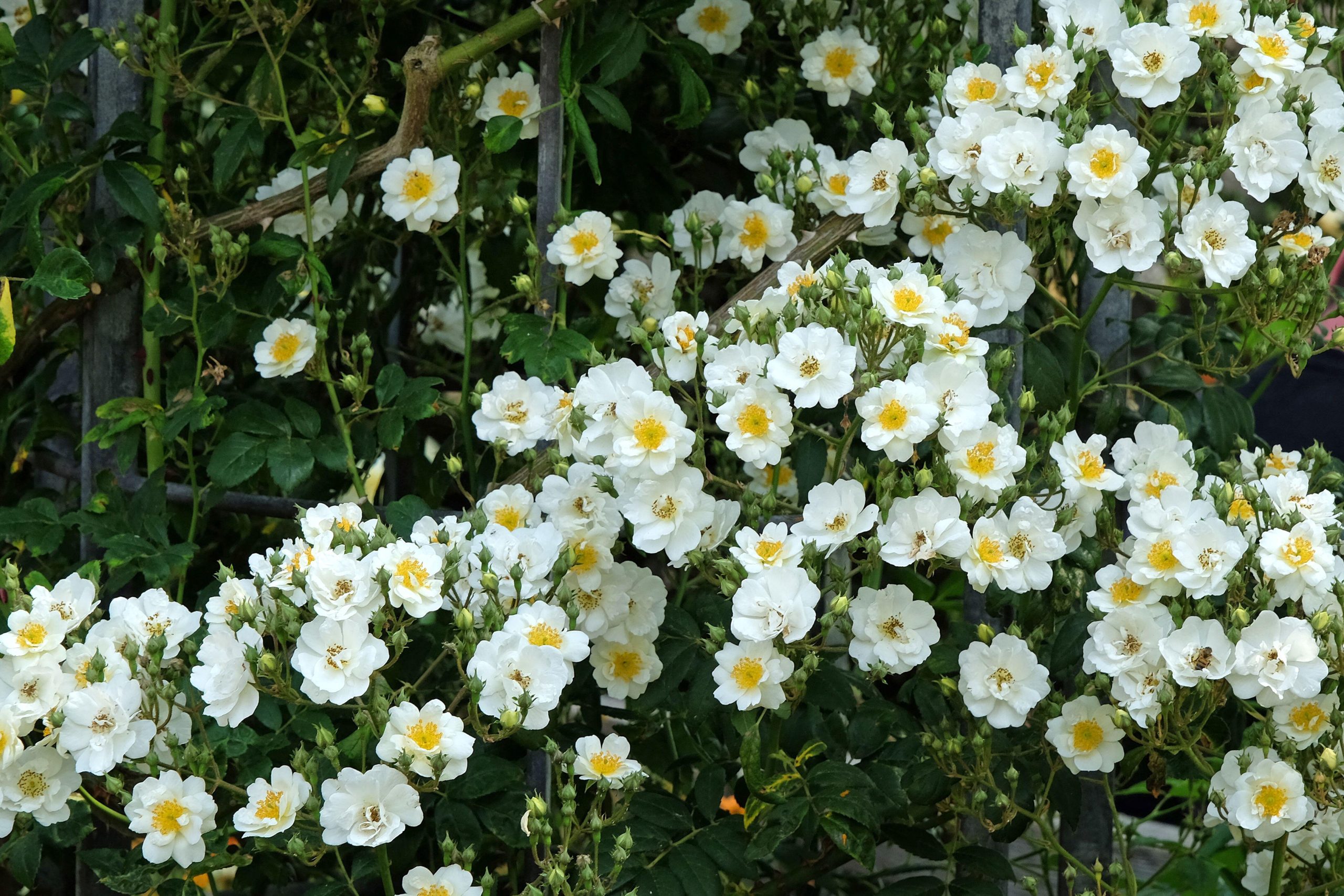
“A favourite rambler; not so vigorous that you end up having to move out of the house,” says Tom Stuart-Smith. “It has one glorious flowering in June of semi-double, white flowers with golden stamens.”
Rosa Francis E. Lester
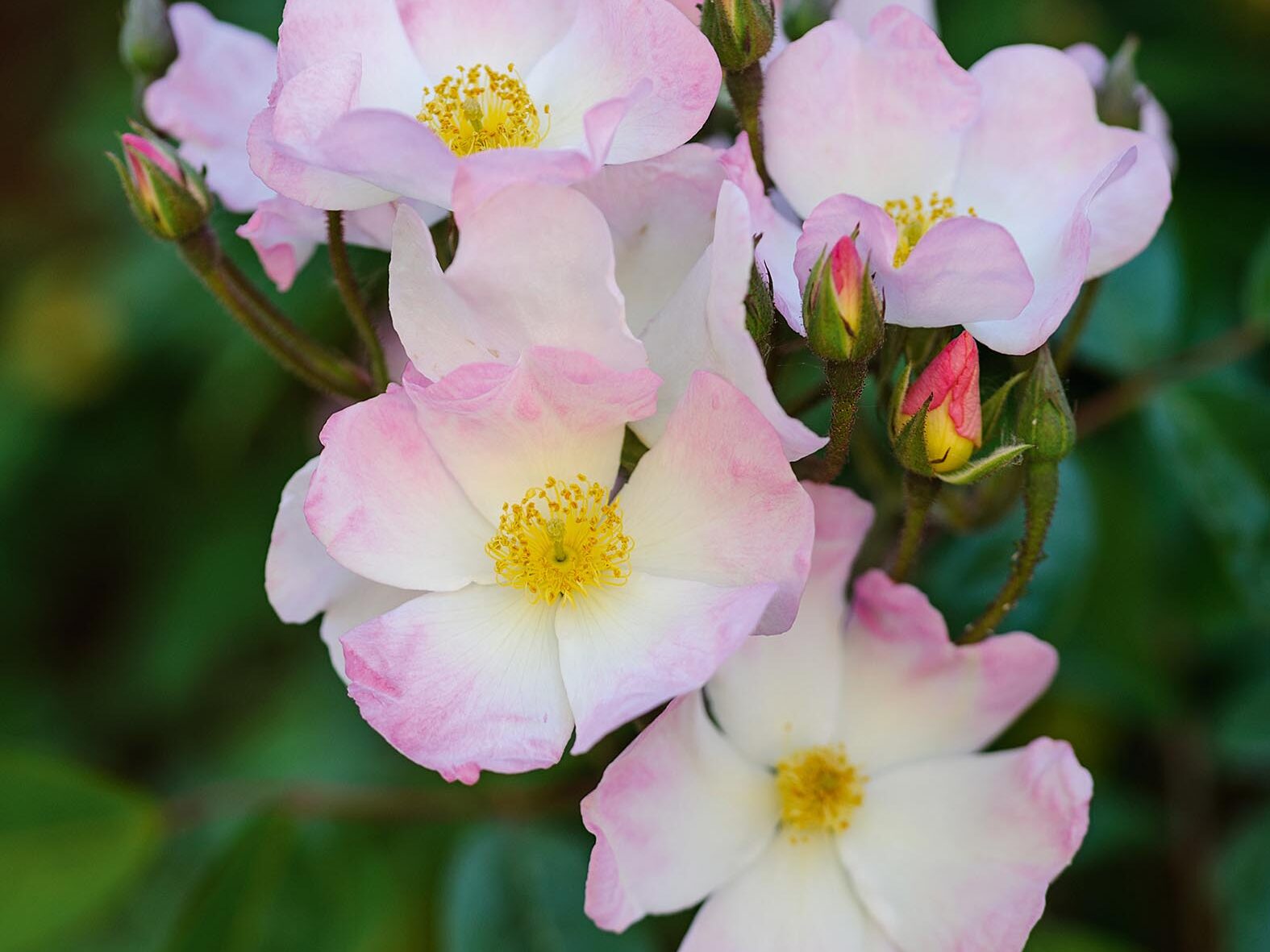
“A rambler that is strong enough to get to the top of a two-storey house, but one that is never really overpowering,” says Tom Stuart-Smith. “The flower is as close to a dog rose as you will find among ramblers. In autumn it is festooned with little orange hips.” The open flowers also mean that it is a favourite with pollinators.
Rosa ‘Getrude Jekyll’
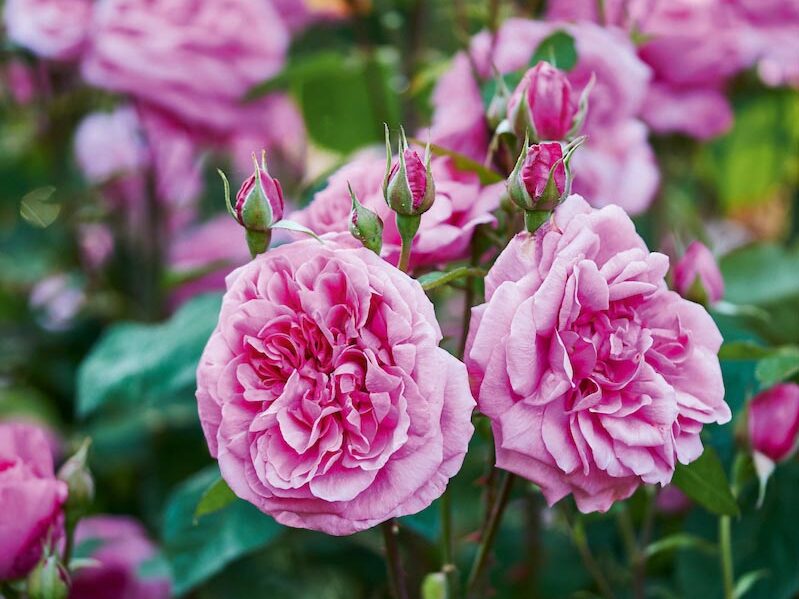
This classic pink rose is a favourite with designer Penelope Hobhouse. “It is one of David Austin’s repeat-flowering English roses,” she says. “It has large rosette-shaped blooms with a rich, pink colour and true rose fragrance. It forms an upright, compact shrub which is vigorous, reliable and free flowering. Good for picking.”
Rosa ‘Olivia Rose Austin’ (= ‘Ausmixture’)
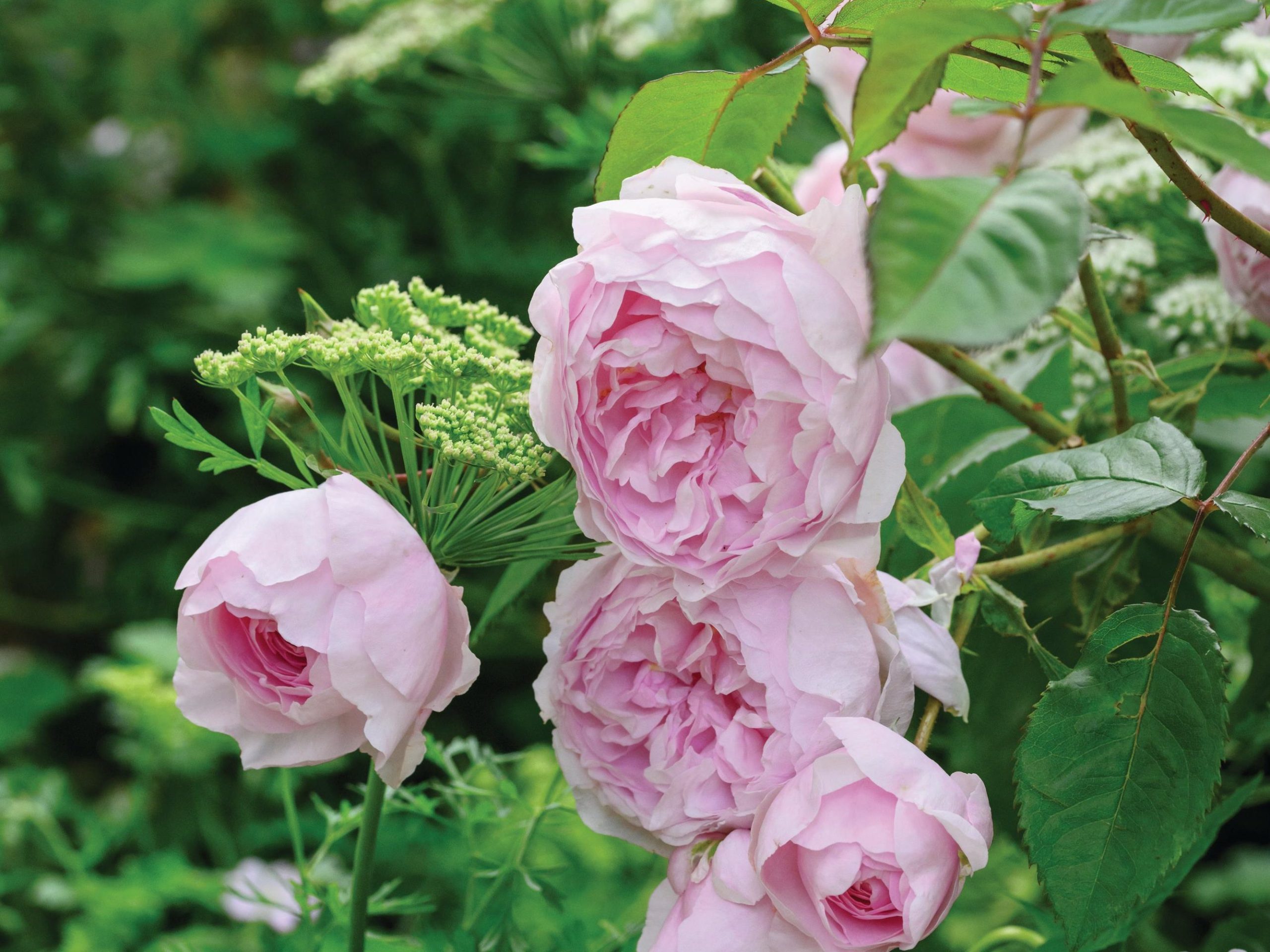
An incredibly pretty, pale pink rose that flowers early in the season, then continues in flushes until the autumn. Designer Emily Crowley-Wroe planted it in a beautiful modern cottage garden in Oxfordshire, not only because it looked pretty but because her clients had acquired a rather exuberant dog. Emily strategically added ‘Olivia Rose Austin’ to the large beds to act as a dog deterrent, moving the more delicate plants in the scheme away from susceptible edges.
Calamagrostis x acutiflora ‘Karl Foerster’
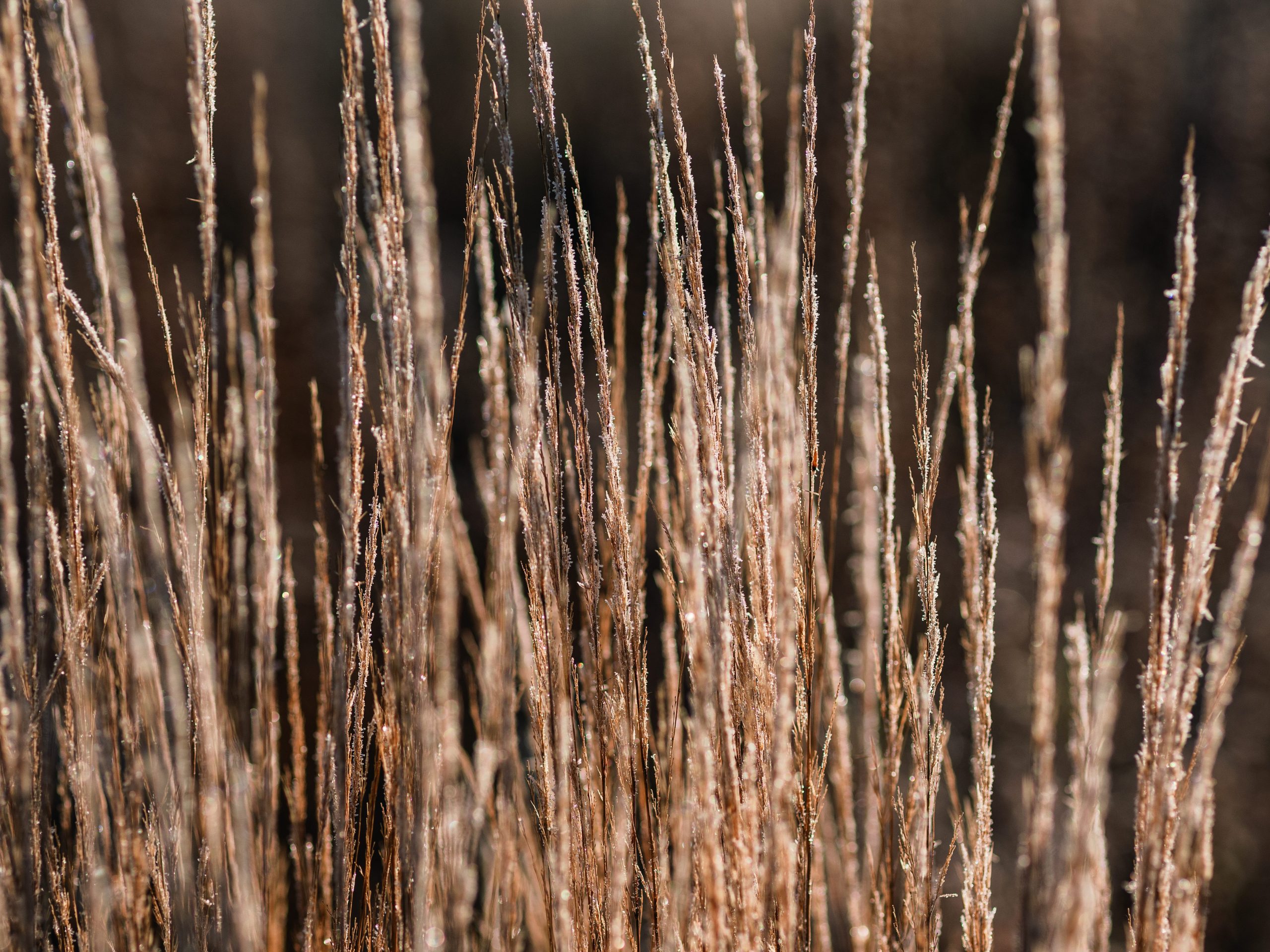
I frequently use ornamental grasses for movement and texture,” says Jane Houghton. “Grasses soften hard landscaping and fit perfectly with modern, low-maintenance garden designs.” She recommends Calamagrostis x acutiflora‘Karl Foerster’. “It provides a strong, upright line, precise and architectural. thriving in full sun and free-draining soils.”
Deschampsia cespitosa
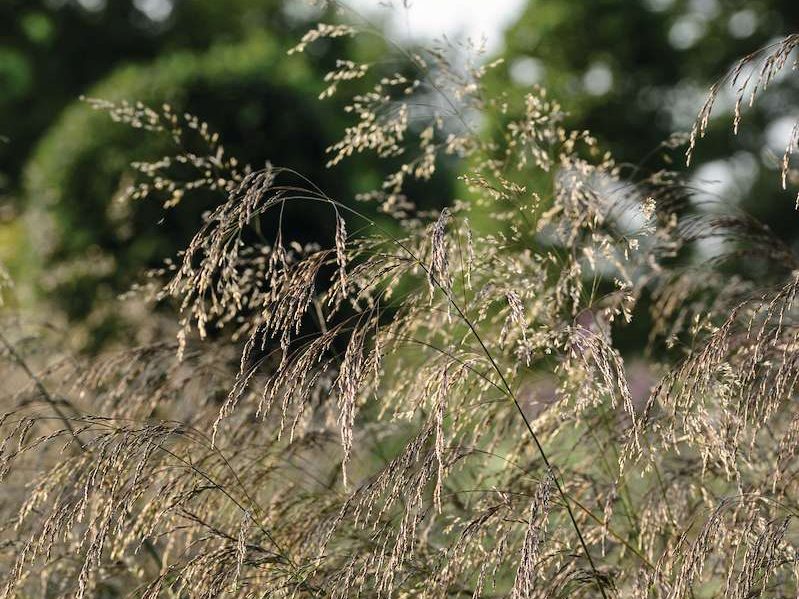
Jane also recommends another ornamental grass, Deschampsia cespitosa.I’m invariably drawn to those gems of plants that bring movement, lightness and cohesion to a scheme. Deschampsia cespitosa is invaluable in this respect - a grass that holds structure while softening everything around them, catching light and carrying the garden through the seasons. It’s remarkably adaptable too, tolerating a range of soils and conditions, from moisture-retentive ground to drier, more exposed settings.”
Crab apple Malus x robusta ‘Red Sentinel’
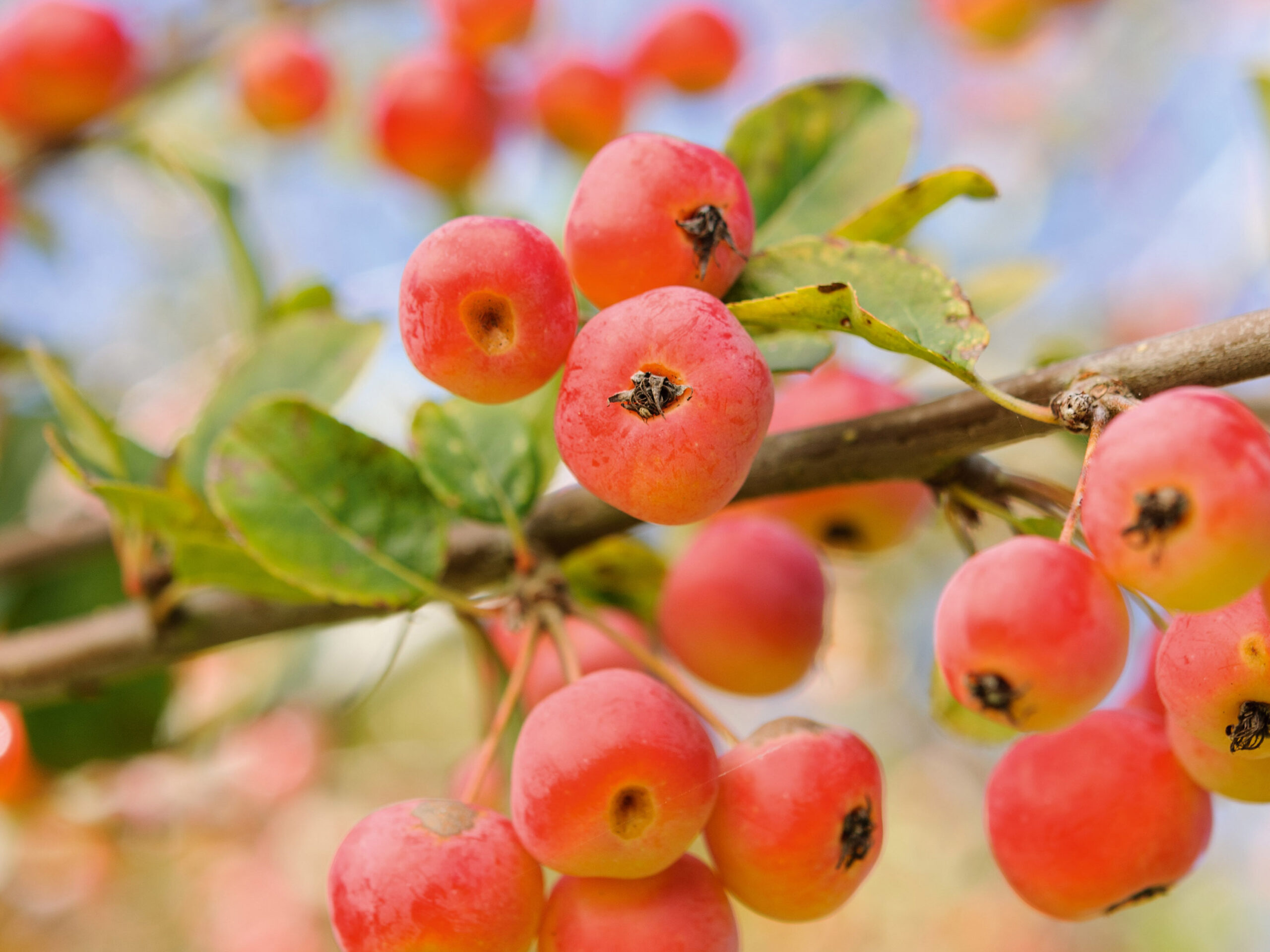
“It’s hard to pick a favourite crab apple, but ‘Red Sentinel’ tops the bill for its pale-pink and white blossoms and its ruby-red berries – better than any shop- bought tree decoration – that last long into winter,” says Charlotte Harris. “It is a fantastic specimen tree for a small garden, or combined with others as a grove. Robust, pollution tolerant and wildlife friendly.” For a real designer look, hunt down a multi-stem tree.
Hydrangea quercifolia
“Autumn is when this shrub takes its star turn: the leaves turn an array of intense bronze, orange and red, giving glimpses of the attractive bark before they fall,” says Charlotte Harris. “Make sure this hydrangea has space to flex into; we use it in shrub borders or in more relaxed transitional spaces. The creamy-white summer flowers are the icing on the cake.”
Mahonia eurybracteata subsp. ganpinensis ‘Soft Caress’
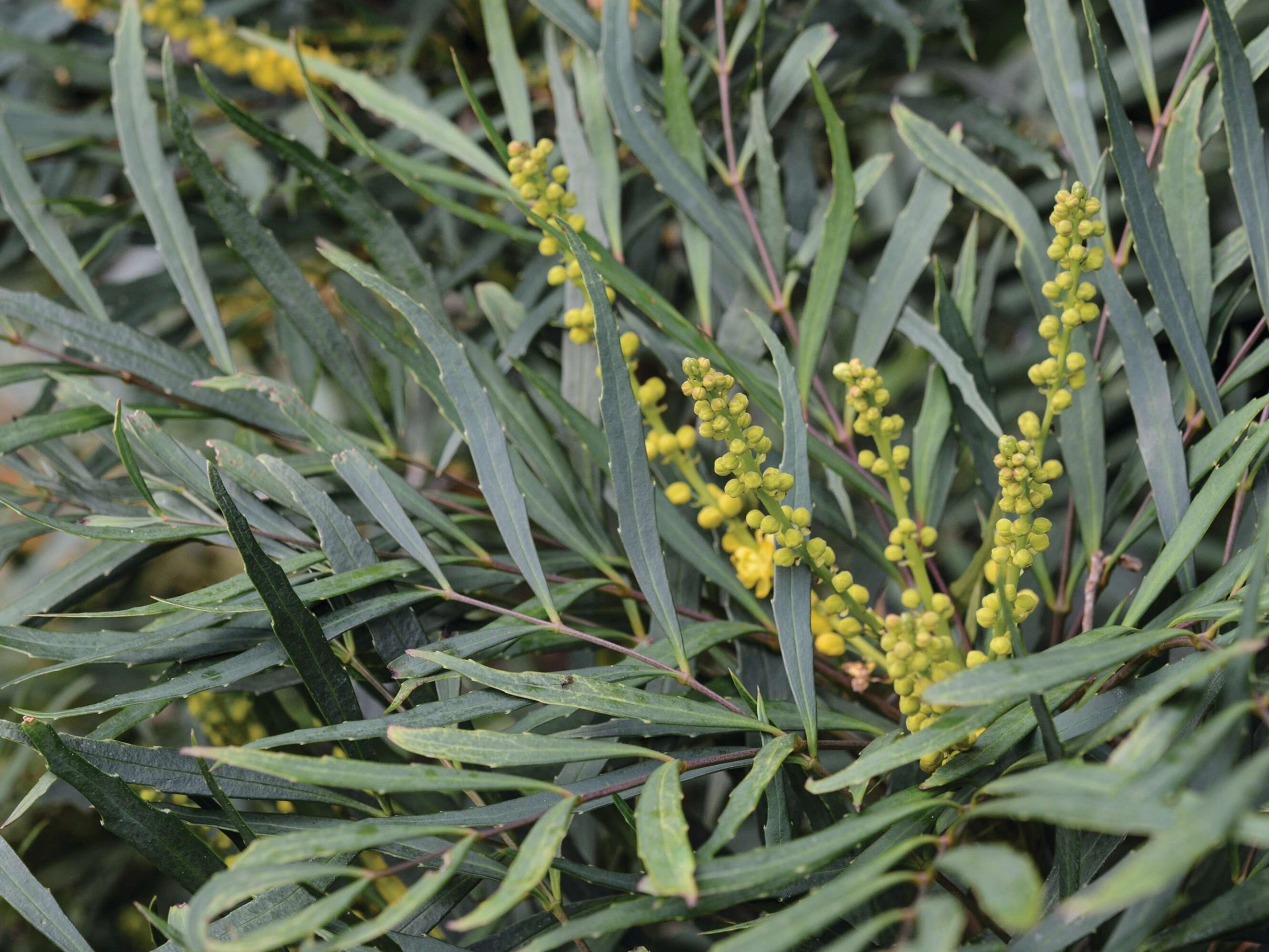
Voted Plant of the Year at the RHS Chelsea Flower Show in 2013, this evergreen mahonia has narrow leaves and yellow flowers that appear in autumn. Thanks to its compact size, it’s ideal for courtyards and containers. “Mahonia eurybracteata subsp. ganpinensis ‘Soft Caress’ is particularly valuable – it is hardy, low-maintenance, and thrives in difficult, shady corners,” says designer Katrina Kieffer-Wells.
Olive trees (Olea europea)
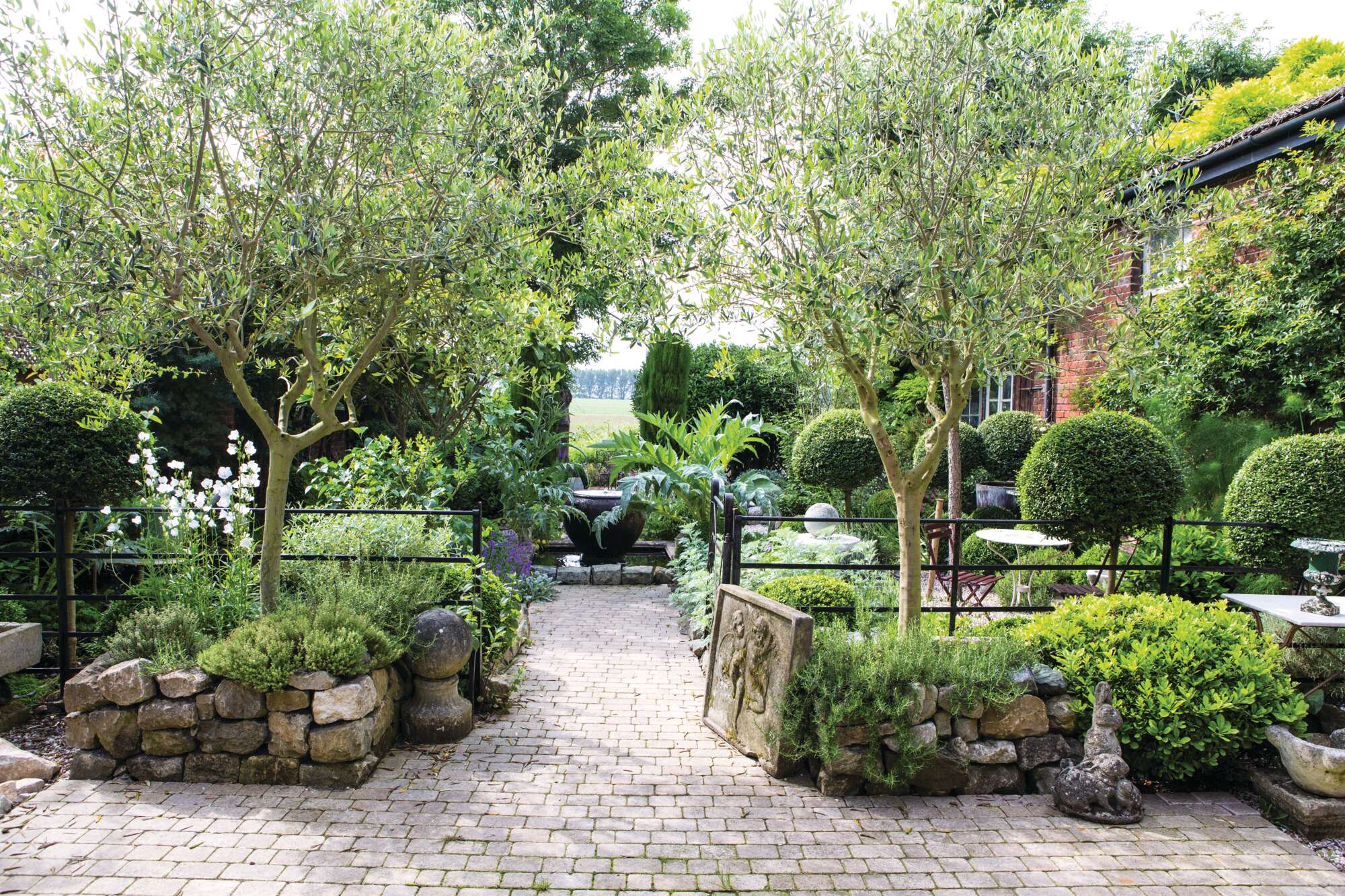
“A signature feature in Mediterranean-style gardens,” says Katrina Kieffer-Wells. “Olive trees create a strong focal point and bring a warm, contemporary feel. They work well both in borders and large containers.”
Verbena officinalis var. grandiflora ‘Bampton’
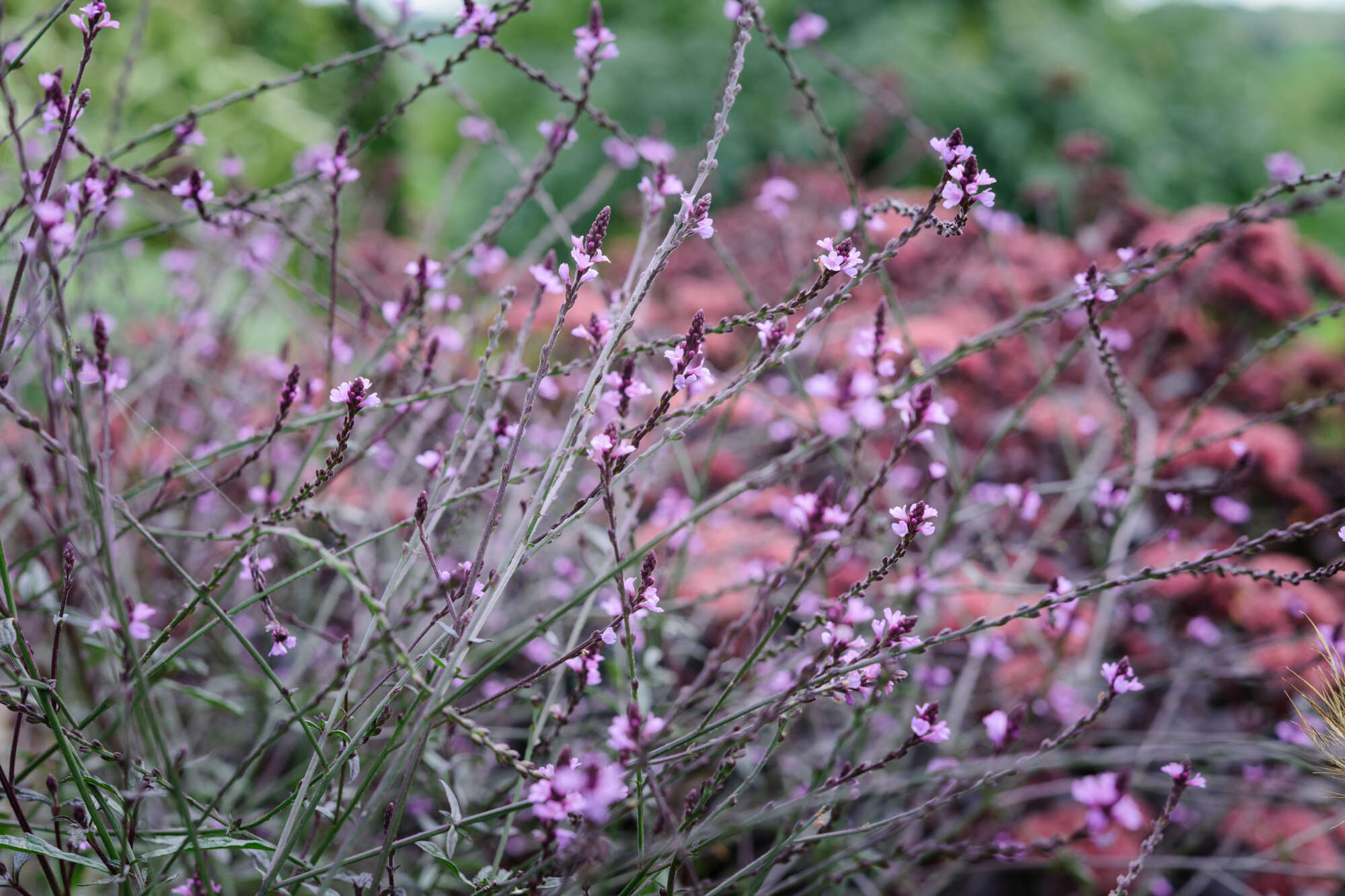
“This vervain’s chalky, lilac-pink stars dance airily on dark wiry stems and gently serrated small leaves,” says Charlotte Harris. “It rambles through gravelly spots in our garden, taking on more dramatic foliage colour in the hotter spots. It also looks good in pots with richly coloured dahlias.” Flowers from June to September.
Betula utilis subsp. jacquemontii
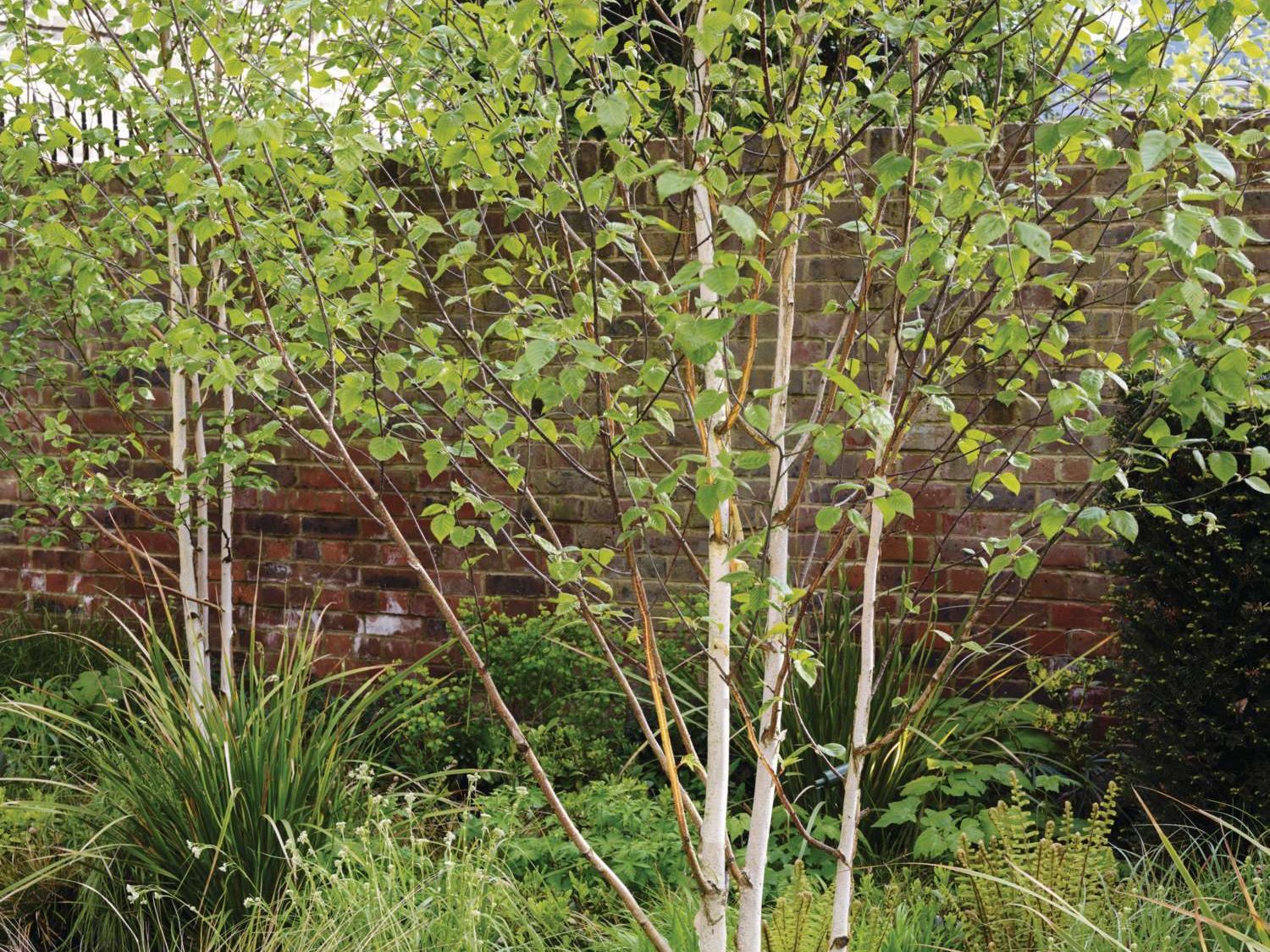
Birch is popular with designers thanks to the dappled shade it provides in summer, the leaf colour it gives in autumn and bark that provides interest in winter. This Himalayan birch, with brilliant white bark, is an excellent choice. It reaches a height and spread of 6m x 6m in 20 years.
Yew
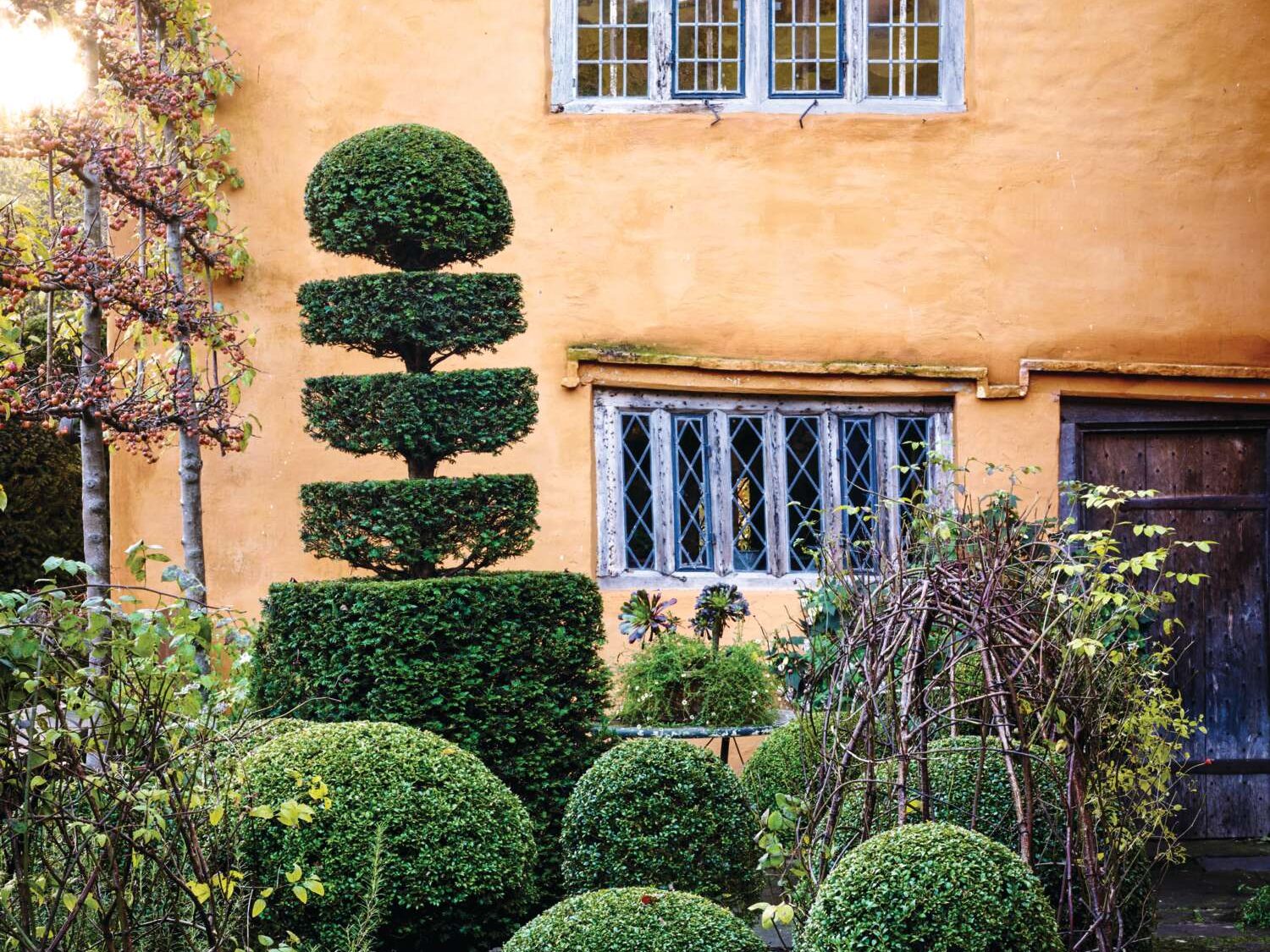
This evergreen plant makes excellent hedging according to Tom Stuart-Smith. “The finest of all hedging and quicker in growth than we sometimes give it credit,” he says. Yew almost makes excellent topiary, and balls of yew can also make an excellent replacement for box, which is now plagued by blight and box moth caterpillar.