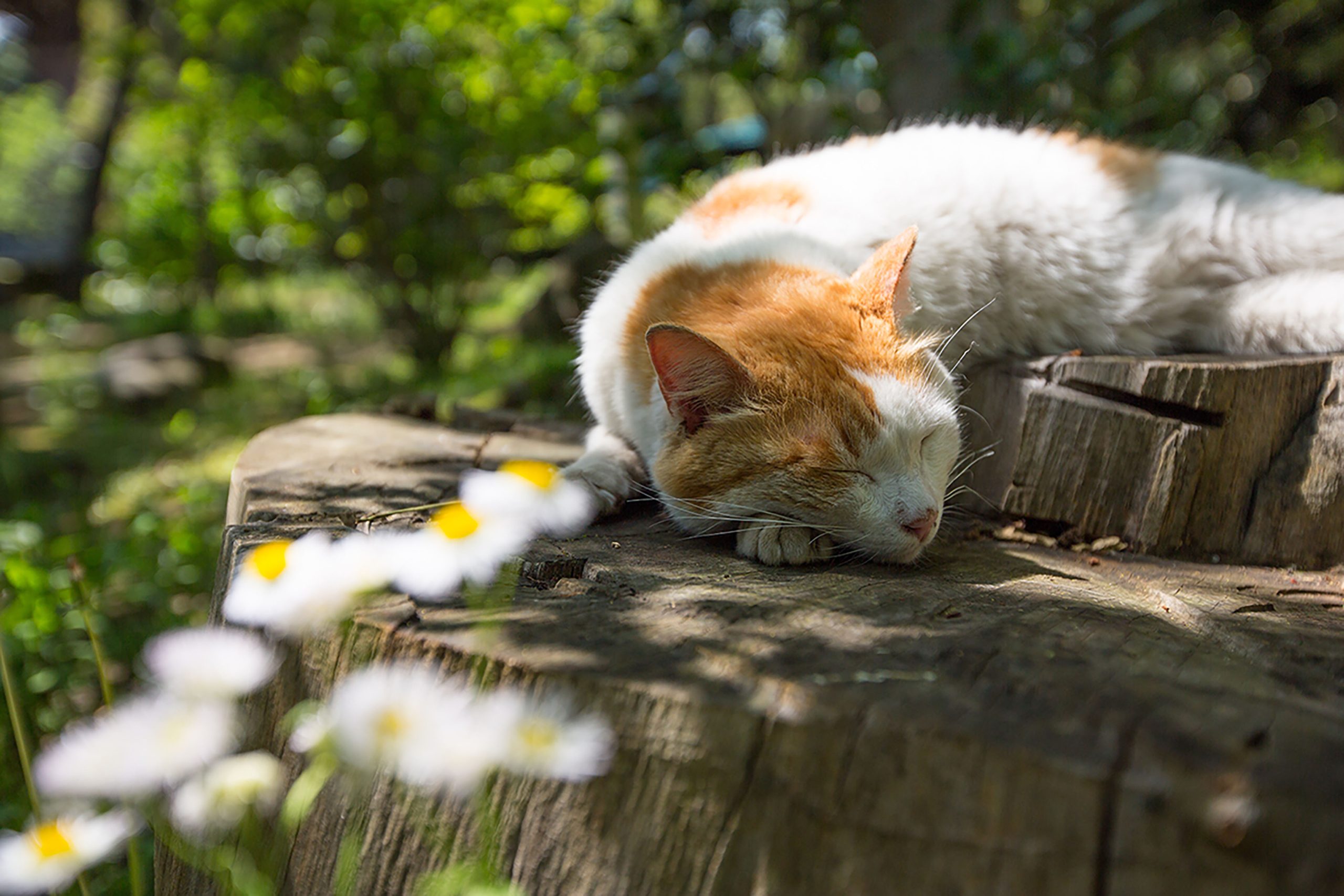
As high temperatures, heatwaves and hosepipe bans become more frequent during our summers, it's important pet owners are aware of the key ways to keep their pets safe in hot weather. While pets may seem to be enjoying the sun – cats can often be found lounging in sunny spots – high temperatures can quickly put them at risk of dehydration, heatstroke and even sunburn.
Here is the top advice from the RSPCA, Cats Protection and Dogs Trust.
6 tips to keep pets cool and hydrated
1. Keep pets indoors during the hottest hours of the day (10am-3pm)
2. Make sure there's shade available, both inside and outside
3. Make sure there's fresh drinking water available at all times, and add one or two ice cubes if appropriate
4. Encourage pets to drink regularly, from wide bowls away from food and litter trays
5. Keep the home ventilated, e.g. with a fan (but be careful not to leave windows open where pets could escape or fall)
6. Add other cooling items, like a wrapped frozen water bottle near their sleeping area, and make any cool floors available for pets to lie on
How to exercise dogs in a heatwave
A missed walk is better than burnt paws, says Dogs Trust. If the ground feels too hot for the back of your hand after holding it there for several seconds, it is too hot for your dog's paws. During hot weather, walk dogs in early morning or the evening when temperatures are cooler, and stick to grassy, shaded areas.
During heatwaves or exceptionally hot weather, it may be best to skip the walk altogether. To keep dogs stimulated indoors, try using puzzle feeders and snuffle mats, or play calm training games – just keep an eye on their body language and give them space to cool down if they become irritable or frustrated.
If you don't have a garden, take your dogs to the nearest grassy area for them to go to the toilet and then head straight back home.
The RSPCA continues to remind dog owners that dogs die in hot cars. If you see a dog in a hot car, call 999 immediately.
You may also like:
- Is my area in drought or under a hosepipe ban, and am I exempt?
- 6 key tips to prevent wildfires from starting in your garden
Sunburn can also be a hidden danger
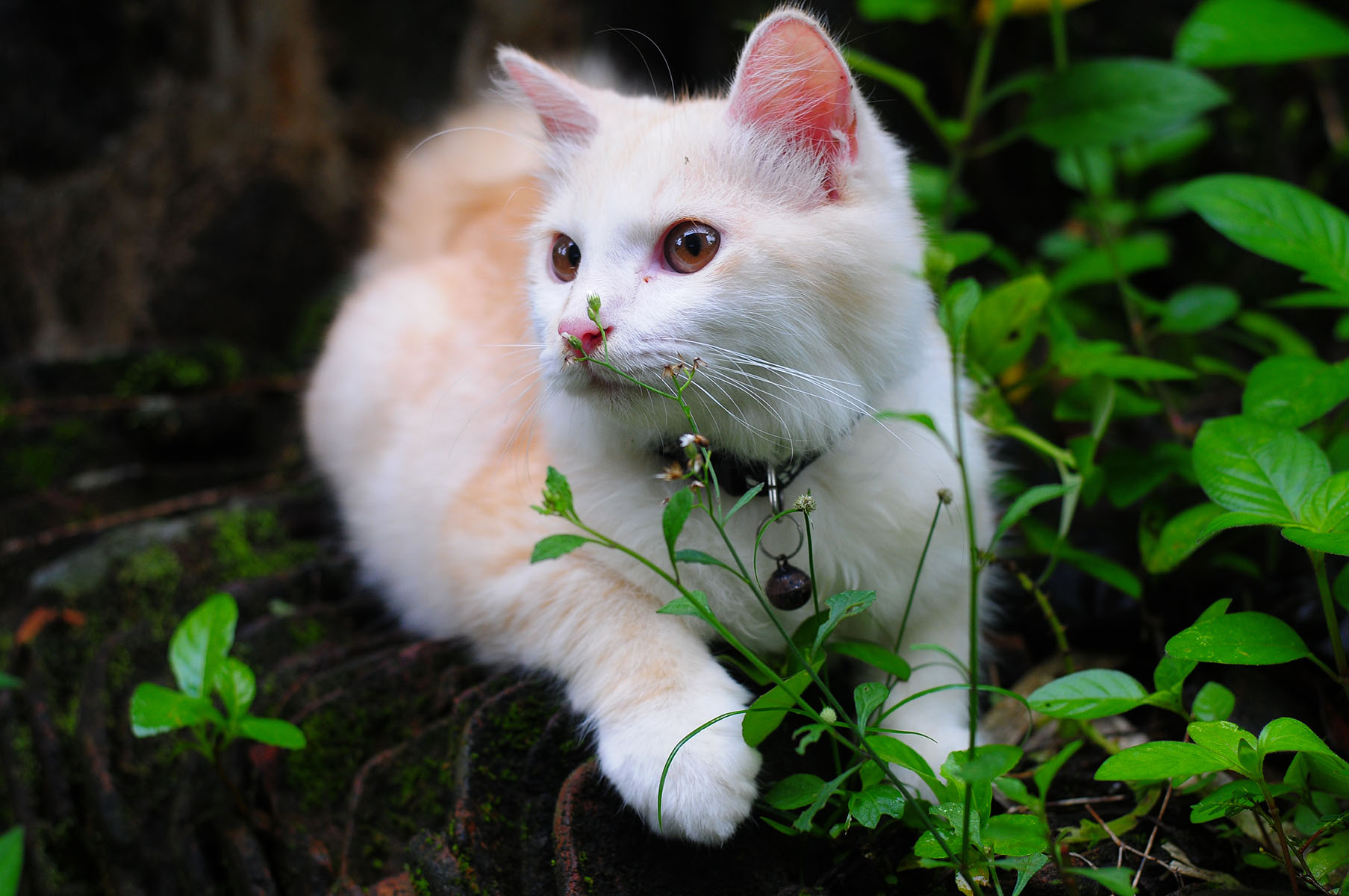
Did you know, some pets can get sunburnt, particularly around the ears and nose, and if they have white or thin fur? As with humans, repeated exposure can increase the risk of skin cancer, so it's important to:
- Limit your pet's time in direct sunlight
- Make sure they always have access to shade
- Ask your vet about pet-safe sunscreen (SPF30 or higher) on vulnerable areas
- Get any red, sore, blistering or peeling skin checked by a vet as soon as possible
Know the signs of dehydration
Here's what to look out for in hot weather:
- Sticky or tacky gums
- Skin that doesn't spring back when gently pinched
- Sunken or dry-looking eyes
- Cool paws
Know the signs of heatstroke
Heatstroke can be life-threatening for pets, so it's important to know the signs. Cats are generally good at keeping themselves cool, but pet owners should always be vigilant in hot weather.
"Cats may love lounging in the sun but extreme heat can be just as dangerous for them as it is for us"
– Izzy Hocking, senior veterinary engagement manager at Cats Protection
"Dogs are much more vulnerable to heat than people," says Emily Mills, veterinary projects manager at Dogs Trust. Certain types of dogs are at a higher risk of heatstroke too, such as brachycephalic or flat-faced breeds like English Bulldogs, Pugs and French Bulldogs; older dogs; overweight dogs; and those with medical conditions.
If you spot any of these symptoms, contact a vet immediately:
- Restlessness
- Fast breathing or panting
- Drooling
- Confusion
- Vomiting
- Diarrhoea
- Collapsing
What to do if your pet has heatstroke
"Cool first, transport second" is the advice from Dogs Trust. Here are the steps to take:
1. Stop any exercise or activity
2. Move the pet to a cool, shady area
3. Provide fresh drinking water
4. Cool dogs with water that is cooler than their body temperature – young, healthy dogs can be immersed in cold water, while older dogs or pets with health conditions should be sprayed with cold water and cooled with ventilation or a fan (never put wet towels over a pet, as they can trap heat)
5. Contact a vet and keep pets cool while transporting them
4 ways to keep pets cool without using a hosepipe
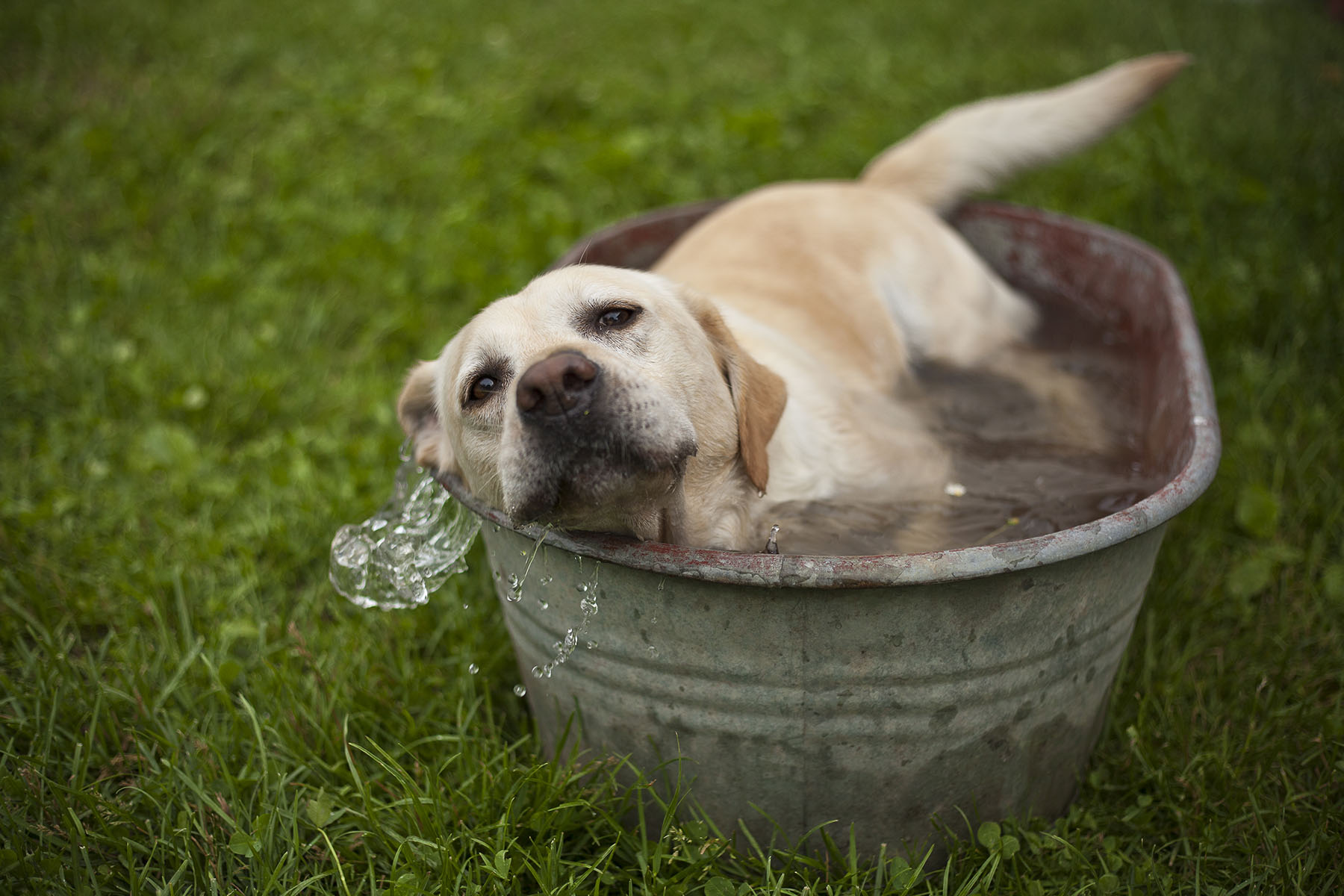
Pet owners might be tempted to turn on the hosepipe to fill a paddling pool or give their pet a quick spritz of cool water, but what if your area is under a regional hosepipe ban? Luckily, there are still plenty of ways to keep pets cool without using the hose, says the RSPCA.
The RSPCA has these four tips for keeping pets cool without using the hose:
1. Put water bowls in every room for pets to sniff and discover, with ice cubes
2. Make a DIY cooling mat using a small, wet towel chilled in the freezer (leave it on the floor for your pet to lie on, rather than draping it over them)
3. Make homemade frozen treats – for dogs, this could be frozen puzzle toys or Kongs for mental stimulation, or homemade snacks like frozen mashed banana on a shallow lid, mixed with a few scattered treats (always supervise pets when eating)
4. Build a breezy shade fort by hanging sheets in the garden or living room, with a fan to create a breeze
Find more advice and information at the RSPCA, Cats Protection and Dogs Trust.


