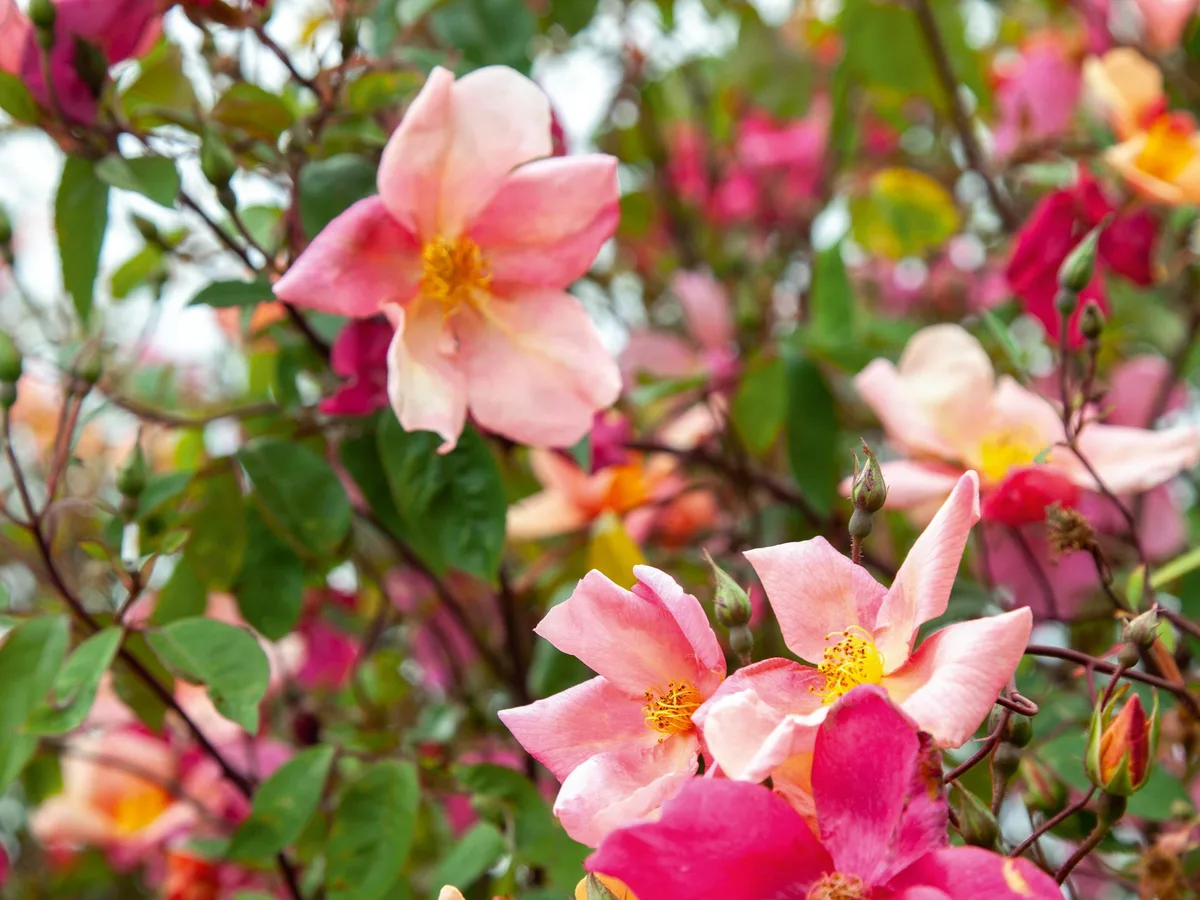
Garden designers all have their own palettes of tried and tested plants they like to use in their planting schemes, but here at Gardens Illustrated we’ve noticed some plant names appear more frequently in our conversations with the top professionals. Some of these plants are recognised as reliable "good doers" that are widely available at garden centres, while others are not as widely available and might require a bit more effort to seek out from specialist nurseries or online.
You may also like
What these plants all have in common is that designers, as well as many head gardeners and nursery growers, love them.
It’s important to note that often the species or cultivar name is all, so check the plant name carefully and track down exactly the right plant – accept no substitutions.
24 designer favourite plants
Echinacea pallida
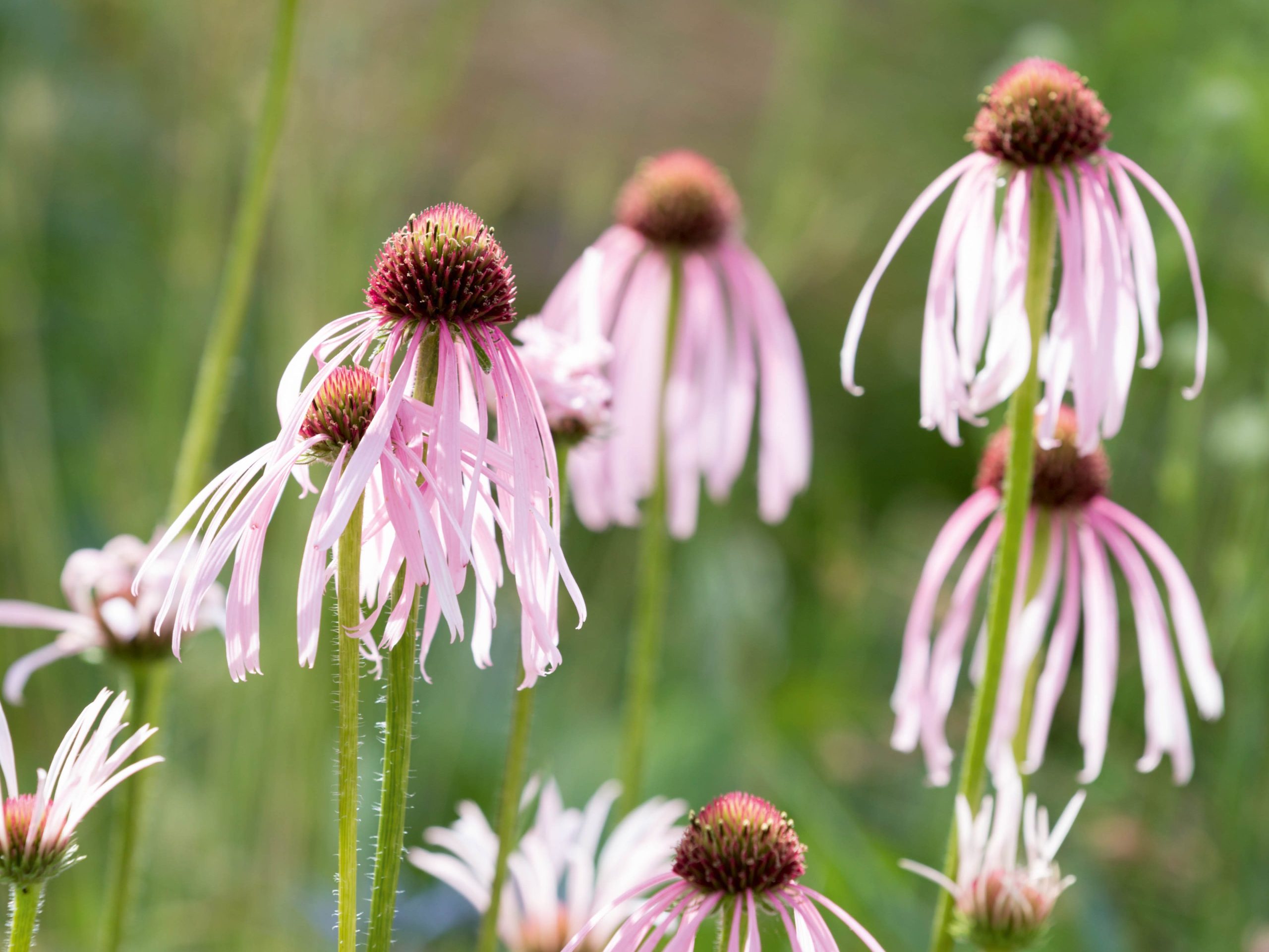
“Drooping, pale-pink petals artfully arranged around a dark central cone make this immediately recognisable,” says designer Sarah Price. “Luminous autumn grasses, such as Andropogon, make
the dark accents of its seedheads stand out.” Prefers full sun. Height and spread: 1m x 30cm. RHS H5, USDA 3a-10b.
Rosa x odorata ‘Mutabilis’
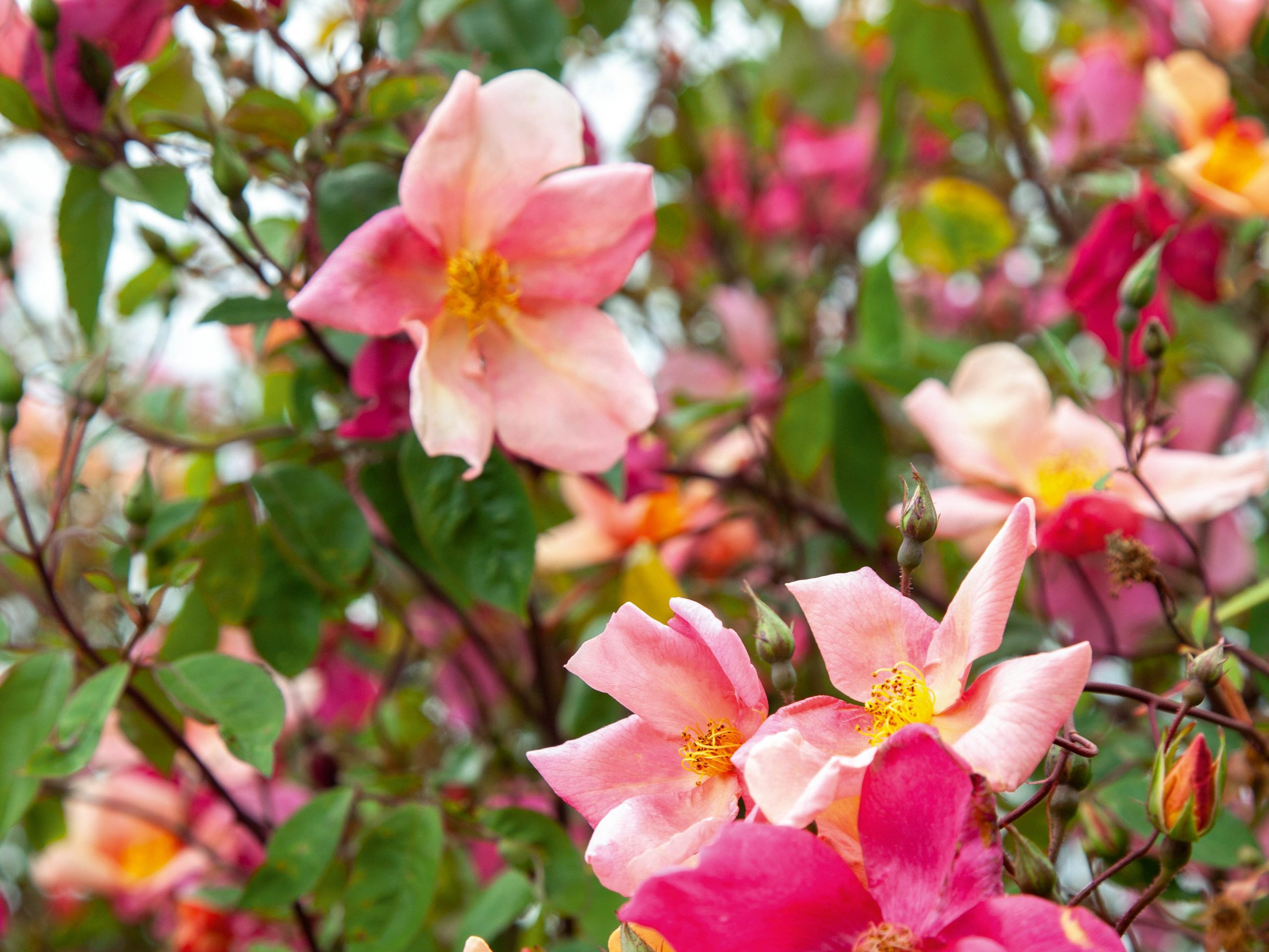
Single flowers open yellow then age to coral-pink and crimson, giving myriad colour on one plant.
“A rose of which I’m inordinately fond, as it just flowers forever,” says James Alexander-Sinclair. “Looks good in so many contexts – provided there is some sun,” says Tom Stuart-Smith. 2m x 2.5m. AGM*. RHS H5. Read our guide to growing roses.
Dianthus carthusianorum
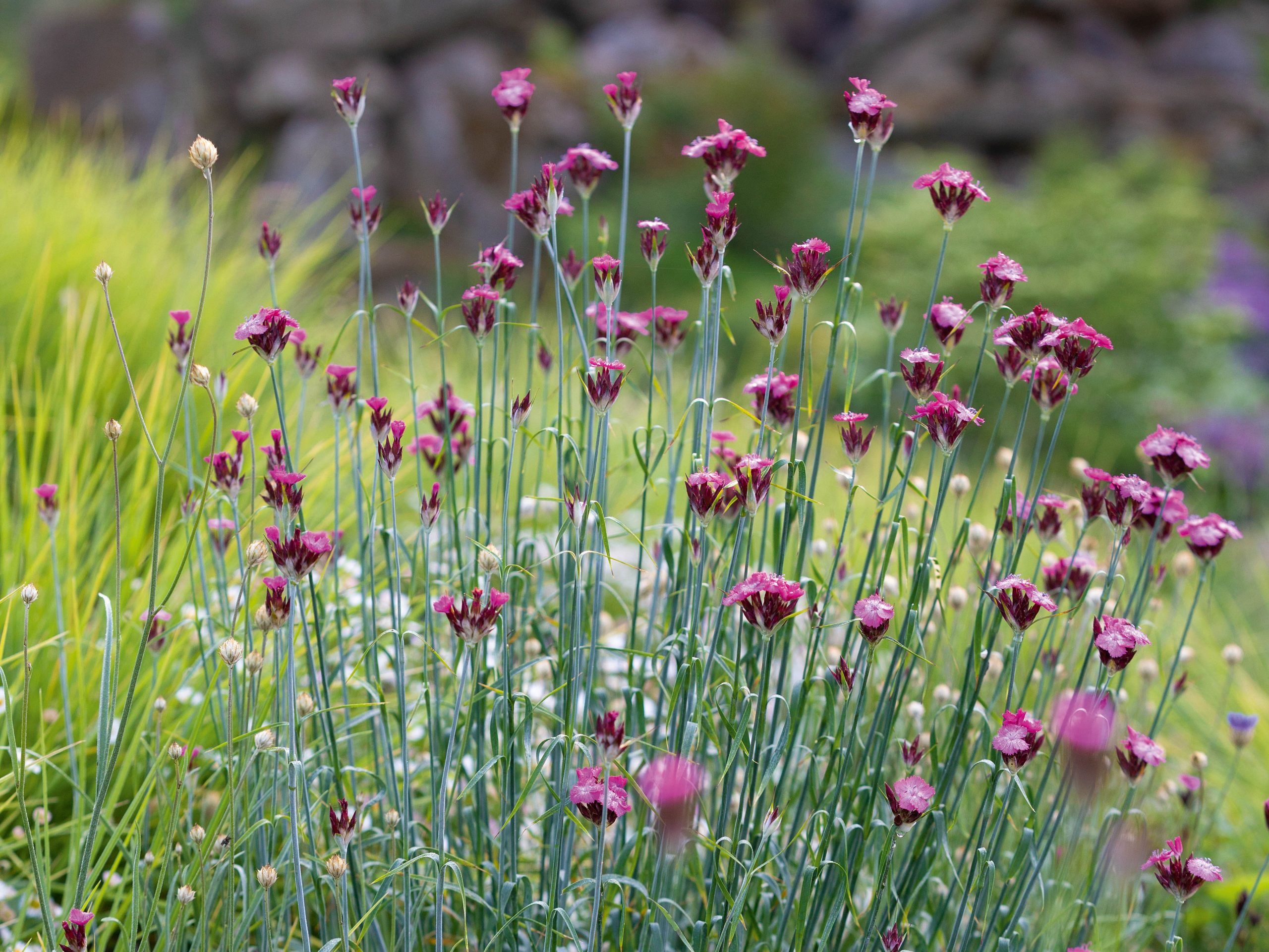
The late Nigel Dunnett called this “a real go-to plant for dry meadow and steppe plantings”. It produces small magenta flowers on tall, slender stems over several months and self-seeds if happy. 40cm x 30cm. RHS H7, USDA 5a-10b. Read more on growing dianthus.
Heptacodium miconioides
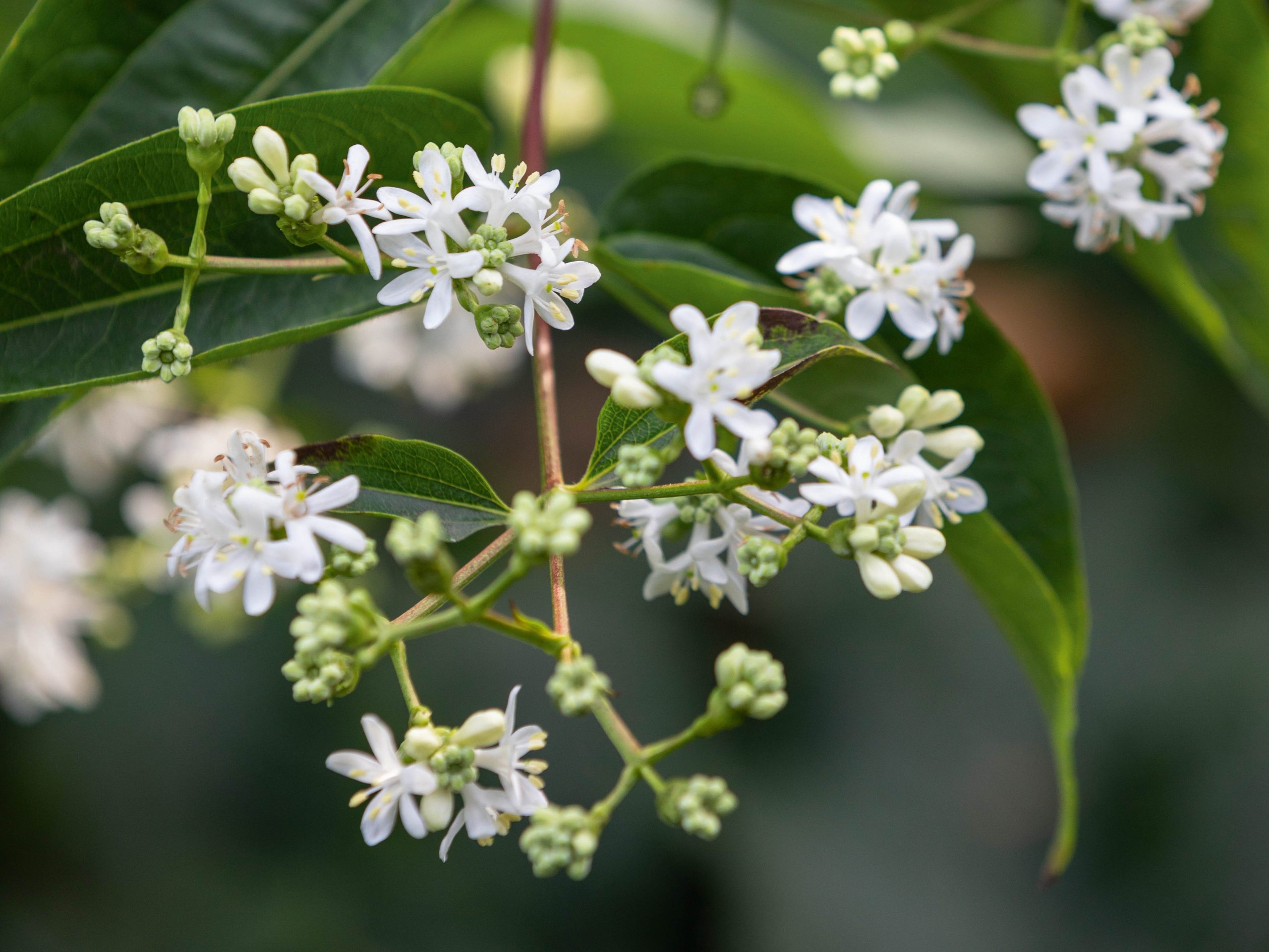
“Looks like tree, but is actually a shrub,” says designer Jane Houghton. “It brings strong structure and
year-round interest, with fragrant late flowers, autumn fruit and beautifully textured, peeling bark. It always catches the eye.” 6m x 4m. AGM. RHS H7, USDA 5a-9b.
You may also like
Aralia elata
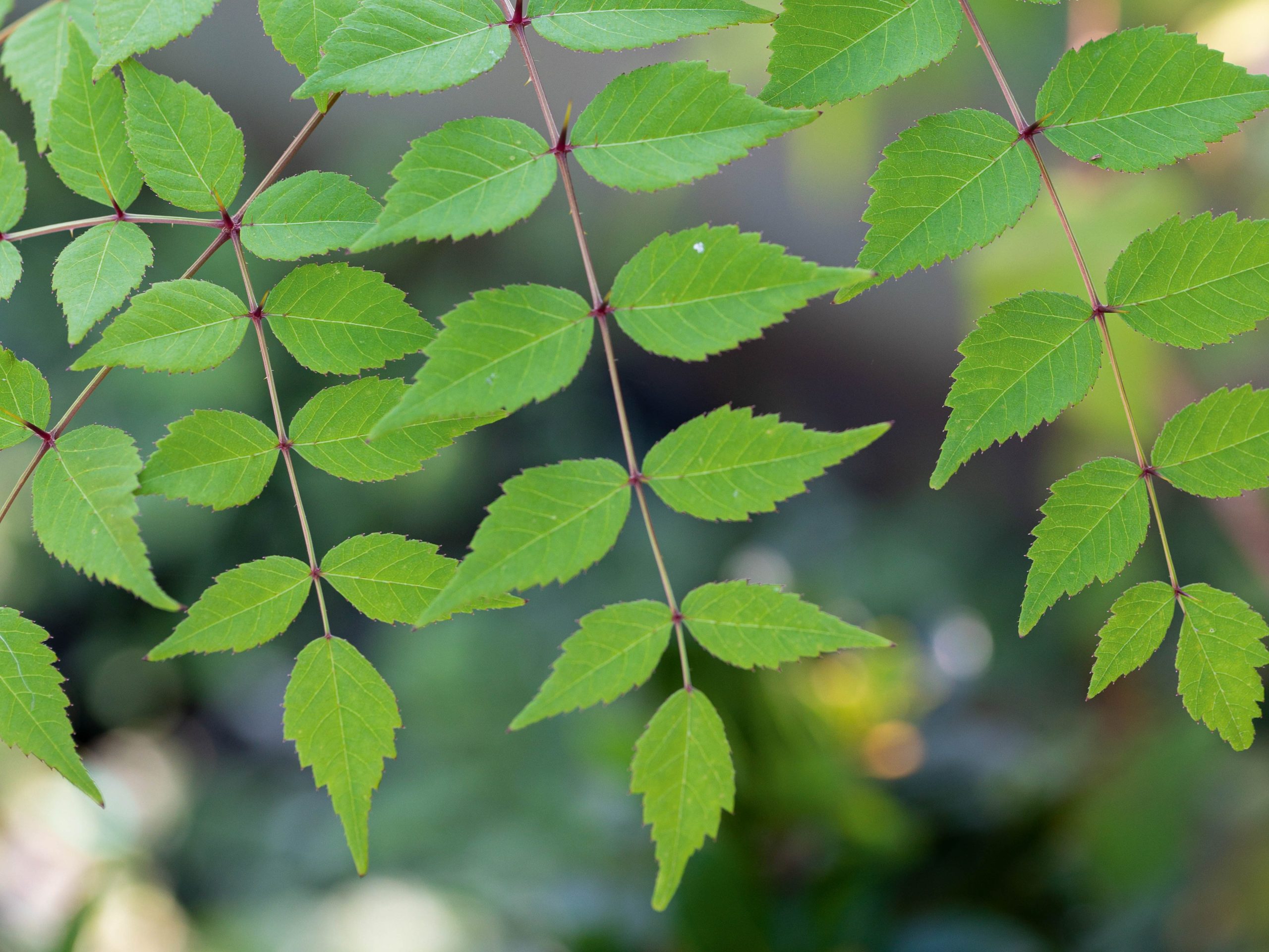
“The skinny stem makes for a great space-saver, yet creates a gentle, arching canopy, creating a sense of lightness combined with a bold presence,” says designer Karen McClure. 8m x 8m. RHS H5, USDA 4a-9b.
Althaea cannabina
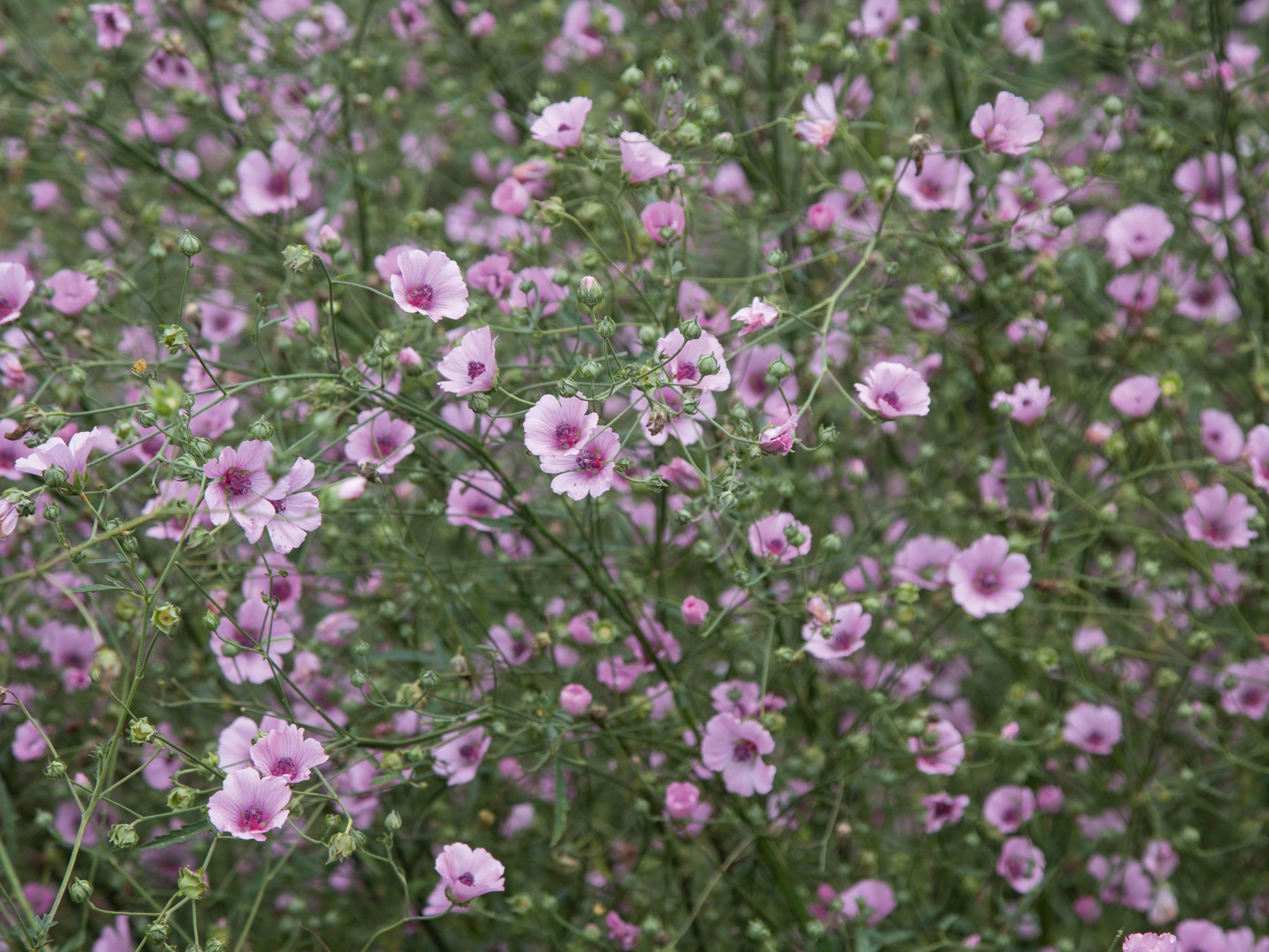
“Almost too pretty, with hollyhock-like, rose-pink flowers widely spaced on narrow, willowy stems,” says
Sarah Price. Airy drifts of this meander through Knepp’s Rewilded Garden. Moist but well-drained, moderately fertile soil; full sun to part shade. 2m x 1m. RHS H7, USDA 4a-8b.
Papaver dubium subsp. lecoqii
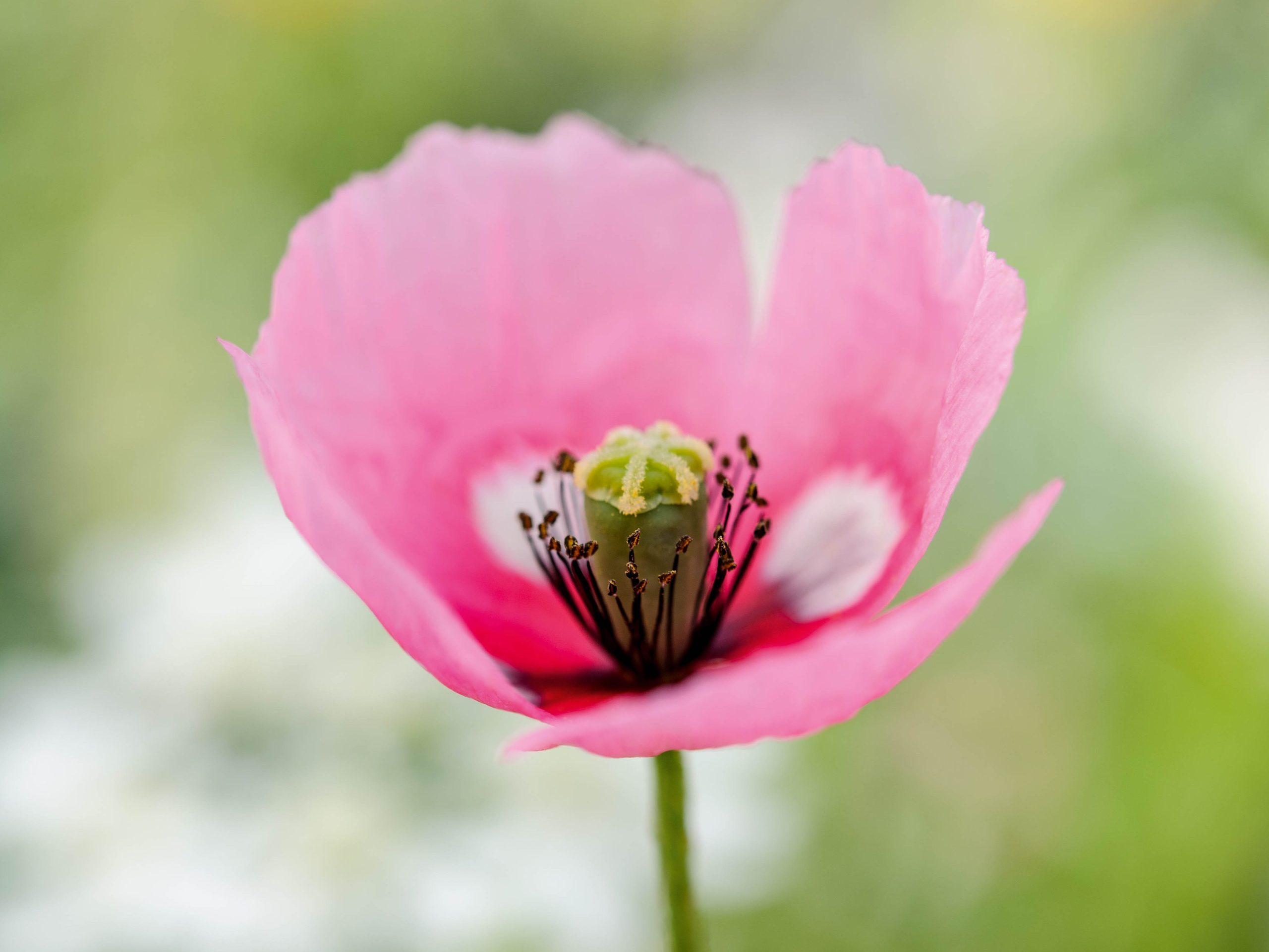
A familiar sight at Great Dixter, where it is fondly known as ‘Beth’s poppy’, as seeds were sourced from Beth Chatto’s garden. “Luminous in sunshine, its clear-pink petals float just above the fresh growth of early summer,” says Sarah Price. Best sown direct. 60cm x 30cm. RHS H4, USDA 6a-9b.
You may also like
Mahonia eurybracteata subsp. ganpinensis ‘Soft Caress’
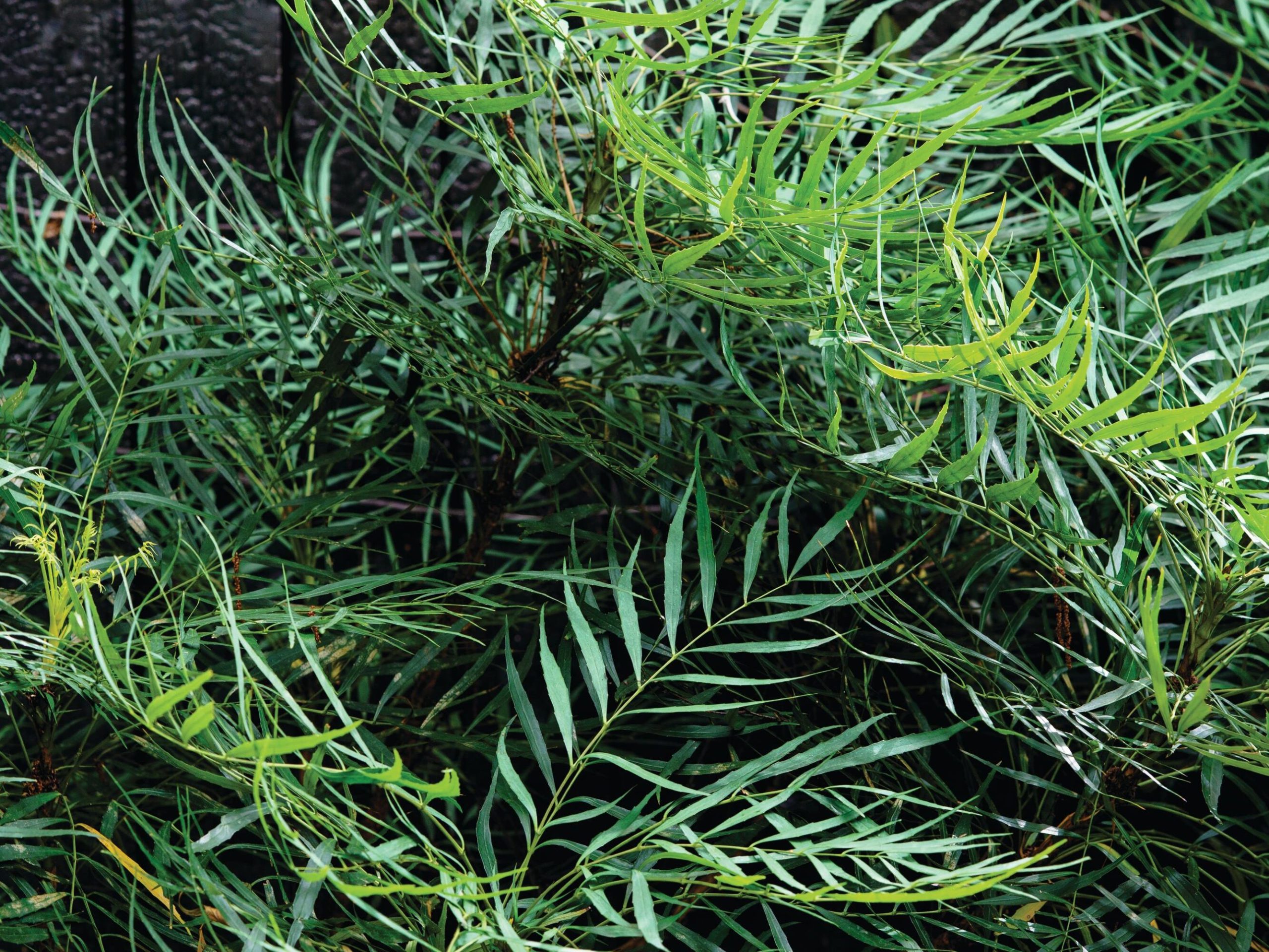
“Unlike most mahonias, this compact, ferny evergreen has no prickly spines,” says Declan Buckley. He grows it for its foliage; the yellow summer flowers and blue berries are a bonus. 1.2m x 1.5m. RHS H4, USDA 7a-10b.
Tulipa sprengeri
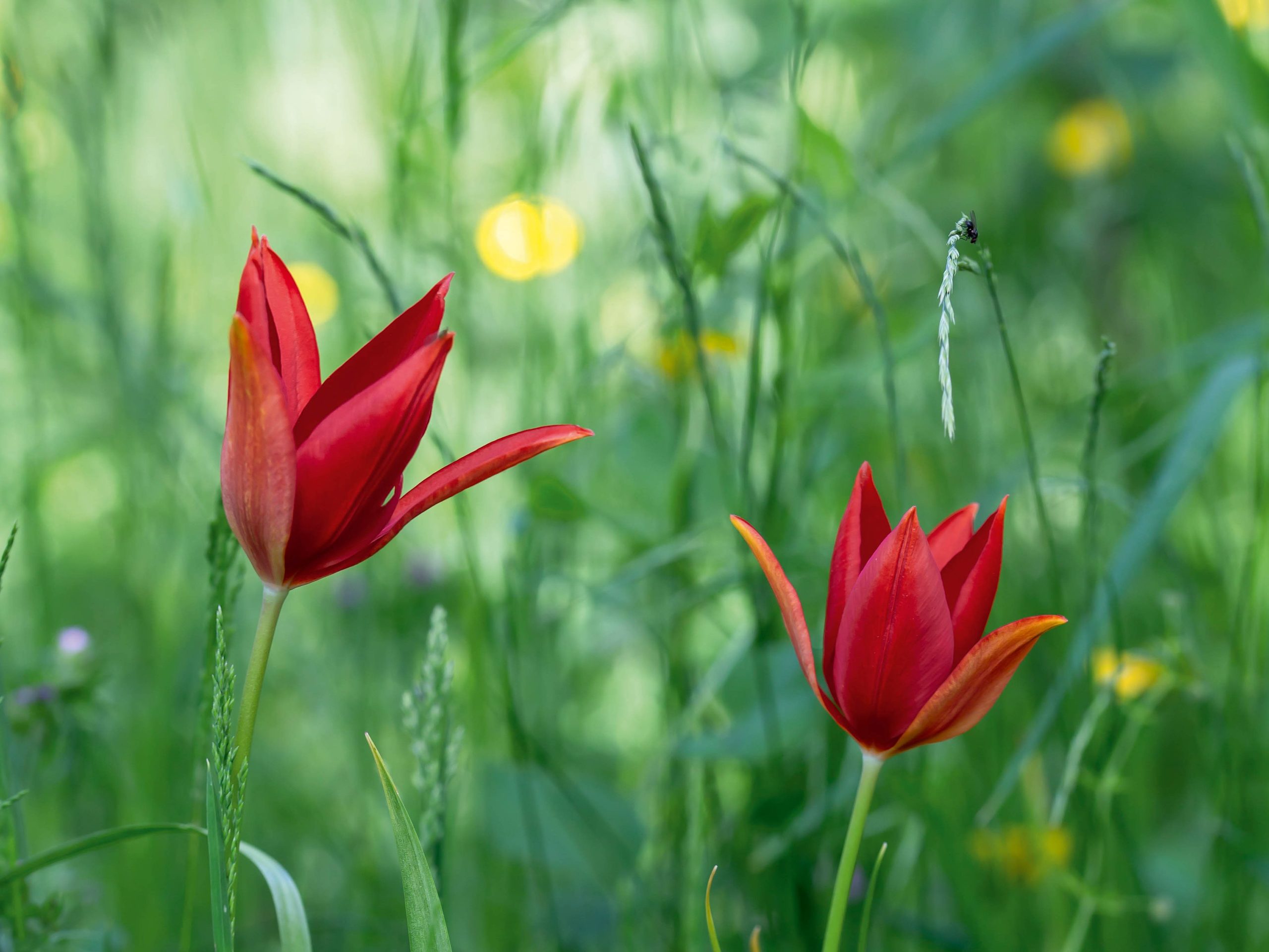
“This elegant species tulip flowers into June with a brazen scarlet and a hint of gold,” says Charlotte Harris. “It is breathtaking when it naturalises and drifts.” The seedheads are attractive, too.
Moist soil, full sun to part shade. 40cm x 10cm. AGM. RHS H6, USDA 3a-8b.
Aruncus ‘Horatio’
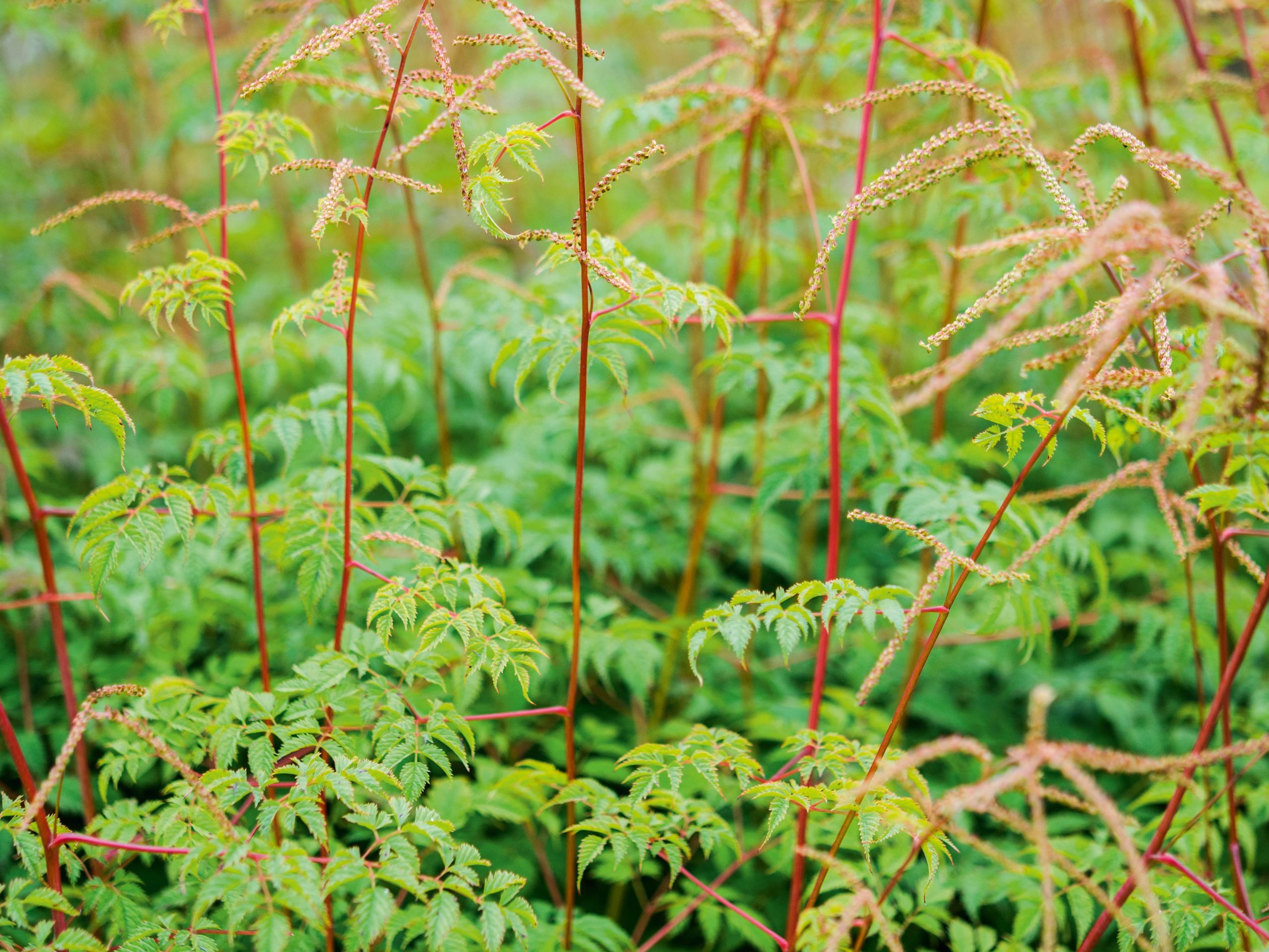
“Graceful spikes of creamy flowers on red stems light up shady spaces,” says Charlotte Harris. “In autumn, these hold their structure well, becoming deliciously biscuity, while the ferny foliage turns a spectacular coral-red. Best planted in groups.” Moist soil; full sun to part shade. 1.2m x 50cm. RHS H6, USDA 4a-9b.
Sesleria autumnalis
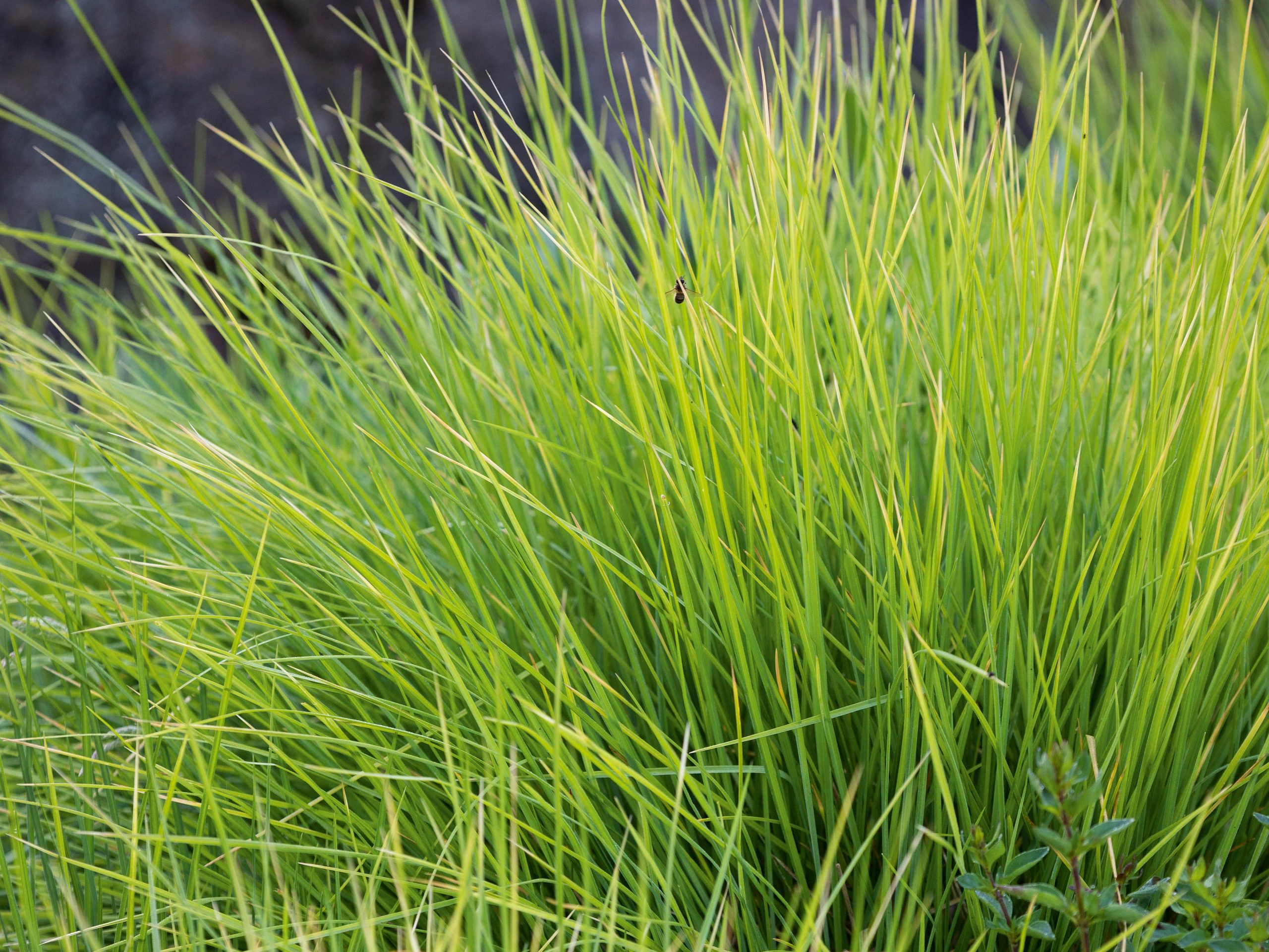
Masses of silver-grey plumes bring movement to borders. Widely used in the Oudolf Field at Hauser & Wirth and popular with designers including Stefano Marinaz. A good front-of-border plant. 1m x 60cm. AGM. RHS H7, USDA 5a-8b.
Lilium ‘Claude Shride’
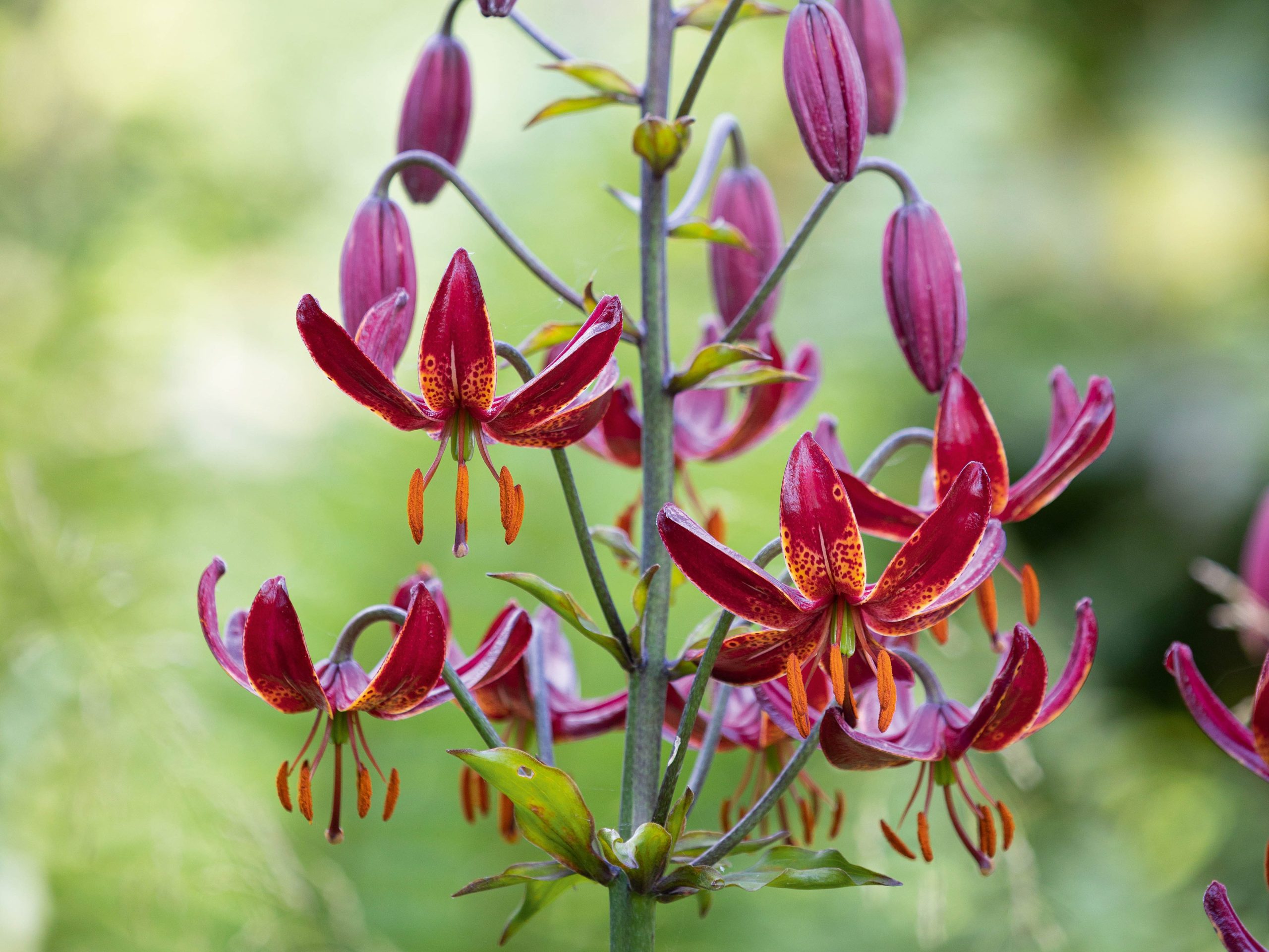
A great summer flower for shady borders. “An exotic-looking, mahogany-red Turk’s cap hybrid lily,” says Susanna Grant. “It’s also perfect for big pots with a flounce of Hakonechloa macra at its base.” 1m x 30cm. RHS H6, USDA 3a-8b.
- Read more about Susanna's recommended plants for shade.
Rosa glauca
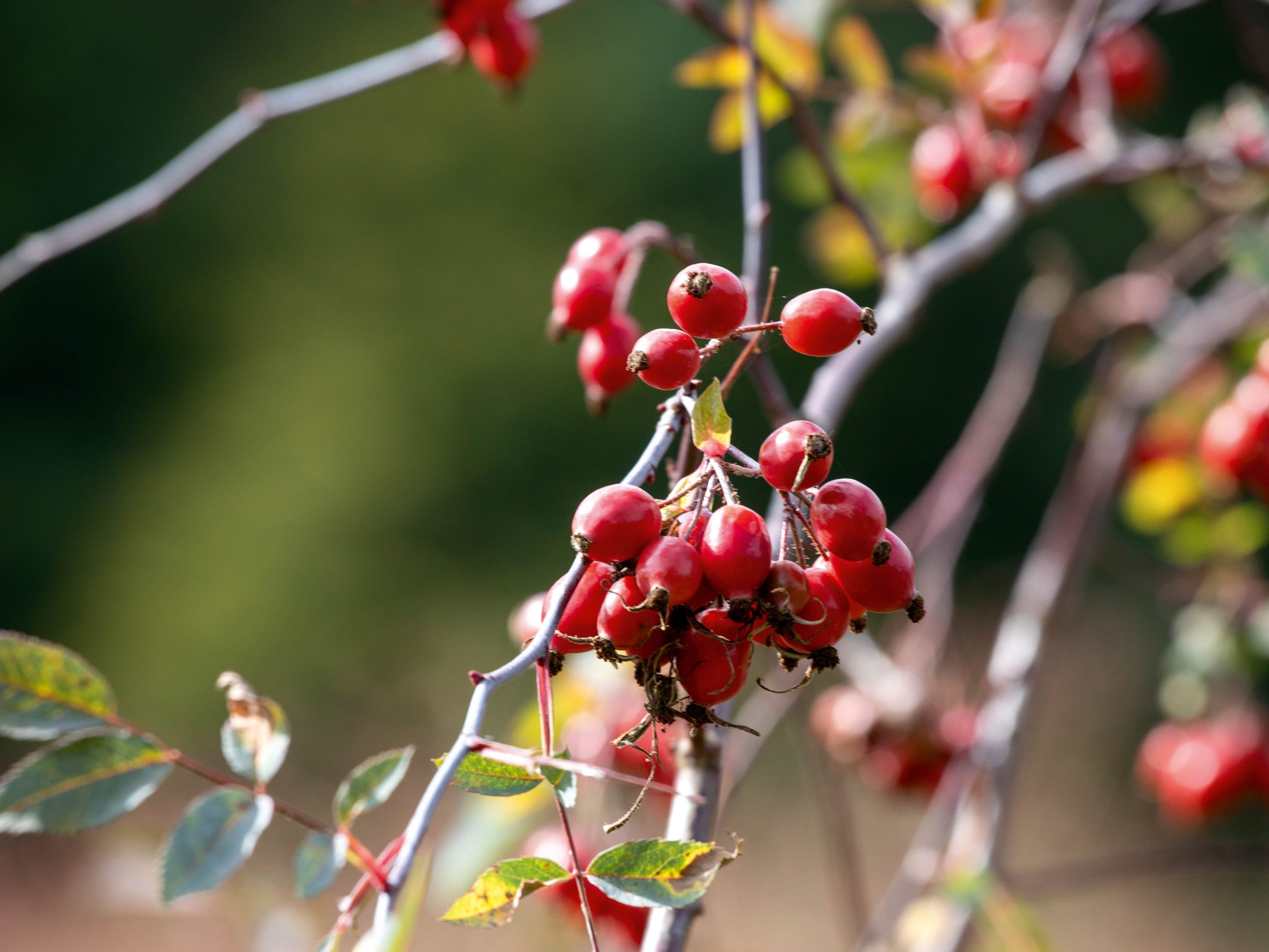
“Has the look of a wild rose while having a good, manageable character,” says Charlotte Harris. The glaucous foliage on red stems is followed by hot-pink flowers; jewel-like red hips complete the show in autumn. Perfect for a naturalistic garden. 1.8m x 1.5m. AGM. RHS H7, USDA 2a-8b.
- Read more about the best roses for hips.
Amsonia hubrichtii
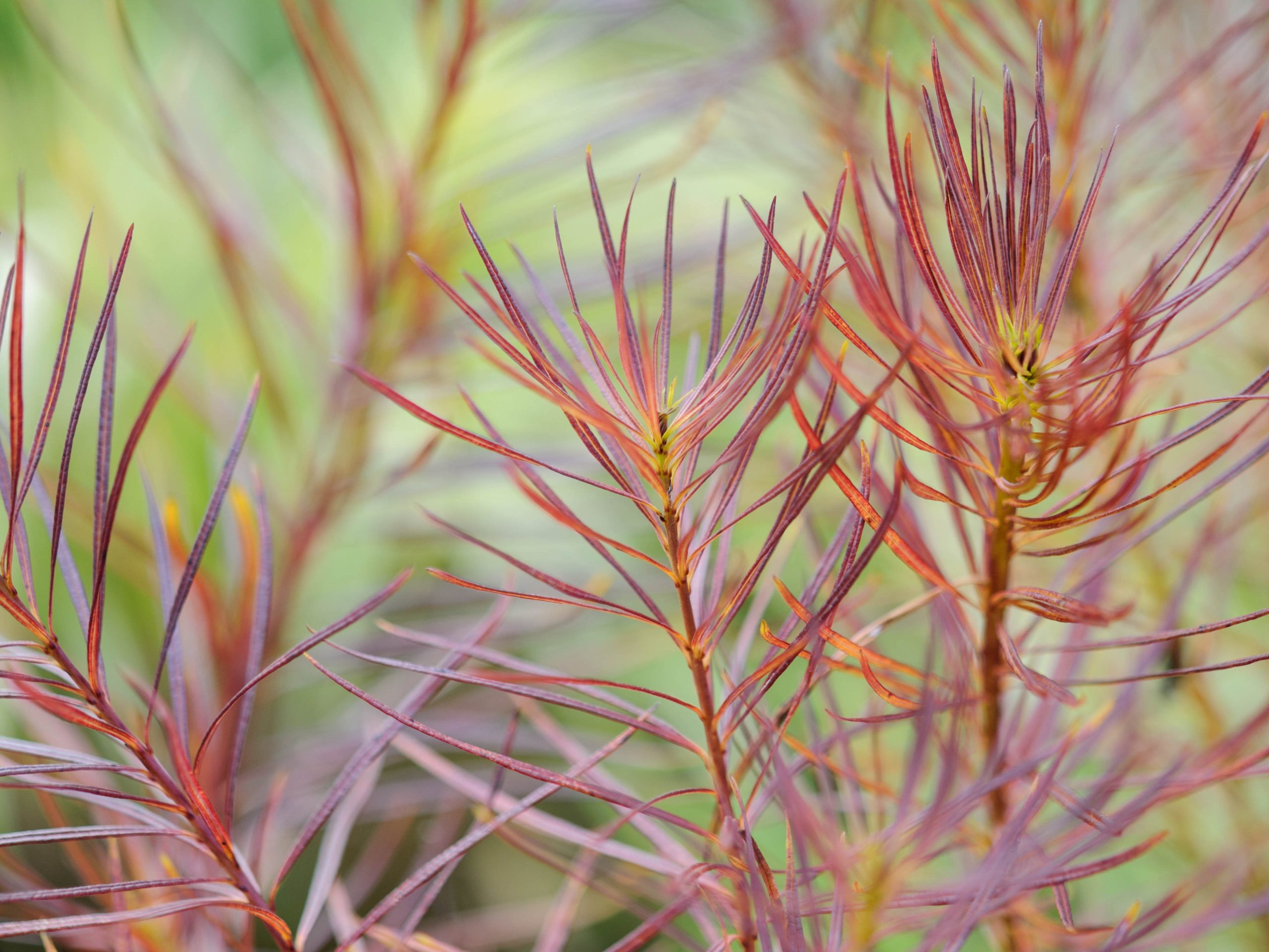
“The spring flowers are an inky blue and very attractive, but I grow this more for the foliage, which is fine and feathery, and colours up a warm-gold in autumn,” says Tom Stuart-Smith. Moist, well-drained soil; full sun or light shade. 1m x 50cm. RHS H7, USDA 5a-8b.
Euphorbia mellifera
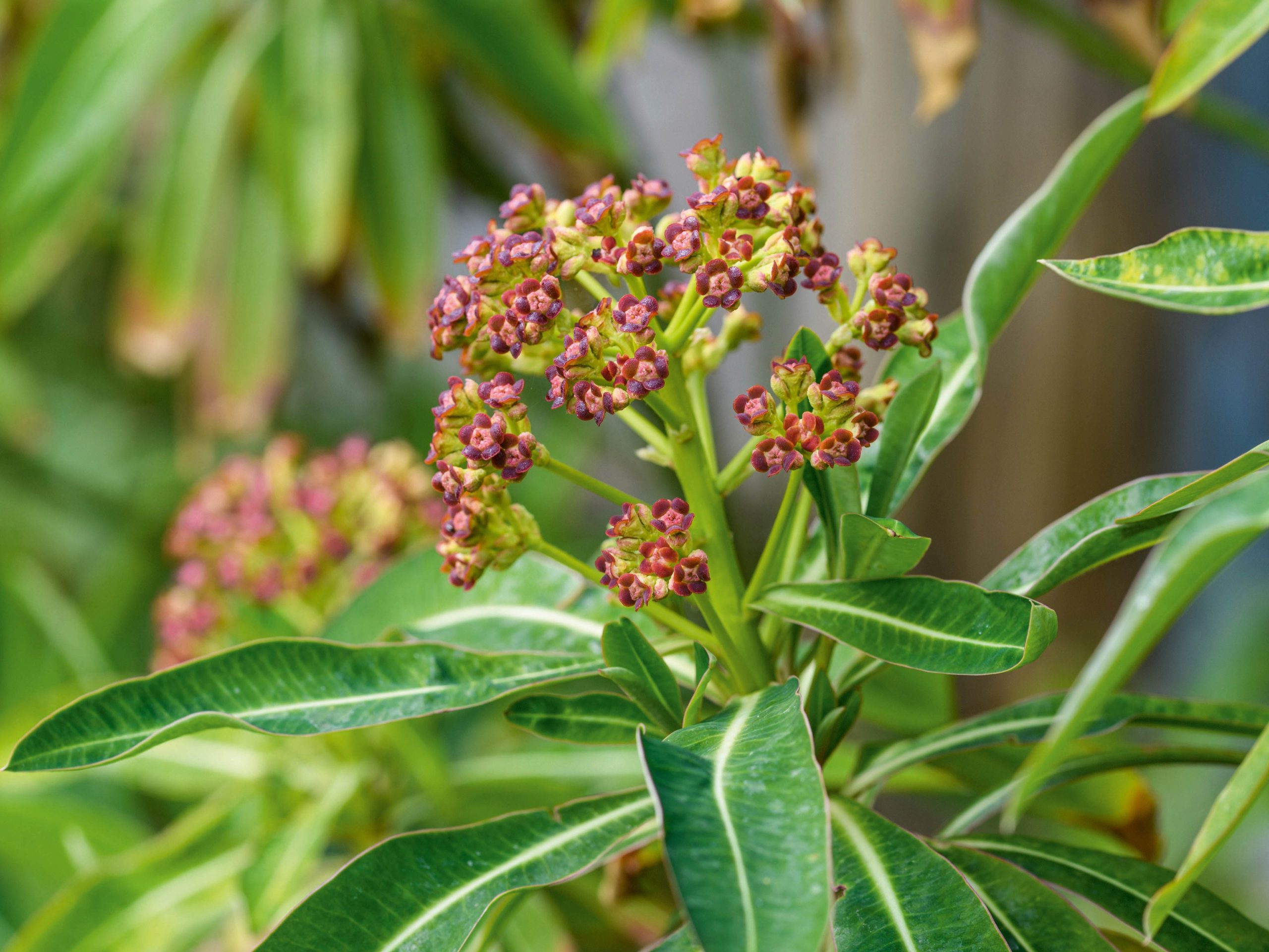
“A large shrub, needing space and a sunny spot, preferably in a milder location,” says designer Rosie Wilkins. “In the right setting, it brings a fun, slightly tropical feel to a garden. Not to mention the honey scent, which you can almost taste.” 2m x 2m. AGM. RHS H3, USDA 9a-11.
Digitalis ferruginea
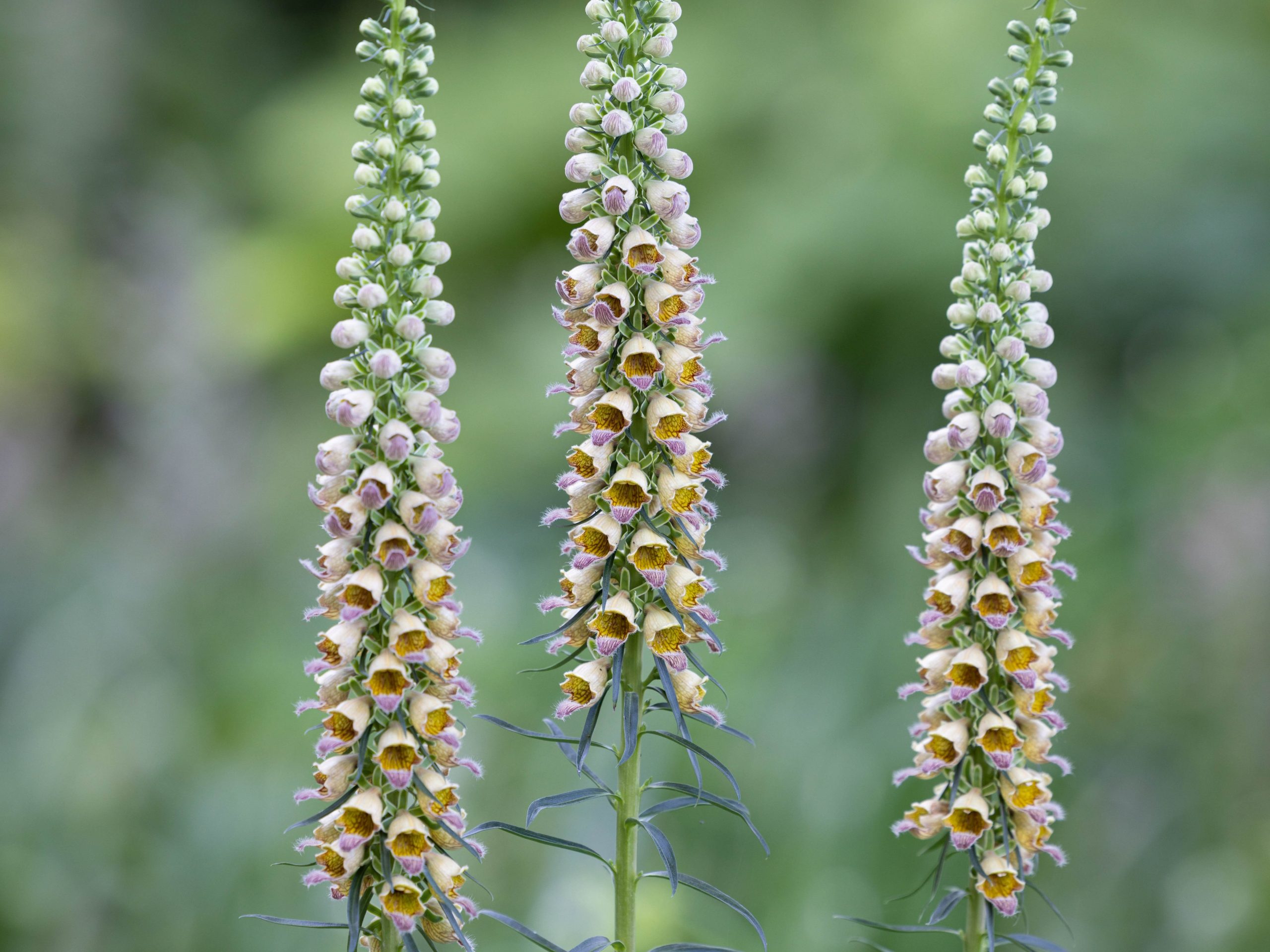
Dan Pearson says this rusty foxglove makes “perfect verticals of bee-laden spires when in full July flower”. He also loves the dark seedheads in winter. A biennial or short-lived perennial, it seeds about in open ground where there is sun. Free-draining soil; full sun to shade. 1-1.5m x 30cm. AGM. RHS H6, USDA 4a-8b.
Oenothera stricta ‘Sulphurea’
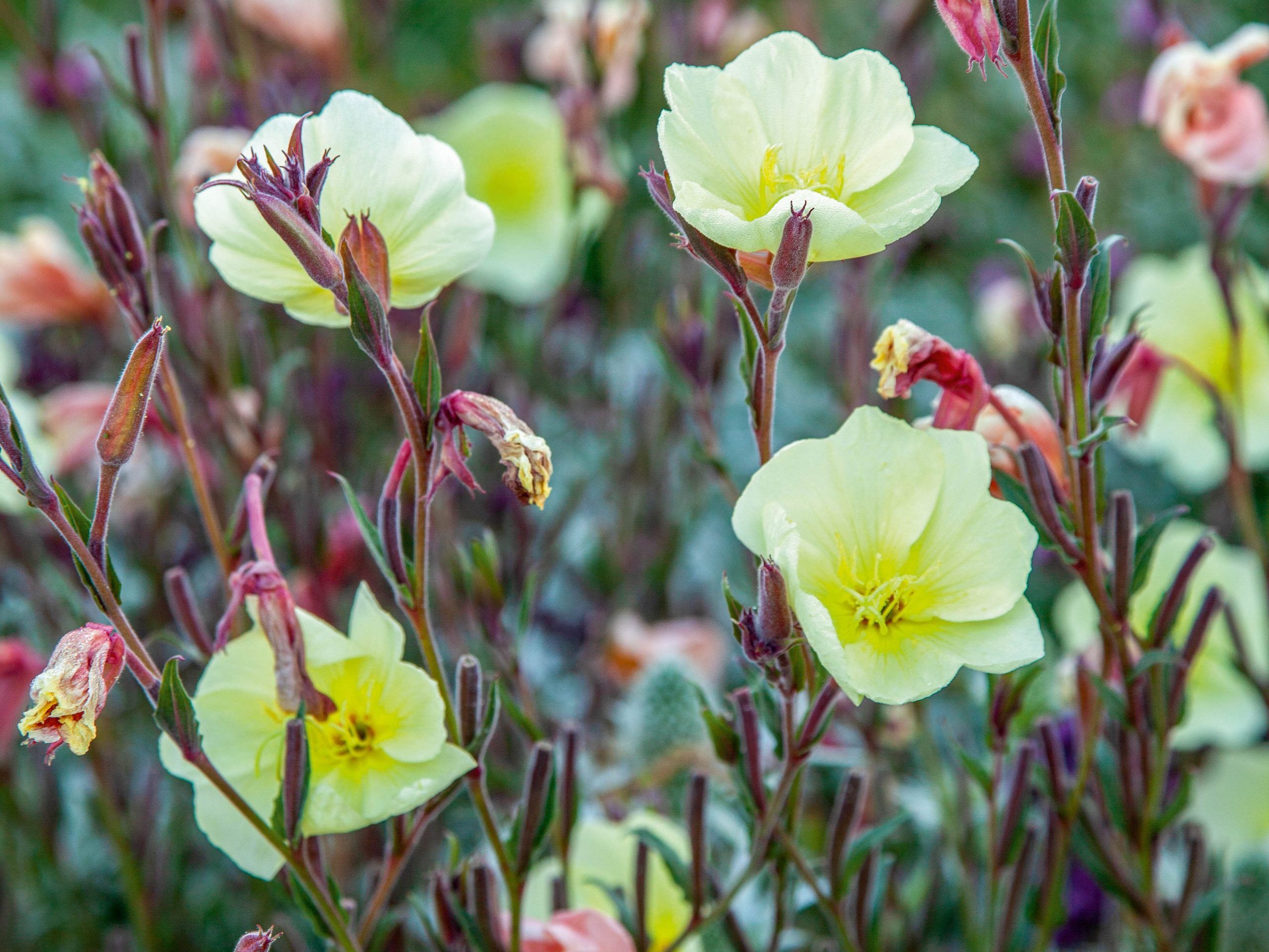
Dan Pearson has allowed this evening primrose to naturalise on the edge of dry plantings in his own garden. “It has coppery foliage, reddish buds and pale-yellow flowers that open in the evening and last until early morning, when they turn apricot as they fade.” A short-lived perennial, it is happiest in open conditions, where it will seed prolifically but is easily weeded out. 75cm x 30cm. RHS H5, USDA 4a-9b.
Nepeta govaniana
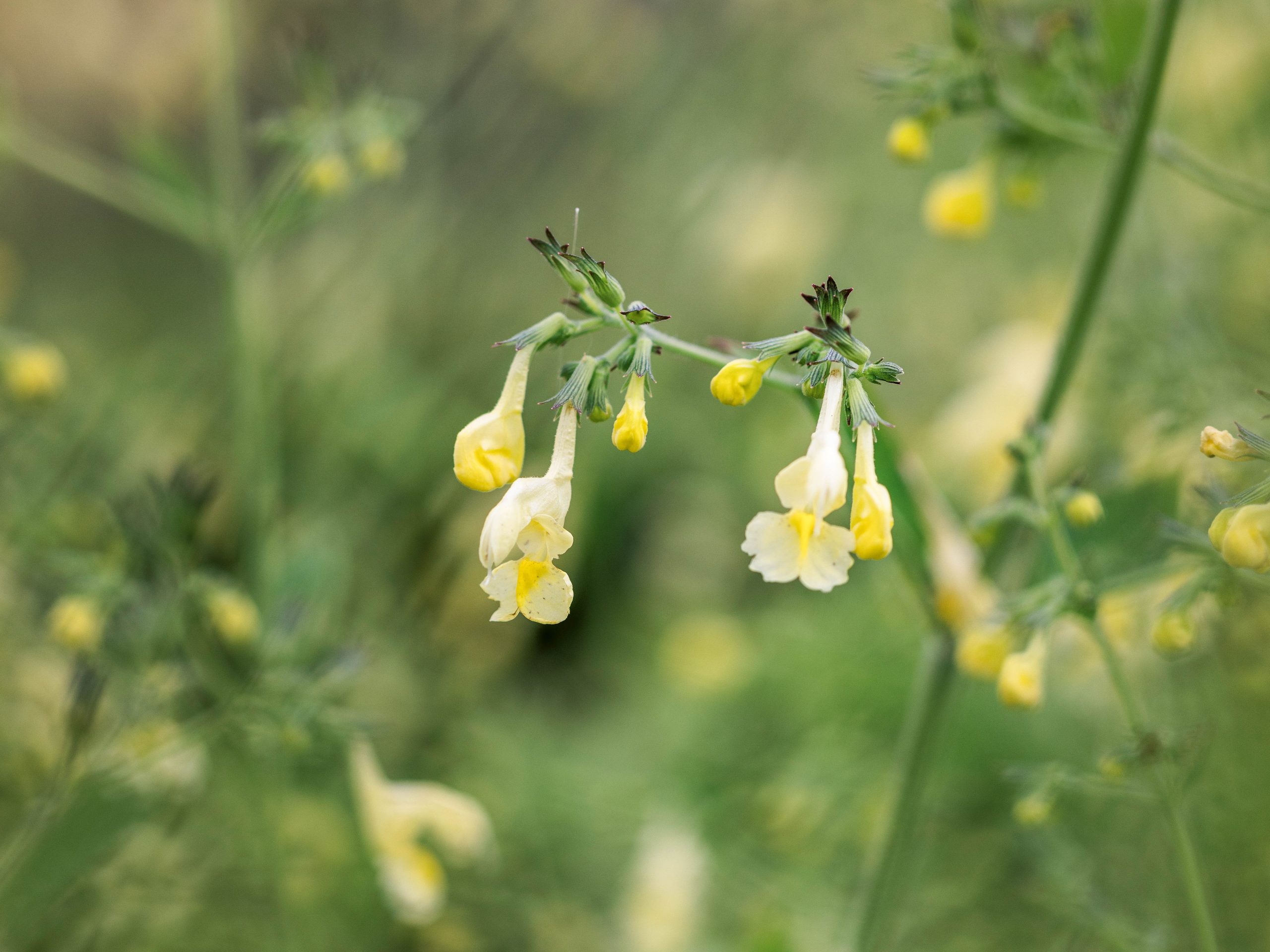
Unlike the rest of the genus, this long-flowering catmint (Nepeta) has lemon-coloured flowers and thrives in cool climates with damp and retentive soils. Much loved by designers, along with the ubiquitous Nepeta ‘Walker’s Low’ and Nepeta ‘Six Hills Giant’ cultivars. 90cm x 60cm. AGM. RHS H6, USDA 4a-7b.
Melianthus major
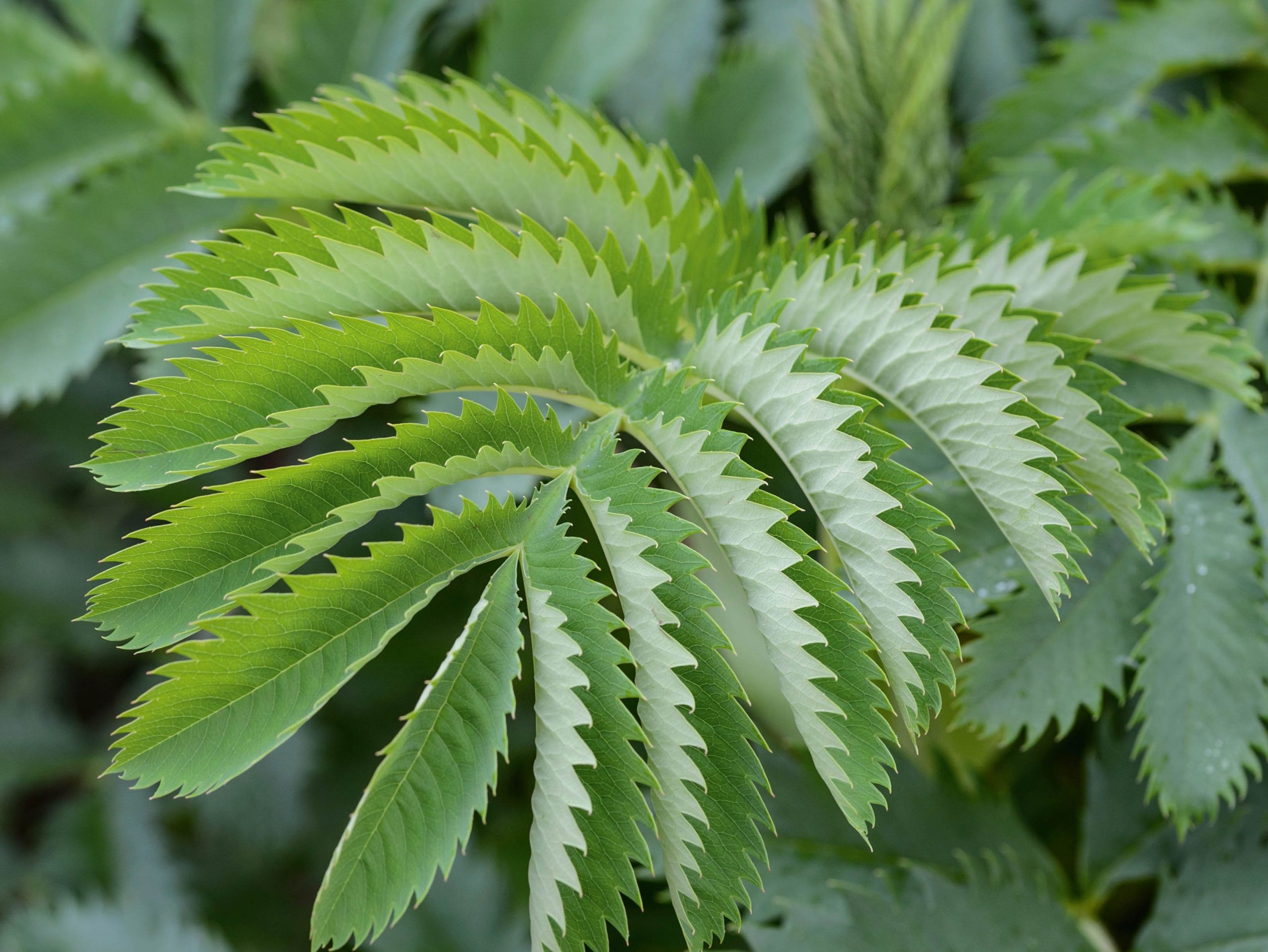
“A surreally exotic foliage plant of considerable drama,” says Dan Pearson. “Frost will tend to devastate it at the turn of the year, but it can re-grow from basal shoots.” 2m x 2m. AGM. RHS H3, USDA 8b-11.
Kirengeshoma palmata
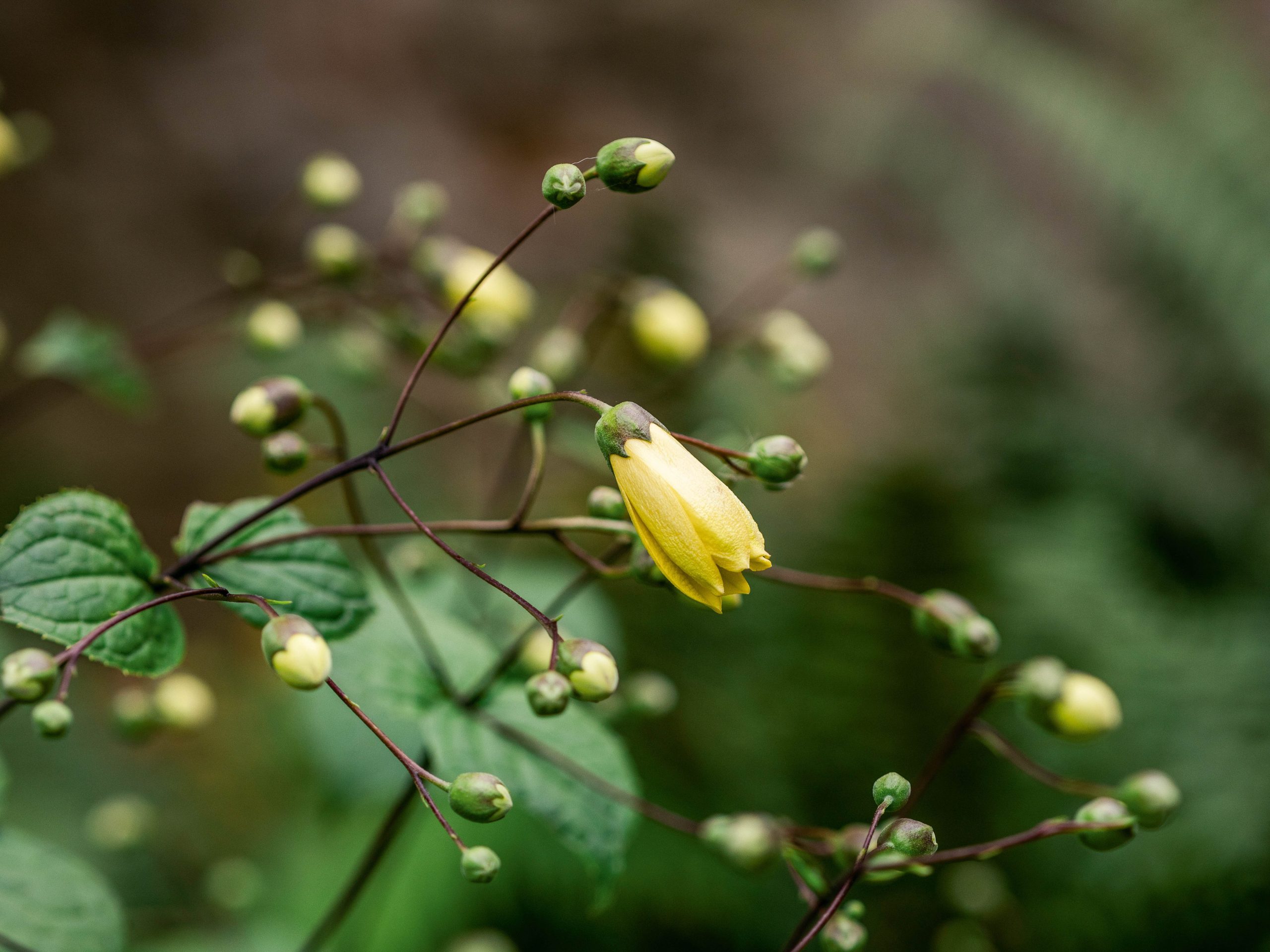
“Its elegant palmate leaves are lovely in their own right, then it delivers the late-season gift of plump
lemon-yellow flowers in woodland and shady spots,” says Charlotte Harris. “It combines well with ferns and Hakonechloa macra.” Moist but well-drained soil. 1m x 75cm. RHS H7, USDA 5a-8b.
Scabiosa columbaria subsp. ochroleuca
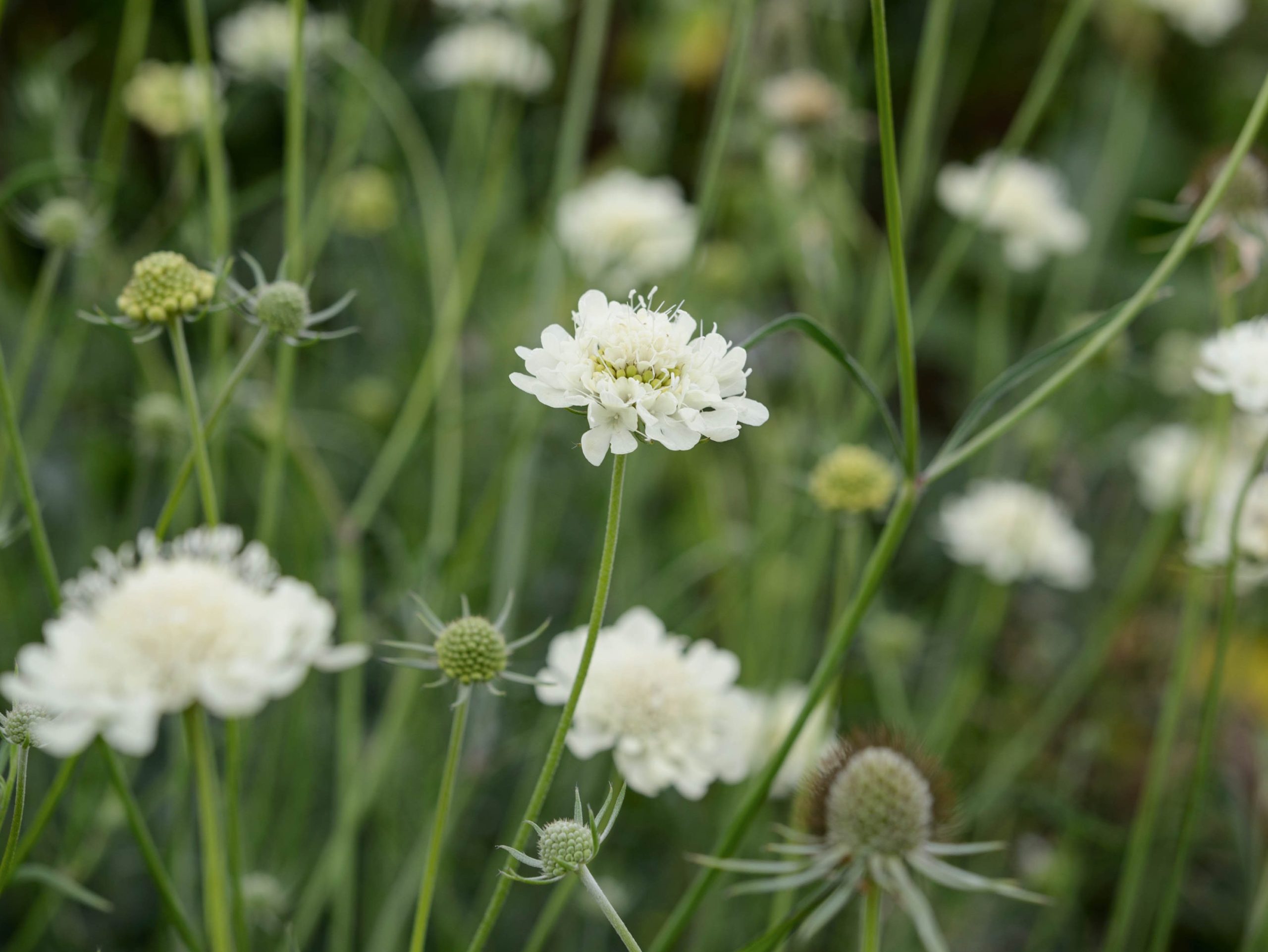
The pale-lemon-yellow pincushion flowers seem to hover on their slender stems, creating an airy effect. Mary Keen says it is great for binding different plants together. 75cm x 75cm. RHS H5, USDA 5a-9b.
Galium odoratum
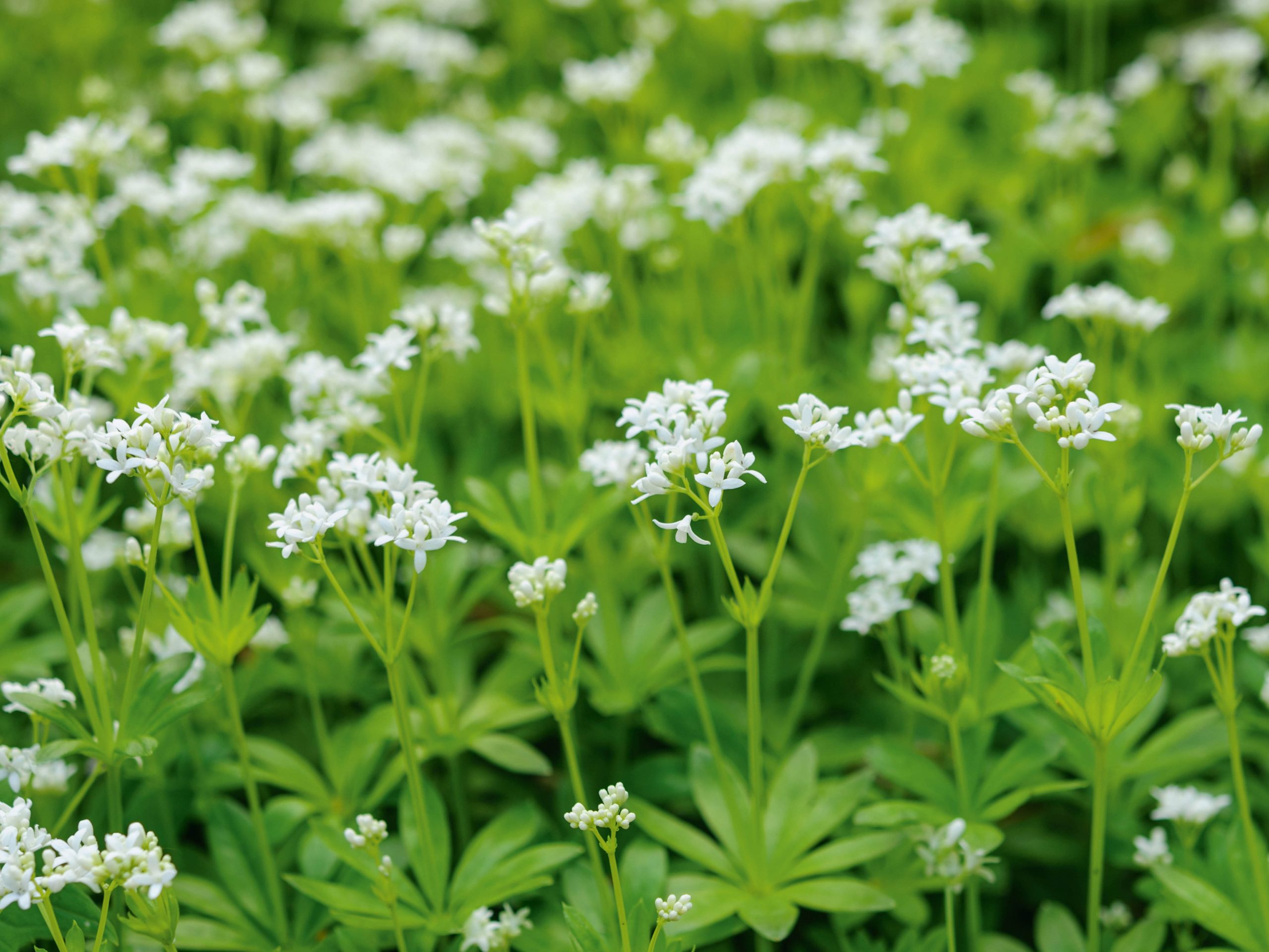
Beautifully textured and scented ground cover for a semi-shaded planting scheme. “Creates the ideal stage for more dominant plants,” says Adolfo Harrison. 30cm x 1m. RHS H7, USDA 4a-8b.
Sporobolus heterolepis
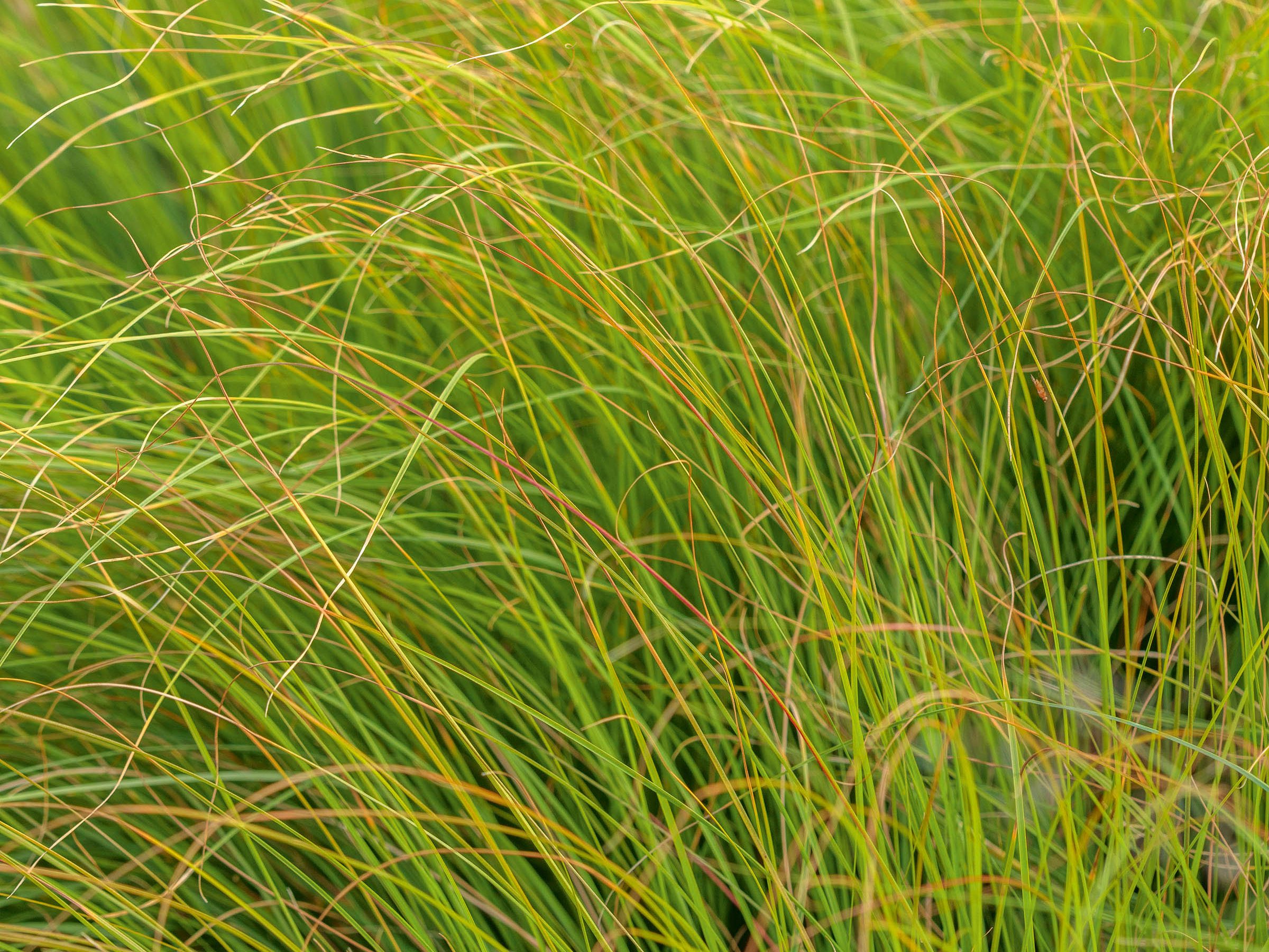
This Piet Oudolf favourite grass has its own verb – ‘sporobolise’. According to designer Noel Kingsbury, the verb was coined by staff at the NY Botanic Garden Native Plant Garden to describe how the use of Sporobolus heterolepis appears to stabilise many plantings, as it is an effective long-term occupier of space but does not compete seriously with other perennials, and visually forms an attractive dominant element over a long period." 90cm x 90cm. RHS H7, USDA 3a-9b.
Gillenia trifoliata
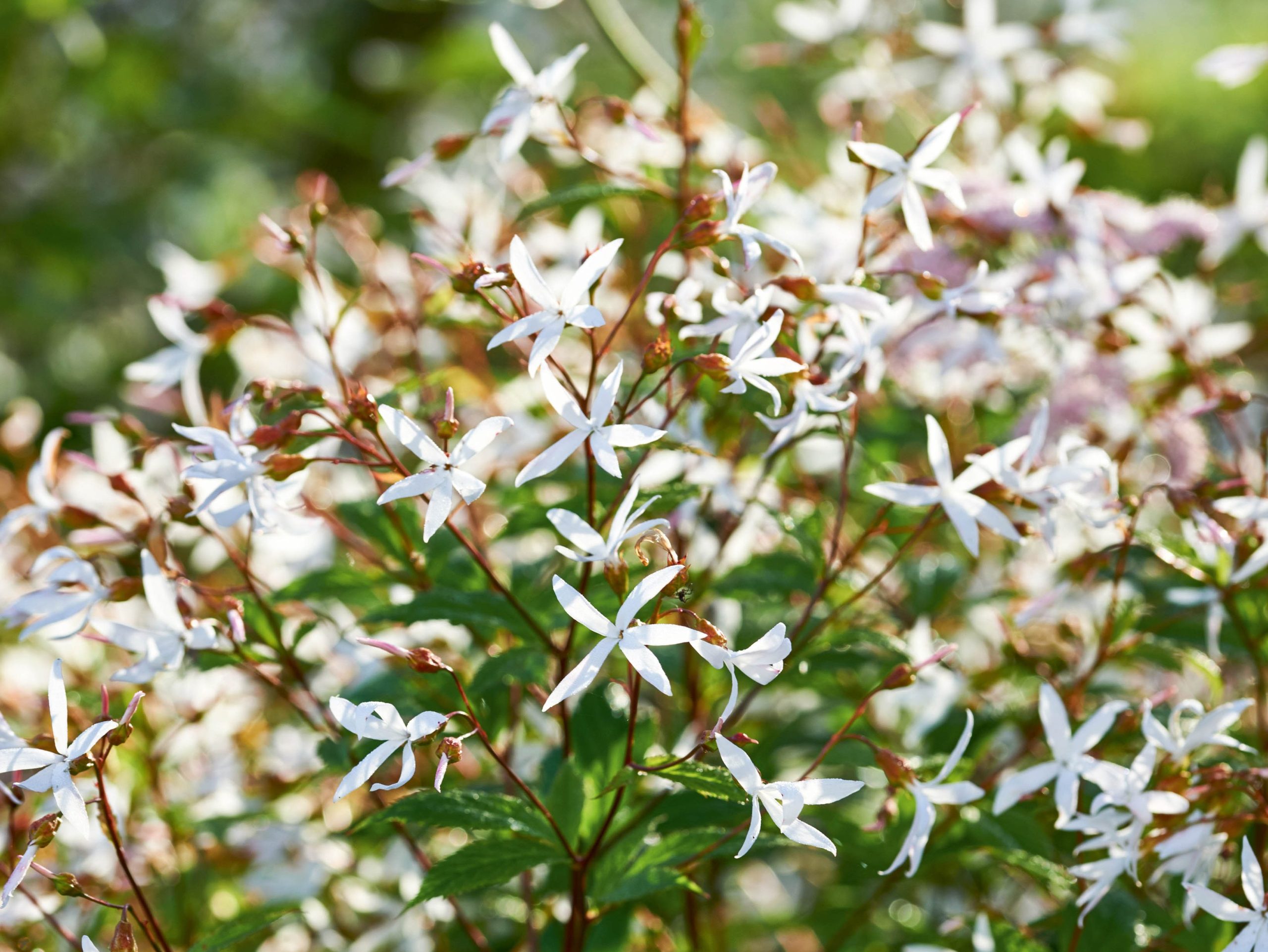
Airy white flowers float above delicate foliage that turns orange-russet in autumn, with umber seedheads. “Lovely for textural woodland-edge planting, with Iris sibirica or roses,” says Charlotte
Harris. Moist, well-drained soil; part shade. 1m x 60cm. AGM. RHS H7, USDA 4a-9b.