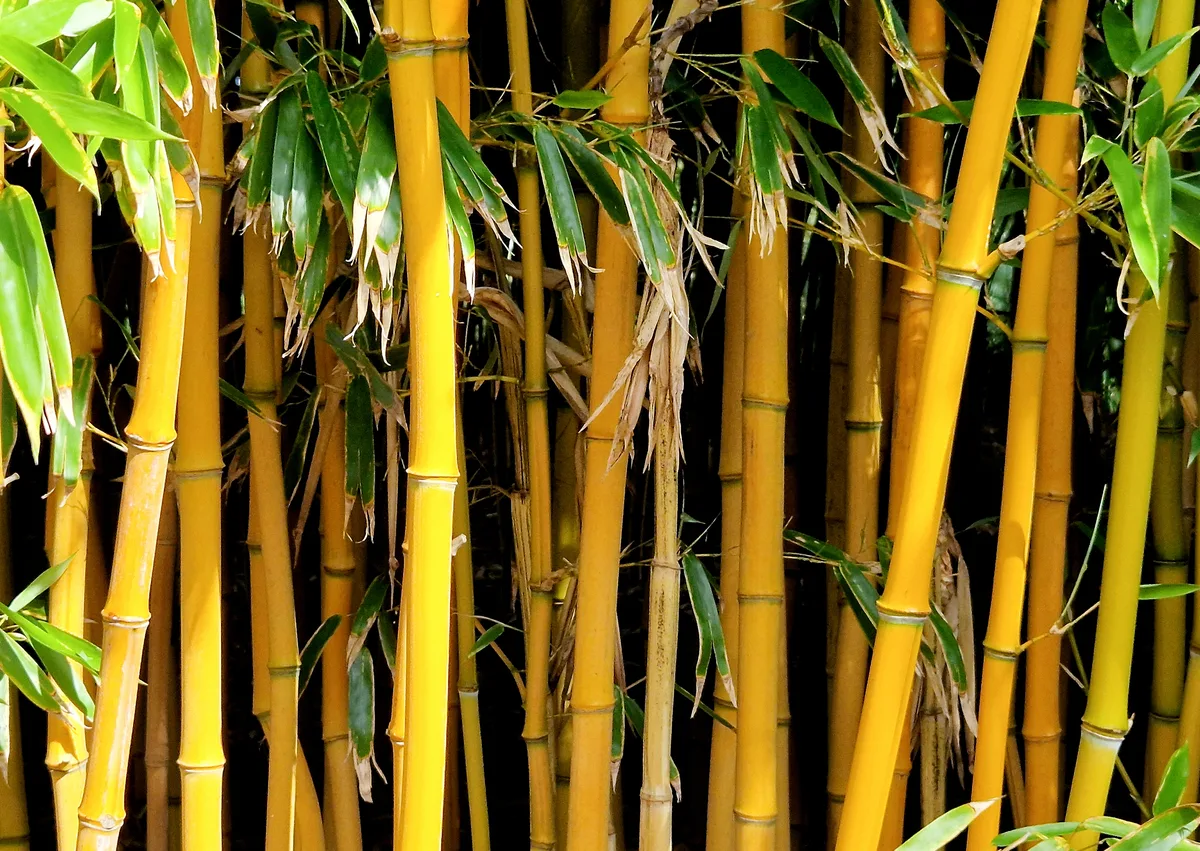
In our gardens bamboo offers a sublime solution for those in need of evergreen screening with immediate impact, providing height, texture and movement alongside that gentle, hypnotic swish of swaying stems, or culms to address them correctly. And for gardeners wishing to embrace a touch of far-eastern exotica, it sits perfectly within tropically inspired spaces, making an imposing addition, with a kaleidoscope of coloured culms including shades of green, gold, black, red and orange; some are even striped.
Originating from tropical lowlands to cool mountainous regions around the world, including Asia, Africa and the Americas, bamboo is an incredibly diverse genera with an estimated 1,400 to 1,700 species. For tens of thousands of years, we, and our ancestors, have used bamboo as building material, to craft tools and, in recent history, commercial bamboo clothing hit the high street.
You may also like
How bad is bamboo?
Within the world of gardening there are, perhaps, just a handful of plants that evoke true fear. Drop Japanese knotweed or giant hogweed into conversation with others and watch the terror scream in the whites of their eyes, skin paling to ashen white. They’ll likely share a chilling horror story of their own, stoking further the flames of terror. In recent decades, bamboo has similarly been bestowed the mantle of dark horticultural villain, the mere mention of the word ‘bamboo’ sending gardeners, and even the horticulturally uninformed, running desperately towards the hills.
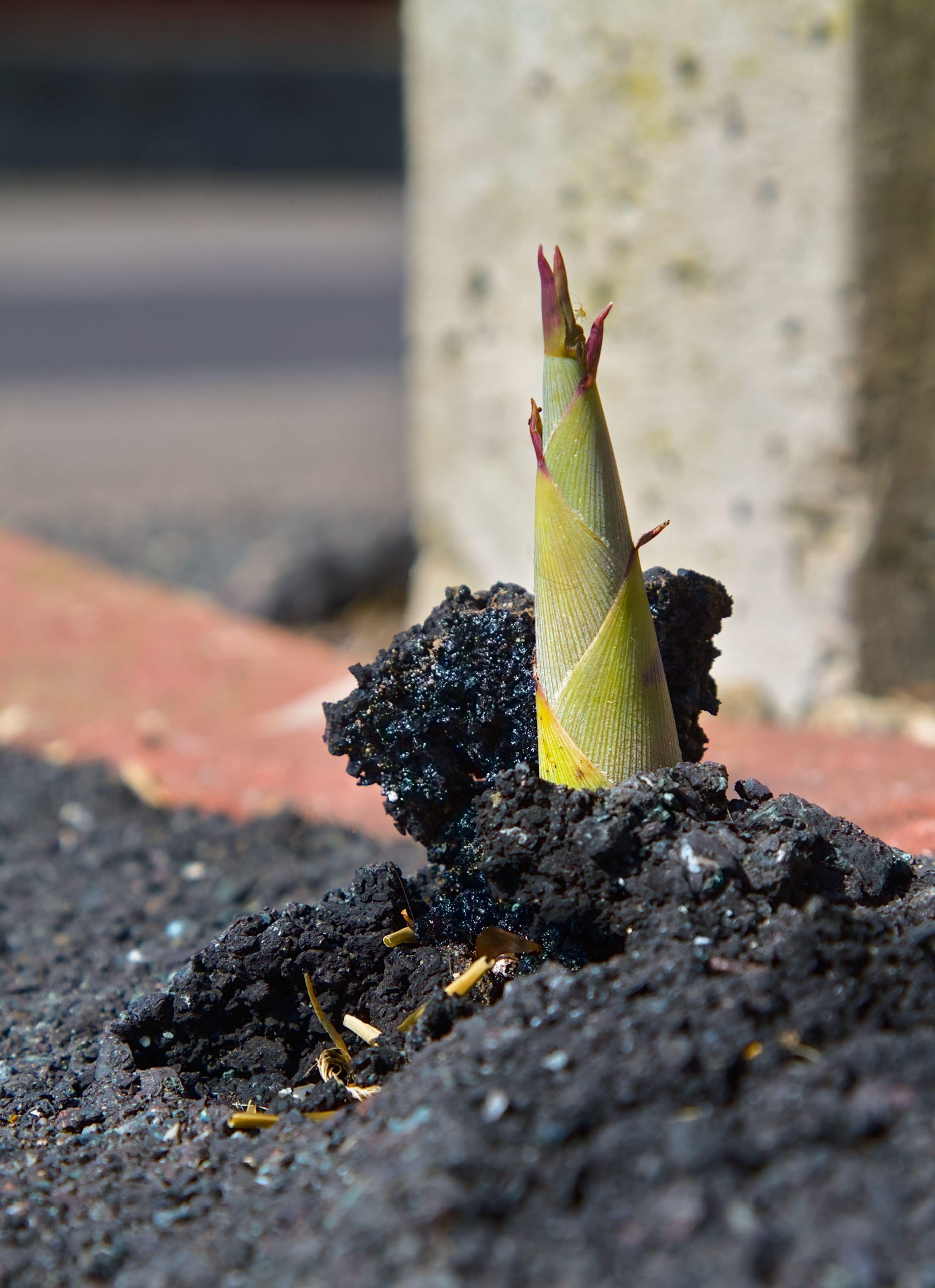
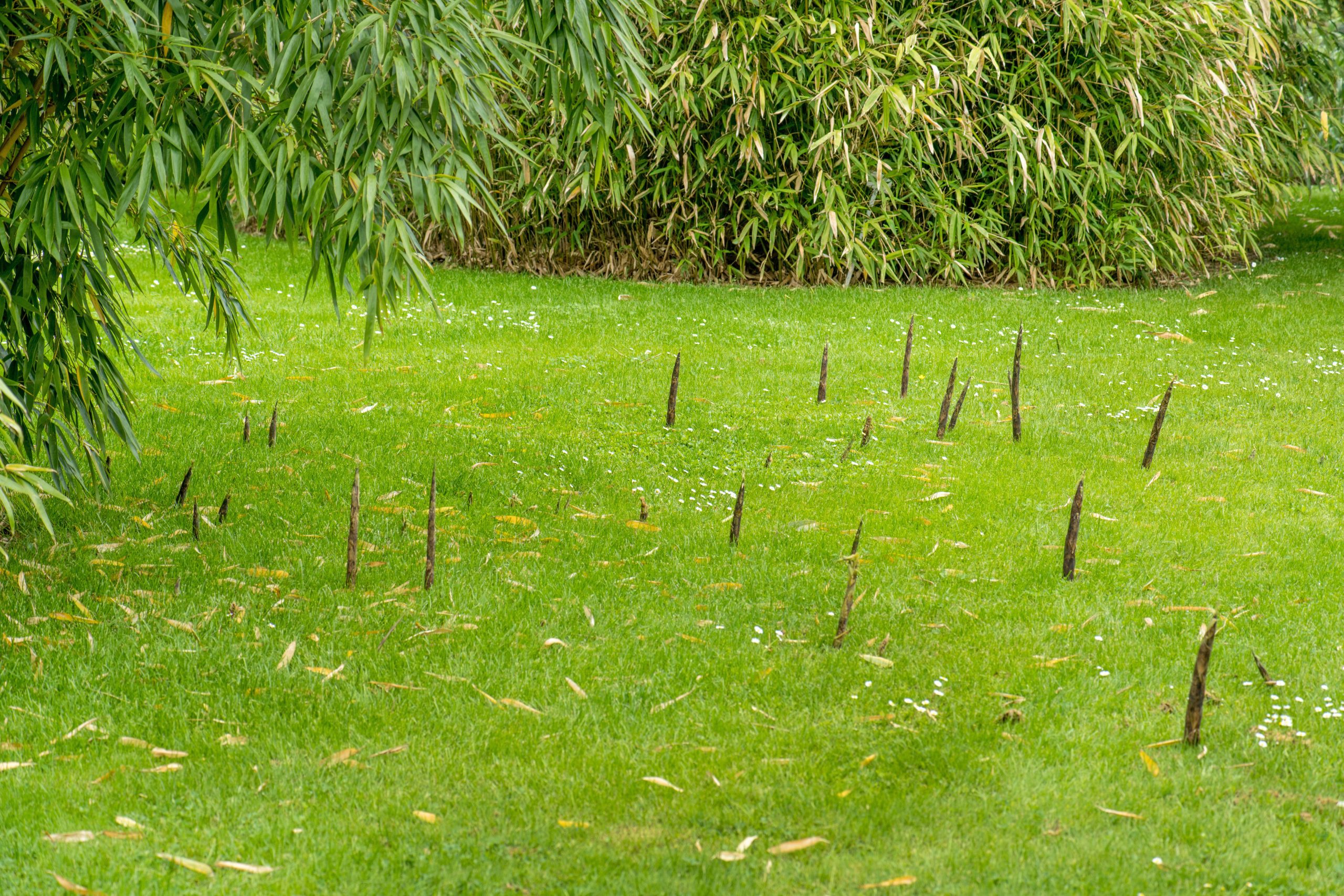
Bamboo is ranked as one of the fastest growing plants on the planet; some species capable of travelling over a metre in a year, making them extremely difficult to control. Horrific tales of invasive, running bamboos, their leptomorphic rhizomes spreading quicker than gossip at the village fair, deservedly earning them the reputation of being the new Japanese knotweed. A homeowner in Cheshire saw her neighbour’s bamboo push up through her paving, and even inside her house, leading to repairs totalling over £100,000. Elsewhere, a house survey resulted in a £14,000 devaluation of the property’s sale price due to the discovery of an invasive bamboo, and, adding insult to injury, cost the frustrated homeowner a tidy £7,500 for its subsequent removal.
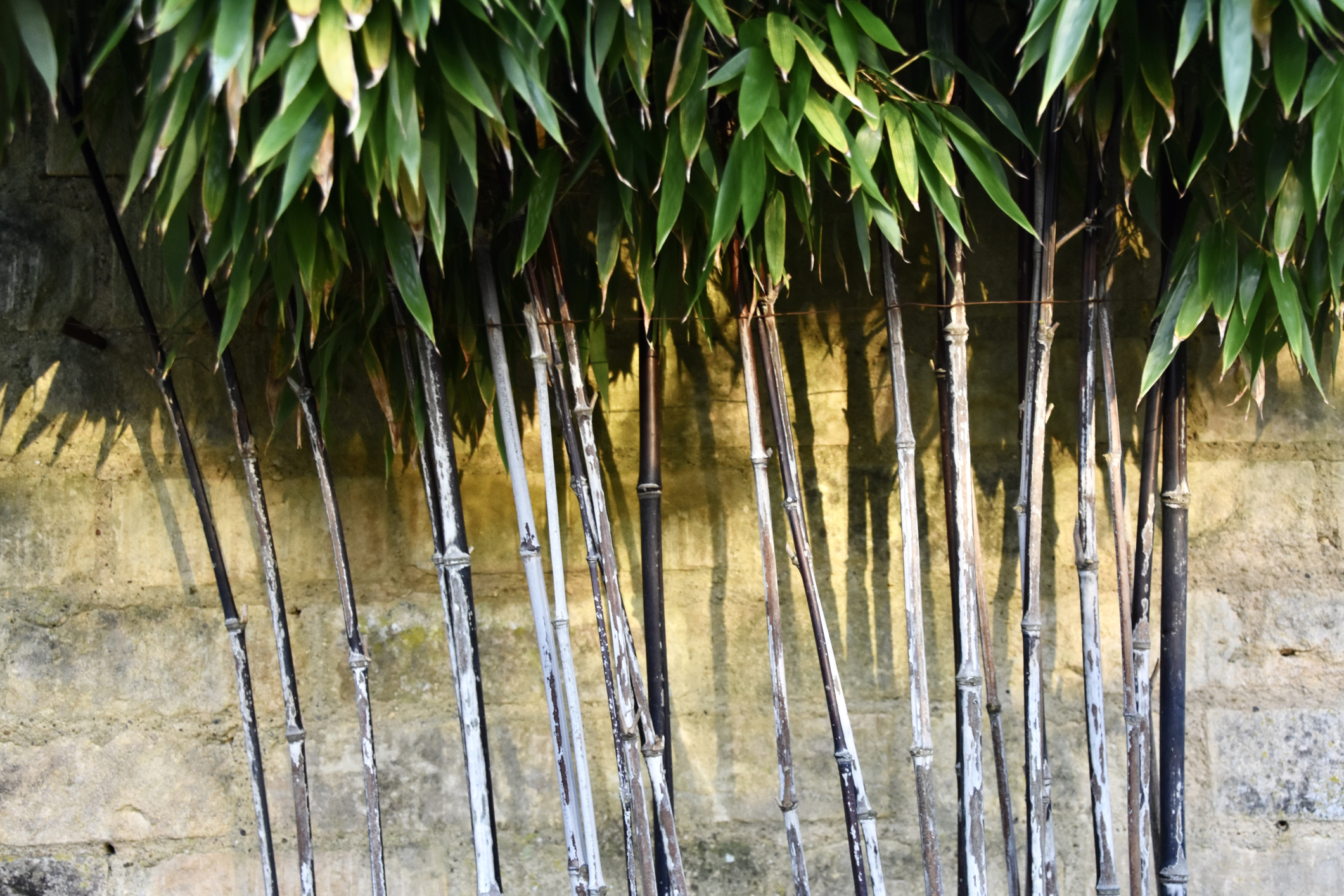
The most invasive, running bamboo species to avoid include, Phyllostachys aurea, known as golden bamboo, Phyllostachys nigra, black bamboo, and Psuedosasa japonica, also known, most appropriately, as arrow bamboo. There are methods of containing running bamboos including regular pruning of errant, excitable rhizomes, metal or plastic root barriers, buried to approximately 60cm around the root system, and large brick raised beds. Sadly, these, and other options, come without guarantees.
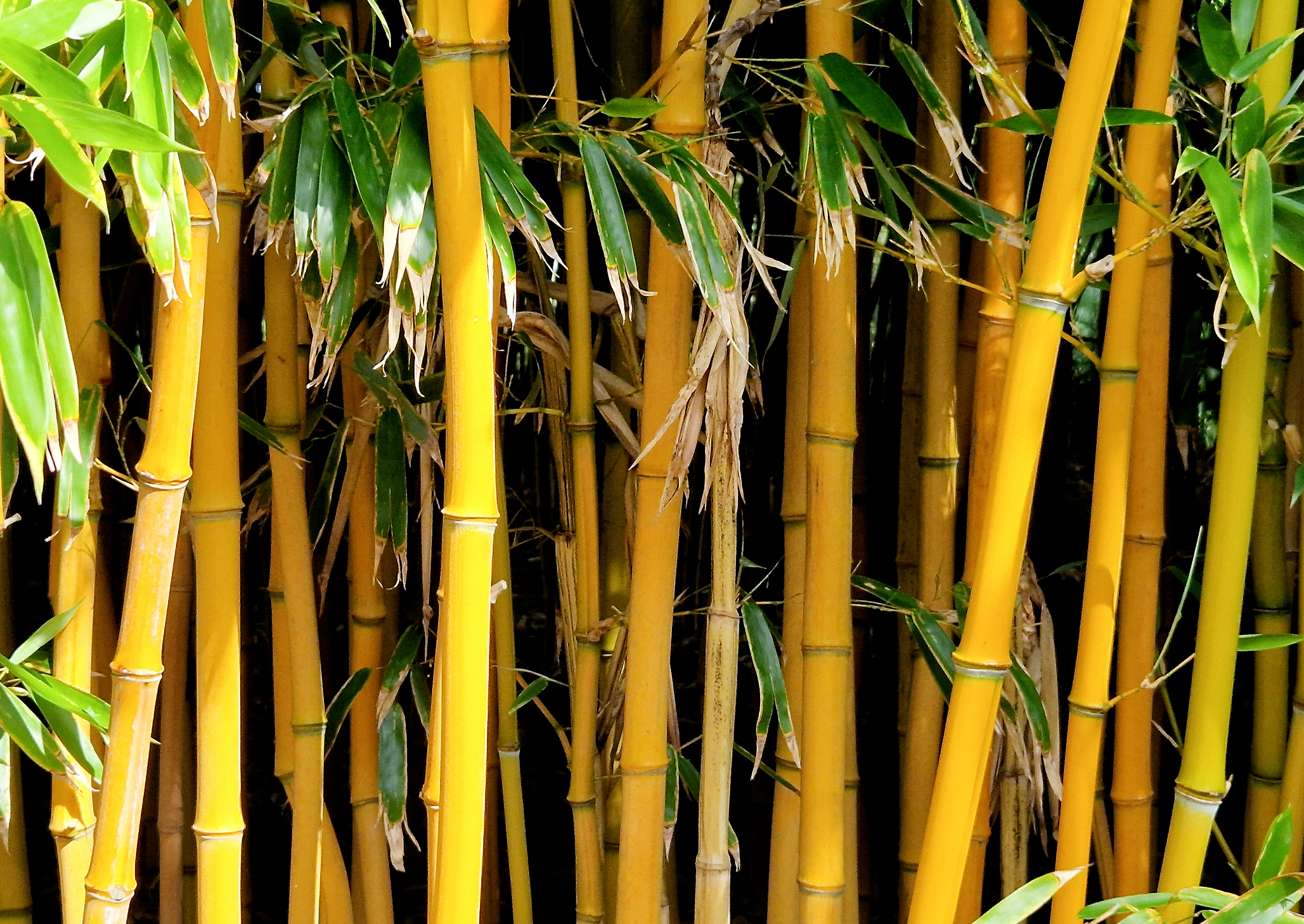
Reputation, however, is rarely the full story, as is most definitely the case with bamboo. There are, thankfully, extremely well-behaved, attractive, clump-forming species, worthy of being welcomed into our green spaces with open arms, both in borders and large containers.
Clump-forming bamboos that won’t spread
Here are five beautifully behaved bamboos that won’t run amok and are guaranteed to make eye-catching features you can safely include in your garden, or large containers.
All bamboos generally thrive in well-drained, fertile soil, with consistent moisture free draining in a sunny or partially shaded location.
#1 Fargesia rufa
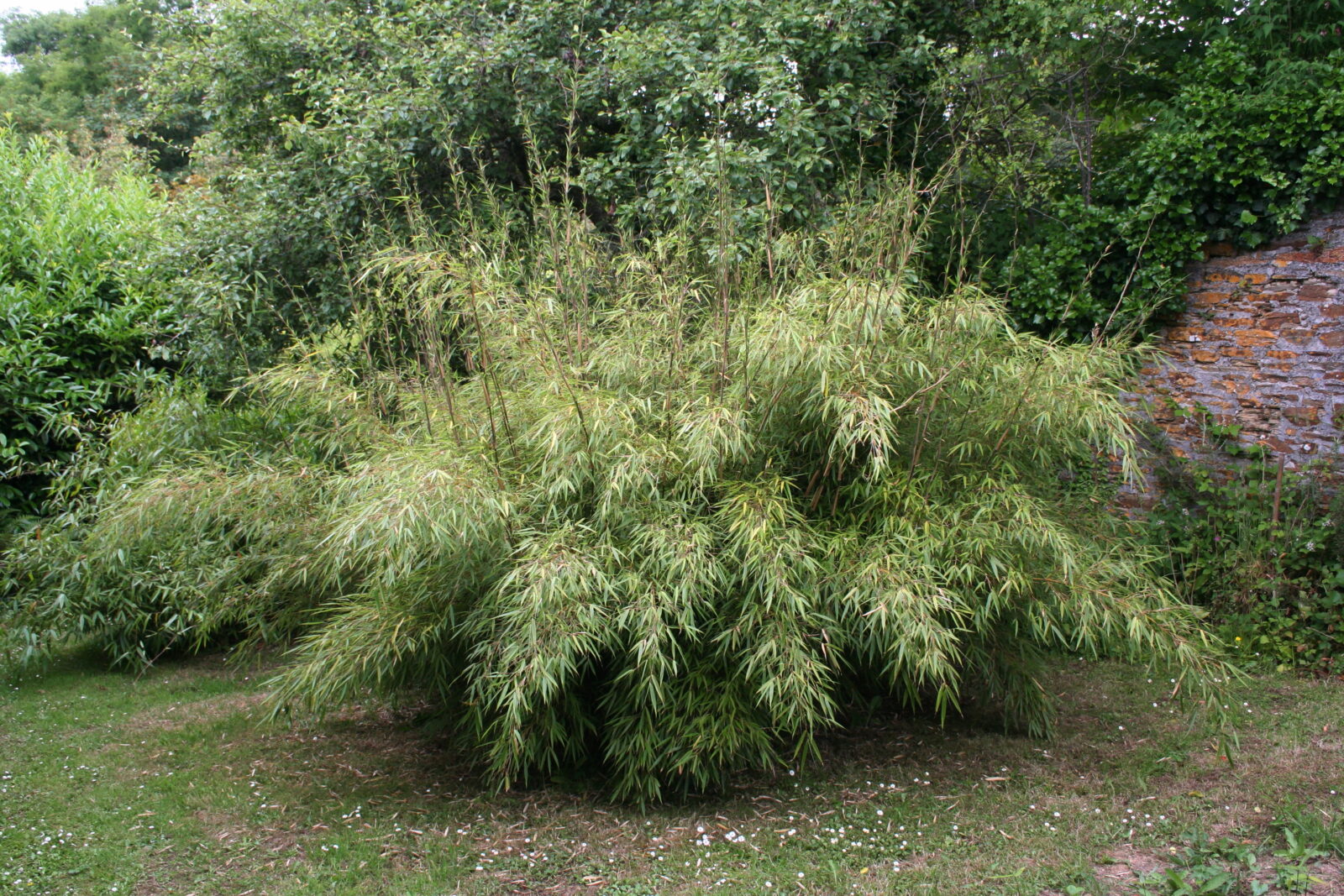
Fargesia bamboos, including the dragon head bamboo, Fargesia rufa, prefer slightly shadier, cooler conditions and make an ideal, addition to any garden, but particularly smaller gardens. Reaching approximately 3m high, when mature, they’re evergreen and hardy, their upright stems emerging vivid green fading to a pale yellow-green and arching slightly with age.
Available at panglobalplants.com
#2 Fargesia murielae
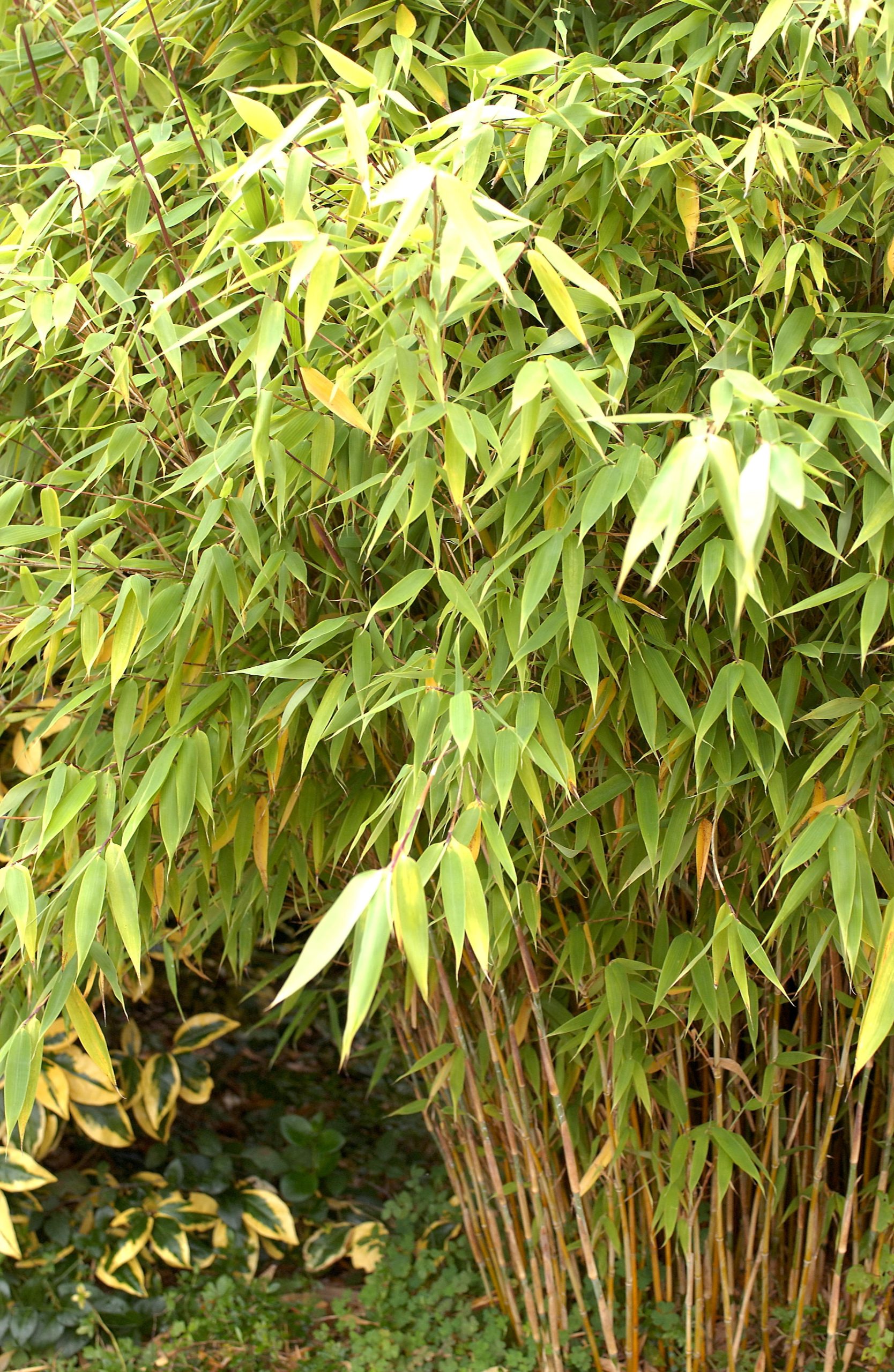
Another evergreen, clump-forming fargesia, the umbrella bamboo, Fargesia murielae, has graceful, arching bright green culms, growing to 2.5-3.5m high or more. Delightful pea-green leaves, approximately 10cm in length, mature to a pleasing yellow-green.
You may also like:
- Plants with bad reputations that are actually good for our garden
- How our shopping habits are threatening native plants, insects and ecosystems
#3 Fargesia nitida ‘Black Pearl’
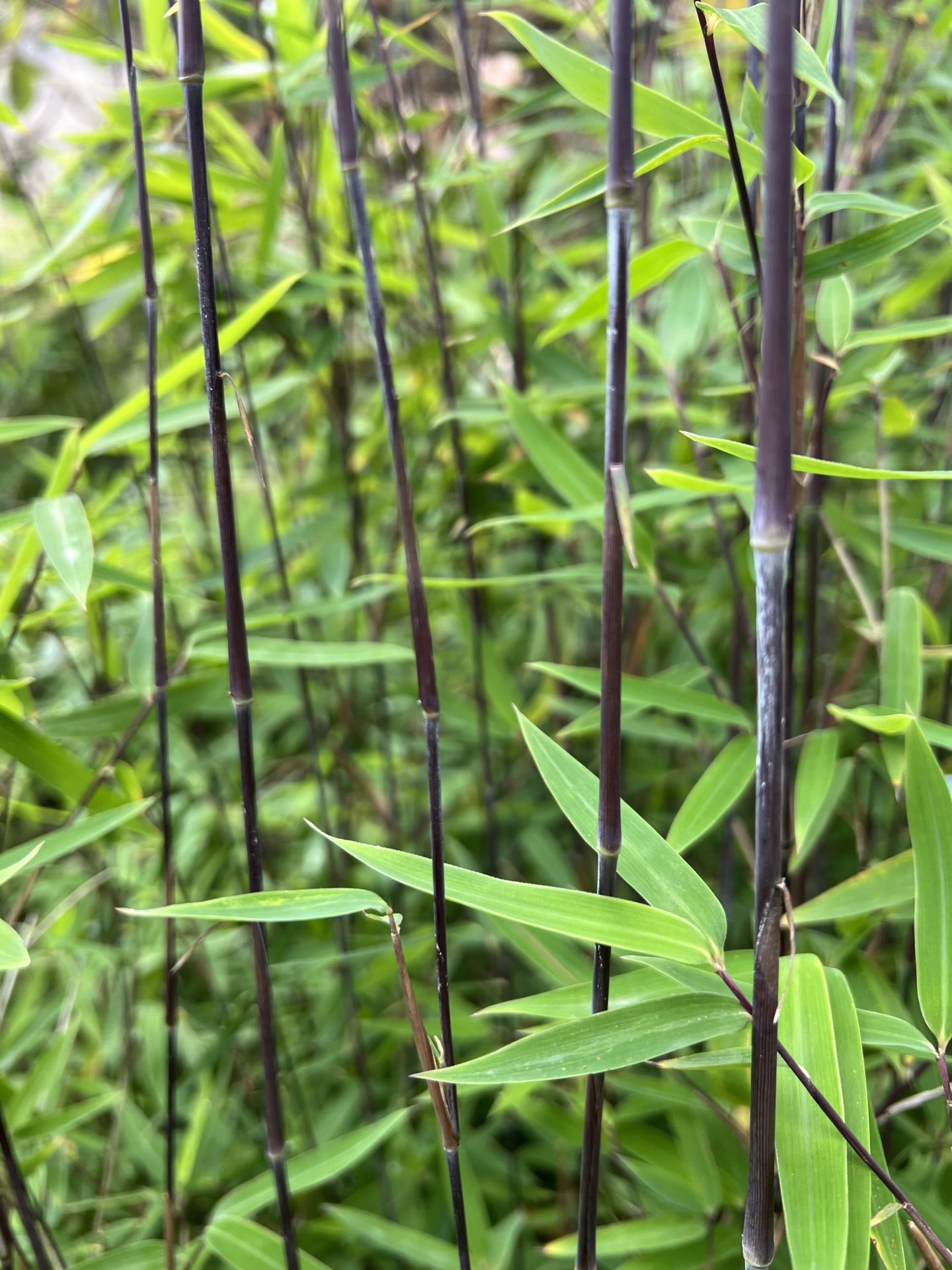
If it’s brooding, inky-black stems you crave then Fargesia nitida ‘Black Pearl’ is for you. Fresh-green tactile foliage contrasts dramatically with its dark stems, which grow to 4m, if left unpruned. Ideal for borders, or large containers if the soil is kept moist.
Available at panglobalplants.com
#4 Chusquea coleou ‘Purple Splendour’
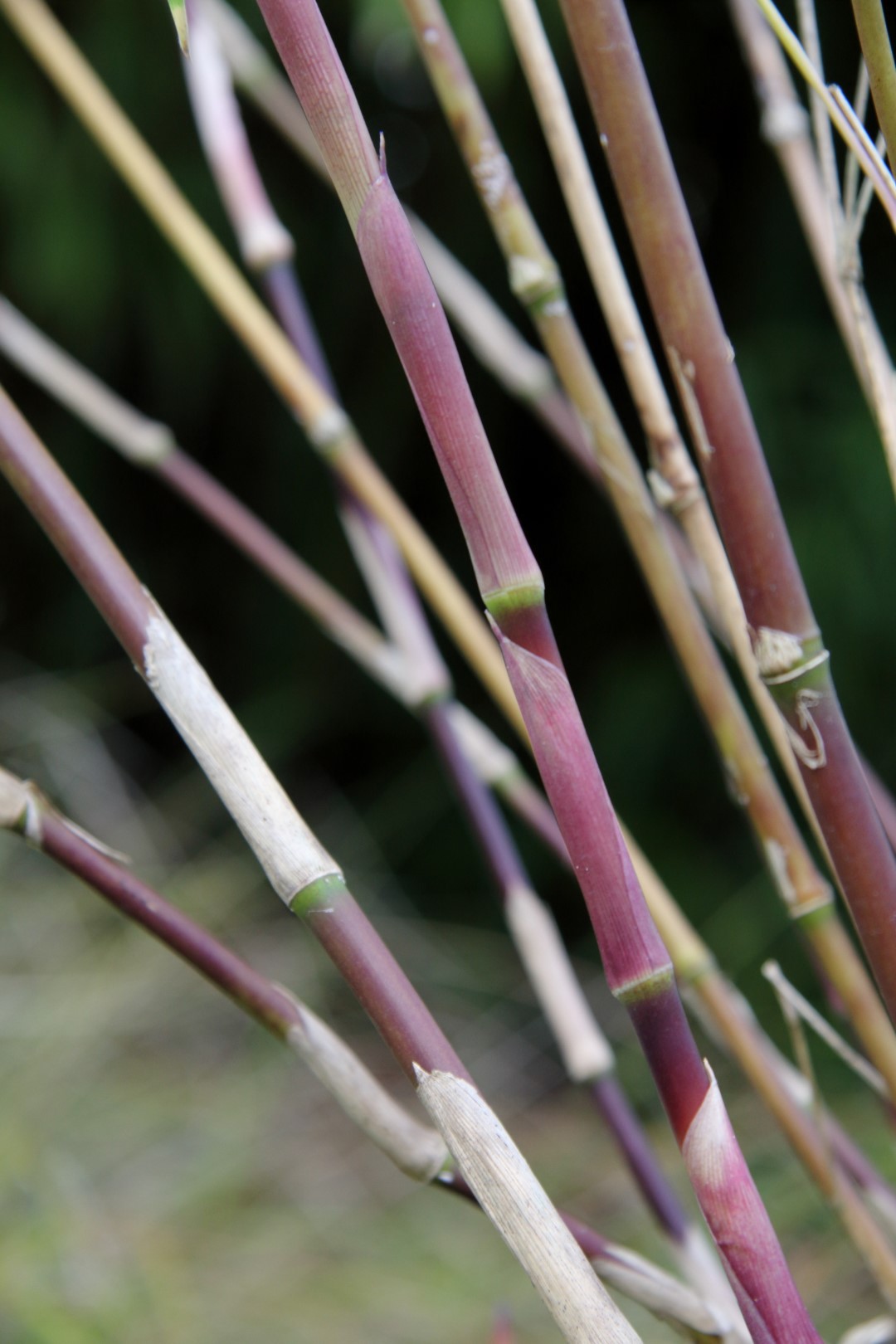
You’ll need to take a bit of a run up for this next selection, Chusquea coleou ‘Purple Splendour’, (pronounced Chus-kweeya coolio). The Foxtail Bamboo, named for obvious reasons, is prized for its purple-tinted culms that age to a sumptuous, dark aubergine. Grows to approximately 3-4m.
Available at panglobalplants.com
#5 Fargesia scabrida ‘Asian Wonder’
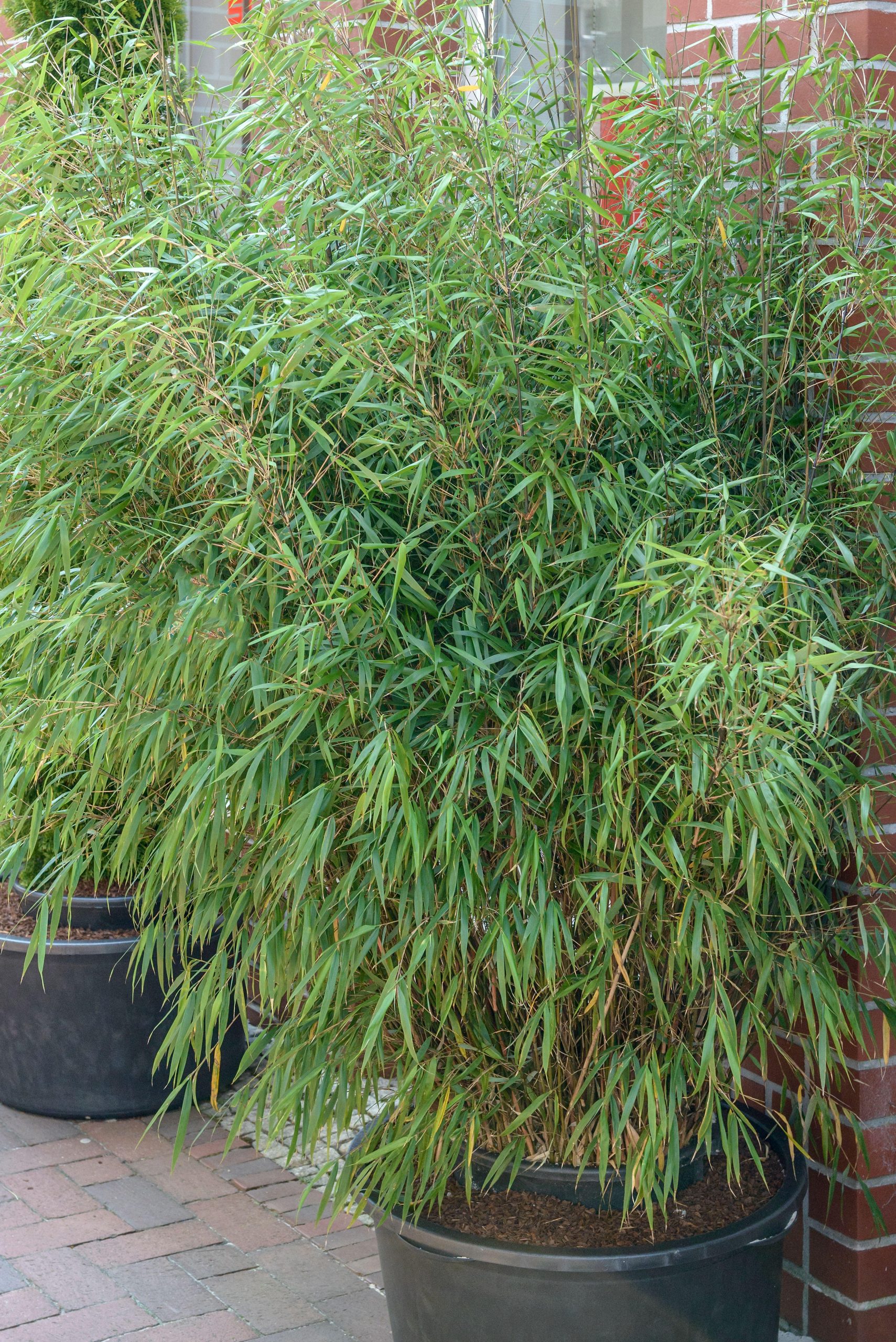
A relatively new fargesia cultivar, Fargesia scabrida ‘Asian Wonder’ will add a touch of the tropical splendour to your space. After 3 to 5 years, newly emergent stems take on a striking ruby red with attractive olive-green foliage. Grows to 3m.