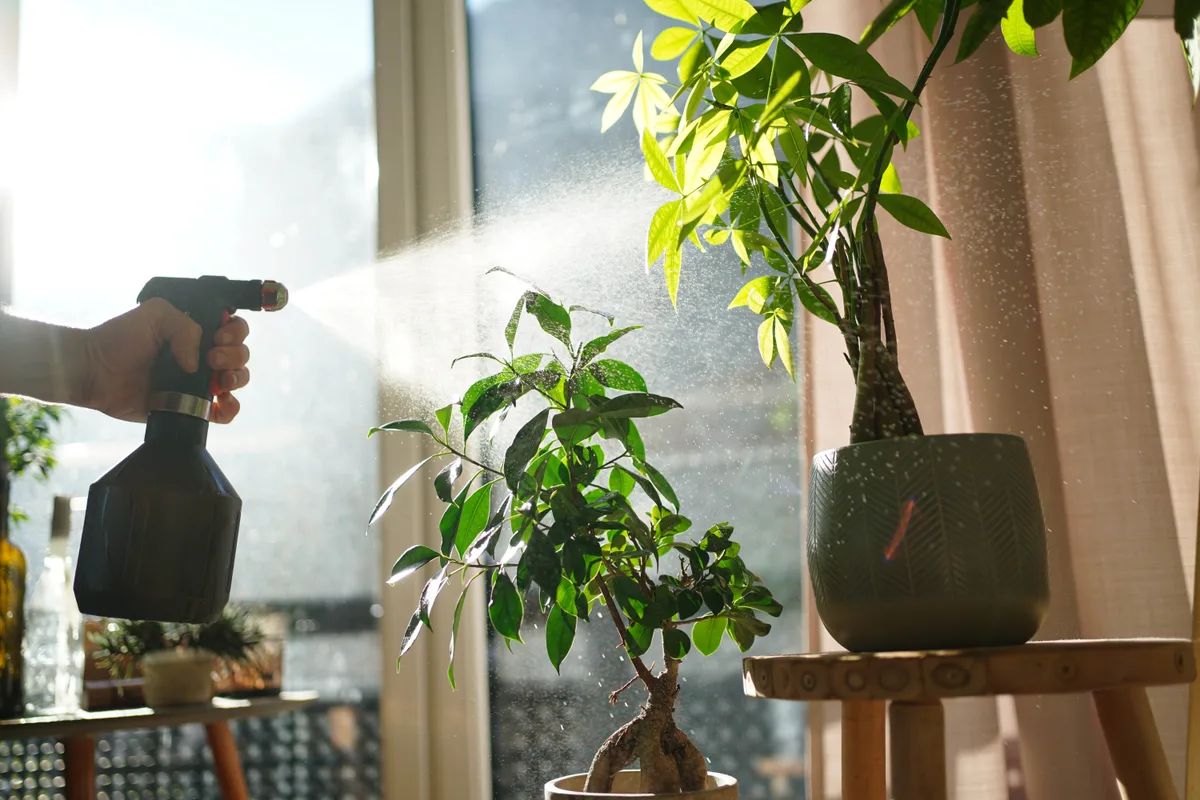
Houseplant books and websites often advise us to mist our houseplants to raise the humidity around them, avoiding brown leaf tips and crispy leaves. But does it work, and do we really need to mist our houseplants anyway?
You may also like:
Can house plants really beat mould?
Large indoor plants
The best trailing house plants
How to look after a dragon plant
How to grow an umbrella plant
Do houseplants need humidity?
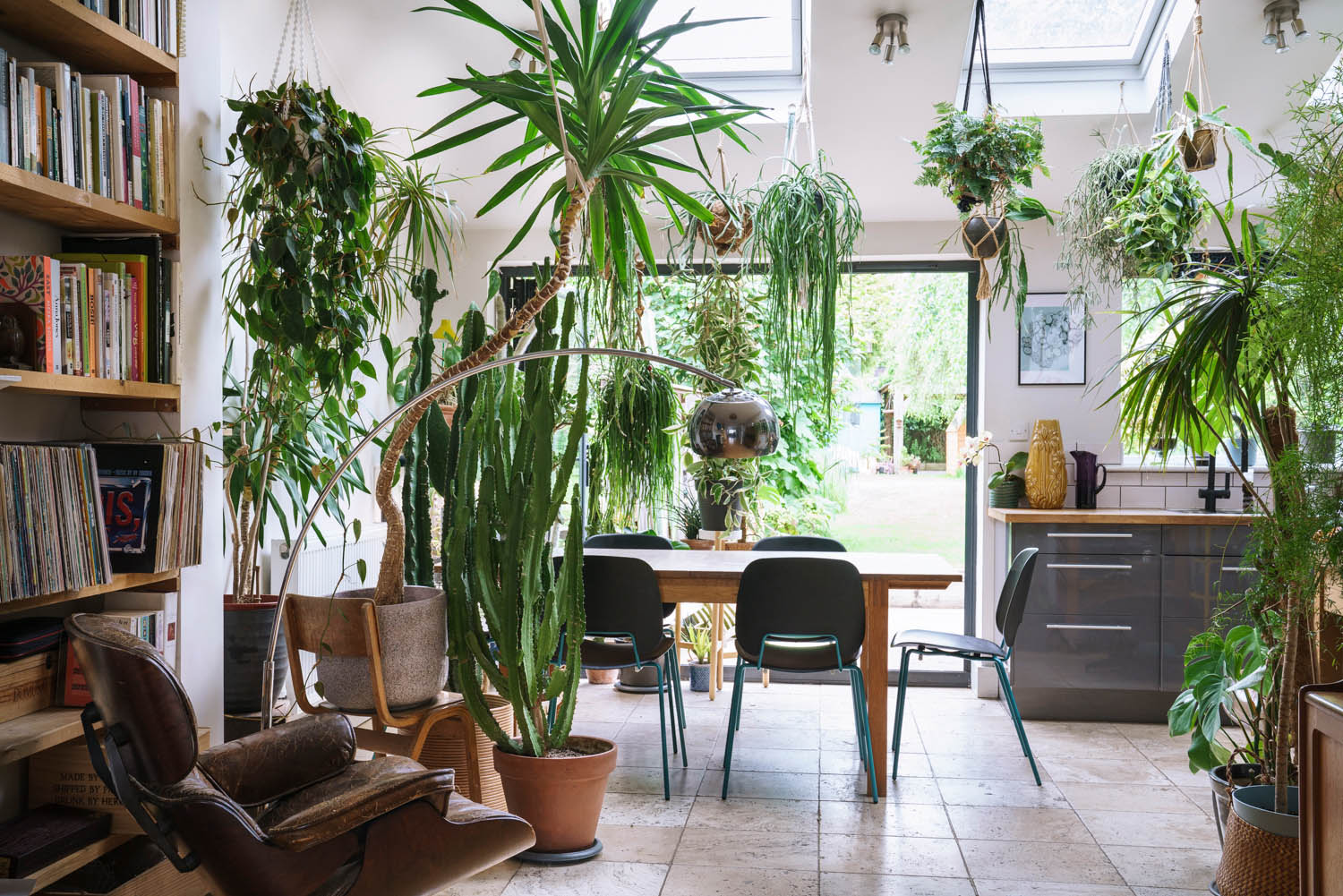
The short answer is yes – but not as much as you think. Many houseplants hail originally from tropical rainforests, where humidity (the amount of water in the air) is very high. Humidity affects transpiration – the process in which plants take up water from their roots, transport it around the plant and release it via small pores in their leaves. When humidity in the air is high, transpiration decreases, and when it’s low, it increases.
Most houseplants, however, have been selected over the years because they can cope with the lower levels of humidity in our homes.
RHS Chief Horticulturist Guy Barter says: "Most UK homes are at 40 per cent to 50 per cent relative humidity in most parts of the house, which is more or less what houseplants will be happy with. I would be surprised if the humidity in an average home is very low – what with cooking, bathing, breathing and so on, excess condensation might be expected to be more common."
Houseplant expert Sarah Gerrard-Jones, aka @theplantrescuer and author of The Plant Rescuer (Bloomsbury), echoes this: "The level of humidity in my house isn't something I ever lose sleep over."
In other words, most houseplants are fine in the average room.
What causes brown leaf tips on houseplants?
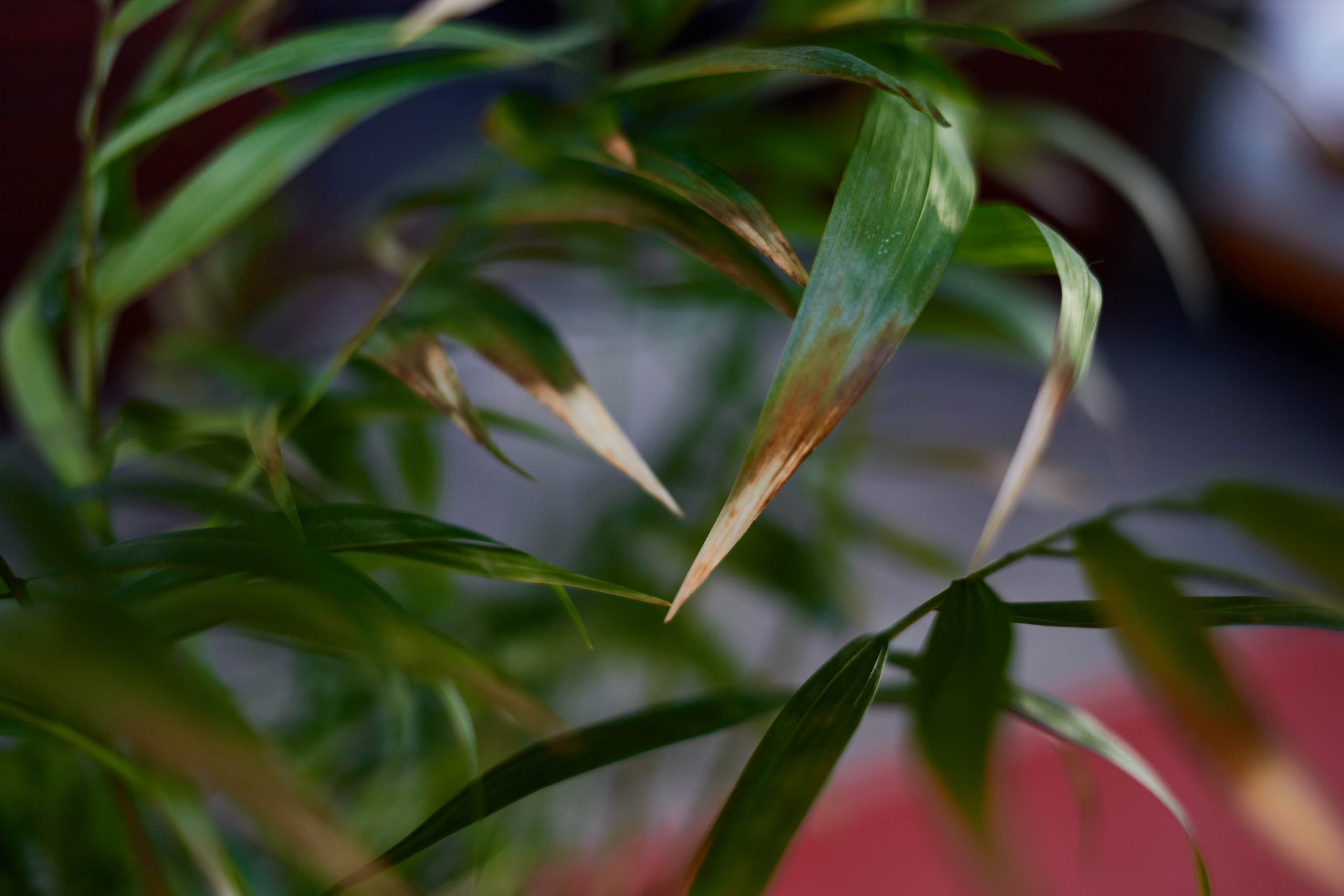
Dry air can cause brown leaf tips, but it is by no means the only cause. High temperatures, draughts and watering issues can also cause brown leaf tips. "Excess temperature or draughts lead to more rapid water loss than can be replenished from the roots. So a cooler, less draughty room might be in order,” explains Guy Barter.
Houseplant unhappy? Here's how to care for it
Brown leaf tips or leaves can often also be due to an issue with watering - both underwatering and overwatering.
Houseplants and humidity levels – the lowdown
Average (40-50% humidity) - most common houseplants, such as pothos, peace lily, rubber plant, dragon plant, philodendron, Swiss cheese plant and pileas are just fine in the average room.
Dry and warm (under 25%) If you feel that the air in a room is consistently dry and hot, go for plants that hail from deserts and dry parts of the world, such as Sansievieria (snake plant or mother in law’s tongue), cacti and succulents.
High humidity (over 50%) - Maidenhair fern (Adiantum raddianum), asparagus fern (Asparagus setaceus), alocasia, calathea, nerve plant (Fittonia) and air plants.
What about central heating?
In winter, you could try moving houseplants way from direct sources of heat, such as radiators, log burners, open fires and underfloor heating, or move them into a cooler room.
Does misting houseplants work?
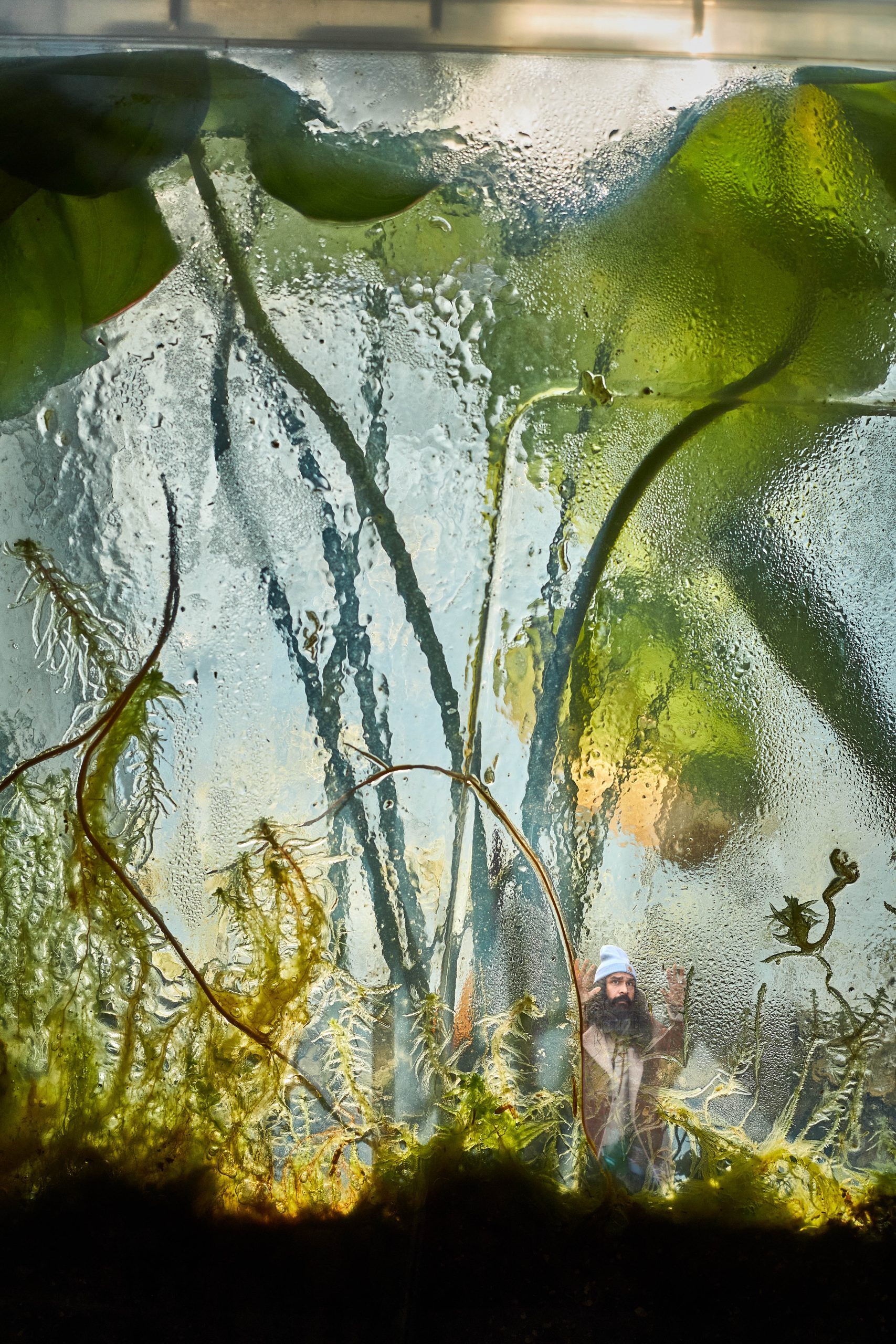
Jonny Balchandani, aka @thebeardedplantaholic (pictured above) does not beat about the bush on this topic in his new book, You’re Overwatering It! A Plant Guru's Guide to Houseplants (Ebury Press). He says: “Misting does not fix humidity. It’s the plant care equivalent of licking your lips when they’re chapped – temporary relief that actually makes things worse. Here’s the truth: misting increases humidity for about 30 seconds to five minutes, tops. After that, the moisture evaporates, leaving your plant in exactly the same situation as before. It does nothing to permanently raise humidity in a room.”
SQUIRREL_13776652
Dr Stu Farrimond, author of The Science of Gardening (Dorling Kindersley) also believes that misting plants is ineffective. In the book, he states: "Misting plants with water spray is a common way to raise humidity, although its effects are very shortlived: droplets settle on leaves and gradually evaporate, briefly increasing the humidity around them, before the moisture dissipates into the room.”
Sarah Gerrard-Jones does not recommend misting in her book, either. She told us: "Misting a plant with a spray bottle is pretty pointless.”
Guy Barter told us: "When you mist a plant, the water vapour produced has a highly transient effect on humidity. Any water applied will swiftly evaporate, disperse as vapour and have limited effect."
Can misting damage houseplants?
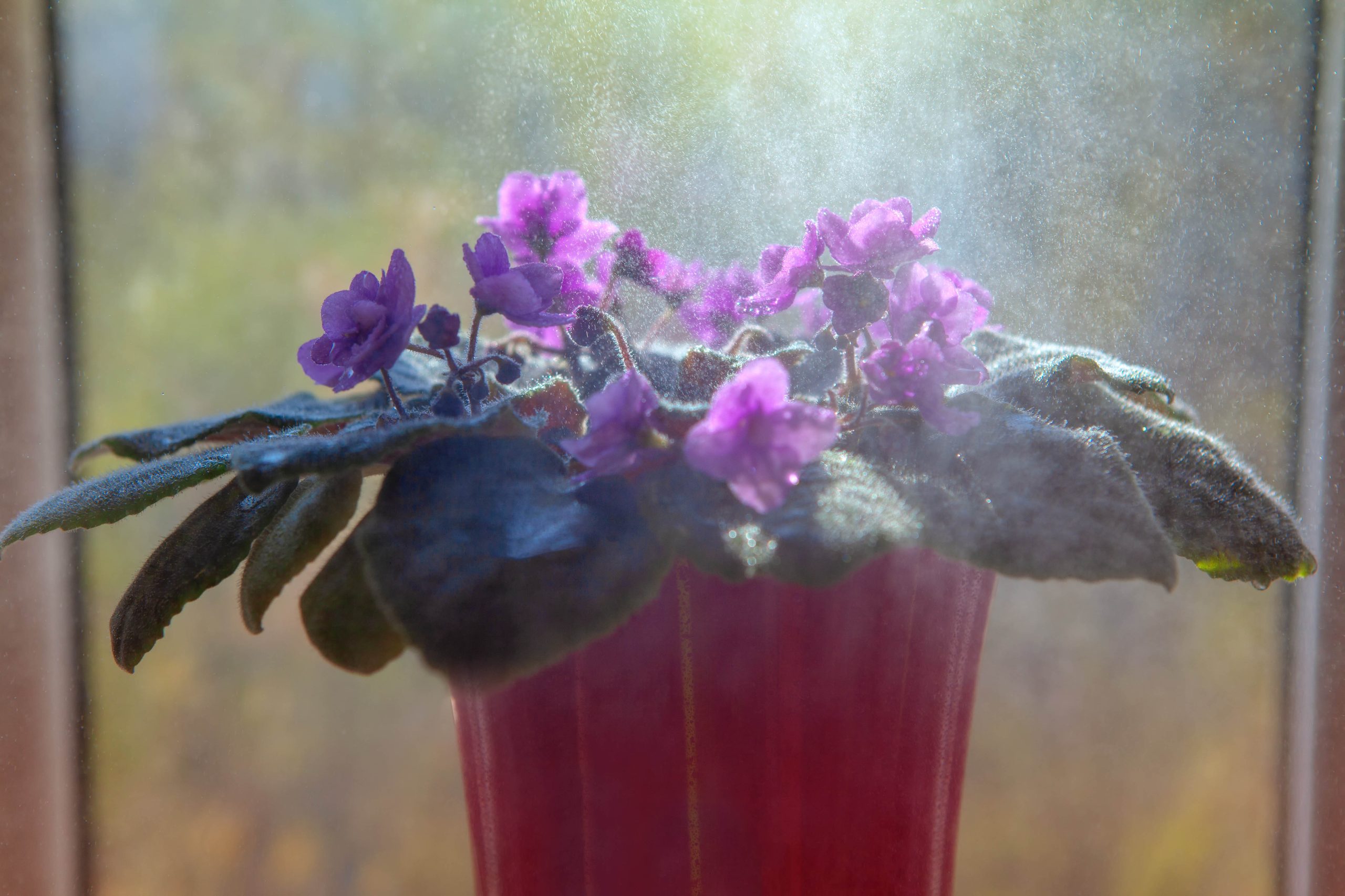
Sarah Gerrard-Jones told us: “Misting isn’t really a beneficial activity for your plants and may increase the risk of bacterial and fungal infection, particularly to hairy-leafed plants such as African violets and begonias, which are susceptible to powdery mildew and fungal bacteria caused by moisture on the leaves."
What about trays of pebbles?
It appears that the traditional dish of damp pebbles, placed under a house plant to raise humidity around it, is pretty pointless, too. Dr Stu Farrimond says: "Pebble trays are frequently recommended to keep indoor plants happy. The theory goes that evaporation from a shallow tray or dish filled with water and pebbles will increase the humitidy in the air around plants standing on the pebbles. In reality, however, it does nothing to help the plant. The humid air just above the water doesn't rise straight up, but dffuses in all directions, meaning that the humidity at the height of a plant's roots and leaves is essentially unchanged."
Sarah Gerrard-Jones echoes this view, as does Guy Barter: "Wet surfaces such as pebbles will release water but it will swiftly disperse and have limited effect."
What about grouping plants together to raise humidity?
This is also suggested as a solution for raising humidity, and it could possibly have a minor effect. But the main reason for grouping plants that like similar conditions together is that they lovely displayed this way.
Are some rooms, such as kitchens or bathrooms, naturally humid?
It’s often said that kitchens and bathrooms are more humid than other rooms, but the humidity only lasts while a shower or bath is running or water is being boiled, so has little long term effect.
I still want to raise humidity for my houseplants – how do I do it?
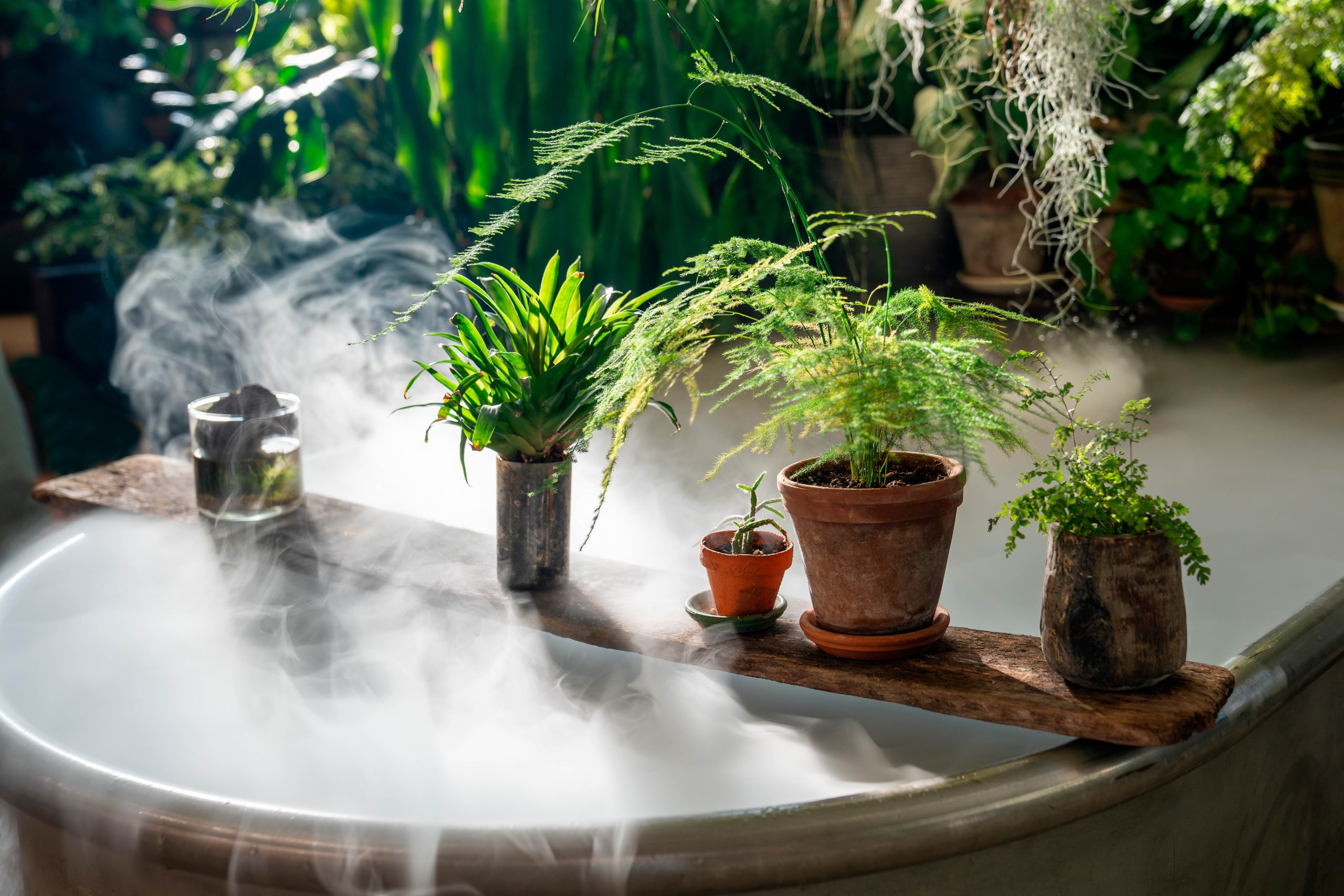
Open the window “One remedy is to open the window – not a great idea in winter but on warm days in other seasons, the outdoor air is much more humid than indoors,” advises Guy Barter.
Grow plants in a terrarium Some humidity lovers, such as Adiantum raddianum and nerve plant (Fittonia) are perfect for a closed terrarium, which traps moisture in a sealed environment.
Buy a humidifier - if you are a fan of the more fussy tropical plants that do need high humidity to thrive, such as alocasia or adiantum, you could consider a humidifier, but this may need filling up every few hours and could start to cause problems with condensation or mould in the room. You will also need to ventilate to avoid problems with mould and fungal problems.
The takeaway
Most houseplants are fine with the humidity in our homes, and misting does not work. In winter, move plants away from heat sources such as radiators. In very hot, dry rooms, grow cacti and succulents.