At this time of year, it’s tempting to put the garden to bed, but as leaves begin to gather beneath the trees, I’m already thinking about what will emerge between them next spring. Last time, I shared some of my favourite trees for bringing the character of ancient woodland into our gardens. Now, with the autumn leaves falling, I’m turning to the perennials that grow beneath them: the layers of foliage and flowers that give the woodland floor so much of its richness.
Read the first two installments of Ashleigh's series
- "If we want to save our ancient woodlands, we need to look beneath our feet" says award-winning garden designer Ashleigh Aylett
- It's possible to create a woodland in an ordinary garden. Here's some advice from an expert
Autumn is one of my favourite times to begin putting these layers together. While the soil still holds its summer warmth and moisture is returning, many hardy perennials have an opportunity to put down roots before winter. That head start before the demands of the following summer feels increasingly valuable as our summers become drier. The conditions in your own garden should guide you, though; on heavy ground prone to winter water-logging, or in colder, exposed gardens, planting may be better left until spring.
Even beneath a single deciduous tree, woodland perennials can bring a beautiful sense of seasonal change, from the first fresh leaves to flowers held above the summer foliage. The plants below are some of my favourites, many of which took pride of place in our RHS Chelsea Flower Show garden, Forgotten Forests. From the delicate, pale flower-heads of Melica to the extraordinary leaves of Paris quadrifolia, each offers something worth looking at a little more closely, and a reminder of how much our native woodland plants deserve a place in our garden.
Perennials for a woodland garden
Begin with ferns and grasses
Foliage gives the woodland floor continuity as flowers come and go. Repeating a few well-chosen ferns and grasses helps connect the planting, so begin by setting out these larger groups and allowing room for their mature spread.
Dryopteris affinis
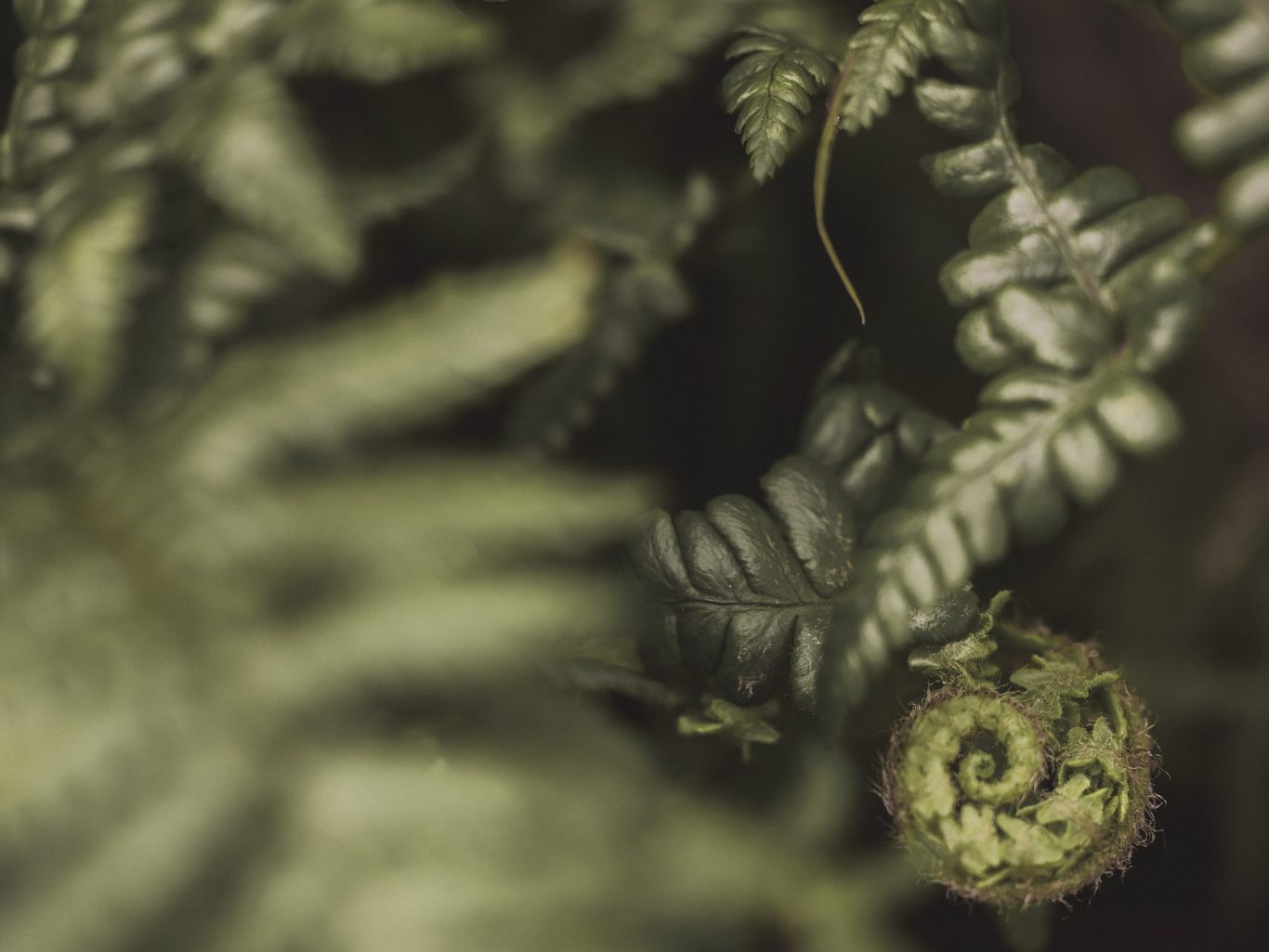
I find Dryopteris invaluable in woodland planting, and this is one of the most beautiful for creating strong, generous shapes. Its fresh green fronds unfurl in spring with golden-brown scaling along the stems, gradually developing into large, arching clumps. I particularly love the way it catches the lower light beneath trees, contrasting with finer grasses and flowering perennials. It tolerates some dryness once established and provides a strong presence for much of the year. I’d use it in generous groups.
Height 1–1.5m. Spread 50cm–1m. Growing conditions Moist but well-drained soil; partial or full shade.
Blechnum spicant
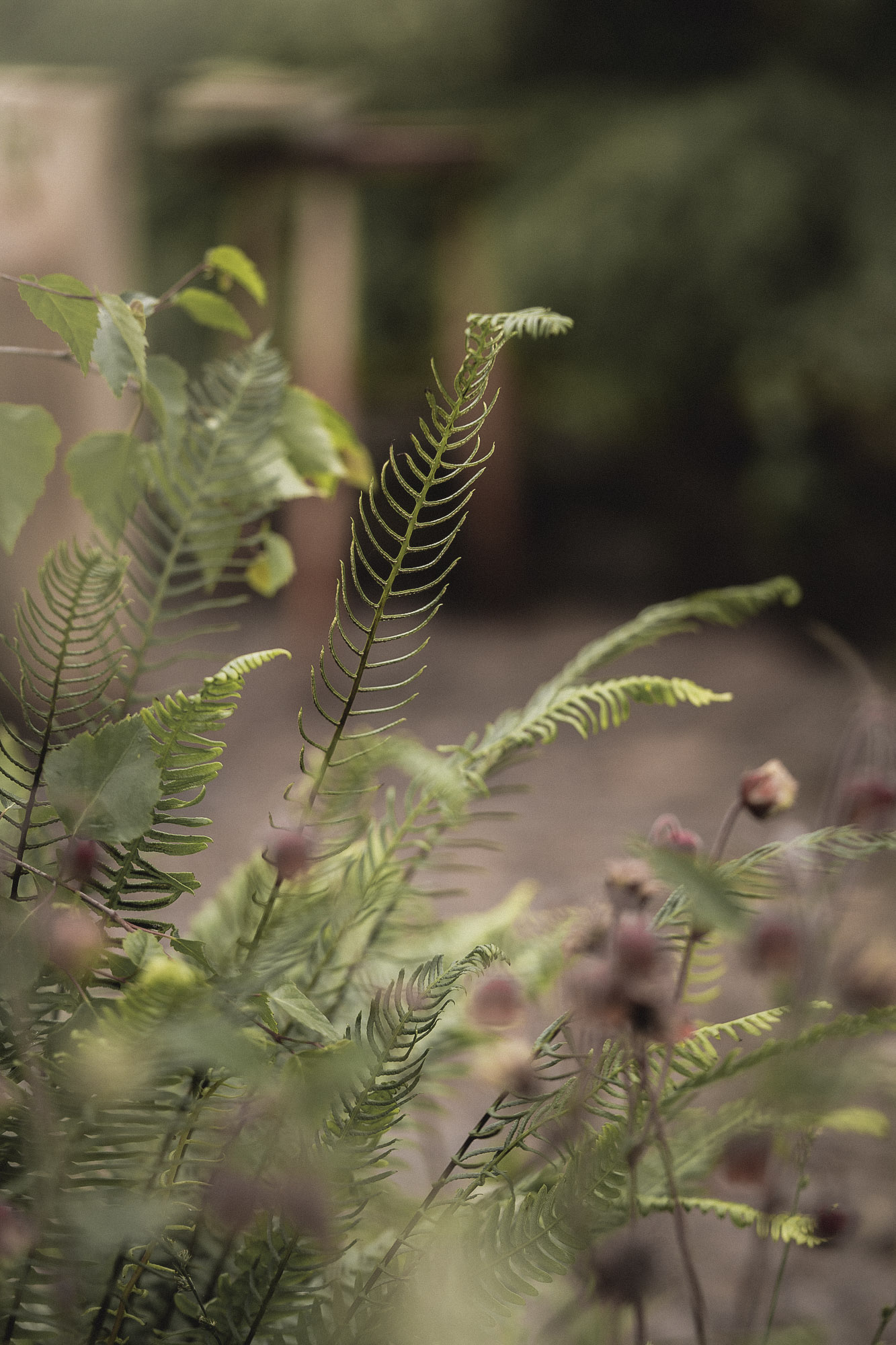
A beautiful native fern with a neat, architectural habit. Its evergreen fronds form low, glossy rosettes, while the taller, narrower fertile fronds rise through the centre. I love the contrast between the two forms of foliage, particularly when it grows among mosses and other low woodland plants. Give it a shaded, sheltered position where its dark green foliage can be appreciated throughout the year.
H 10–50cm. S 10–50cm. Growing conditions Cool, moist, acidic to neutral soil; partial or full shade. Tolerates poorly drained soil.
Melica uniflora f. albida
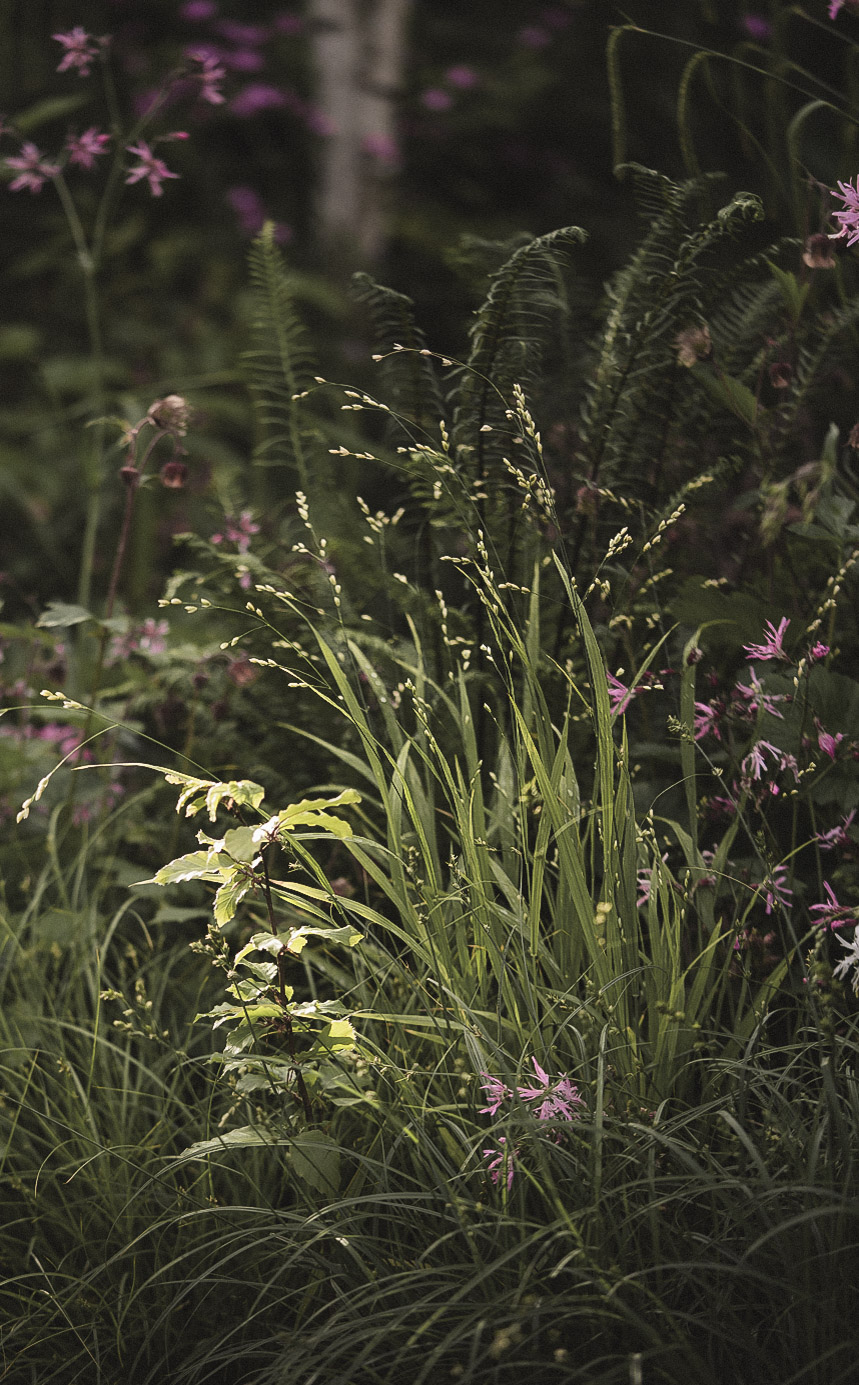
One of my favourite grasses for shaded planting. It has fine, fresh green foliage, with delicate, pale flowerheads that seem to hover above the leaves in June and July. In Forgotten Forests, grasses helped create a natural woodland floor, allowing the more colourful flowering plants to emerge through a softer layer of green. Wood melick is particularly effective planted in generous drifts, where its flowers create a sense of movement.
H 10–50cm. S 50cm–1m. Growing conditions Moist but well-drained to well-drained, neutral to alkaline soil; partial or full shade. Tolerates dryish conditions; avoid winter water-logging.
You may also like
- Transforming a small London garden into an autumnal woodland
- Discover this woodland-glade fairytale garden with a dream-like feel
Flowering perennials for shade
Polygonatum multiflorum
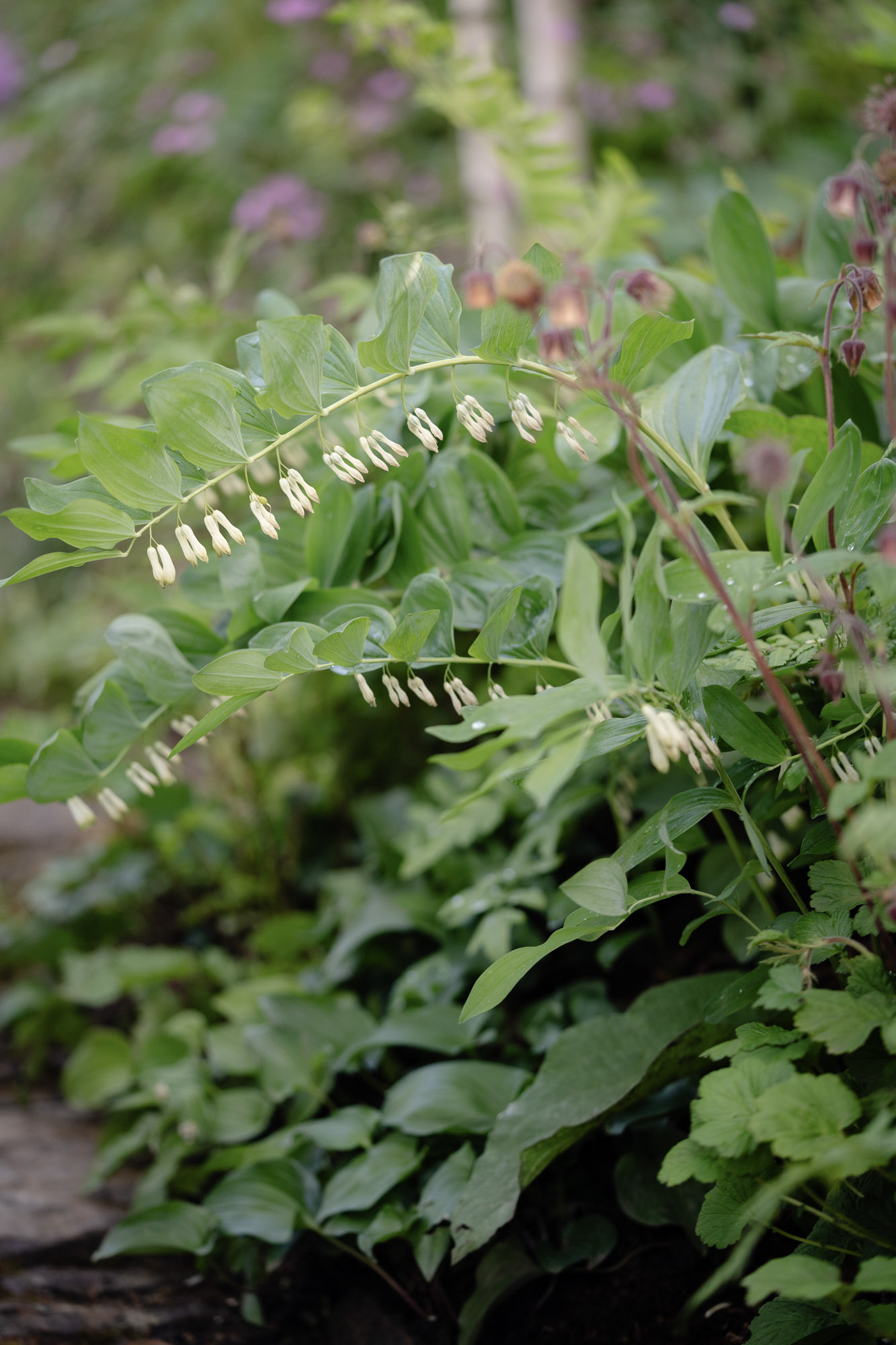
One of the most elegant plants for a shaded garden. Its gently arching stems carry alternating soft green leaves, with delicate white, green-tipped flowers hanging beneath them in spring. I love the rhythm these stems create, particularly when planted in groups and allowed to overlap naturally. In Forgotten Forests, Polygonatum brought softness to the woodland floor, contrasting with the upright fronds of ferns and finer Melica. Its pale flowers seem to glow against the surrounding foliage. Once established, it gradually forms generous colonies.
H 50cm–1m. S 10–50cm. Growing conditions Fertile, humus-rich, moist but well-drained soil; sun, partial shade or full shade, in a sheltered position.
Paris quadrifolia
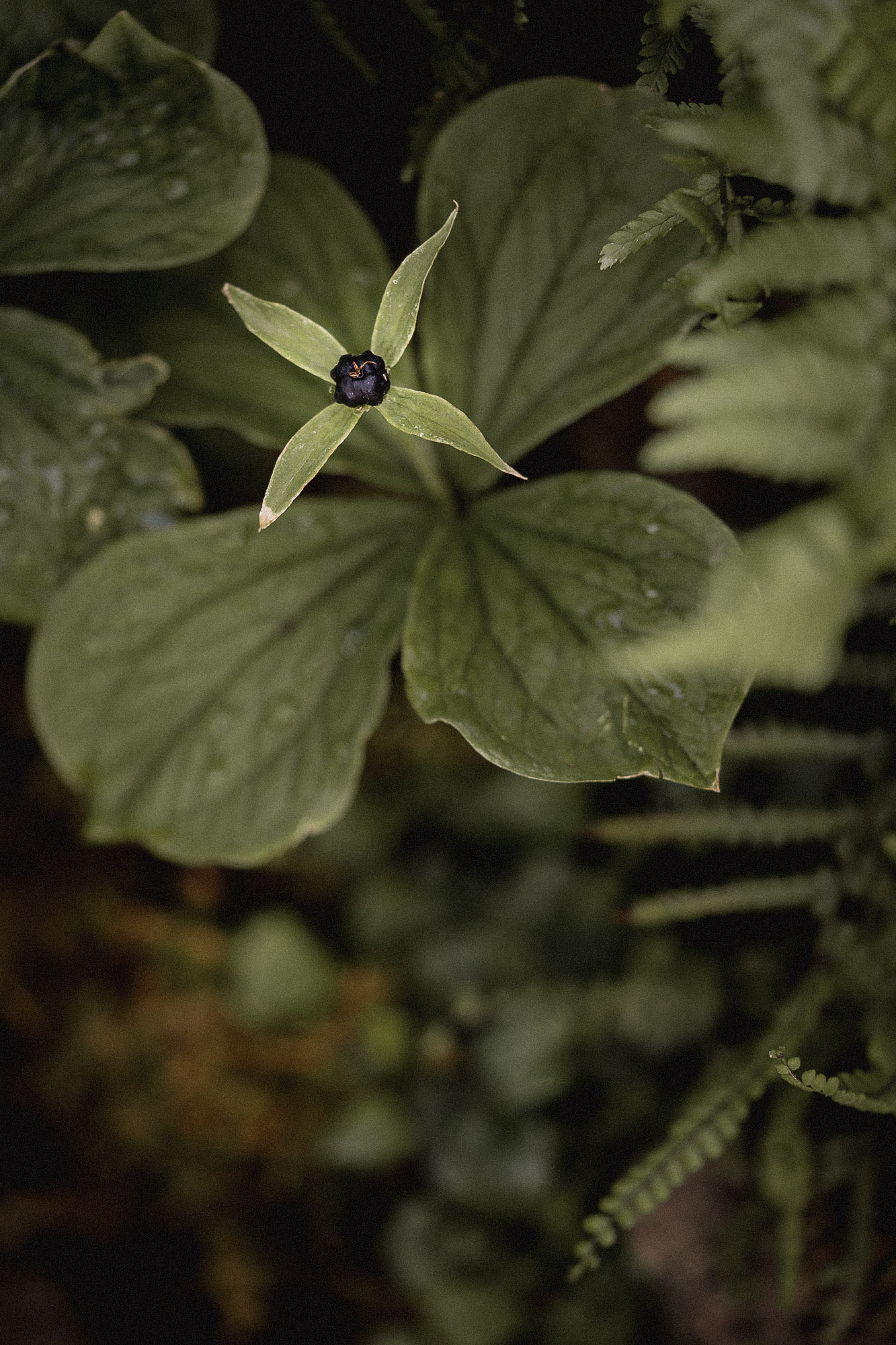
An extraordinary little plant. With four leaves arranged beneath a single green flower, it looks almost too carefully curated to be real. Its association with long-established ancient woodland made it particularly important to Forgotten Forests. It’s slow to settle in, so give it a quiet, shady corner where it has space to spread.
H 10–50cm. S 10–50cm. Growing conditions Deep, humus-rich, neutral to slightly acidic soil that stays moist but drains well; partial or full shade in a sheltered position.
Maianthemum bifolium
A delicate little woodland plant that I find particularly beautiful for its simplicity. It produces small, heart-shaped leaves, with tiny white flowers held on fine stems above them in late spring. It could easily be overlooked, but discovering it among mosses and other woodland ground flora feels rather special. We included it in Forgotten Forests because of its association with established woodland habitats. Place it along a path, with room for its rhizomes to spread and form ground cover.
H 10–50cm. S 50cm–1m. Growing conditions Cool, humus-rich, moist but well-drained, acidic to neutral soil; partial or full shade in a sheltered position. Spreads to form ground cover.
You may also like
- The best places to see a beautiful blue carpet of bluebells in a wood or garden near you
- This tiny city garden was transformed into a marvellous mini woodland glade with nine trees and designer touches
Geum rivale
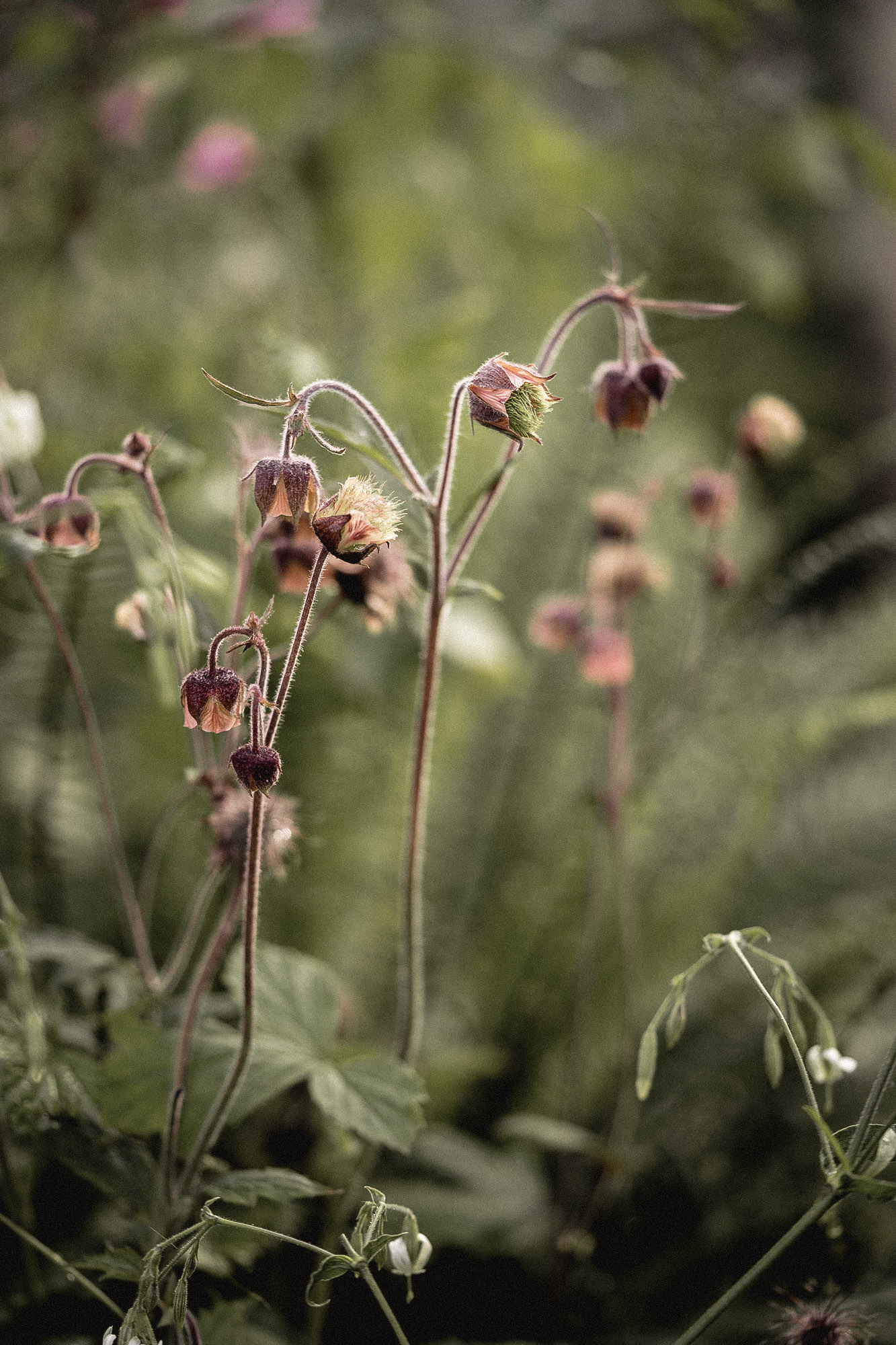
I love the slightly bashful look of water avens, with its little flowers nodding downwards. The colours are beautiful close up: soft pink with dusky purple around the bells. We planted it beside the stream in Forgotten Forests, where the damp soil suited it and the flowers could mingle with the surrounding foliage. It’s a lovely thing to tuck among ferns and grasses, particularly somewhere you’ll see it at close quarters. Where it’s happy, it will gently seed around, which suits the informal planting I enjoy.
H 10–50cm. S 10–50cm. Growing conditions Moist but well-drained soil, rich in organic matter; sun or partial shade. Divide every few years to prevent congestion.
Silene flos-cuculi
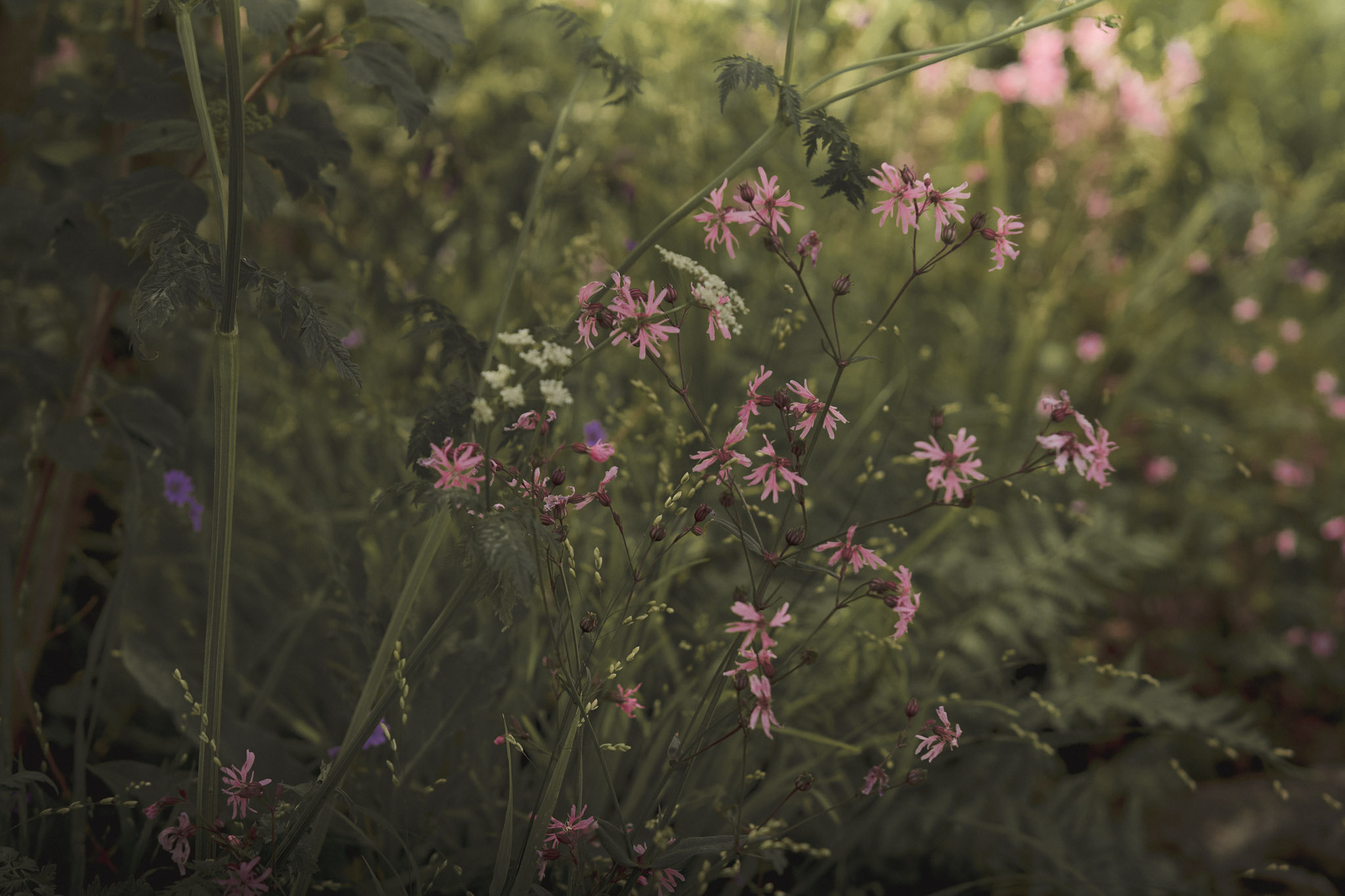
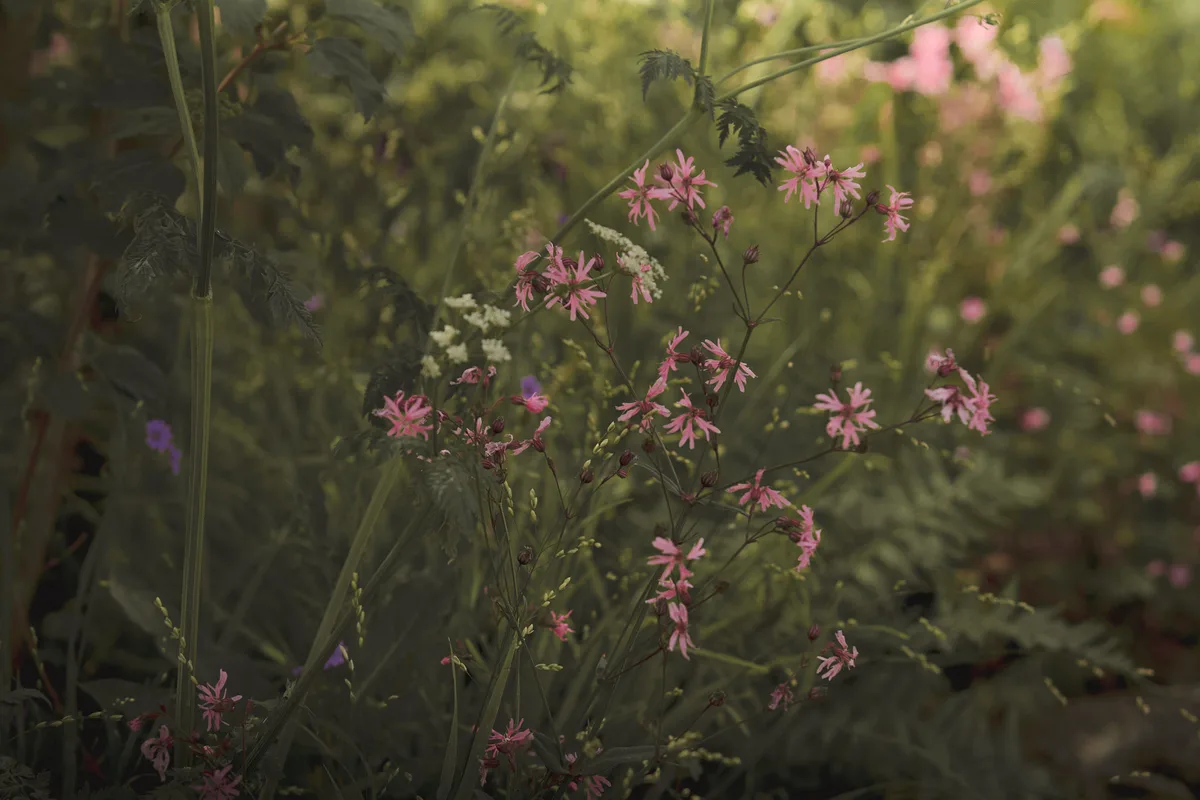
Such a delicate plant, with finely divided pink petals that almost look as though they’ve been cut from tissue paper. I love the way the flowers appear to float above the surrounding planting on their slender stems. We used this Silene around the wetter areas, where it looked beautiful threaded through grasses, bringing little flashes of colour.
H 50cm–1m. S 10–50cm. Growing conditions Moist, moderately fertile, well-drained soil; sun or partial shade.
Plants for the brighter woodland edges
At the edges, where more light reaches the ground, flowers can weave through grasses and between the larger clumps. The following plants suit positions ranging from dappled shade to open sun.
Silene dioica
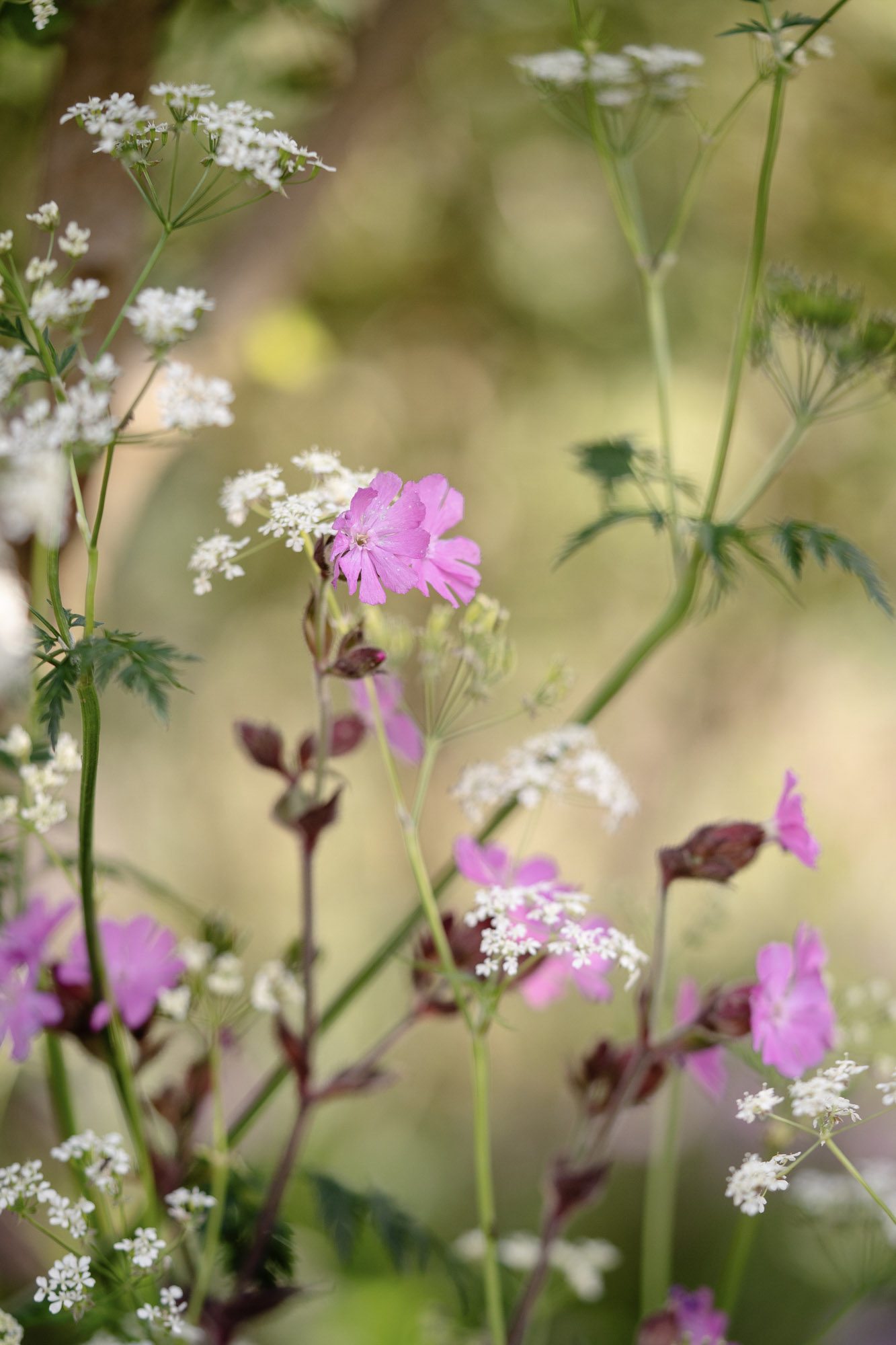
I love the freshness that this Silene brings to a woodland garden. Its vivid pink flowers provide flashes of magenta among the greens, particularly in late spring. We used it in Forgotten Forests to create a more spontaneous feeling, allowing the flowers to emerge between ferns and other woodland perennials. It’s a generous plant, flowering over a long period and self-seeding happily where conditions suit it. I think it’s particularly effective allowed to drift through a planting scheme.
H 50cm–1m. S 10–50cm. Growing conditions Moderately fertile, moist but well-drained to well-drained soil; partial shade in a sheltered position.
You may also like
Conopodium majus
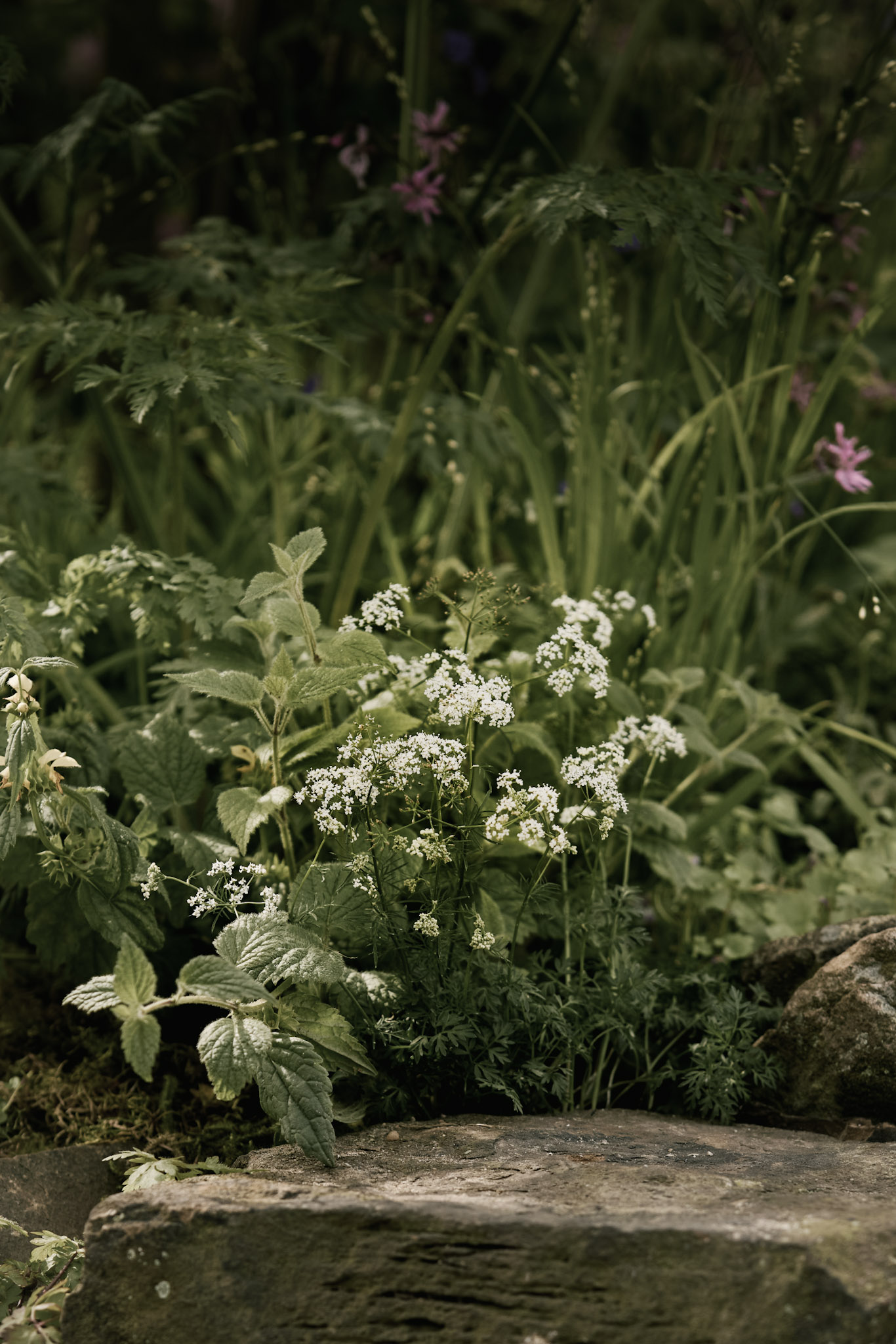
Pignut is easily overlooked, which is perhaps why I’m so fond of it. The foliage is wonderfully fine, with little white flowers held above it. A single plant is quite quiet, but woven through grasses and other woodland flowers, it makes all the difference. It gives the planting that loose, slightly untidy quality of a woodland floor. I wouldn’t plant it in neat groups, instead give it somewhere relatively undisturbed, with
room among its neighbours, and let it find its place.
H 10–50cm. S 10–50cm. Growing conditions Well-drained, slightly acidic soil; sun or partial shade. Prefers dryish conditions.
Anthriscus sylvestris
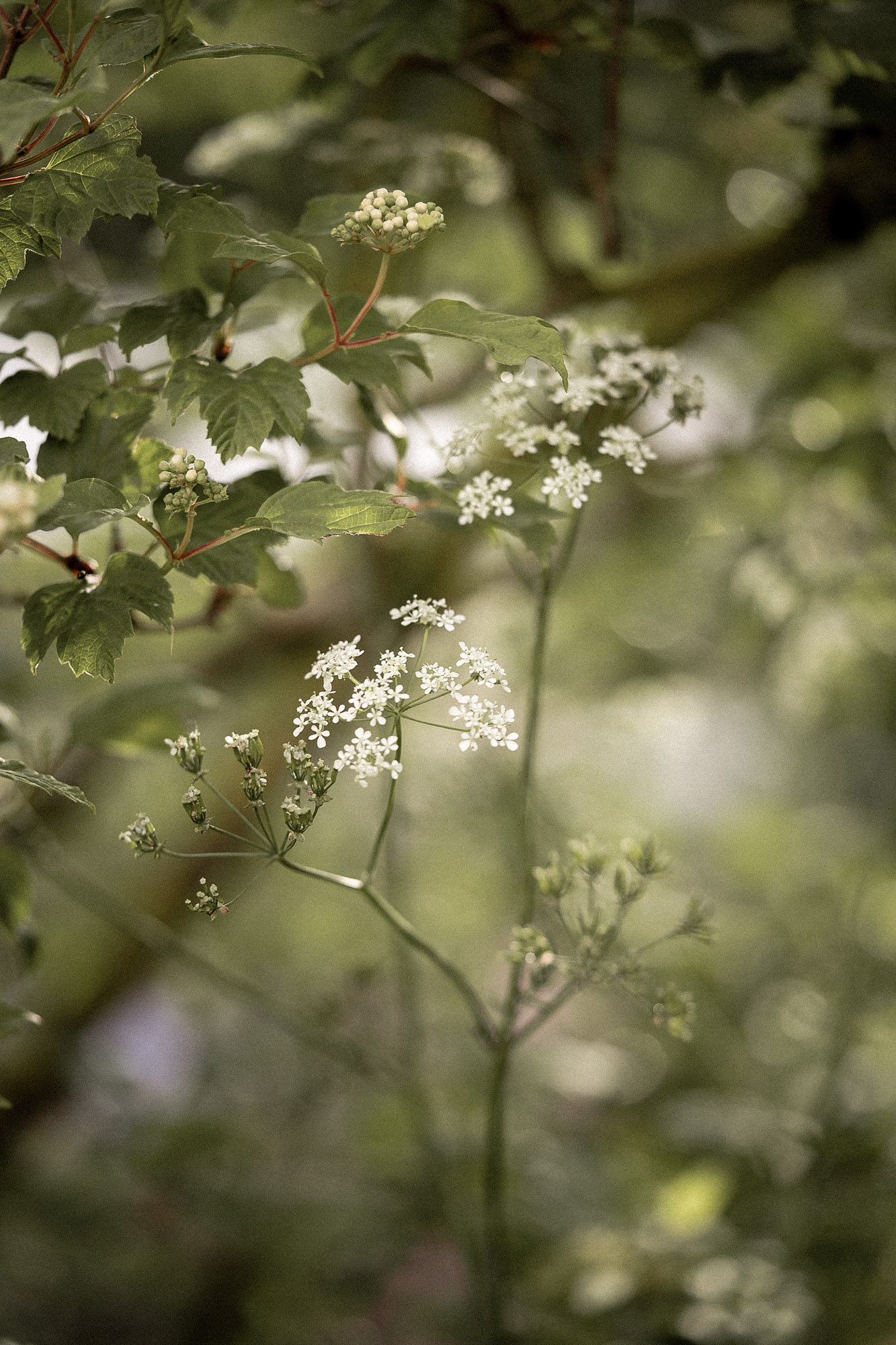
For me, Anthriscus captures the feeling of the British countryside in late spring. Its clouds of tiny white flowers have such lightness, particularly beneath the fresh green canopy of trees. I love the way it moves through other plants, creating a soft veil without completely obscuring what’s beneath. It self-seeds enthusiastically, so it’s best suited to a naturalistic garden where you’re happy to allow a little spontaneity.
H 1–1.5m. S 50cm–1m. Growing conditions Well-drained soil; sun or partial shade. A biennial or short-lived perennial that readily self-seeds.