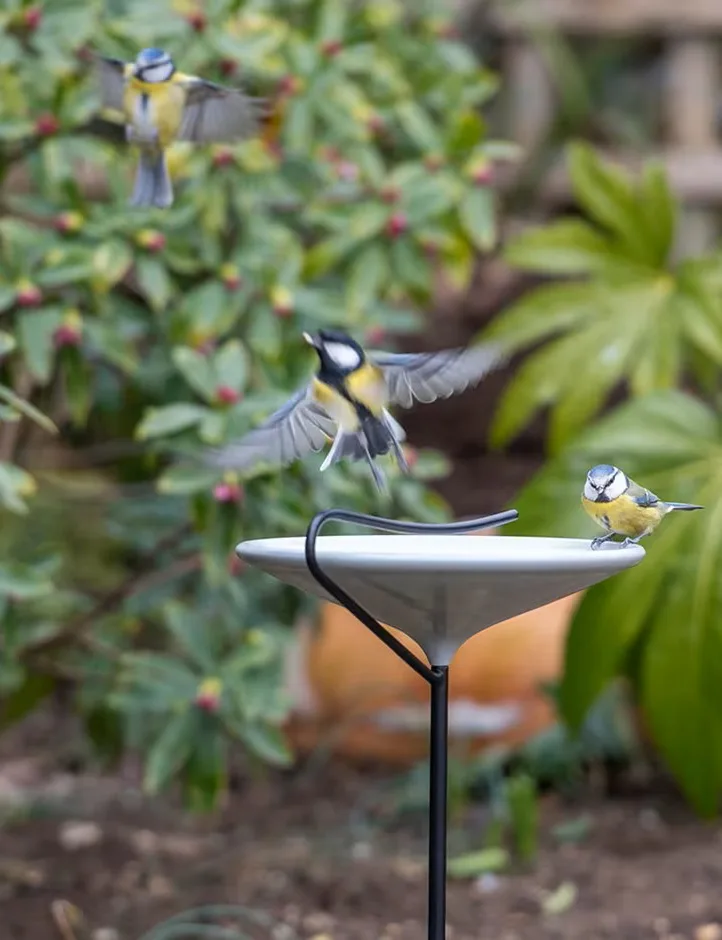
Bird watching is a great way of connecting with the wildlife in your garden or local green space, and the RSPB's Big Garden Birdwatch is encouraging people to get outside and count the birds they see between 23 and 25 January 2026.
Data gathered from the Birdwatch, which is the largest garden wildlife survey in the world, provides a snapshot of how garden birds are doing across the UK. In 2025, 590,000 people took part and counted 9.1 million birds.
The Big Garden Birdwatch has highlighted the successes and declines of garden birds since it started in 1979. It alerted the RSPB to declining song thrush numbers, which are down 83 per cent since the first count. The RSPB now reports that we have lost 38 million birds from UK skies in the last 60 years.
In contrast, wood pigeon numbers continue to rise, seeing them take the third spot in 2025 for the most commonly spotted bird.
Becky Speight, the RSPB's Chief Executive says "Birds and wildlife are struggling right now. Every observation counts, even if you see nothing at all. Whether you live in a city or the countryside, anyone, anywhere, can take part in the Big Garden Birdwatch – even if you don’t have a garden! A park, balcony, allotment or window box will do."
We've rounded up the most common British garden birds that you can look out for while taking part in the Big Garden Birdwatch this year.
Top 10 British garden birds
In 2025, these birds were the top ten counted during the Big Garden Birdwatch.
House sparrow
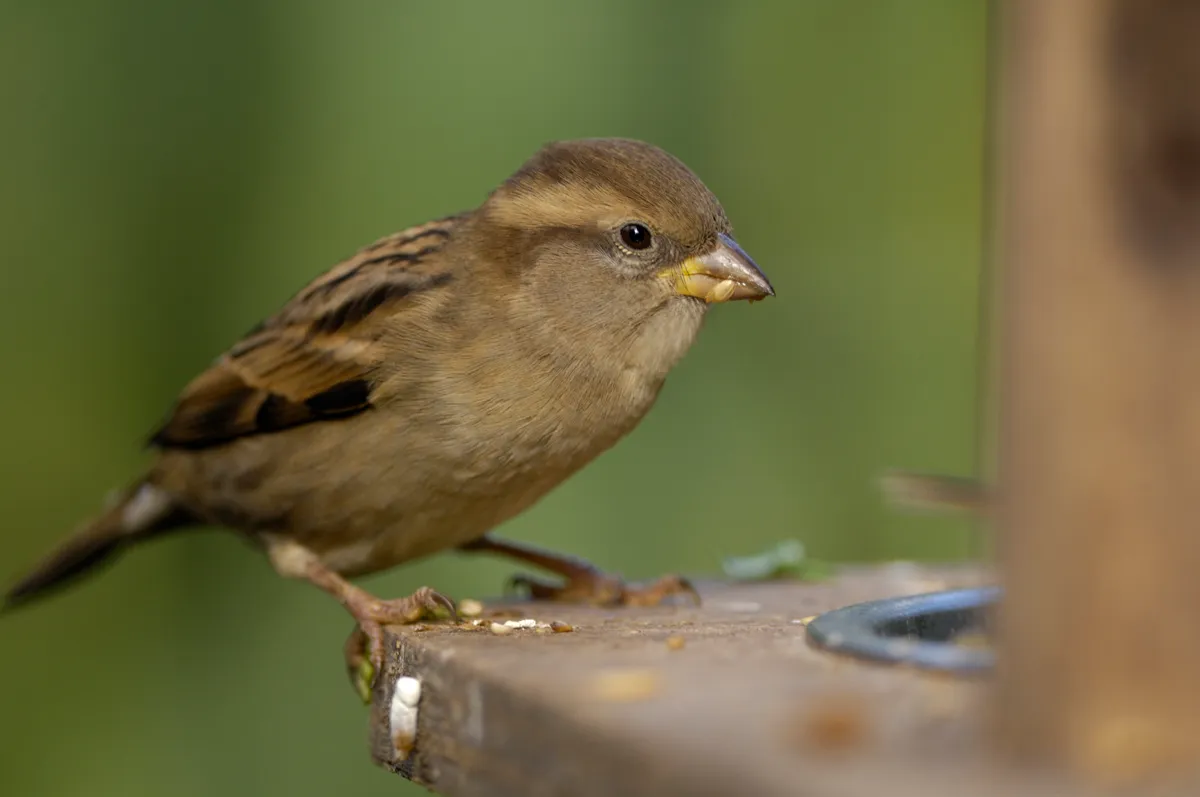
House sparrows came in as the most commonly counted garden bird in 2025. A spokesperson from the RSPB said 'keep an eye out for the house sparrow. For the past 19 years it has topped the Big Garden Birdwatch rankings nationally as the most commonly seen garden bird'. However, the house sparrow is experiencing a severe decline in numbers, estimated as dropping by 60 per cent since the first Birdwatch in 1979. They can be identified by their noisy demeanour and measure between 14 and 15cm. Pictured is a female.
Blue tit
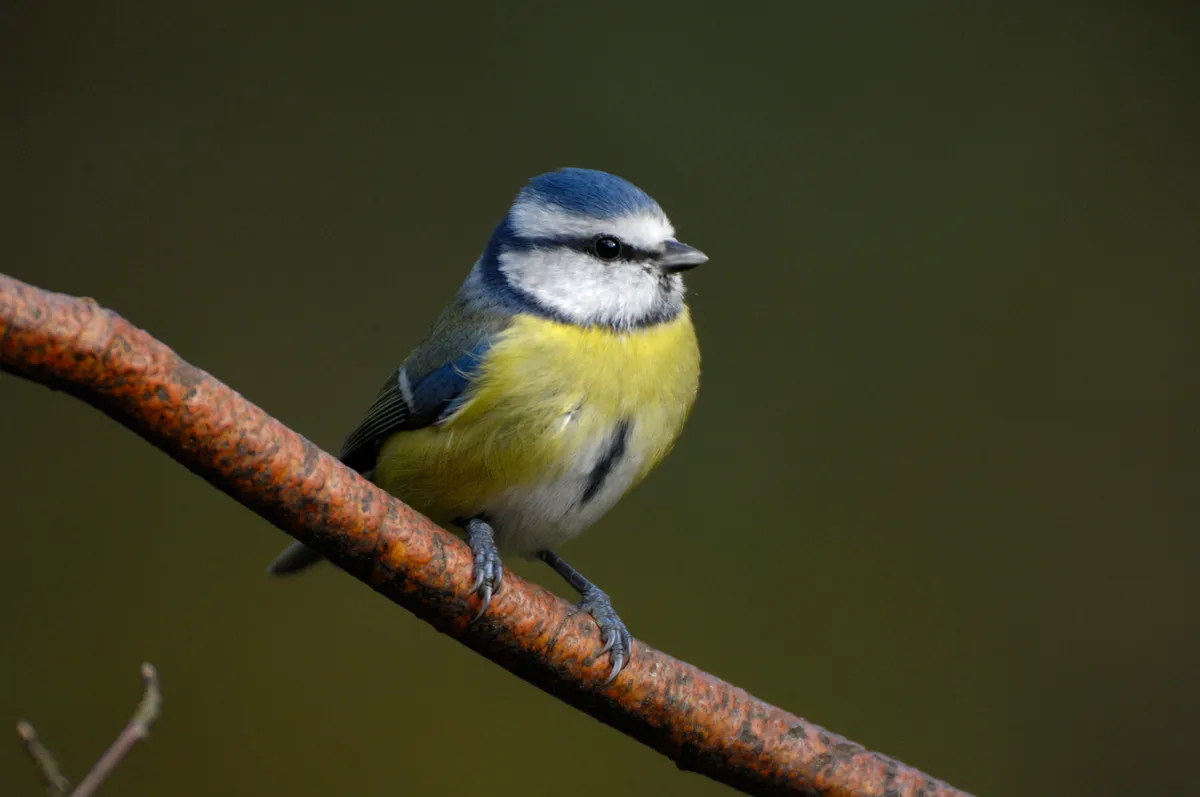
The second most commonly spotted garden bird in 2025's Birdwatch was the blue tit, with 946,698 spotted. Perhaps one of the most recognisable and beloved garden visitors, they can be identified by their bright blue, yellow, white and green markings. They measure about 12cm.
Woodpigeon

One of the most recognisable UK birds, woodpigeons have seen an increase in numbers since the Birdwatch began. In 2025 they overtook the starling, becoming the third most spotted in the Birdwatch. They are the UK's largest and most common pigeon. They are largely grey, have a distinctive cooing call and measure between 40 and 42cm.
Starling
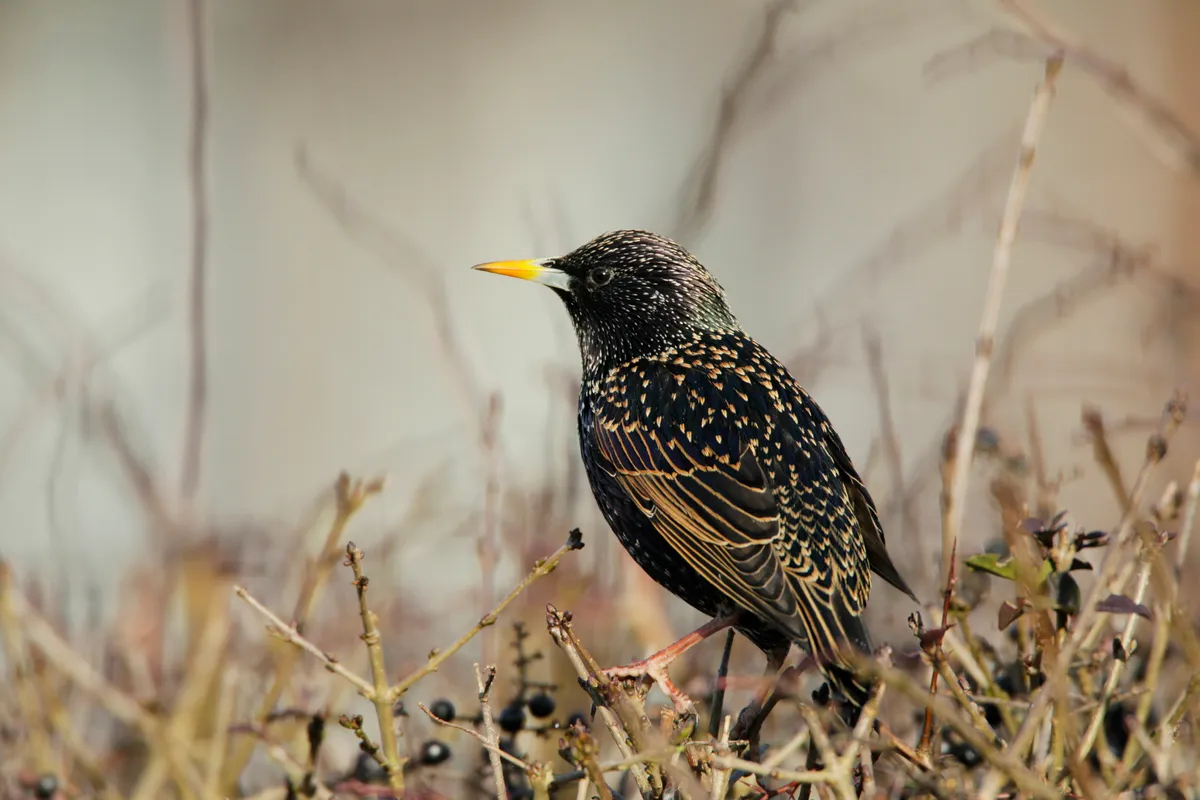
Although in decline elsewhere, starlings came in as the fourth most common garden bird in 2025. They can be identified by their short tail, pointed head and triangular wings. They are noisy birds and spend a lot of the year in flocks. They measure 21cm.
Blackbird
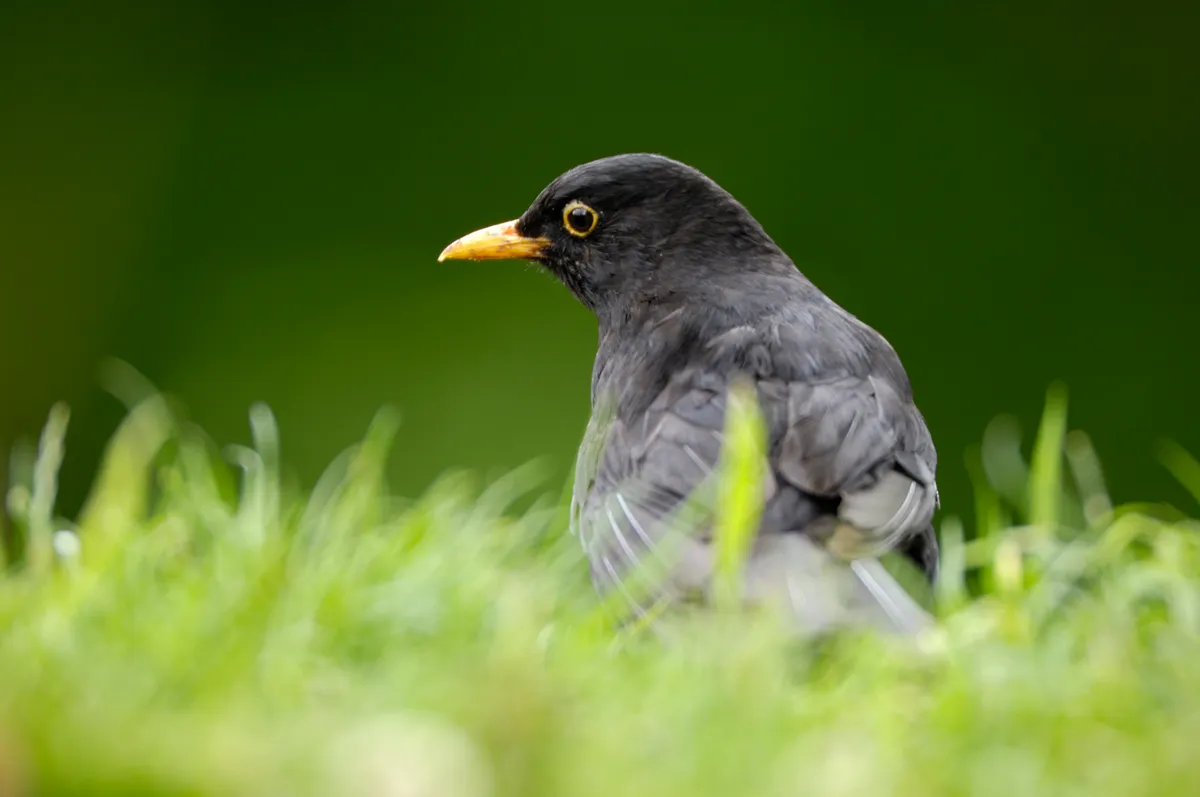
Blackbirds are another common and popular garden bird and are non-mover in the fifth spot for the Birdwatch in both 2024 and 2025. Males are black with a striking orange beak, whereas females are brown and often streaky with brown beaks. They measure 24-25cm.
Robin
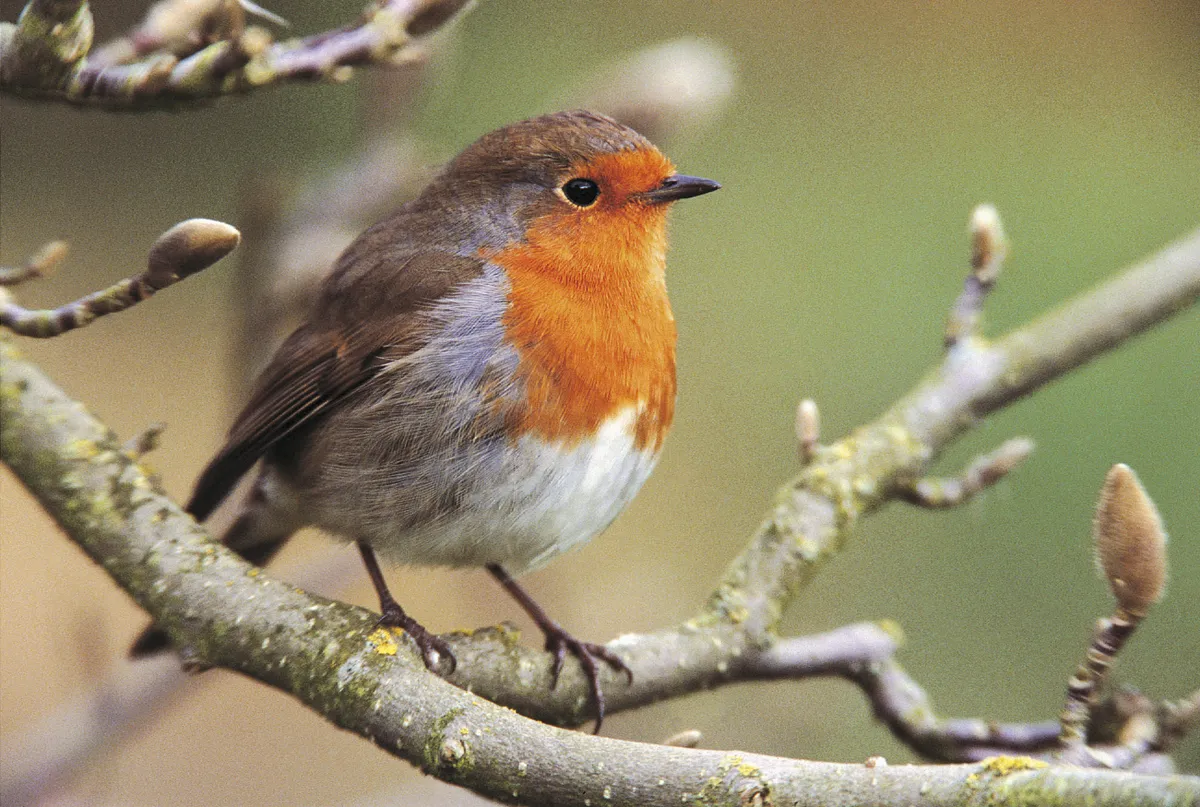
The favourite of our Christmas cards and an inquisitive garden visitor, robins are perhaps one of the most popular garden birds. They are identifiable by their bright red breast and males and females look the same. They are aggressively territorial birds and have a distinctive and melodic song. They are about 14cm long.
Great tit
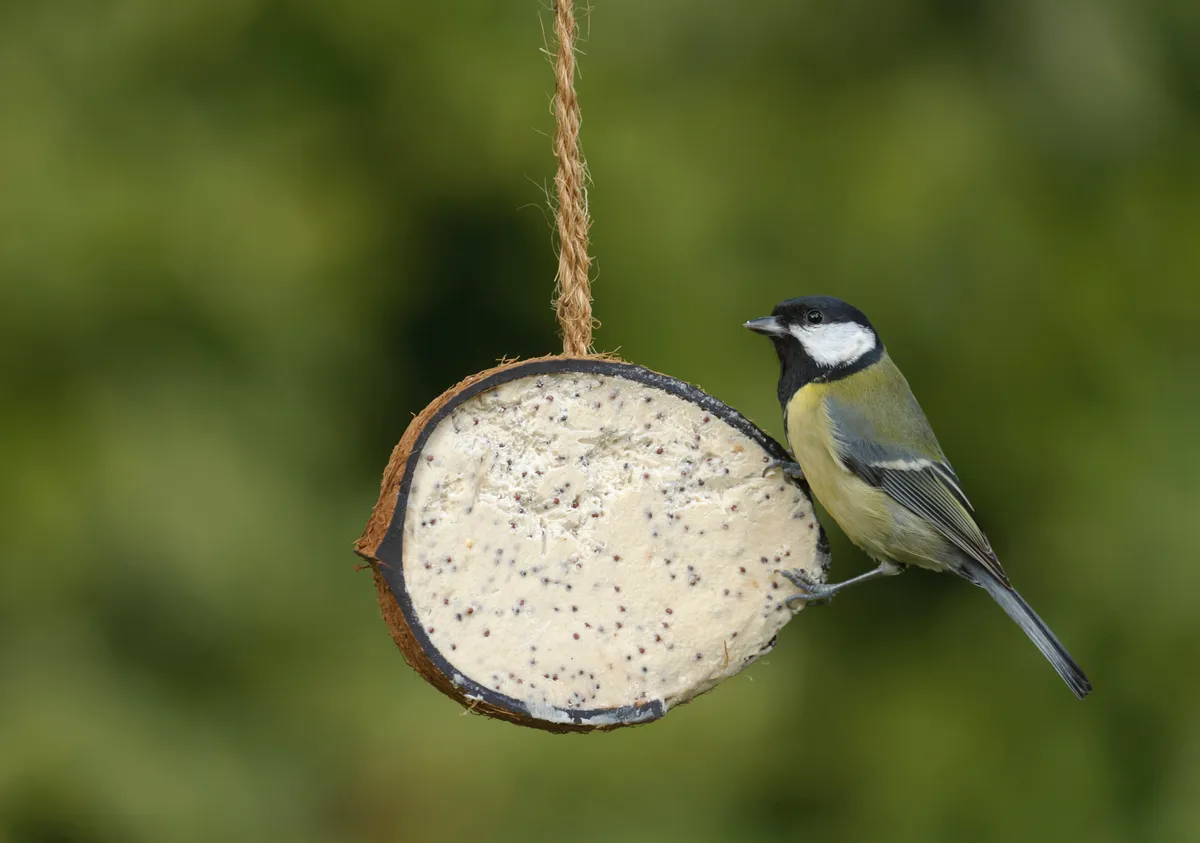
Great tits are the largest tit in the UK and can be identified by their green and yellow feathers and glossy black head with white cheeks. They are woodland birds but have become regular garden visitors. Measuring around 14cm.
Goldfinch
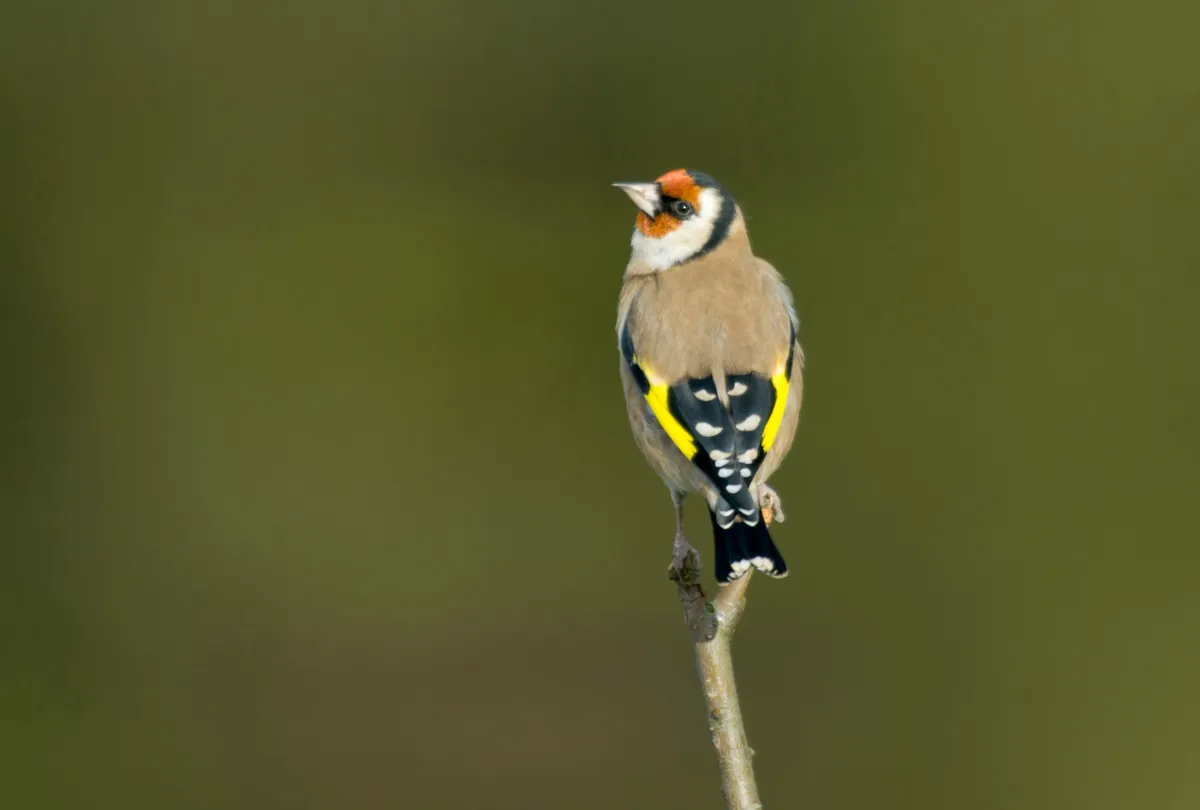
Coming in as the eighth most commonly spotted bird, the goldfinch has very distinctive markings making it easy to spot. They have a bright red face and a yellow wing-patch. Their twittering song is also recognisable, and they feed commonly from seed-heads like teasel. They measure around 12cm.
Magpie
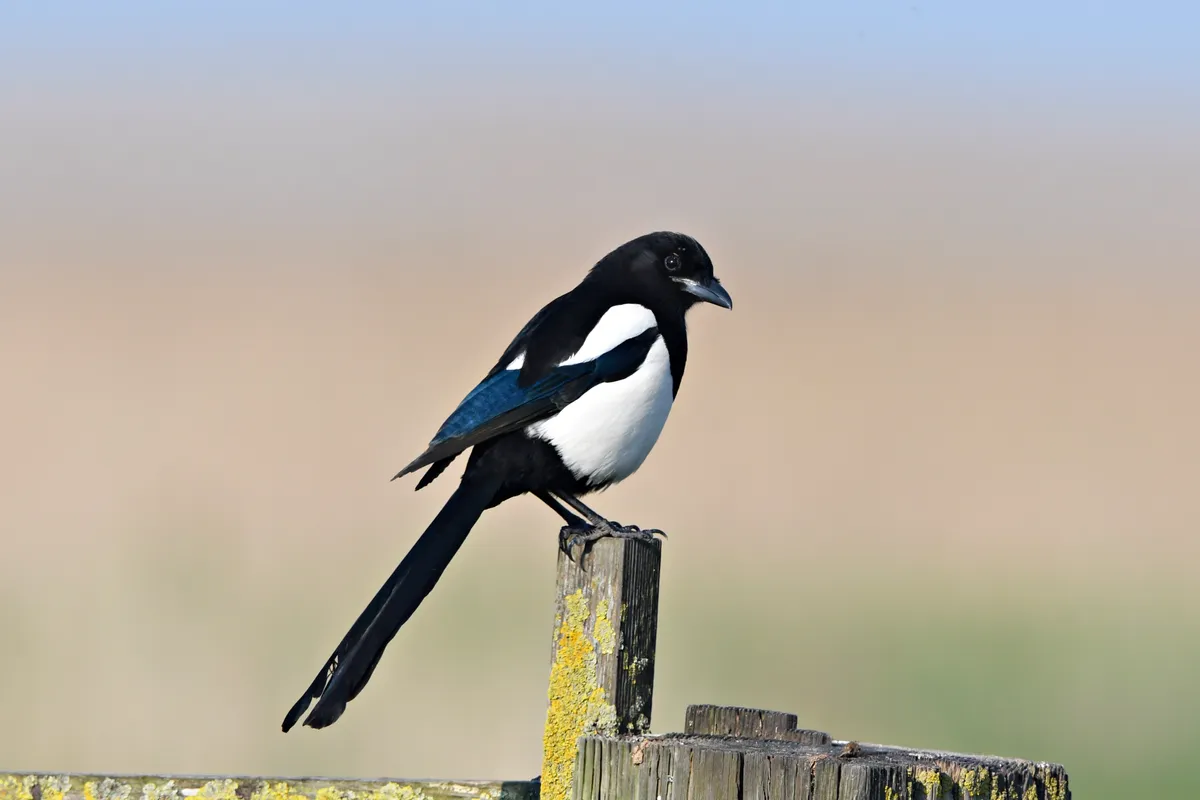
Magpies are noisy birds and very recognisable. Appearing to be black and white from a distance, close up their plumage is more iridescent. They measure between 44 and 46cm.
Long-tailed tit

Long-tailed tits came in tenth place in the Big Garden Birdwatch in 2025. They have a distinctive blush, black and white colouring. They also have a tail that is bigger than its body and a bouncing flight, usually noticed in small, excitable flocks of around 20 birds. They eat insects and occasionally seeds in autumn and winter. They measure around 14cm.
Other birds to look out for
There are plenty more species to look out for including collared doves, dunnocks, jackdaws, feral pigeons, chaffinches, carrion crows, coal tits, greenfinches, wrens and song thrushes.
Ways to attract birds to your garden
We have plenty of tips and advice on how to attract birds to your garden:
- Best bird tables to buy
- Best bird boxes to buy
- Best bird feeders to buy
- Best bird baths
- Bird seed for different birds
- Best plants for birds
- Best trees and shrubs for birds
You can also get prepared for the RSPB's Big Garden Birdwatch with these birdwatching kits.