Gardening is considered a healthy hobby as it enhances mental and physical wellbeing. As with any hobby there are aspects that can cause injury. If correct tools and methods are used the risks are greatly reduced.
Allergies from plants or stings from biting insects aren’t so easy to avoid but knowing which insect and which plants might cause an issue is helpful. Weather is also a consideration with sunburn and extreme cold being reason to wear the correct clothing.
On balance the benefits of gardening greatly outweigh the risks.
13 hidden dangers in your garden
Sunburn and sunstroke
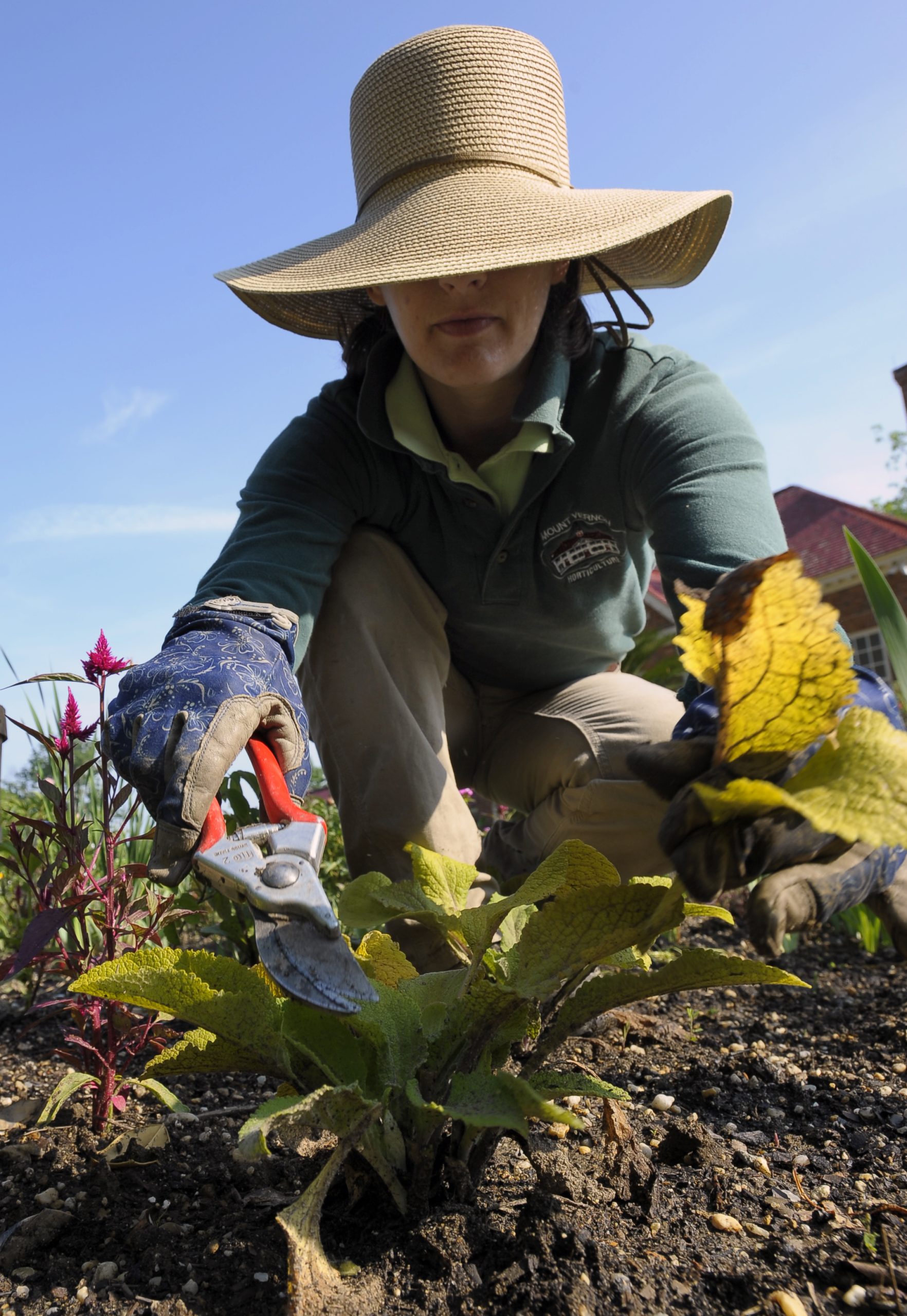
In hot weather try to garden first thing in the morning or in the evening to avoid the heat of the midday sun. Alternatively choose a shady place to work. Wear lightweight clothing that covers your skin and a wide brimmed hat and have sunscreen at hand. Drinking plenty of water is highly recommended.
Poisonous plants
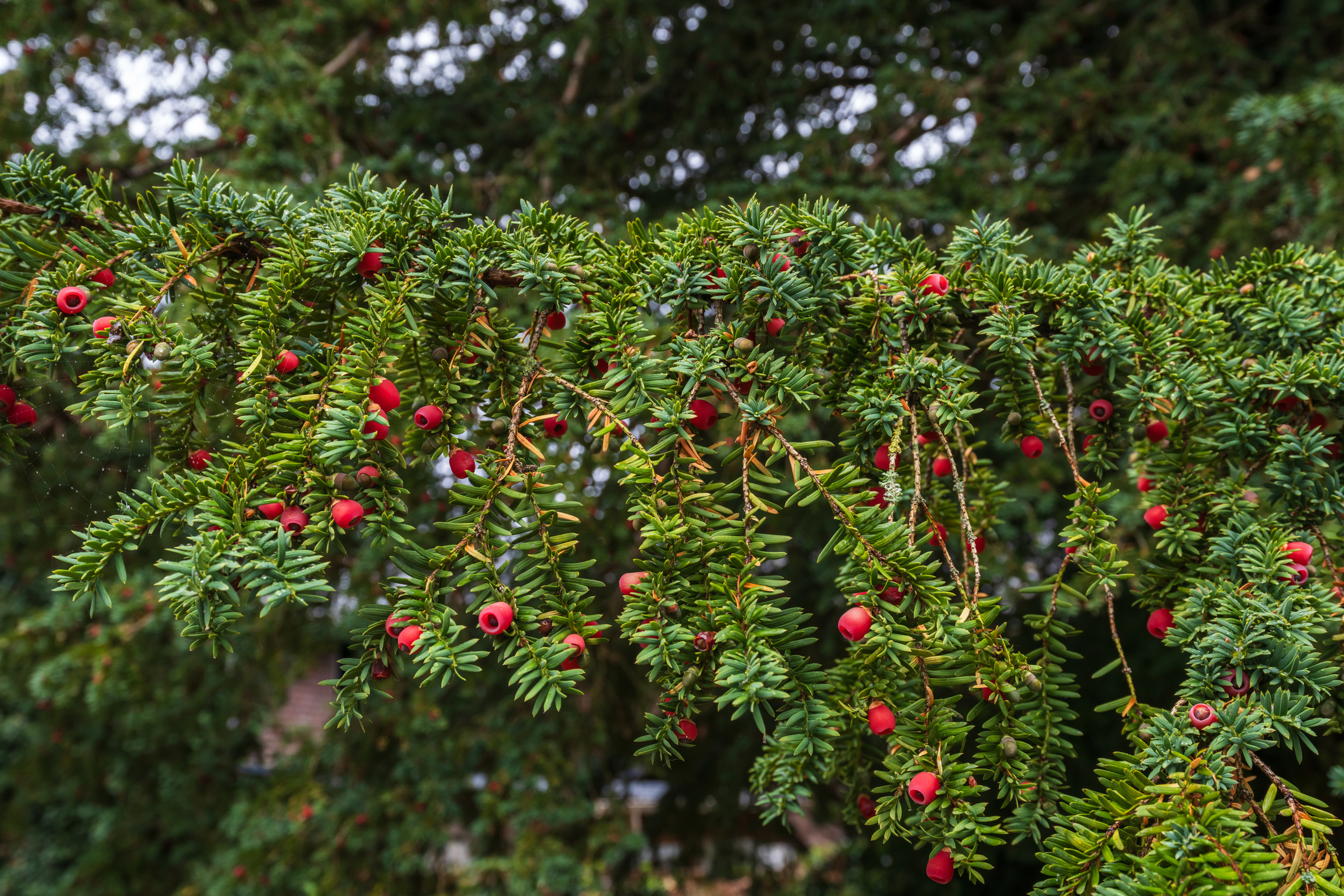
The majority of common garden plants are not poisonous, however never eat anything from your garden without identifying the plant correctly first. Some plants have poisonous seeds, others fruit or foliage and flowers. Be aware that some house plants can also be very poisonous.
You may also like
Children are mostly at risk if left to play unsupervised in the garden with fruits being particularly tempting. If you think your child or an adult has eaten a poisonous plant, seek medical advice immediately. Taking a bit of the plant, fungi or fruit with you to the hospital is sensible.
The Horticultural Trade Association have produced a list of plants potentially harmful to people and pets which is a useful guide when planting a garden.
To avoid the risk of accidentally consuming poisonous plants by putting your hand into your mouth wear garden gloves and wash your hands after gardening.
Sap, thorns and stings
To find their place in nature and to survive, plants have adapted to protect themselves. Some have sap that can cause nasty burns and blisters. A common garden plant that often causes issues is Euphorbia. Giant hogweed is also a plant that should be avoided as its sap burns the skin.
When working with plants with dangerous sap you would be advised to wear goggles and gloves and keep any affected skin out of sunlight. If blisters appear seek medical advice.
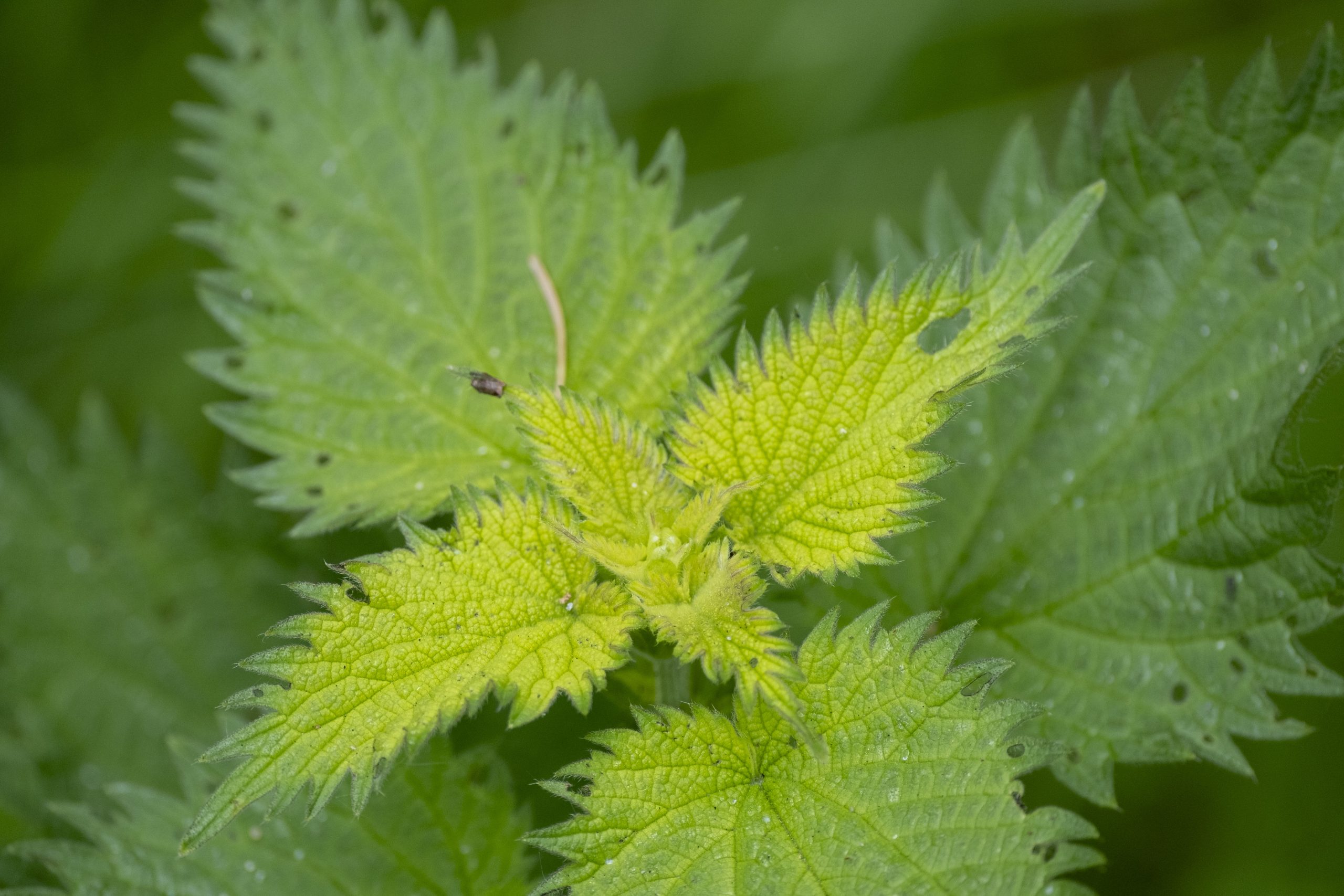
Nettle stings are a common problem faced by gardeners. If stung wash the affected area with soap and water and avoid scratching.
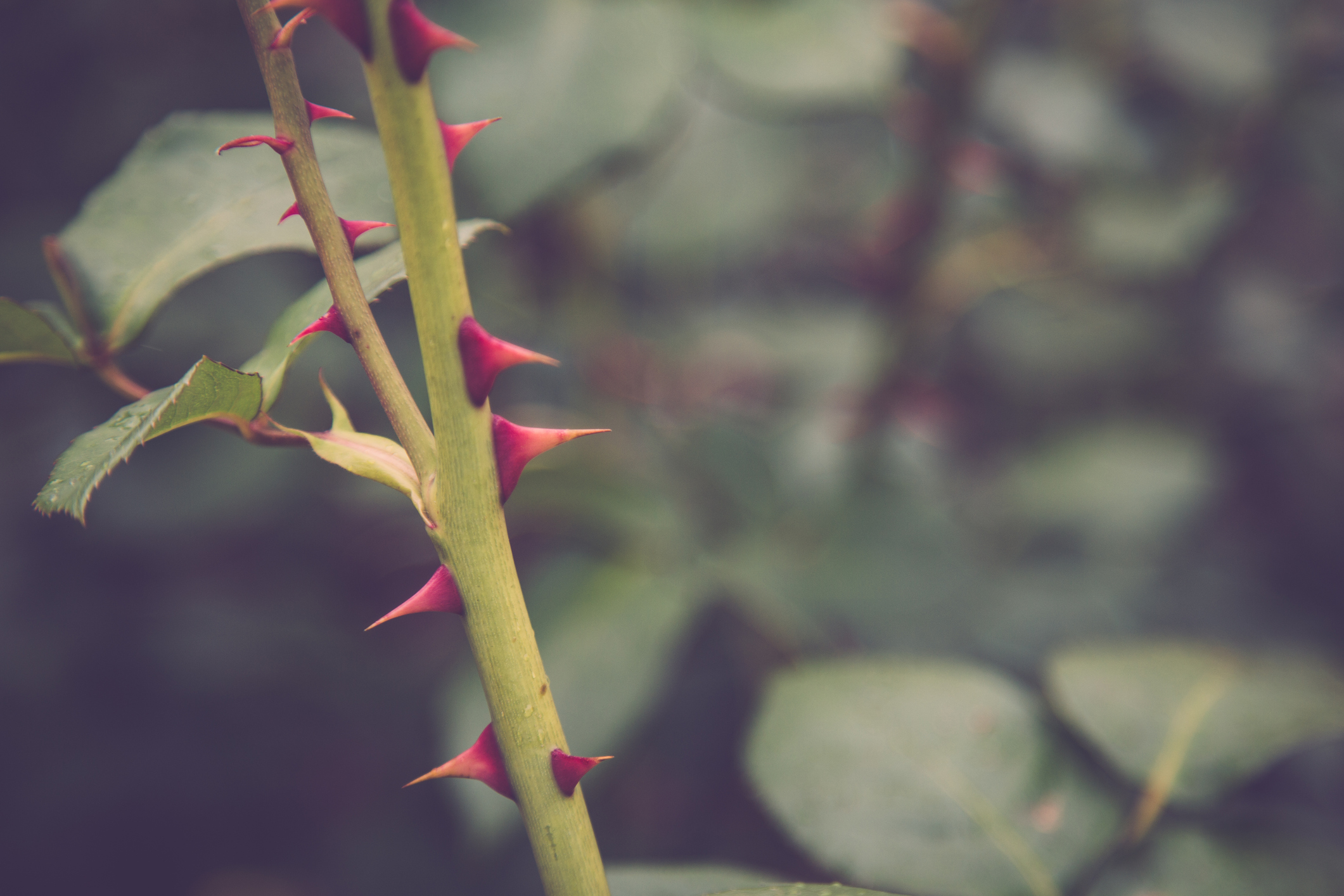
Plants with thorns make wonderful hedges but when pruning they can be hazardous. Wear protective goggles and thick leather gloves to avoid splinters and scratches.
You may also like
- These 'thug' plants will take over your garden, so avoid at all costs
- 10 weeds you need to worry about in the garden
Hand tools
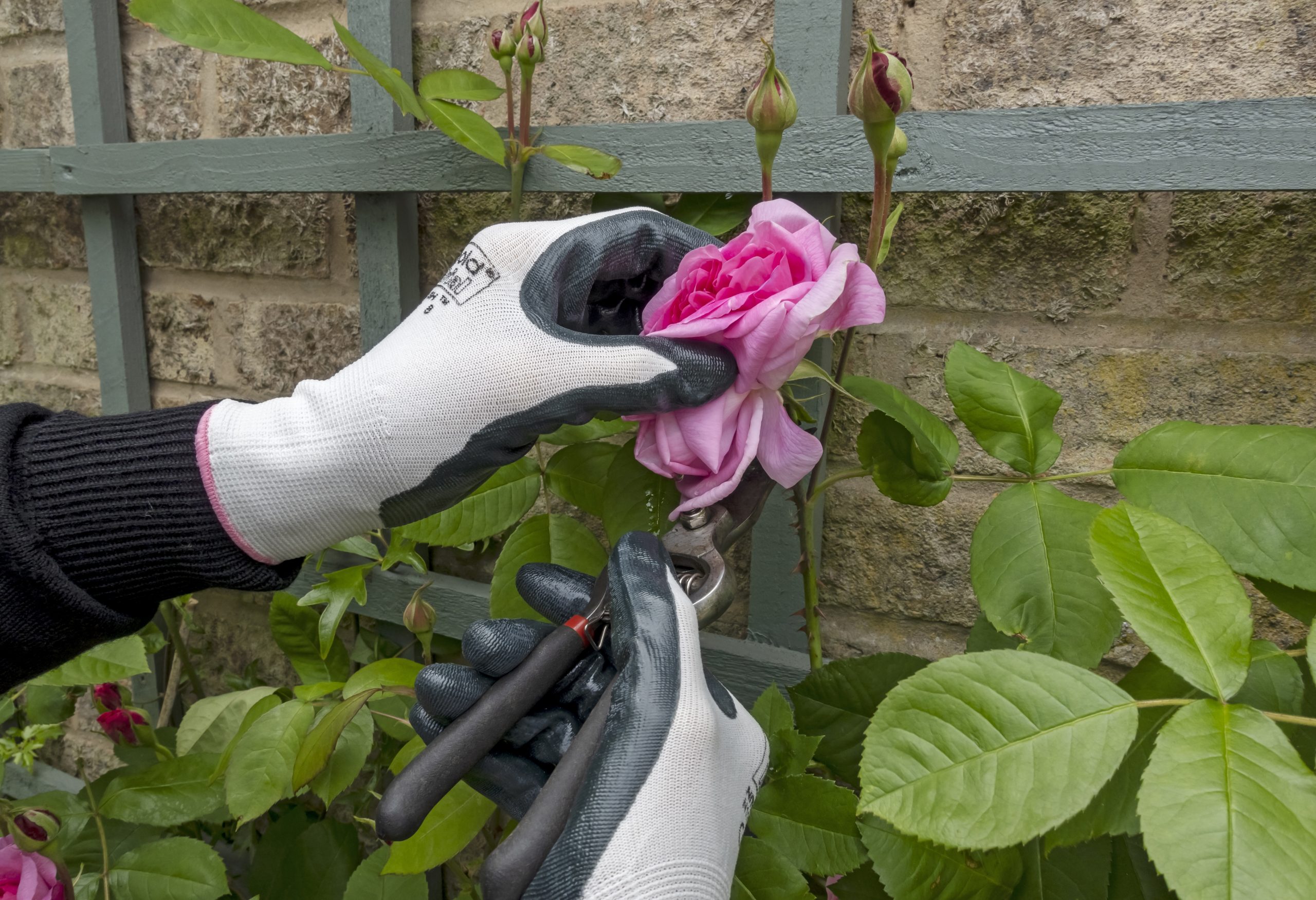
They might not have an engine, but some common garden hand tools can cause injury. Sharp items such as the popular Japanese trowel, secateurs and pen knives should be carried in holsters and never left lying around the garden.
Keeping tools sharp makes them safer as less force is required when cutting and the tool is less likely to slip when in use. Wipe hand tools down with an oily rag and sharpen regularly.
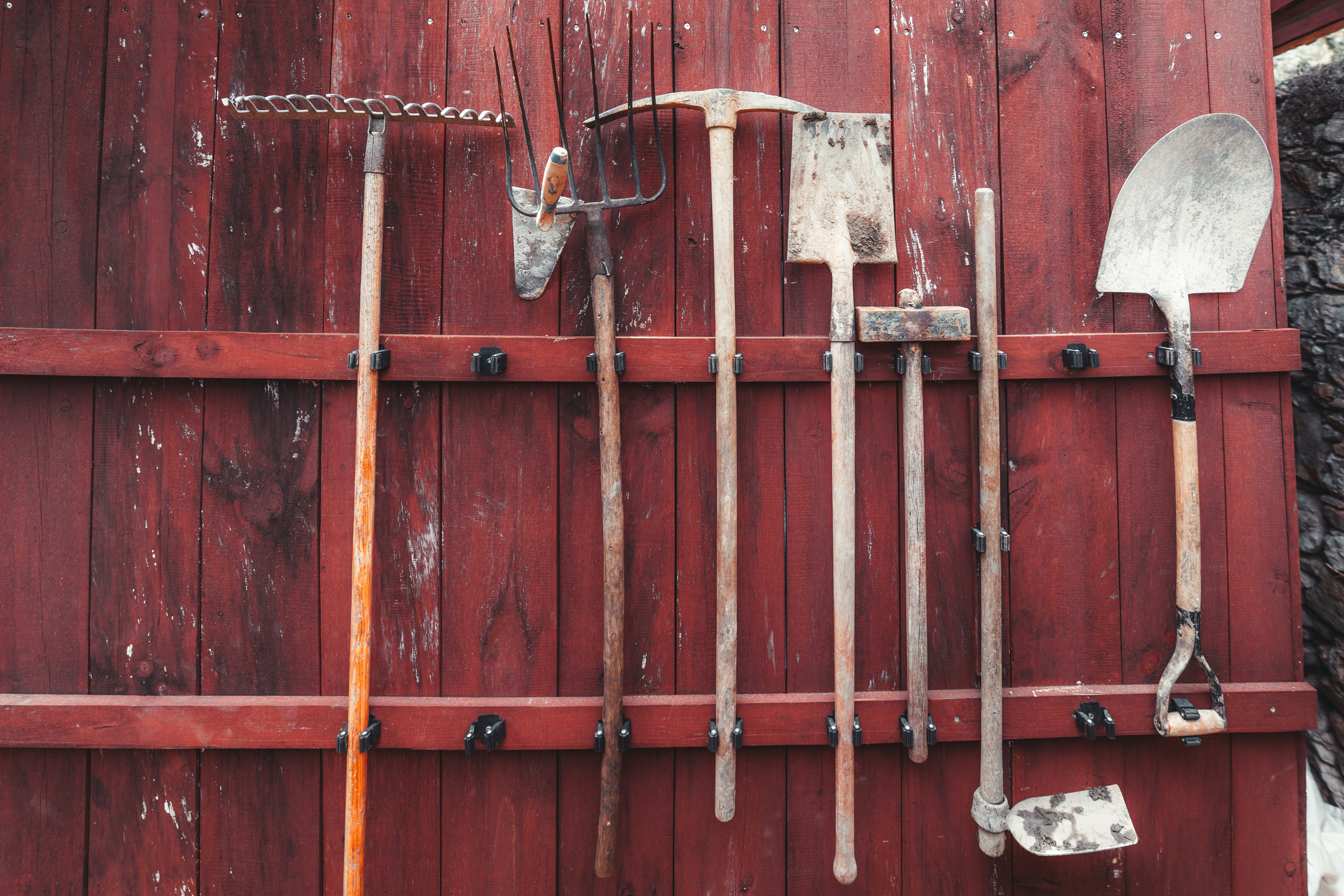
Rakes, hoes and brushes should be wall mounted in a shed to avoid standing on the end and the handle then hitting you in the face.
Wearing steel toe capped boots is highly recommended when digging as it is easier than you might think to put a fork through your foot.
Power tools
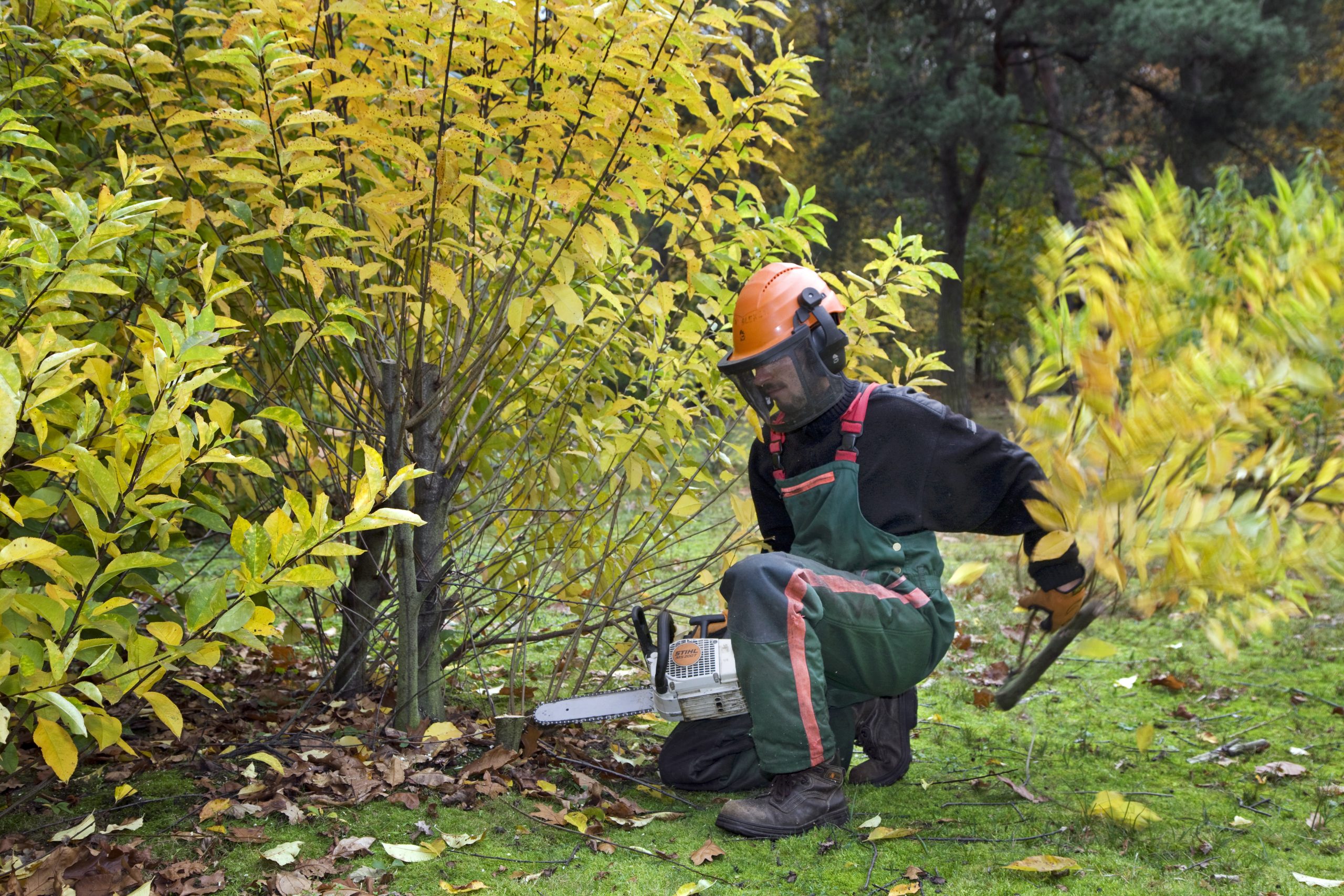
Garden power tools have advanced significantly, and the introduction of battery tools has reduced the risk of tripping over electric cables. Power tools must be serviced when recommended and fuel for petrol tools stored in approved containers and kept away from ignition sources and never stored in the house.
Whichever tool you are using the manufacturer’s instructions must be read and their health and safety advice followed. Mowers should never be used with flip fops or bare feet!
As a rule only use power tools for short periods of time and then take a break. Avoid loose fitting clothing and wear steel toe capped boots, ear defenders, googles and gloves.
You may also like
Never work at height and always ensure that there is someone else in the garden with you when working. As a precaution keep your mobile phone in your pocket.
Working at height
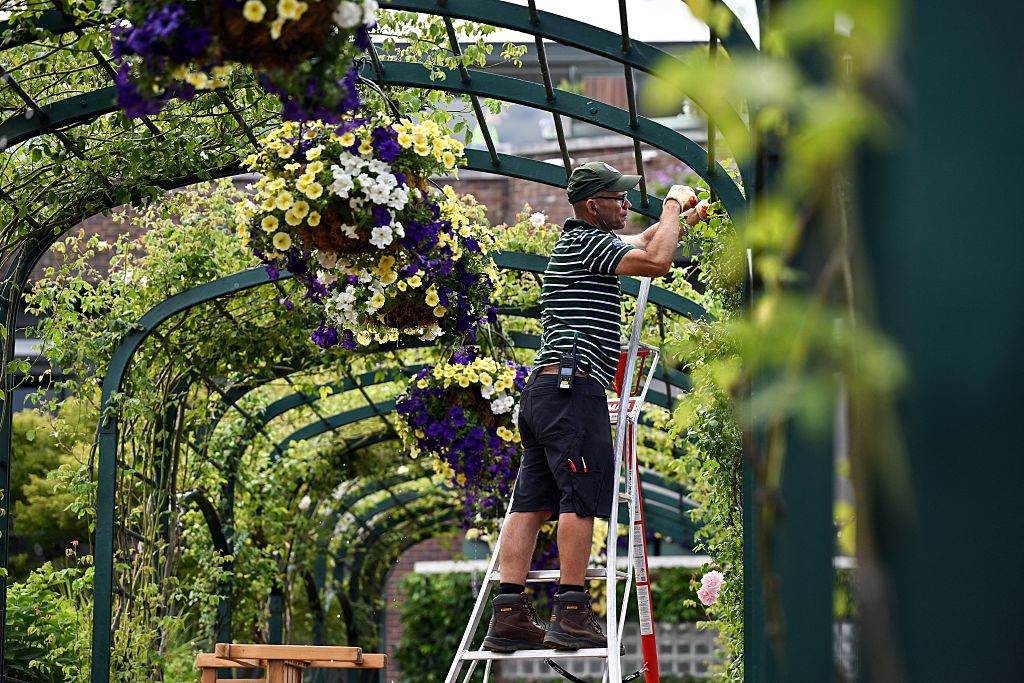
Hedge cutting and pruning often involves working at height. Never to tempted to work from a garden chair or table. The ideal is a proper tripod garden ladder or platform, especially if ground is uneven. Avoid working in windy or wet weather and make sure someone else in the garden.
Check where any power cables might run before starting work and wear the appropriate safely clothing for the task.
I learnt ladder safety the hard way. From the top of a pair of step ladders, I overreached to cut a branch and fell. Falling 5ft resulted in a broken spine. I was working alone in the garden without my mobile phone so was left to crawl back to the house. It really isn’t worth taking the risk and I now never use a ladder when on my own in the garden. I was lucky that I fell on grass.
There are now many tools with extendable handles which can greatly reduce the need to climb a ladder.
Tetanus
Tetanus is a serious, life-threatening condition caused by bacteria getting into a wound. It is rare in the UK due to the tetanus vaccine being widespread, however if you have not had the vaccine, you may be at risk.
If soil or manure containing bacteria gets into a wound, you may be at risk of tetanus.
When hand weeding you are very likely to come across pieces of broken glass, metal, sharp stone or wood. To reduce the risk of injury wear gloves and use a kneeler or knee pads. Check that your tetanus vaccine is up to date and seek medical advice if concerned.
You may also like
- UK gardeners could be sleepwalking into a £30,000 repair bill
- Invasive pests and diseases are the biggest challenge facing gardeners today
Sepsis
Sepsis is a serious reaction to an infection that can be life-threatening. It develops quickly and needs urgent medical treatment.
Garden designer, writer and broadcaster Karen Gimson offers some words of warning: "I got a splinter in my hand while I was sweeping out the potting shed. The long-handled broom had a tiny rough patch and that's where the splinter came from. I didn't think it was important at the time. I washed my hands and applied a plaster,” she says.
“The next day, my hand started to itch and swell and I noticed a red line creeping up my arm as if someone had drawn on it with a pen. I couldn't get a doctor's appointment, so rang 111 for advice. Luckily, I was seen within 20 minutes at the local urgent care centre and sepsis was diagnosed. Antibiotics soon got the infection under control. But it is a reminder that blood poisoning or sepsis can be caused by simple things like a splinter, a rose thorn, a tiny cut, or an insect bite. Listen to your inner voice and ask for advice, even if the injury seems insignificant."
Unexploded ordnance
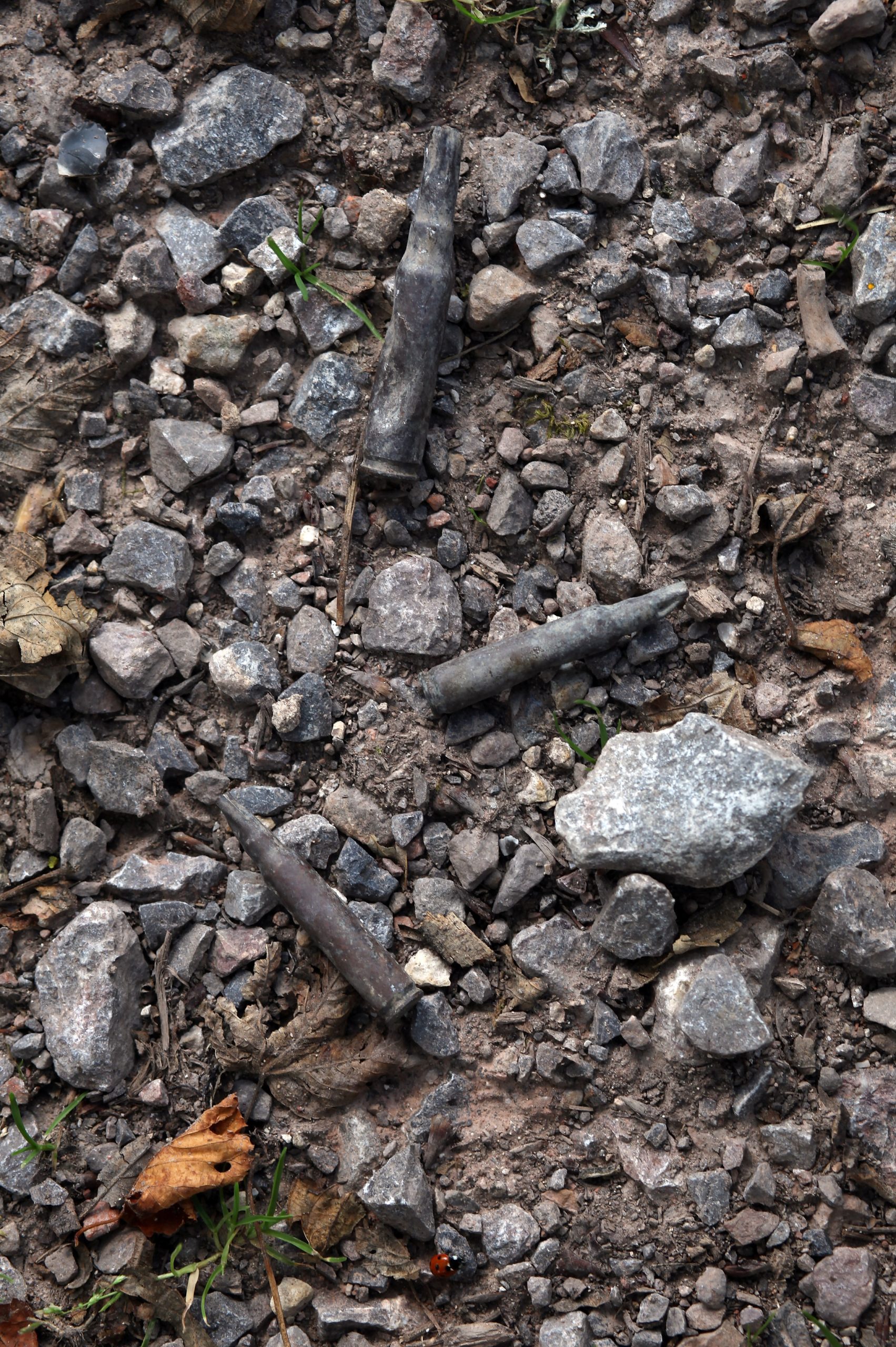
Credit: Matt Cardy/Getty Images
It might sound extreme but there have been cases of unexploded ordnance (UXO) being discovered in gardens. This is a term used to describe explosive weapons such as grenades. There is a risk that a disturbed UXO could be accidentally detonated. Should you find such an item call 999 and don’t attempt to move it.
Linseed oil rags
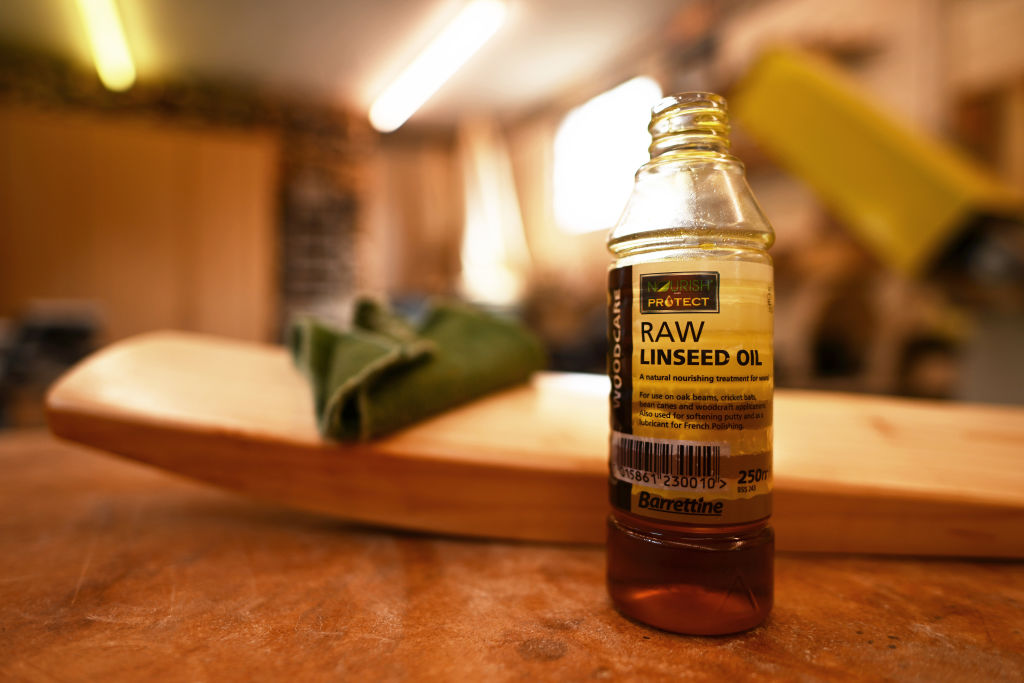
Most garden sheds are home to a rag that has been used to apply linseed oil to furniture or decking. The rags create heat as they dry and can spontaneously combust.
You may also like
To avoid this risk, submerge the rags in water in a metal container with a lid, or dry them outside on a flat surface. Avoid grouping your oily rags in a pile and never discard a tissue or rag into the bin that has been used to apply linseed oil.
Insect bites
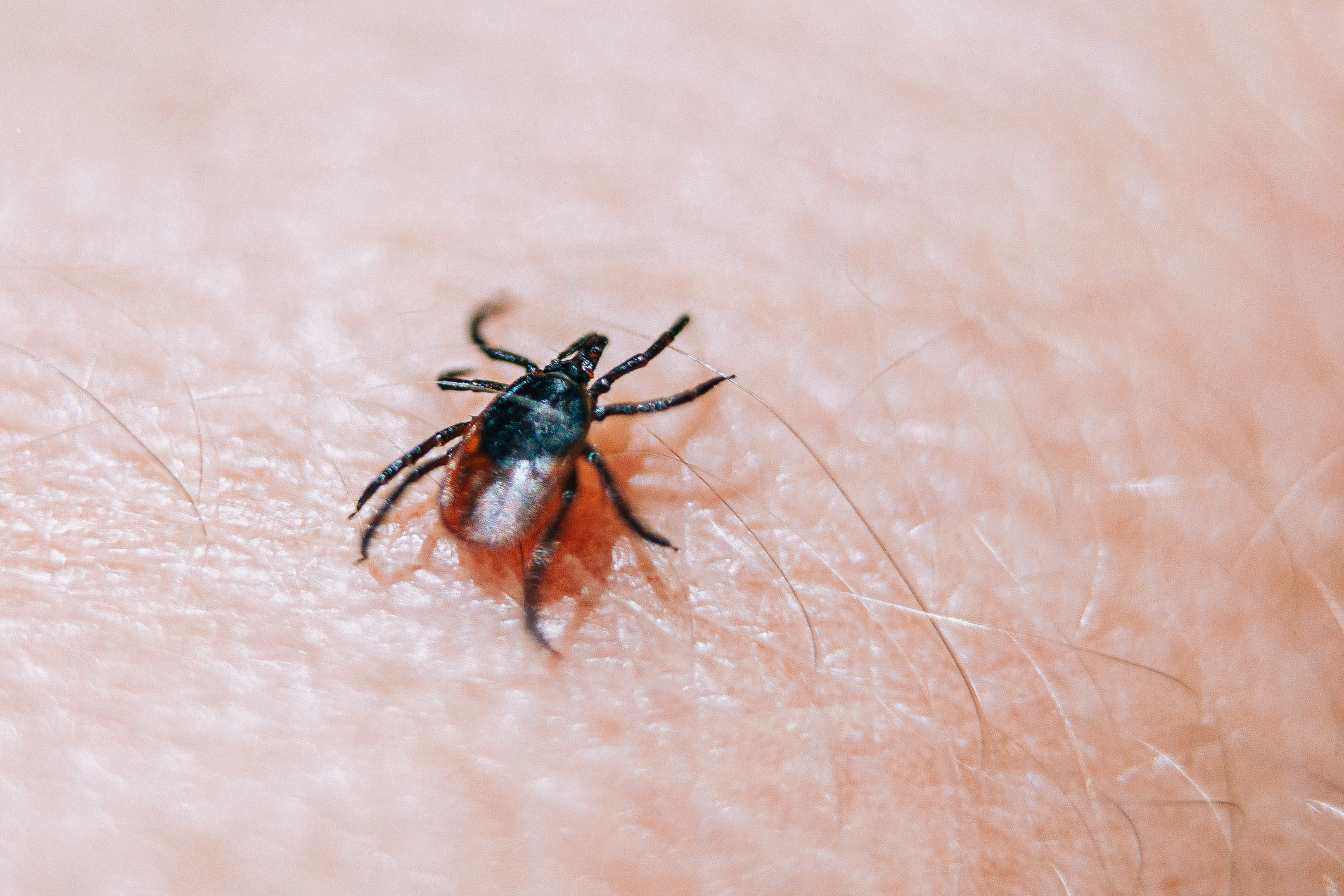
Insects should be welcomed into the garden as they provide natural pest control, pollinate flowers and breakdown decomposing matter. Being bitten by an insect is often more of an annoyance rather than a serious concern. However, different people react to different insects in different ways. Some insect bites can bring on anaphylactic shock which requires immediate emergency care. If you are known to suffer from this carry your prescribed medicine when gardening.
To reduce the risk of insect bites, cover up by wearing long sleeved clothing or investigate a suitable insect repellent. If you are concerned about ticks, which carry the bacterial infection Lyme disease, then wear trousers and tops with elasticated bottoms and cuffs.
Avoid working around stagnant water, long grass or compost heaps and resist bare foot gardening. Highly perfumed cosmetic products are known to attract insects. If a wasp or bee lands on you, keep calm and they should fly away.
Trip and slip hazards
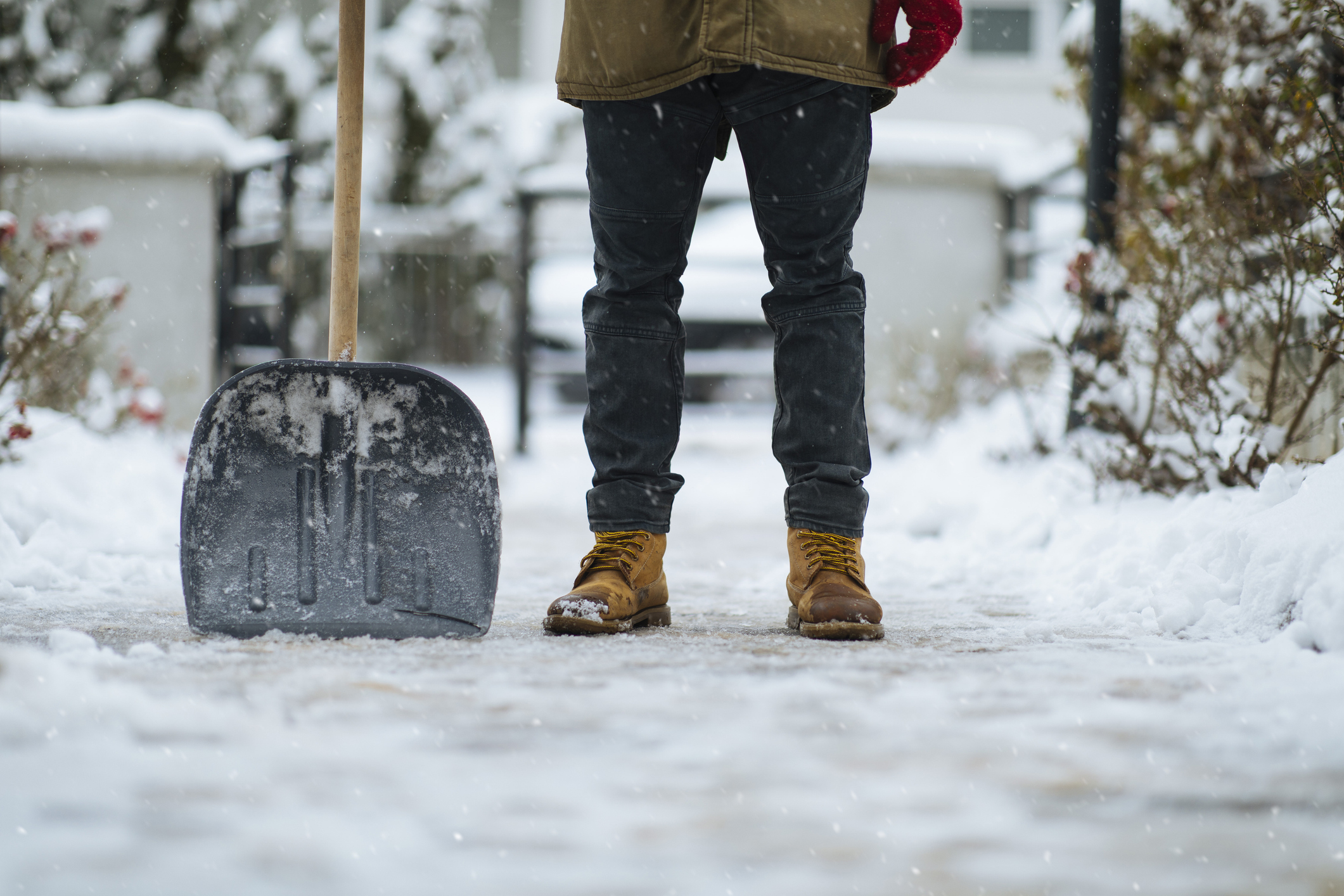
Gardens have many uneven and different surfaces. This allows for a diverse growing environment but increases the risk of tripping or slipping. After rain, frost or snow paving and decking can be a slip hazard.
You may also like
- 27 features that are making your garden look dated
- The design changes you should not make in your garden
Hosepipes and electric cables left lying around the garden create an obvious hazard so winding them up after use is essential.
Ground subsiding or the unexpected discovery of a well can also be serious hazards so if purchasing a new home enquire if there are such hidden features. Working around ponds, slipping or tripping into the water is a potential risk. Make sure that you are not alone when working in or by the pond. Even the shallowest of water can be dangerous.
Garden canes
Make safe the top of your garden canes with cane toppers. A cane in the eye or up the nose can cause serious injury.