Do you dream of a garden with the kind of high-end look that whispers designer, but look out onto a cluttered patio and scrubby lawn with dying plants in plastic pots? Don’t despair; with a few simple tweaks you can elevate your plot to the sort of outdoor space that will have friends and neighbours wondering whether you have enlisted the help of a professional.
You don’t have to spend a fortune to give your garden designer appeal, but it’s worth considering where to invest your budget, as small details make all the difference. We’ve spoken to some leading garden designers to discover their insider tips.
You may also like
- 31 small garden design ideas from expert garden designers
- 10 garden design mistakes and how to avoid them
Designer details to elevate your garden
#1 Beautiful furniture
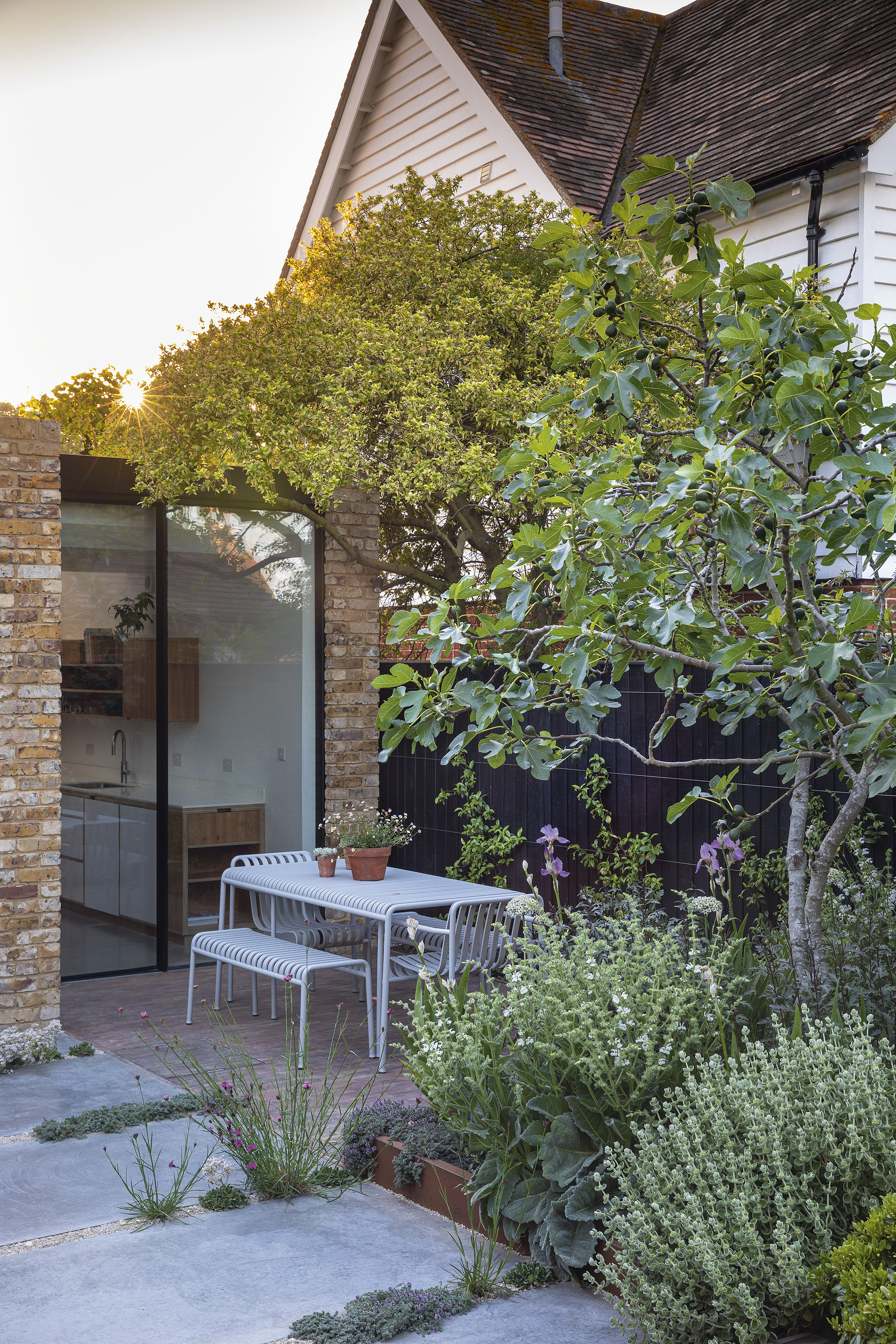
This is one area where doing your research and spending a bit more if you can afford it will reap rewards. “Treat your outdoor furniture with the same consideration as your indoor,” advises Pollyanna Wilkinson. “We spend a lot of time considering the right furniture for our houses – the same should go for your garden.” While beautiful furniture can make or break a design, she recommends avoiding anything too dark and chunky as this can fight with the softness of the garden. Instead, opt for timber furniture, which almost always adds an element of softness, or more delicate metal furniture in zinc tones. When it comes to choosing cushions, Pollyanna says: “Paler cushion seat colours in beiges or cream tend to feel more harmonious in the garden than dark grey or black.”
You may also like
A sure-fire way to give your garden the edge is to commission bespoke furniture, according to Catriona Rowbotham. One of her clients wanted a sinuous design in a compact space, so they commissioned a curved bench and vegetable planter. “The resulting space feels calm and resolved because of this attention to detail,” says Catriona. “For a space to feel truly relaxing the design shouldn’t call attention to itself – it should just feel right,” she adds.
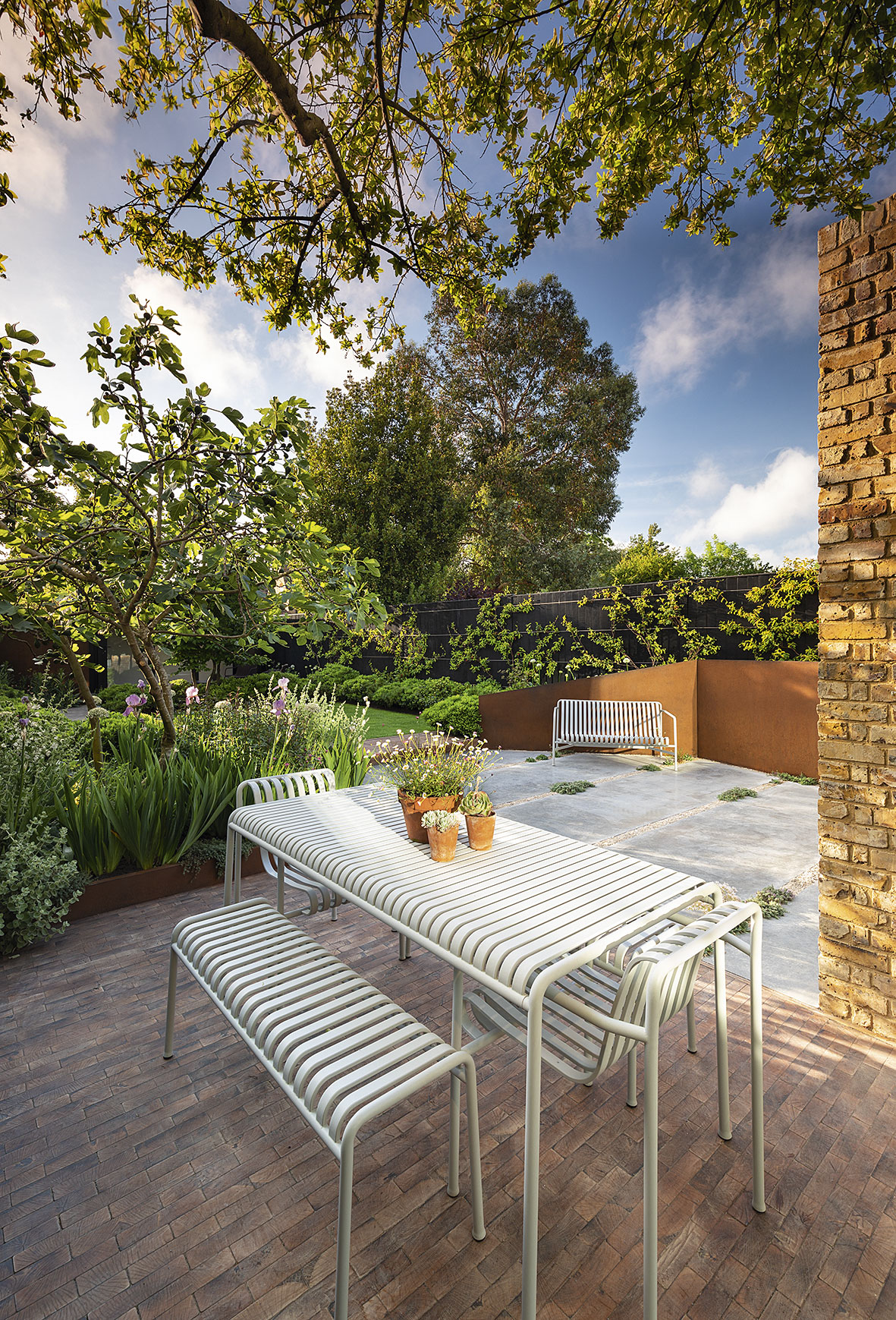
Alternatively, choose a timeless off the peg design such as Hay Palissade furniture, much loved by leading landscape architects. The contemporary Danish brand makes chairs, tables and benches covered in weather-proof powder coated steel, in stylish shades of anthracite, sky grey, olive and iron red. Stefano Marinaz, who has used the range in several of his gardens, says: “It is nice light furniture to move around, with a modern and simple design. I particularly like the fact that it doesn’t block the view of the garden, as you can see through it. You can notice its presence without it being visually too heavy.”
Another benefit is that it is designed to be left outside all year round and doesn’t need to be stored or covered up. This is a particular bugbear of Richard Miers, who says: “One of my pet hates is people covering up furniture. Furniture should be able to be outside all year round and you take a small cushion outdoors if you’re going to sit in it,” he says.
#2 Classy containers
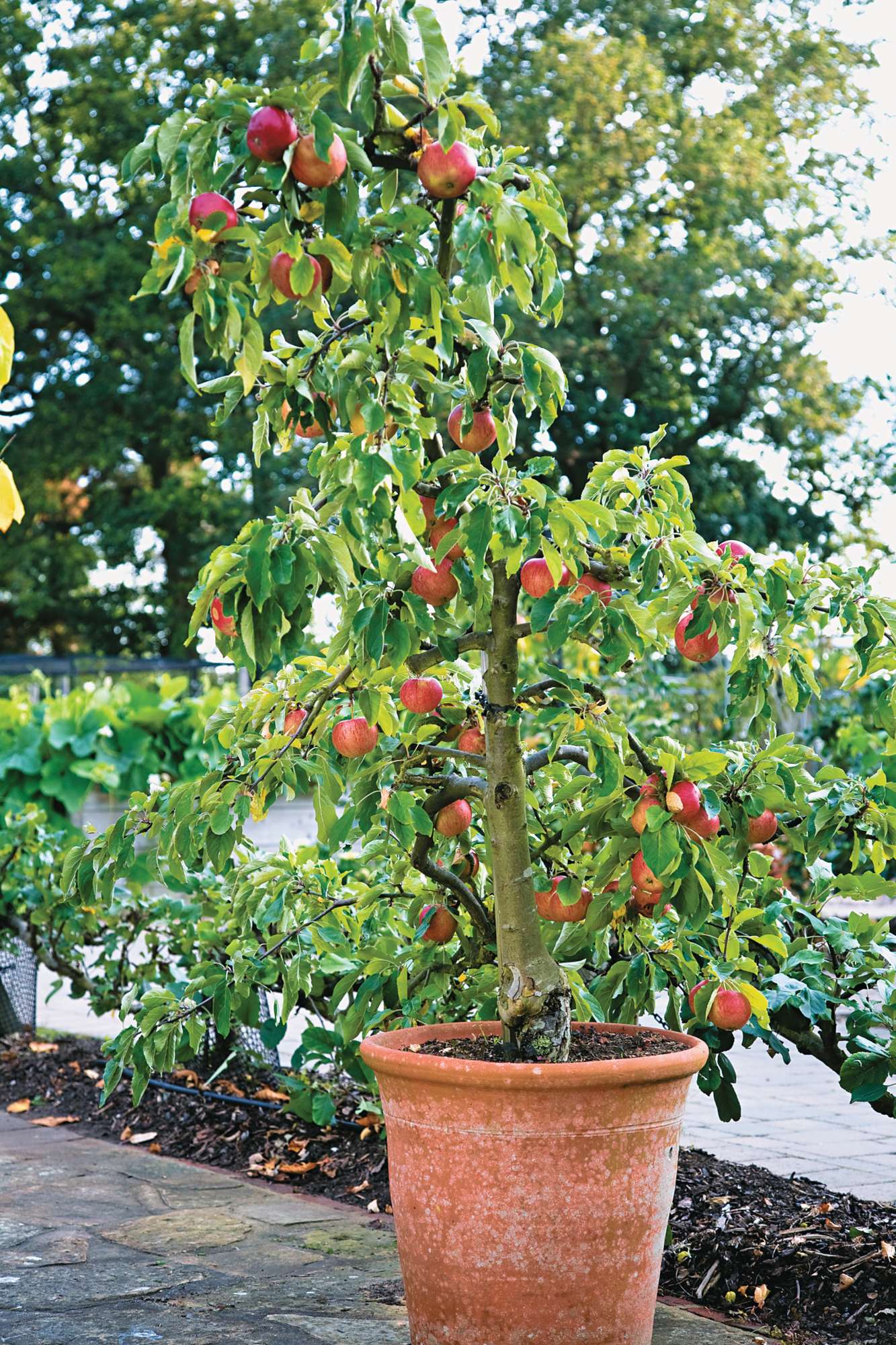
When buying new pots, the rule of thumb is the bigger the better. “Fewer large pots feel more intentional than clusters of short ones,” says Pollyanna. “Go as big as you can, even in small spaces. It will feel like a deliberate choice and allow for more plants within. They are also much lower maintenance and need less watering,” she adds.
You may also like
- You can have a sustainable garden that's also beautiful
- How to turn your garden into a peaceful sanctuary
Pots should be made from terracotta or other natural materials, never plastic, insists Richard. “Terracotta can look fantastic straight away and ages very nicely, if it is handmade rather than machine made. I love in when the salts come through, showing you’ve watered it for a while,” he says. Some people even spread yoghurt on pots to achieve this effect faster. One of his favourite brands is Torc Pots, based in Jersey, which makes handmade containers to order using environmentally friendly eco-crete.
Jinny Blom also recommends looking for the largest containers you can find, including those made from galvanised steel and coopered wood with steel bands. “Anything as long as it’s big. Plants need a lot of root space and water and stability from the wind,” she says.
#3 Natural and reclaimed materials
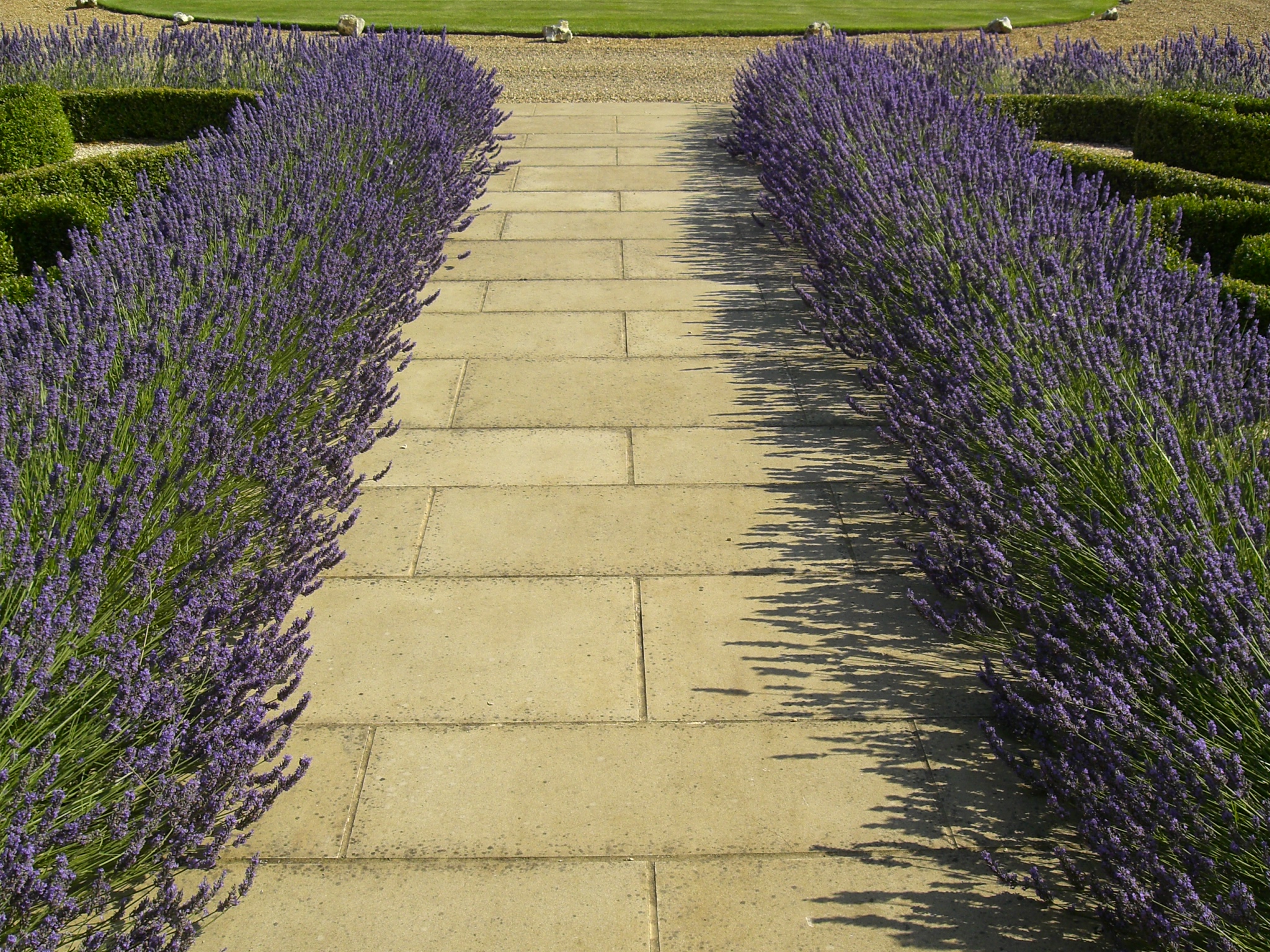
If you are choosing new hard landscaping or fencing for your garden, always opt for natural, local materials where possible. In the UK, this could mean weathered Yorkstone, Derbyshire limestone or Portland stone. If local stone isn’t available, then use reclaimed brick or another material that is in-keeping with the vernacular. “Using something that looks like it belongs in its landscape is important. I don’t use slate outside Wales,” says Richard. “Use a stone that can weather. The patination with lichens growing on it can make something feel high-end in a way that conveys decayed elegance,” he adds.
“There is more to life than cheap concrete paving,” agrees Jinny, who suggests Victorian encaustic tiles or patterned concrete tiles as an alternative. When it comes to decking, she prefers reclaimed timber to new, both for its appearance and sustainability.
You may also like
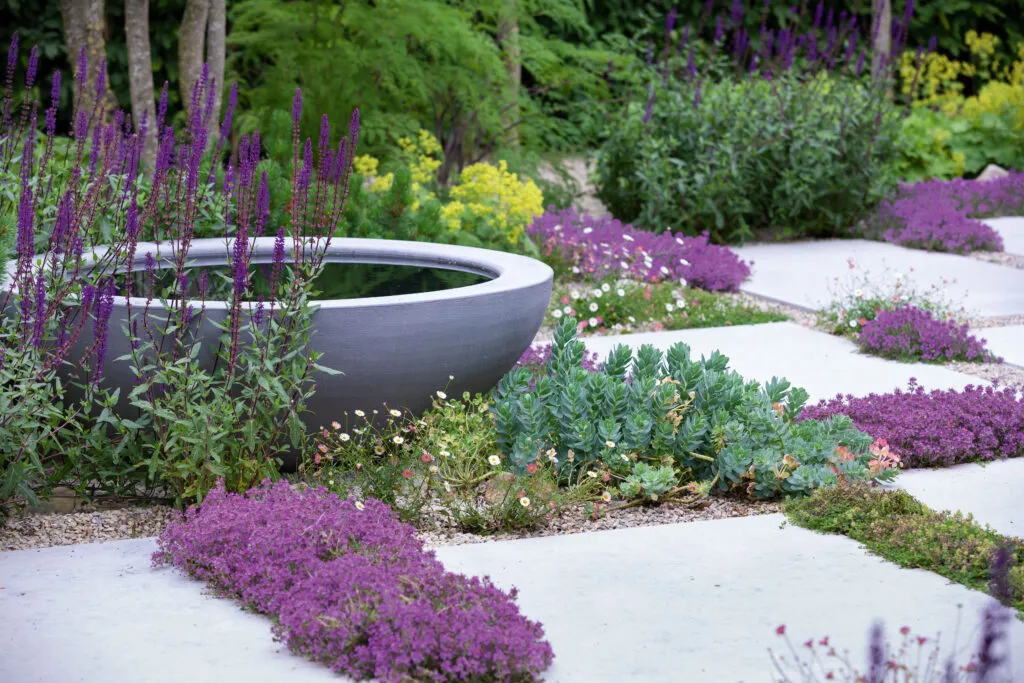
Mix up your materials, recommends Pollyanna. “Rather than simply using large format paving slabs throughout, consider mixing up the sizes and combining a large paving stone with a smaller format, whether it be brick, a clay paver, or a smaller version of the same paving, cut down to a cobble or stacker size. We will often use large format in gathering spaces, but use smaller format in transition areas, or vice versa. It’s this attention to detail that makes a space feel considered.”
Hard landscaping is not the only item you can pick up at the reclamation yard. Smaller vintage items can help make a garden feel more established. “I bought an old watering can that looks like I’ve had it for years and years. It’s not all shiny and new and that gives provenance,” says Richard.
#4 Generous planting
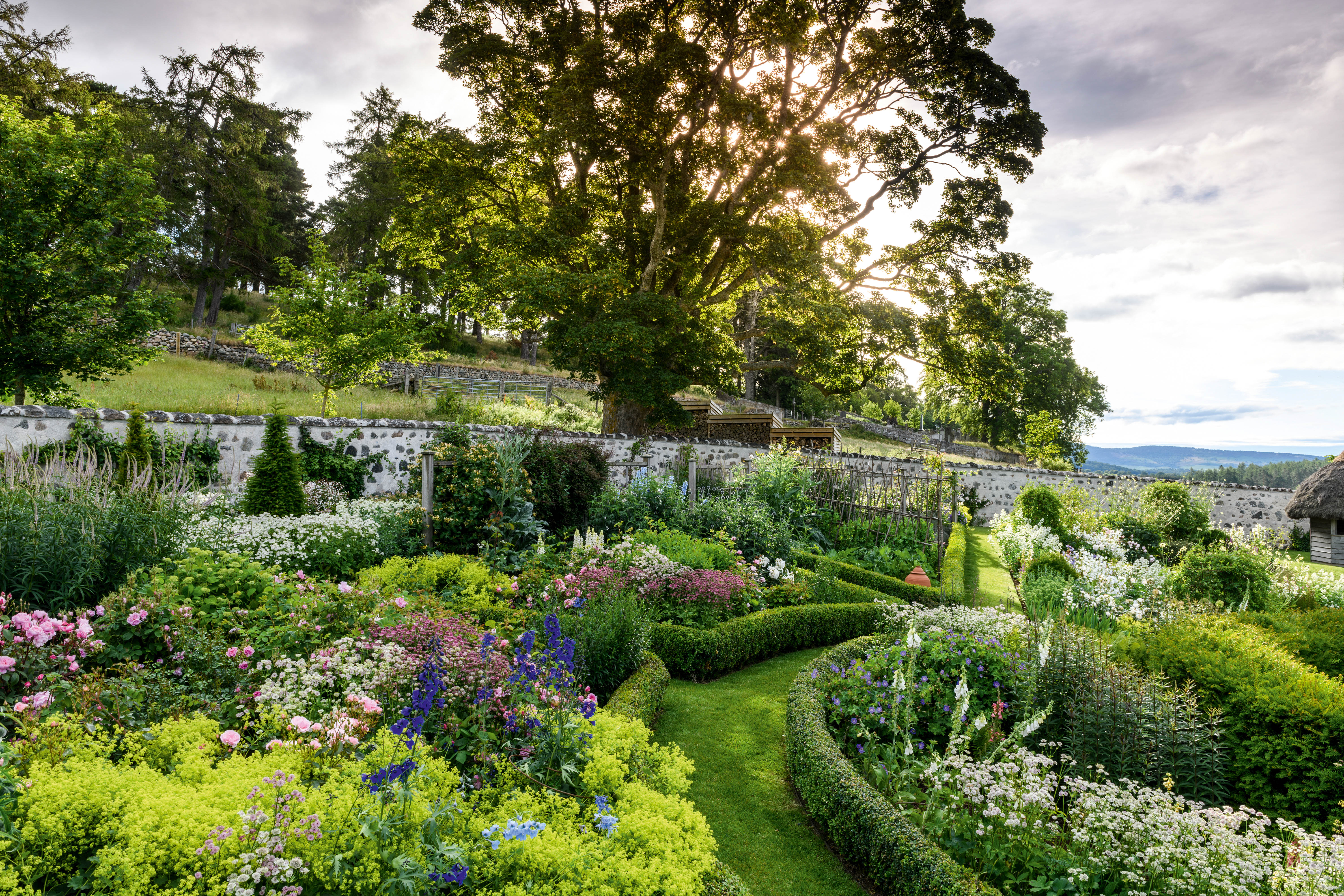
There is nothing so guaranteed to let a garden down as pinched, mean borders around the edge of a lawn. Designers know generosity is key and that when it comes to planting, more really is more.
“Narrow borders feel like an afterthought. If you have a large paved area or lawn, it stands to reason that the planting areas between need to be generous enough to balance them out, not act like a skinny border between,” says Pollyanna. Her top tip is not to pave right up to your walls, fences, or house, instead allowing space for planting. “We try and avoid paving up to a vertical plane which feels unfinished. By adding a planting border as a buffer between the walls or fence and paving, it’s softened and adds transition that feels intentional. It also instantly gives you the opportunity to add climbers,” she says.
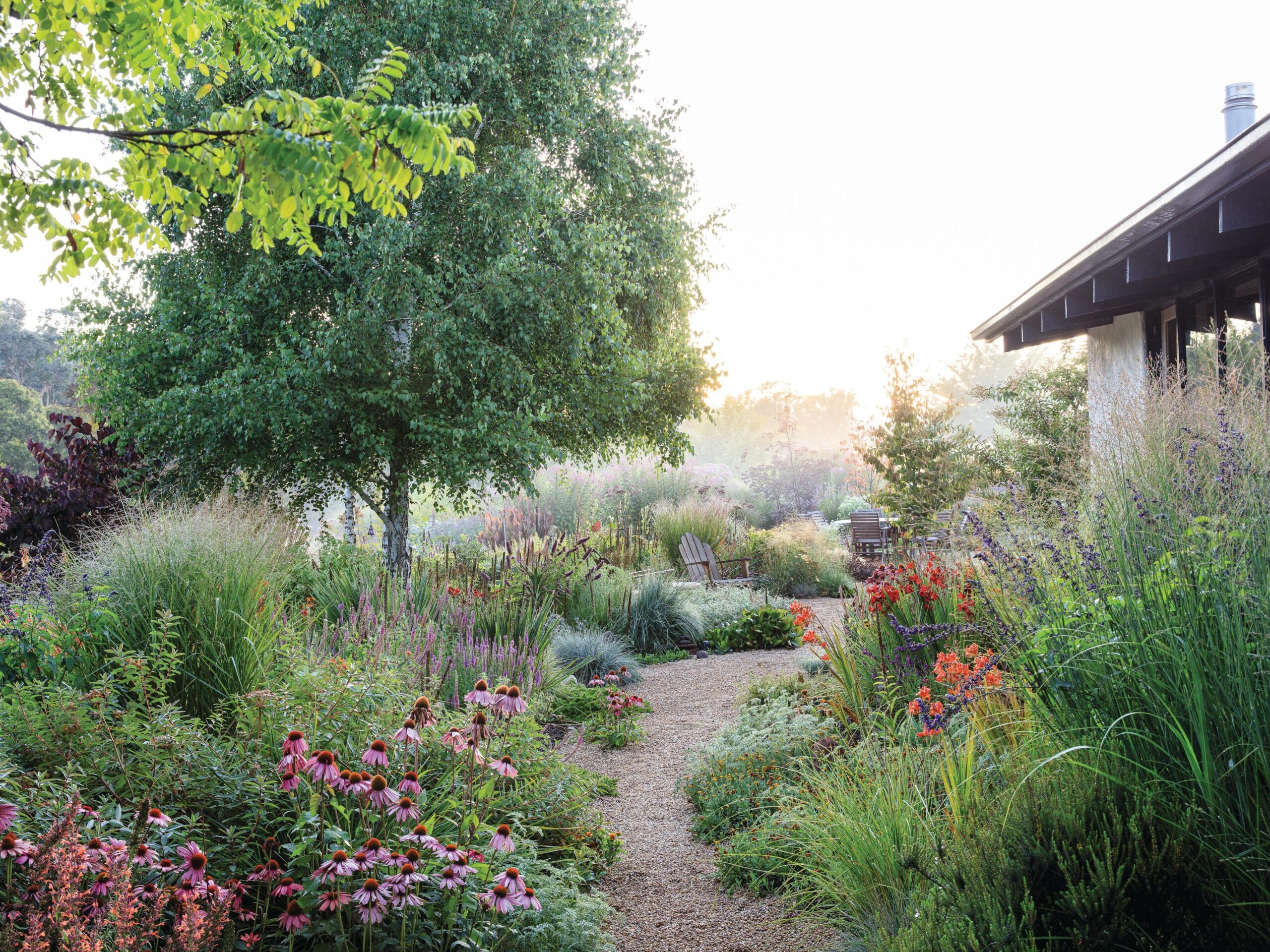
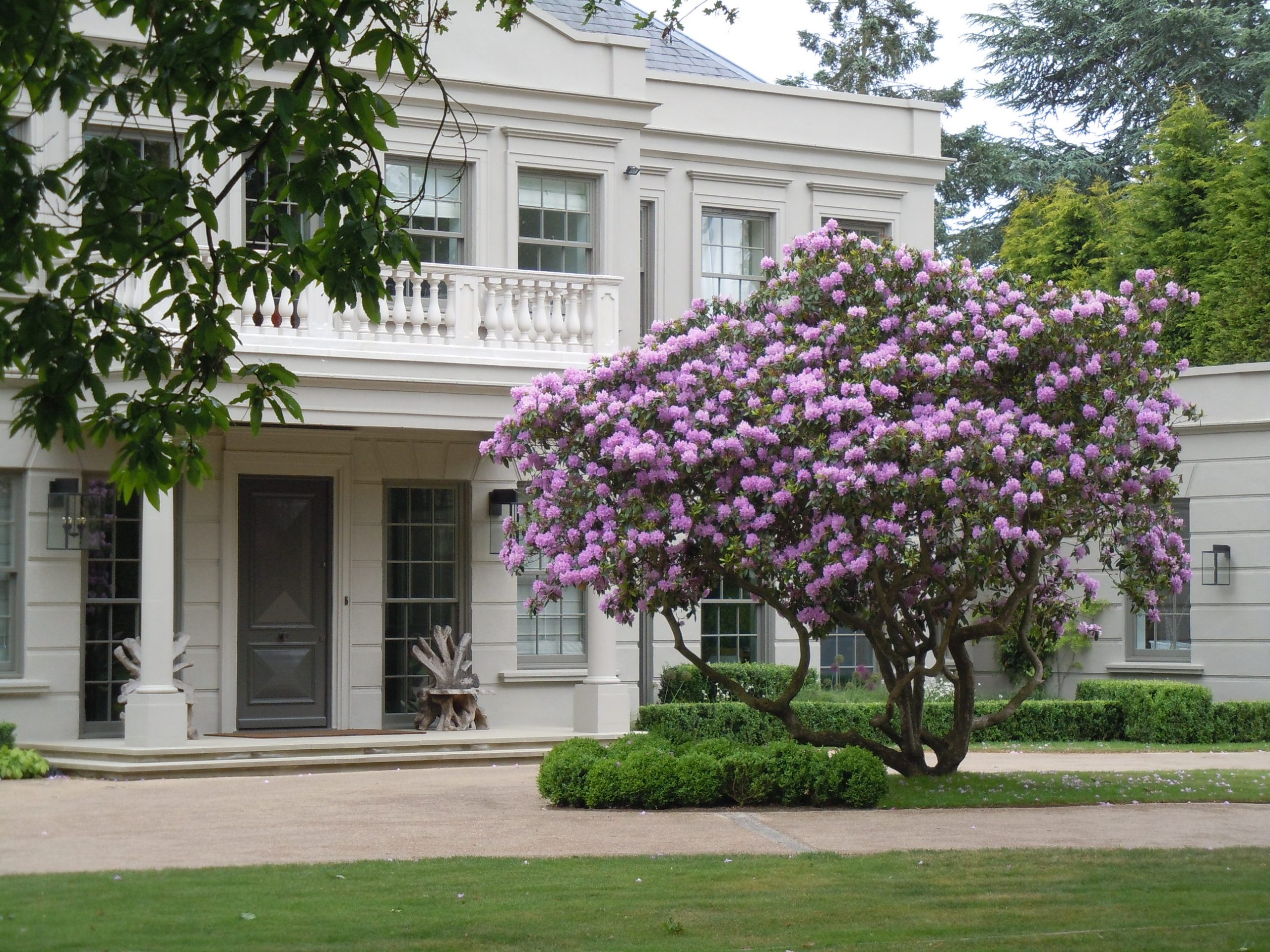
It is amazing the difference a mature tree or shrub can bring to a space, says Richard. For one client he replaced a series of box balls and a low Moroccan fountain opposite the entrance to the house with a large Rhododendron luteum from Solitaire Nursery. “It just gave a sense of permanence to the house,” he says. Buy the biggest plants you can and look after them well. “A healthy garden looks higher end. If the plants look anaemic, if the lawn looks terrible, then it looks like a cheap backyard that no one cares about. Maintenance is essential,” he says.
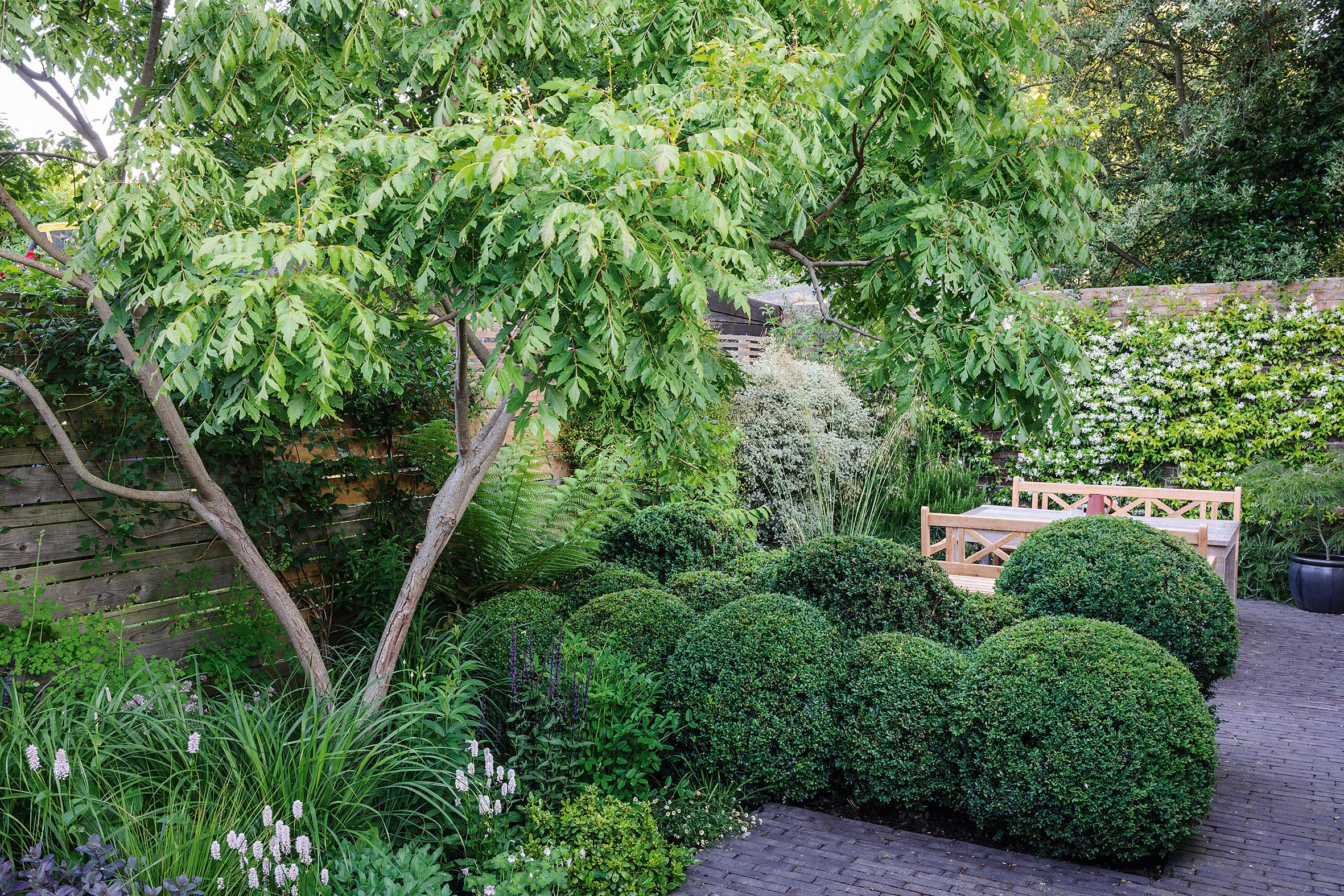
Lifting the canopy of trees and shrubs to allow for planting underneath is another designer hack. “Quite a lot of evergreen shrubs can just look like blobs. If you raise the crown of multi-stemmed trees such as amelanchiers you can see underneath it, and you can plant underneath it, which is important,” says Richard. Careful pruning can create a whole new look when you have overgrown shrubs and trees, believes Jinny. “I created a whole new garden once from a very dark and revolting looking Victorian shrubbery. By exposing the underlying garden structure and lifting the canopies a wonderful and mysterious world was revealed.”
#5 Interesting boundaries
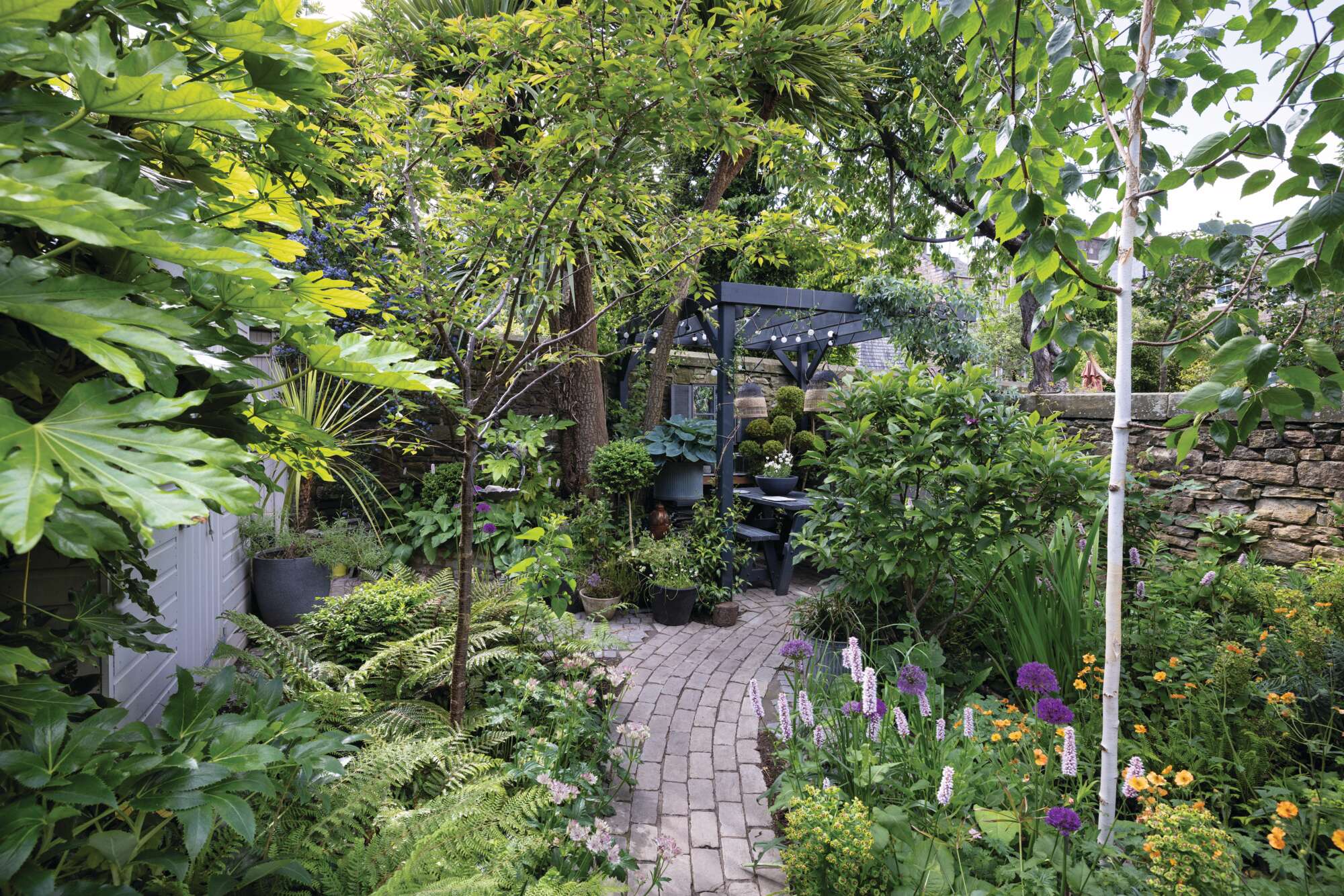
Don’t think of boundaries such as fences and hedges as merely where your garden ends. Instead view them as an opportunity to create beautiful vistas and use interesting materials, or disguise them altogether with lush planting and climbers, distracting the eye and creating the illusion that your garden extends much further back than it actually does.
“I love charred timber fences, and chestnut – or even band sawn oak,” says Jinny. She suggests using a blow torch and a strong wire brush to create a charred surface, which is also a natural preservative. Spray painting a fence graphite grey or chalky ointment pink is another easy way to bring some light back into a dreary corner, she adds.
You may also like
Catriona has used slatted red western cedar in several of her designs. She says, “As well as looking smart, cedar is naturally resistant to rot, decay, and insects, and is more durable than other softwoods. As a softwood it's also a sustainable option as it's easier to replenish plantations than a slow growing hardwood. It was left untreated to fade to silver over time, which I prefer because it doesn't need retreating.” Another of her favourites is vertical larch fencing with 5mm gaps, a durable, high-quality choice that doesn’t need treating.
#6 Hidden storage
You don’t want a functional shed or tool store to be the first thing you see when you step out into your garden. “It’s rare you will see a designed garden with visible storage - chances are its concealed by planting, a hedge, a trellis or it’s tucked out of sight,” says Pollyanna.
In one of her clients’ gardens, Catriona created an innovative solution to this problem by incorporating a storage bench into a seating area alongside built-in planters and an arbour. “The junctions on the arbour were carefully considered so it looks good from every angle and a discreet hinge on the storage bench means the eye is not distracted by clunky details,” she says.
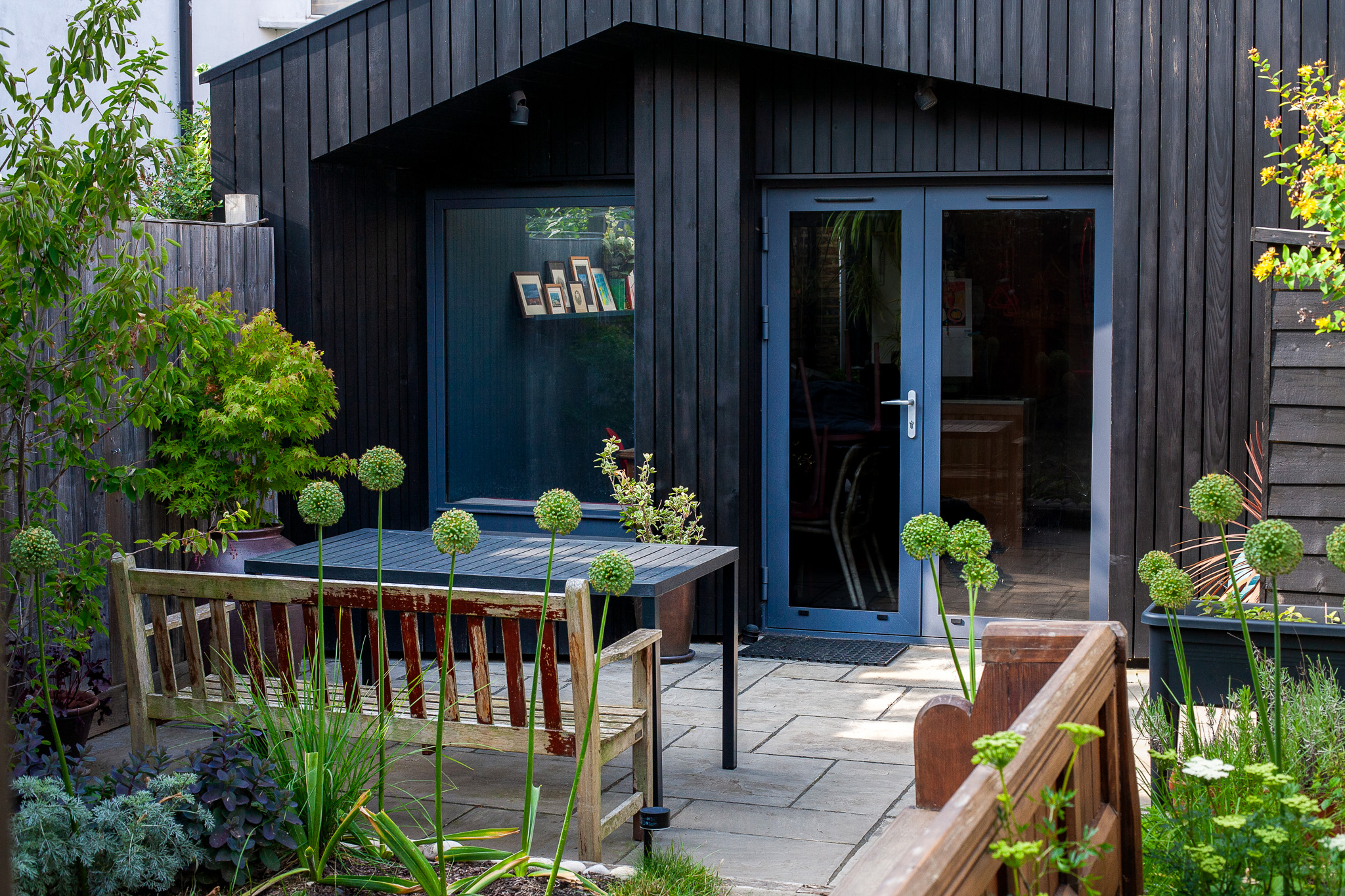
To hide storage, she has also painted a shed dark grey, which can work well even in a small space, added a tension wire trellis and an evergreen climber and hidden it behind a tree. “Another good trick is to put the storage close to the house, but out of the main sightlines so that you are not looking at it,” she adds.
#7 Subtle lighting
Lighting is key to the feel of a garden. A harsh floodlight might deter burglars, but it is unlikely to draw you outside at dusk and can be disruptive for wildlife. A simple string of fairy lights or brasserie style bulbs can be incredibly effective. If you are planning to install permanent lighting, make sure it is gentle and that it switches off on a timer when you go to bed.
You may also like
- Artificial lights at night do more harm than you realise
- The 40 plants that garden designers alway use
“Soft, subtle and elegant lighting is an instant giveaway that a designer has been involved. Use for features and way finding and nothing more,” says Pollyanna. High tech lighting can also add a luxury feel. Catriona is a fan of In-Lite garden lighting. “It’s a ‘plug and play’ system which is easy to install and to control later via a phone app. It has a good range of quality fittings, and the scheme can be added to or taken away from easily,” she says.