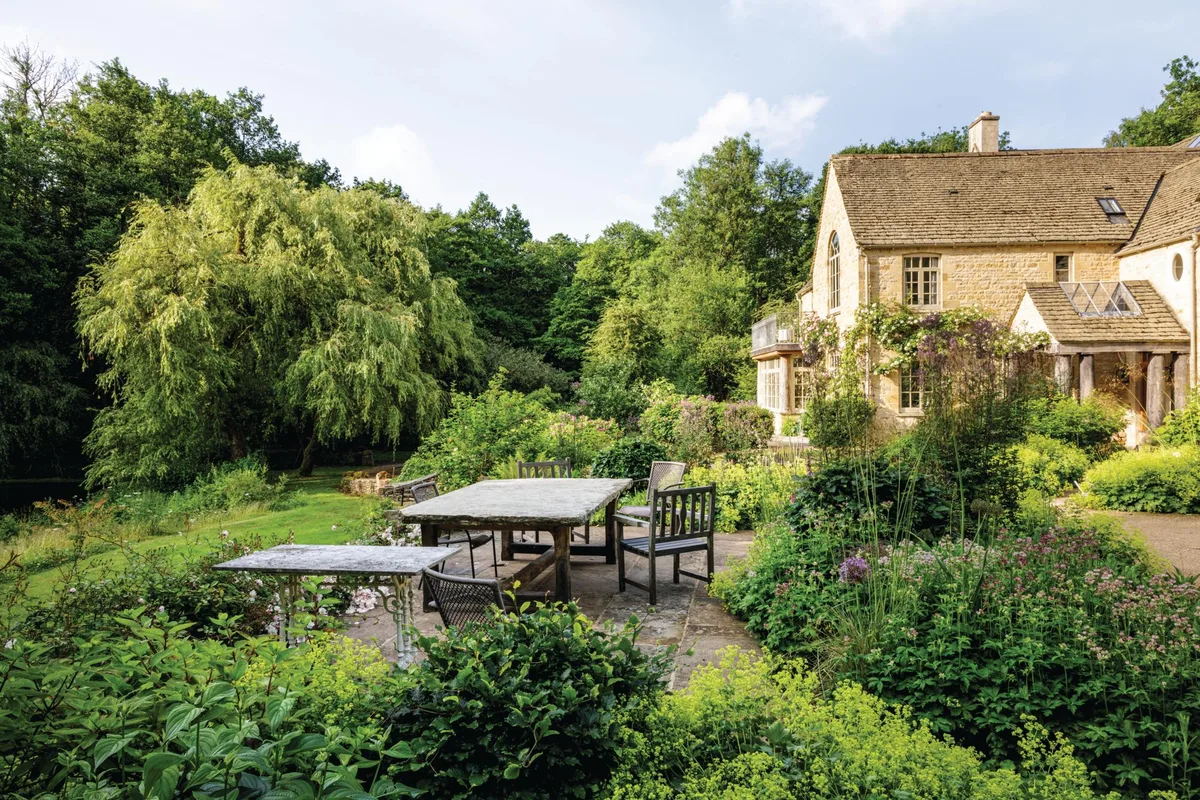
'Consult the genius of the place in all,’ wrote Alexander Pope. Rachael White did just that when designing a Cotswold valley garden for Paul Harvey and his late partner, Len. Gloucestershire-born, Rachael has an instinctive feel for the landscape, so has fashioned here an elemental green space that has seemingly developed organically from the enfolding hills, with little human intervention.
You may also like
- The only 4 gardening rules you need for success
- Designing for wellbeing: the rise of the garden sanctuary
“My brief was to design a deeply private sanctuary,” says Rachael, “a garden that offered moments of peace, gentle access and a strong connection with the natural water source.” The golden Cotswold stone house is wedged into a steep bank, facing a sheer, tree-clad cliff across the River Windrush. As Paul explains, “the sun rises late and is lost a tad early”. Carving out light was key, says Rachael. “We had to open up internal vistas, frame long views and create pockets of brightness.”
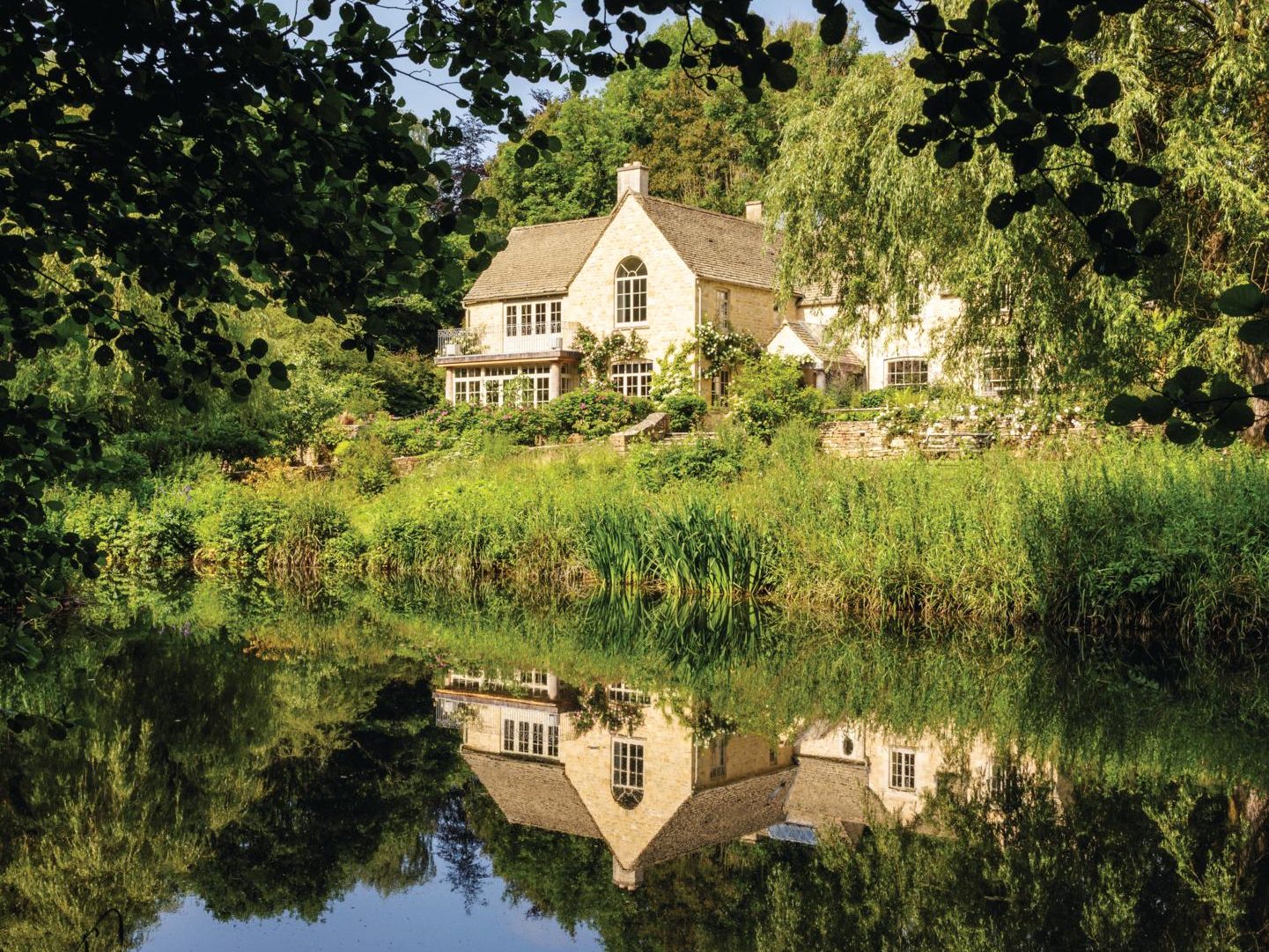
To anchor both house and garden more comfortably in the valley, all the outbuildings, including a cottage, were demolished and the drive was relocated to curl round, screened in high summer by a hedge of Rosa rugosa. This allowed space for a house extension and a plant-fringed terrace connected to the lawn below by curving stone steps. Rachael collaborated with Cotswold architect Christian Fleming, whose work she loves. “His architectural details complement my naturalistic style,” she says.
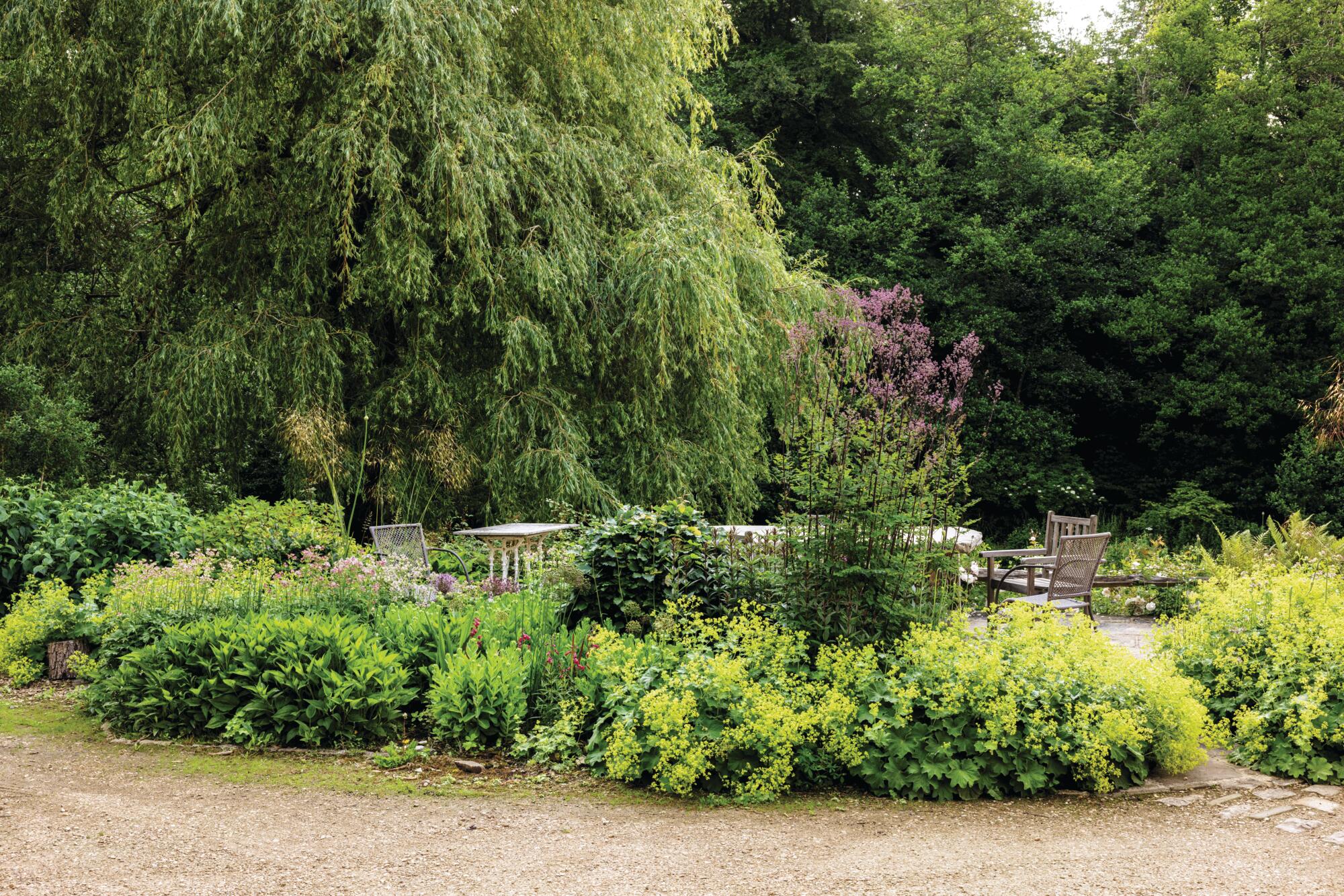
A heavily silted watercourse at the lowest point was dug out to create a feature lake, glimpsed in summer through windows cut in planting of damp-loving woodland species, mosses, ferns and shade-tolerant perennials. Several mature trees were felled, including a willow, while another blew down in the wind,
further opening views across the garden.
You may also like
- Parking space vs front garden? It is possible to have both
- 7 garden design rules you can break and one you never should
Semi-secluded zones, with tables, seats or benches, are surrounded by planting. “The transitions between these spaces had to feel natural and fluid,” says Rachael, “permitting the garden to breathe while maintaining a quiet sense of enclosure.” Gently sloping grass pathways, rather than steps, run down to the lake, enforcing the sense you are moving through countryside rather than garden.
Rachael’s team of 14 skilled professionals bring her designs to life and deal with unforeseen problems. When the construction of a garage and potting shed endangered a multi-stemmed hazel higher up the bank, one of her stone masons supported the tree with an irregular, mossy dry-stone wall that rigid control over the landscape, our design allowed nature slowly to reclaim and reshape the spaces,” says Rachael. “The garden has matured beautifully, given character by moss-covered stone and self-seeded cracks and crevices.”
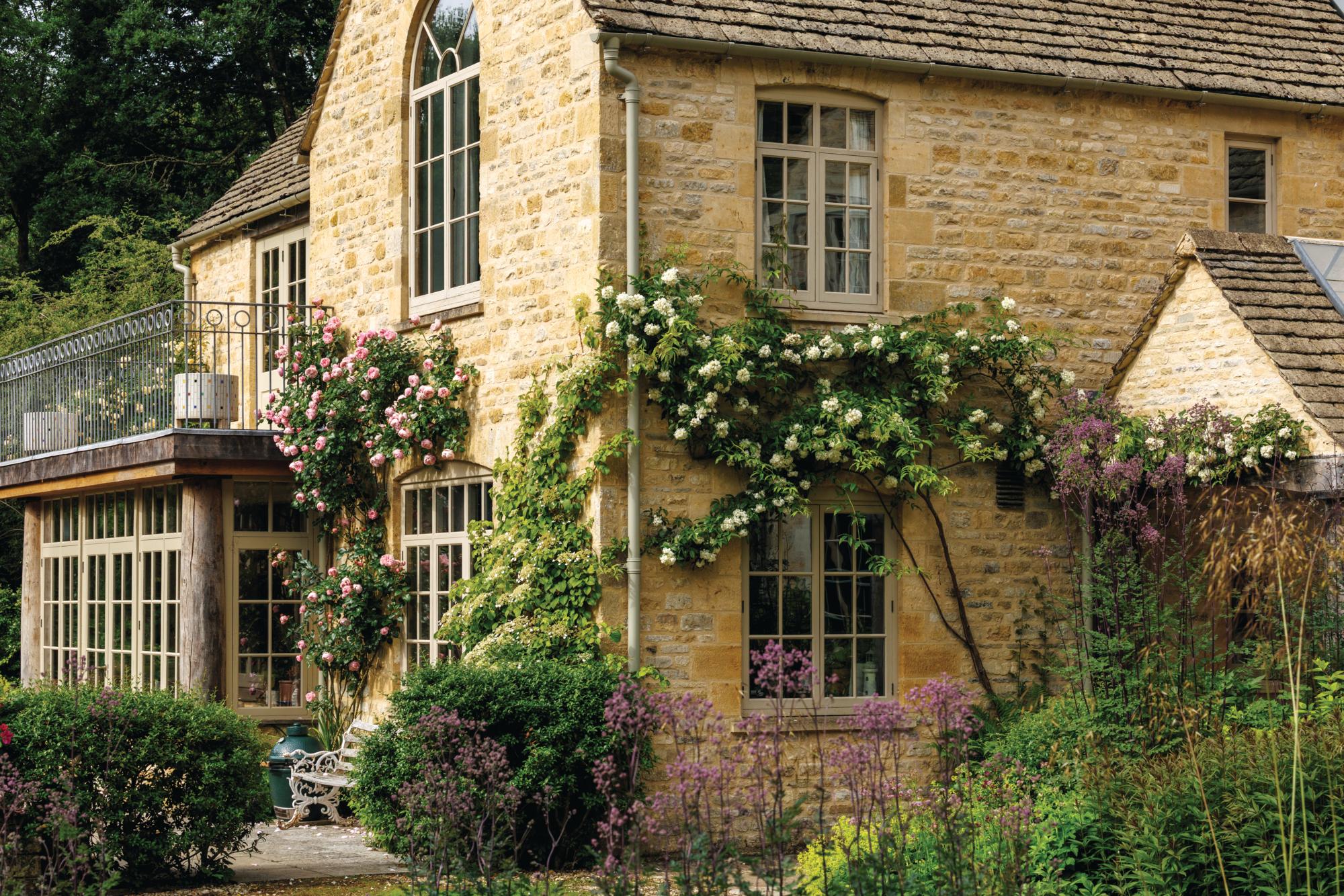
Naturalistic planting has bedded in and evolved. It was based primarily on hardy perennials that can survive in the light deprived hollow and give striking structure in winter. Rachael was in two minds about
planting the more ornamental and less naturalistic Cornus kousa, because it isn’t a great lover of alkaline Cotswold soil. But it has survived and offers seasonal joy in bloom.
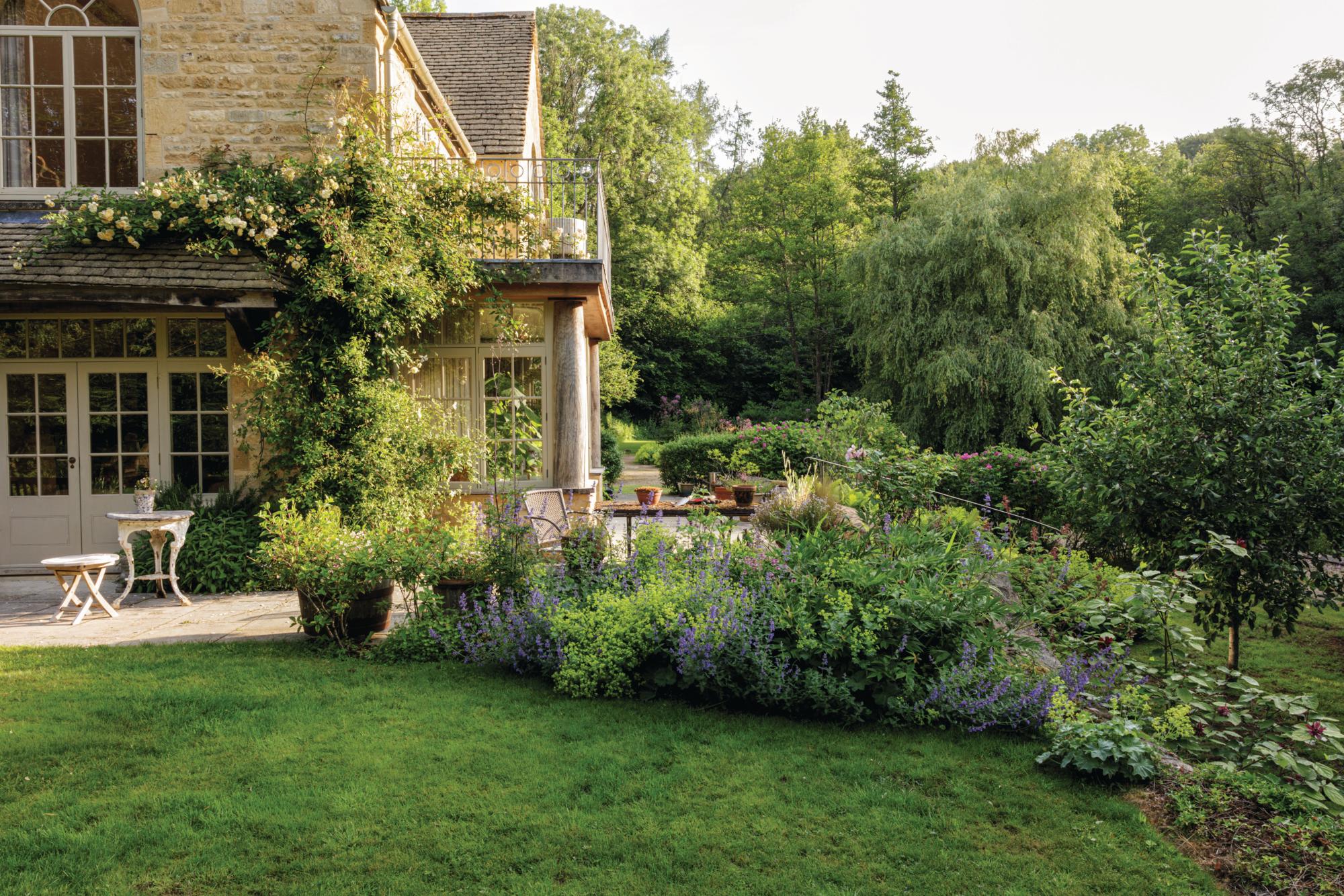
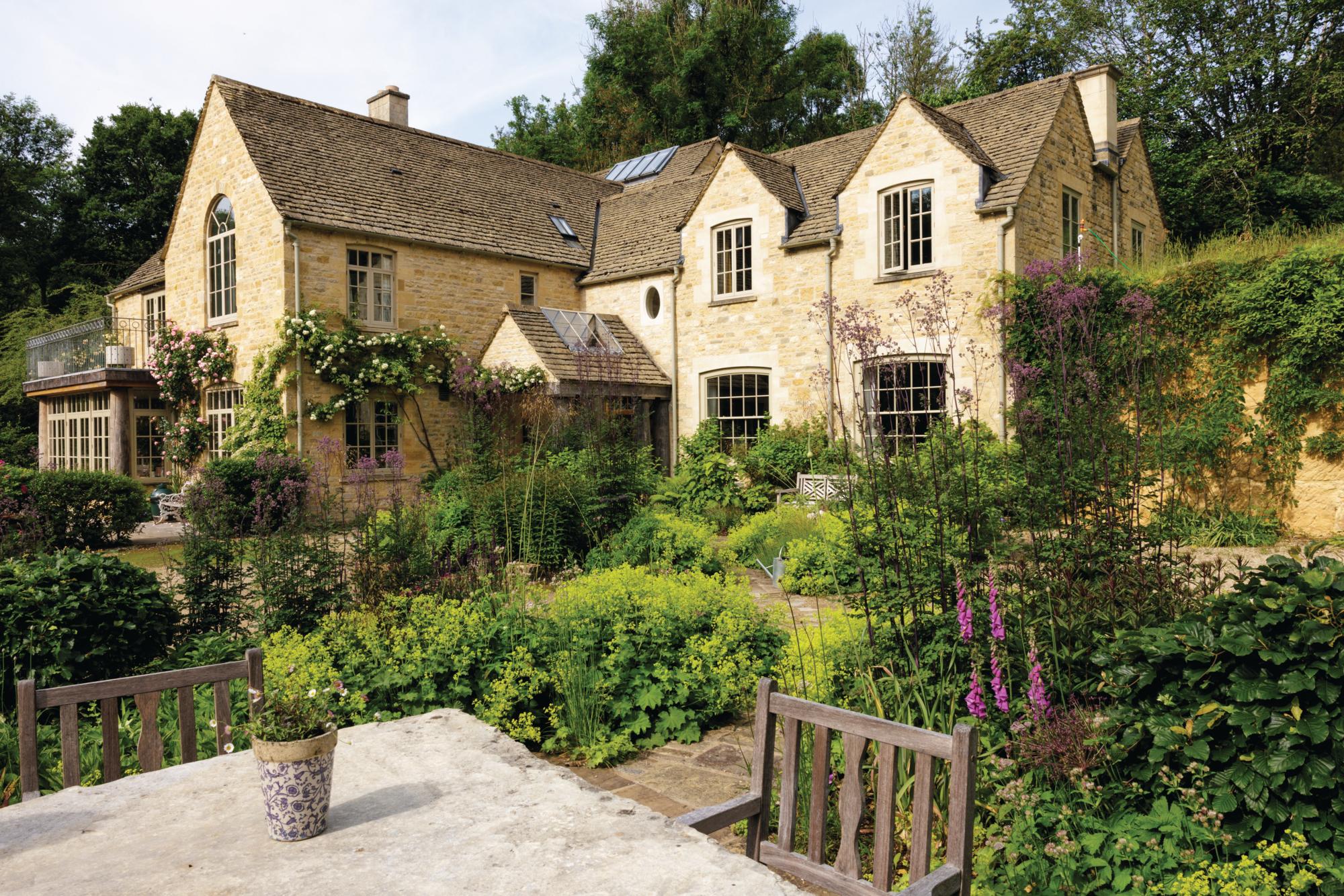
At one corner of the house, cottage garden planting features Alchemilla mollis, Nepeta ‘Six Hills Giant’ and Paeonia lactiflora ‘Sarah Bernhardt’, with pink Silene coronaria and foxgloves for the sparks of bright colour Len loved. Paler roses – Rosa banksiae ‘Lady Banks’, R. Malvern Hills (= ‘Auscanary’), and R. Mary
Delany (= ‘Ausorts’) – scramble up the house.
You may also like
Paul loves sitting on a lake-facing bench by the front door surrounded by Alchemilla mollis, Astrantia ‘Roma’ and Thalictrum ‘Anne’. The latter dies gracefully as a sculptural backdrop to the understorey planting. The emerging foliage of Hydrangea paniculata ‘Phantom’ and H. paniculata Vanille Fraise (= ‘Renhy’) and Hylotelephium x mottramianum ‘Herbstfreude’ is a foil in June before becoming a rusty-red sea in late summer and autumn. Grasses, Anemanthele lessoniana and clump-forming Stipa gigantea, are a further contrast along with Rudbeckia fulgida var. sullivantii ‘Goldsturm’, all giving seasons of
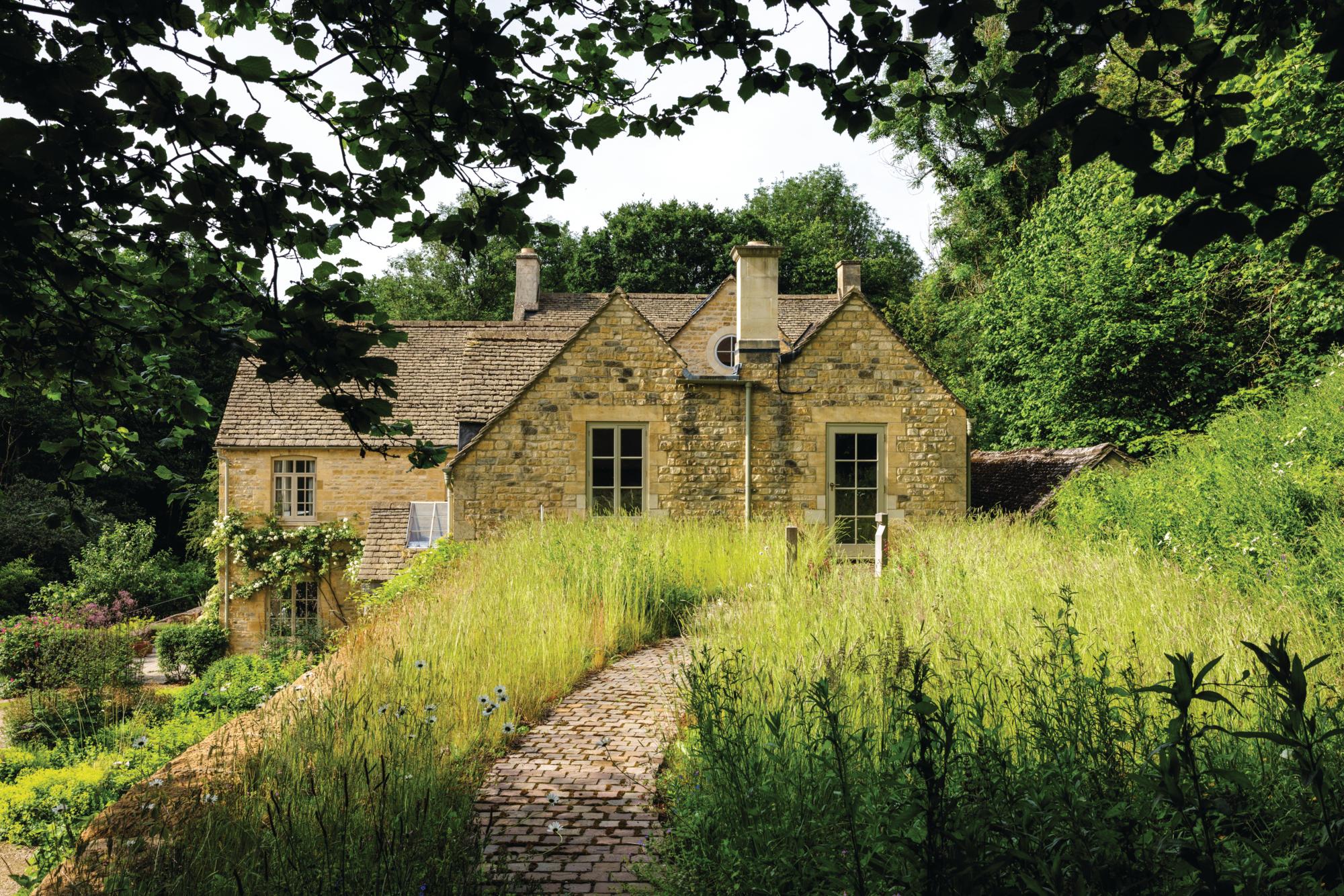
interest. There is no topiary but loosely clipped Osmanthus x burkwoodii for the lightest of structure. “What I love about the countryside,” says Rachael, “is that nothing is the same height, shape or colour.” The planting here chimes with that, as do two wildflower meadows.
Rachael has included some plants not in her usual palette. These include five Acer palmatum ‘Ōsakazuki’. planted on the banks of the Windrush for their “astonishing autumn display and gorgeous reflections in the water on a still day”, and as a nod to Len’s love of colour.
Ten years on, the garden has settled perfectly in its rural setting, guided by the expert hands of Catherine and Jo, Paul’s gardeners. “This garden has an abundance of soul and I adore returning to it,” says Rachael. Paul agrees about the spirit of the garden. “This small world down here has given me so much pleasure.”
Find out more about Rachael White’s work at rachaelwhitedesigns.co.uk