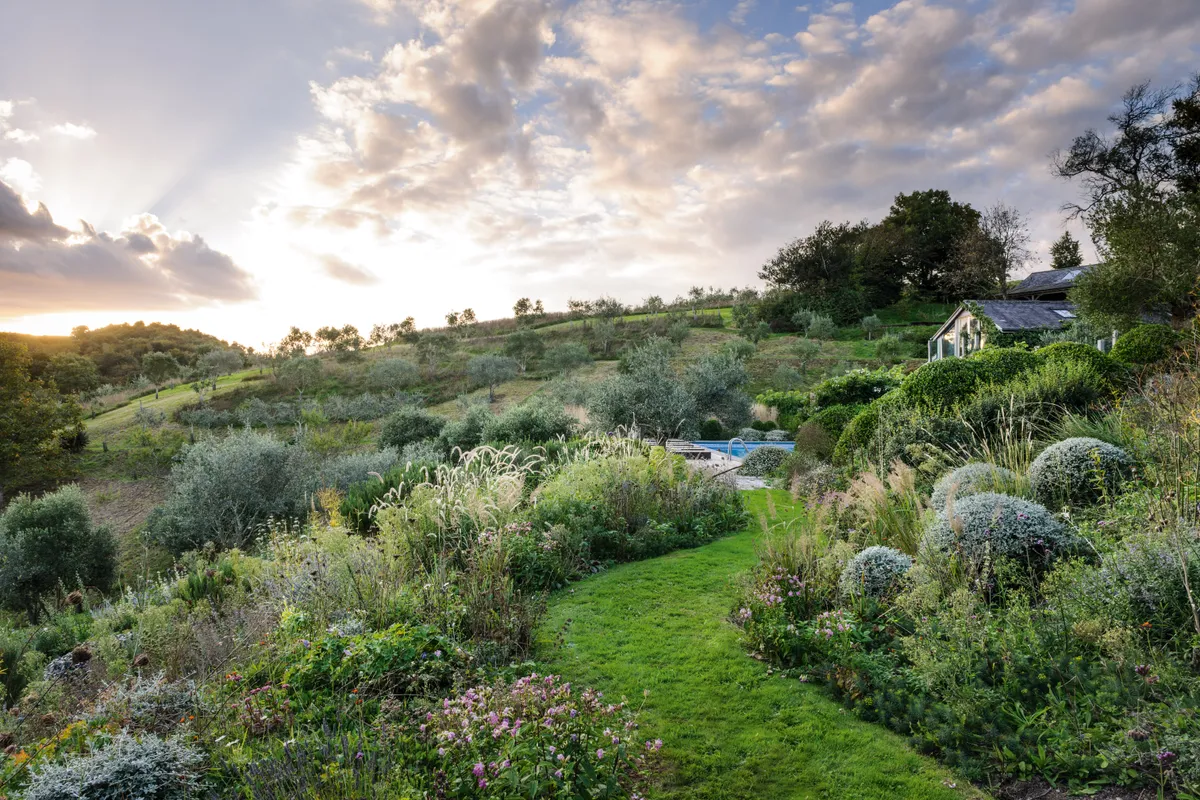
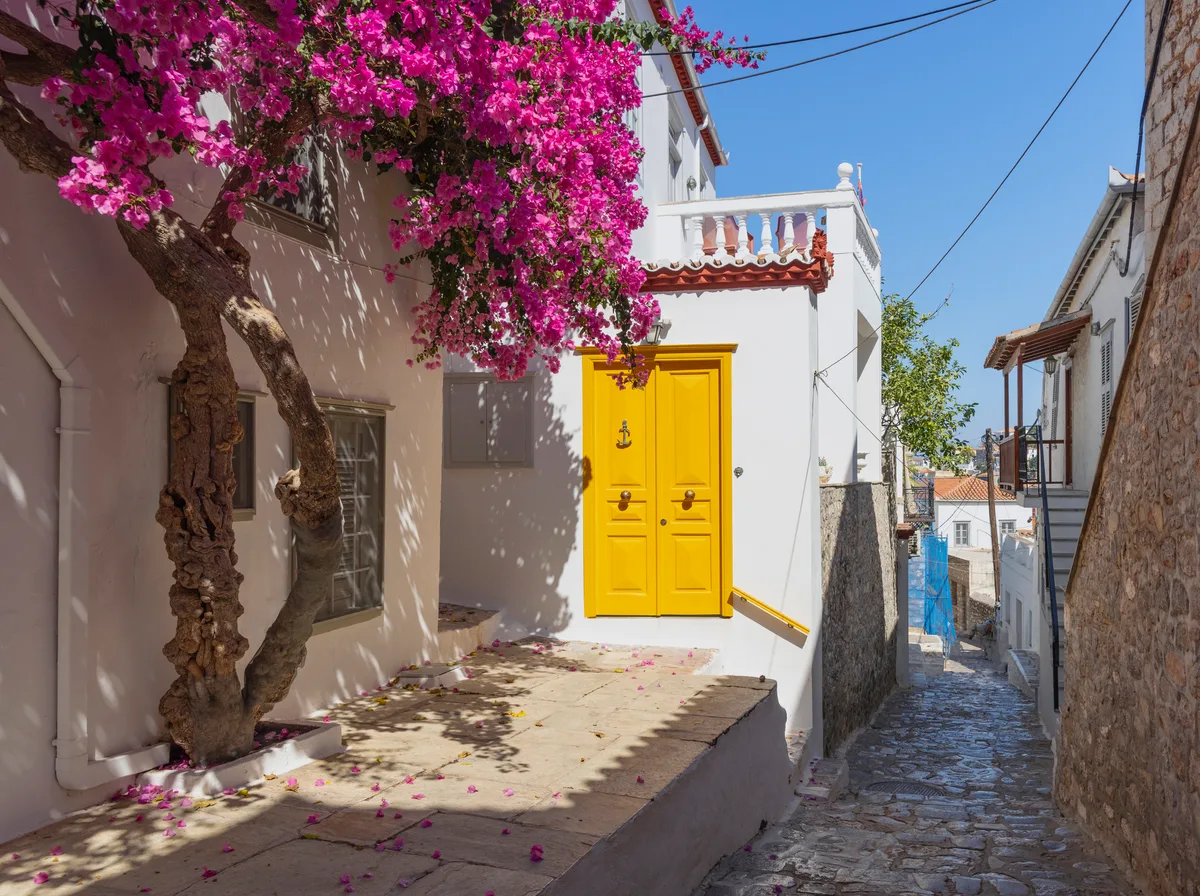
Do you dread the moment your dream vacation ends? Then, why not recreate that holiday feeling at home, with a beautiful Mediterranean-style garden. The plants we’ve chosen here can cope with the warmer summers and milder winters we’re now experiencing in the UK, and whatever your chosen colour scheme or planting style, there’s something for everyone. You’ll feel as if you’re back in Menorca or the Algarve in no time… with no airport queues required.
You may also like
Agapanthus

Although these dramatic bulbous perennials hail from South Africa, they’re widely grown across Europe, too. Grow evergreen agapanthus in pots so that you can give them winter protection in a greenhouse or conservatory, or plant deciduous varieties in the ground where they pair well with ornamental grasses and drought-tolerant plants like achillea. Deadhead to keep the flowers coming, and feed potted versions with a liquid fertiliser throughout the growing season. Try ‘Midnight Star’ (dark blue) and ‘Fireworks’ (blue and white) – both deciduous – or evergreen ‘Peter Pan’.
Bougainvillea

These tropical beauties love a bright, sunny, sheltered position, and they look stunning against a chalky-pastel wall. The UK has a shorter growing season than the Mediterranean so choose B. glabra or B. x buttiana varieties, like ‘Poulton’s Special’ (mid-pink) or ‘Barbara Karst’ (dark pink) because they flower earlier. They’re also best grown in pots, in gritty peat-free compost, so that you can overwinter them indoors.
Cypress
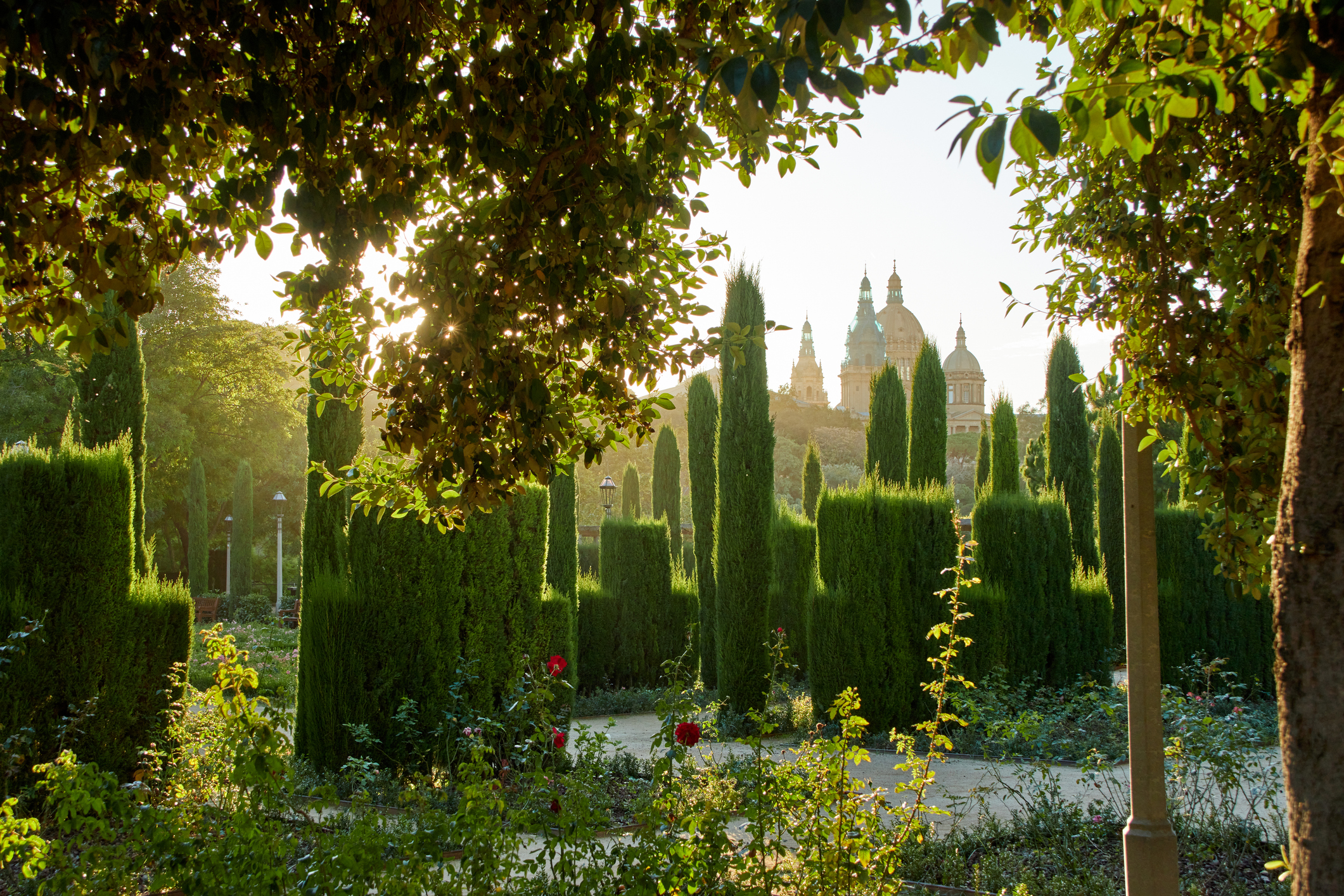
Nothing says Tuscan style like a row of Italian pencil pines (Cupressus sempervirens). Add a line of these narrow conifers along a path, or grow in pots either side of the front door, and imagine yourself back in the Boboli Gardens in Florence. Drought-tolerant and wind-resistant, these lovely trees require very little pruning – especially if you go for a variety like ‘Totem’ which is narrower and shorter than the species.
You may also like:
- Is drought tolerant planting realistic in the UK?
- A Mediterranean-inspired garden for a changing climate
Date palm

Officially known as Phoenix dactylifera, these slow-growing sub-tropical palm trees originally come from North Africa and western Asia, but they’re often planted as street trees in Mediterranean countries. In milder climates, grow your date palm in a large pot in a bright sunny position where those grey-green arching leaves can create beautiful shadows on the ground below. Alternatively, they also make elegant conservatory plants.
Delosperma
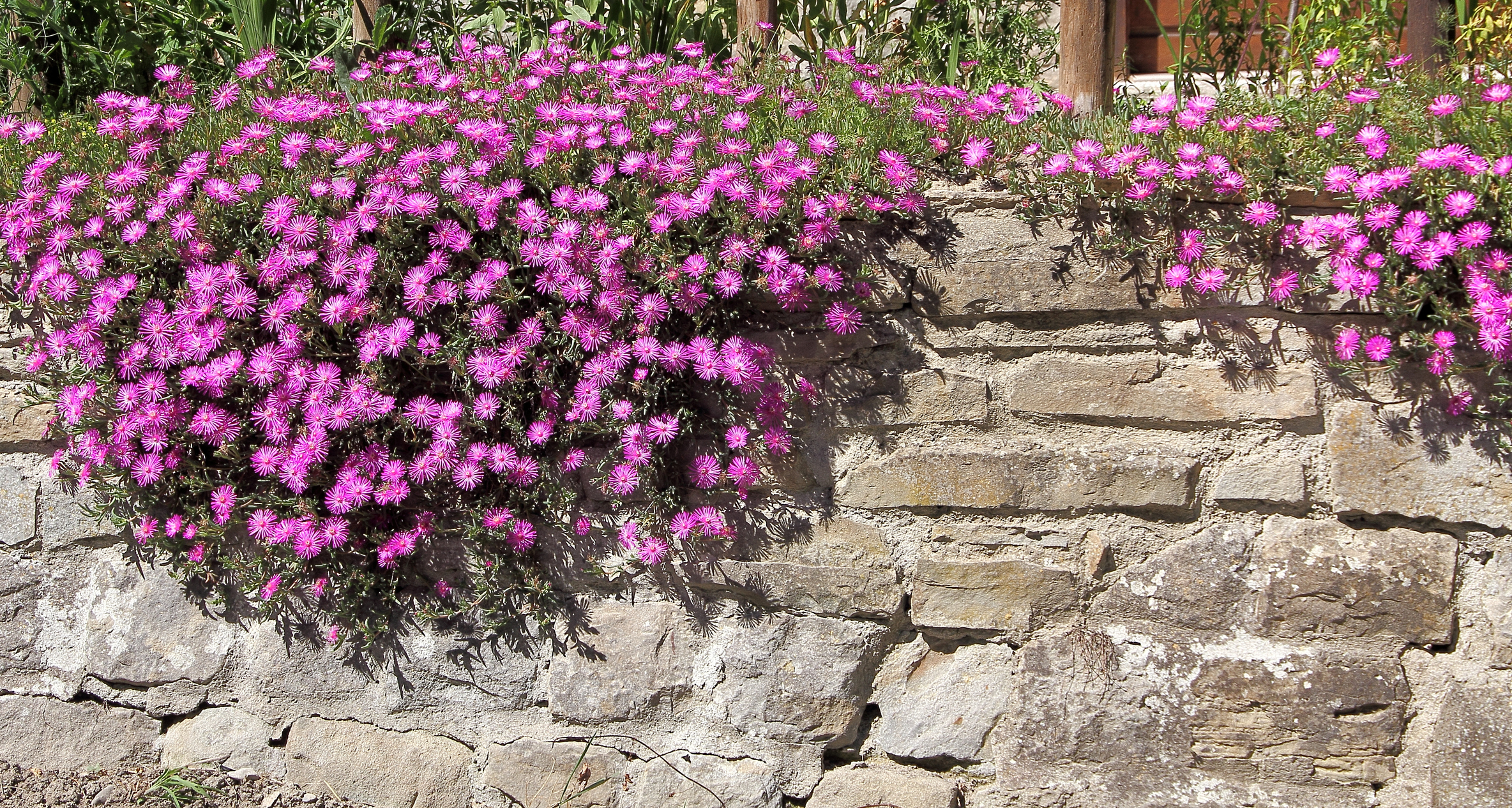
A popular choice for British seaside resorts, the hardy ice plant (Delosperma) has vibrant, daisy-like flowers and shimmering, fleshy leaves. Perfect for rockeries, sloping banks or containers, it thrives in full sun and very well-drained, sandy soils where it will happily spread into a dense mat of colour. Grow outdoors if you have a mild, coastal climate; otherwise, plant it in wide shallow containers and treat it as a summer annual.
You may also like:
Fig

Despite exotic origins, fig trees (Ficus carica) are easy to grow in the UK. For bumper crops of sweet fleshy fruits, train your fig tree as a fan against a sunny wall and restrict the roots by growing it in a large container or insert paving slabs vertically around the rootball. Prune twice a year, and feed with a high-potassium granular fertiliser in early spring. Three popular varieties to consider are ‘Brown Turkey’, White ‘Marseilles’, with white flesh rather than pink; and ‘Little Miss Figgy’, a compact variety that’s ideal for containers.
Grape vine
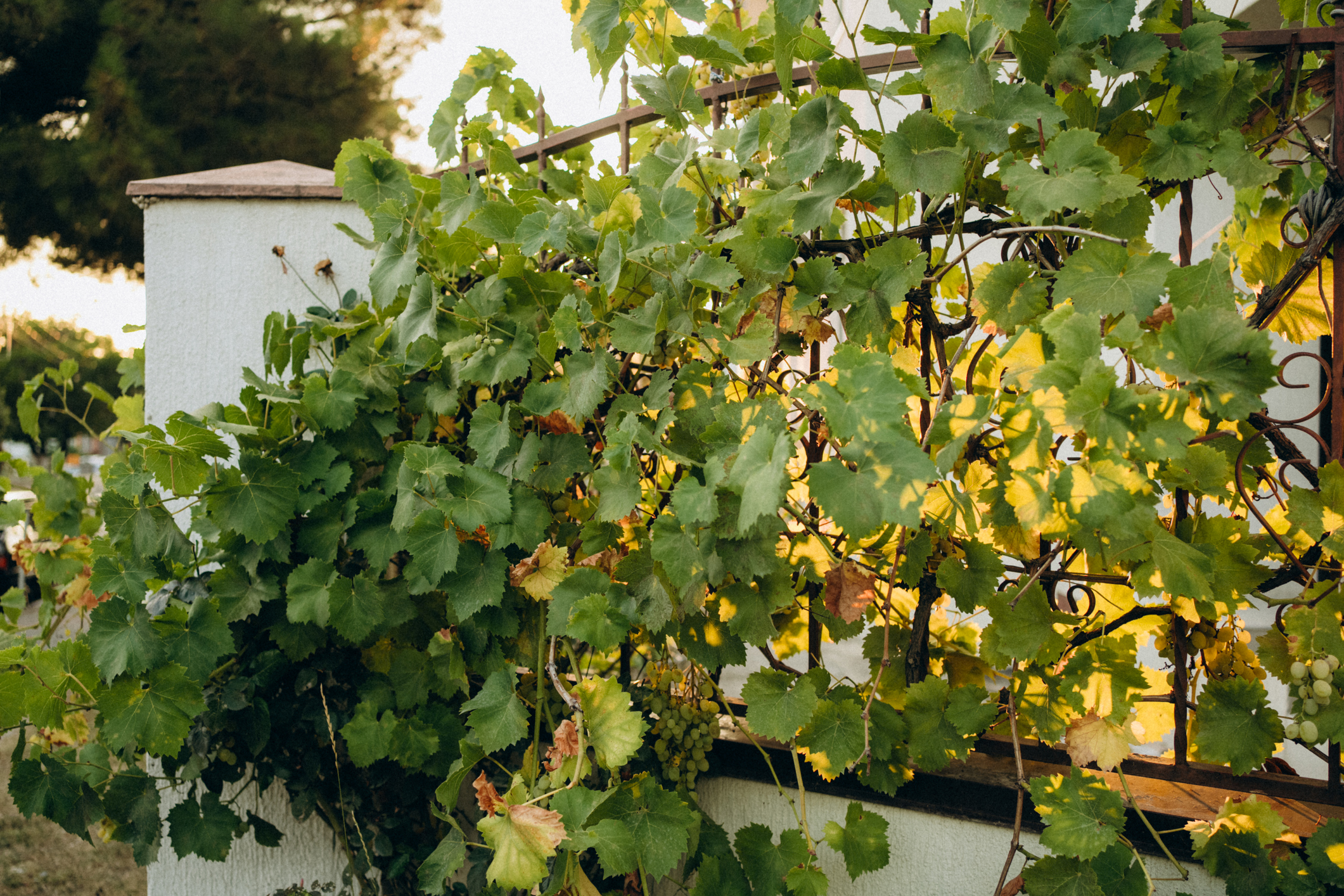
Nothing says the Med like a grape vine (Vitis vinifera), dripping with bunches of grapes. Most grape vines are very fast-growing so they need a strong support and regular pruning. Train your vine on a trellis, a pergola, or against a sunny south-facing wall, and prune hard in winter. When it comes to choosing an outdoor variety, you’ll be spoiled for choice: look for ‘Reliance’– cold-hardy and seedless, with a sweet tropical flavour; ‘Lakemont’, a popular seedless green grape; or Schuyler, very tolerant to cooler climates, and an early ripener. And if you’re growing your grape vine in a greenhouse, ‘Black Hamburgh’ is the classic choice.
You may also like:
- This beautiful Sussex garden is a masterclass in drought tolerant planting
- Discover some of the most remarkable French gardens
Greek basil
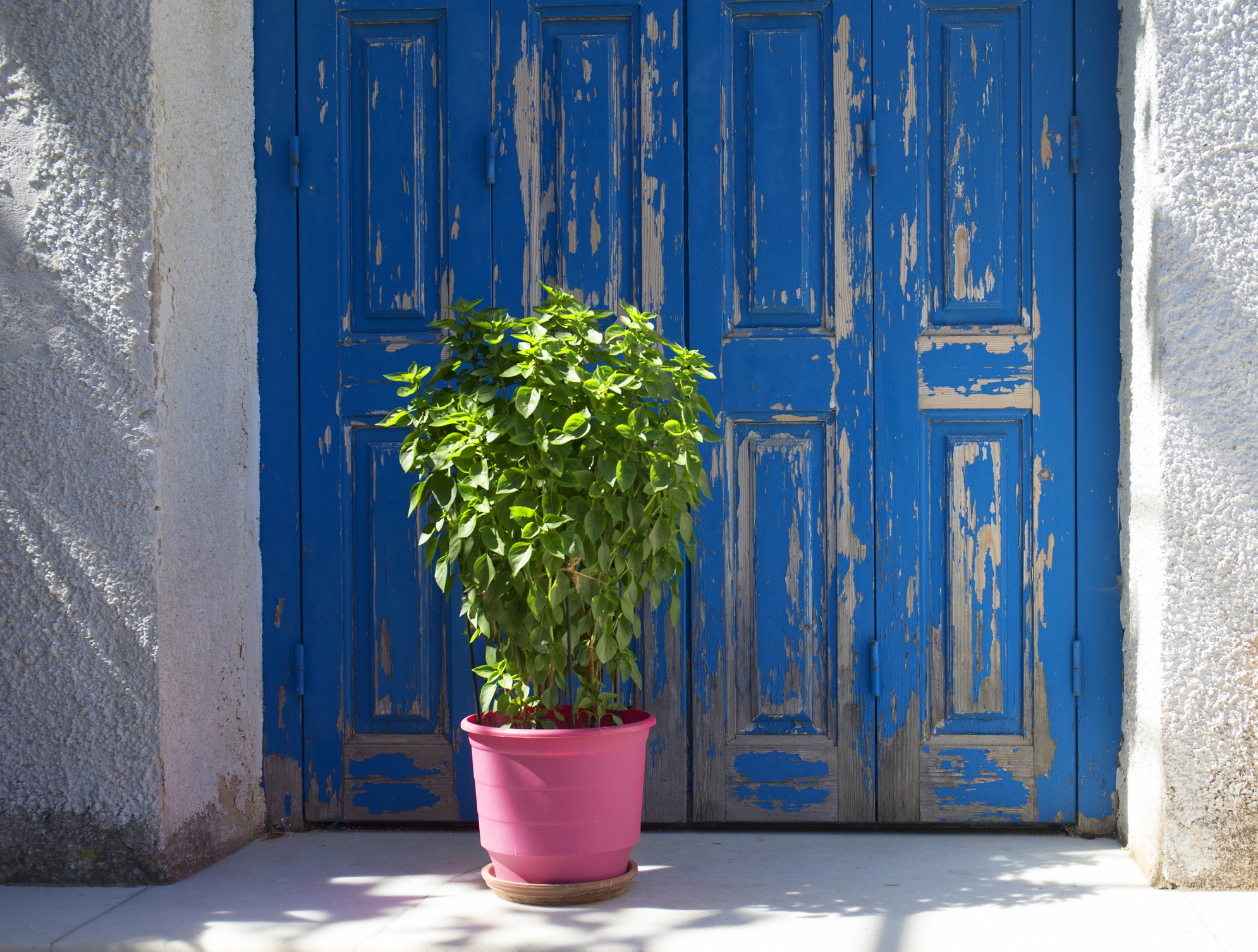
No feta salad is complete without a scattering of Greek basil leaves (Ocimum basilicum var. minimum). Grow this compact, bright-green herb from seed indoors in a greenhouse or on your kitchen windowsill, then place outdoors in a sheltered sunny location. The sweet, slightly spicy flavour will immediately transport you back to your favourite Greek taverna.
You may also like
- Eleftherios Dariotis on his love of salvias and Mediterranean flora
- Holiday goals: a romantic and sensuous Greek garden you can stay in
Hibiscus

Tropical hibiscus (Hibiscus rosa-sinensis) is native to China but is grown widely across dream holiday destinations like the Caribbean and Hawaii. In the UK, grow it outdoors in summer, and bring it into a greenhouse or conservatory over winter where it needs bright, humid conditions and good ventilation. Alternatively, you can create a similar vibe in a sunny sheltered spot with a tree hollyhock (Hibiscus syriacus) – it’s surprisingly hardy given its exotic looks. Try ‘Oiseau Blue’ or dark pink ‘Woodbridge’ which both hold an RHS AGM.
You may also like
- The nine types of plant you never knew you needed in your garden
- The skiver’s list of low maintenance plants for lazy gardeners
Jasmine

One sniff of jasmine’s heady scent and you’ll relive your holiday memories in an instant. Easy to cultivate in the UK, this deciduous twining climber is very fast-growing and, to be honest, can be something of a thug without very regular pruning. If you want a similar fragrance, but in a more manageable plant, try evergreen Trachelospermum jasminoides (star jasmine) instead – it can be grown against a sheltered wall or fence or trained up and across a pergola.
Lantana
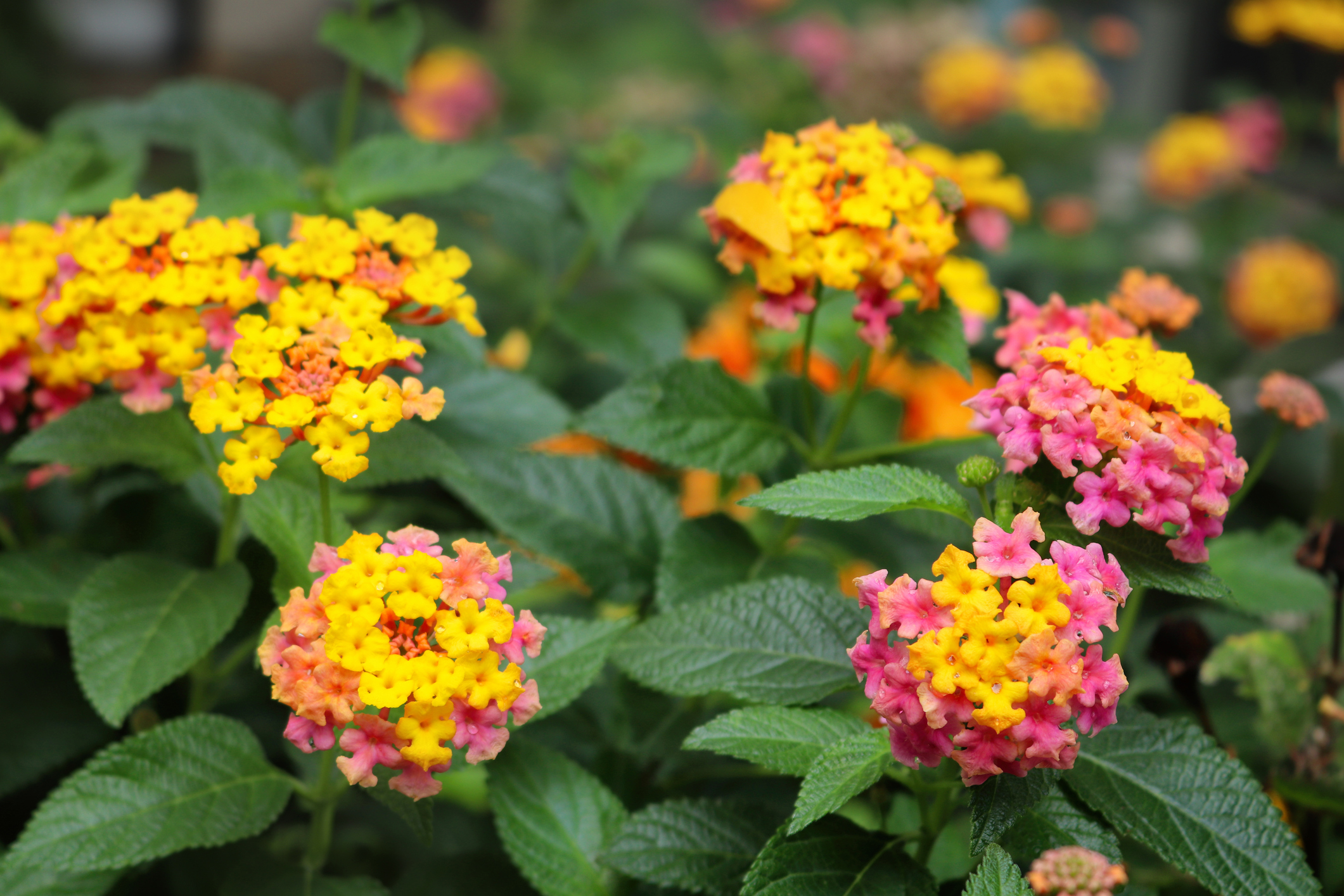
Lantana camara started life in the tropical Americas but is now widely grown across the Mediterranean, Australia and the Caribbean. Bees and butterflies adore the tiny nectar-rich flowers and as the flower clusters age, they change colour. So, one plant can display multiple flower colours all at the same time. In cooler parts of the UK, grow in pots and bring under cover in winter, or grow as an annual in a sunny spot.
Lavender
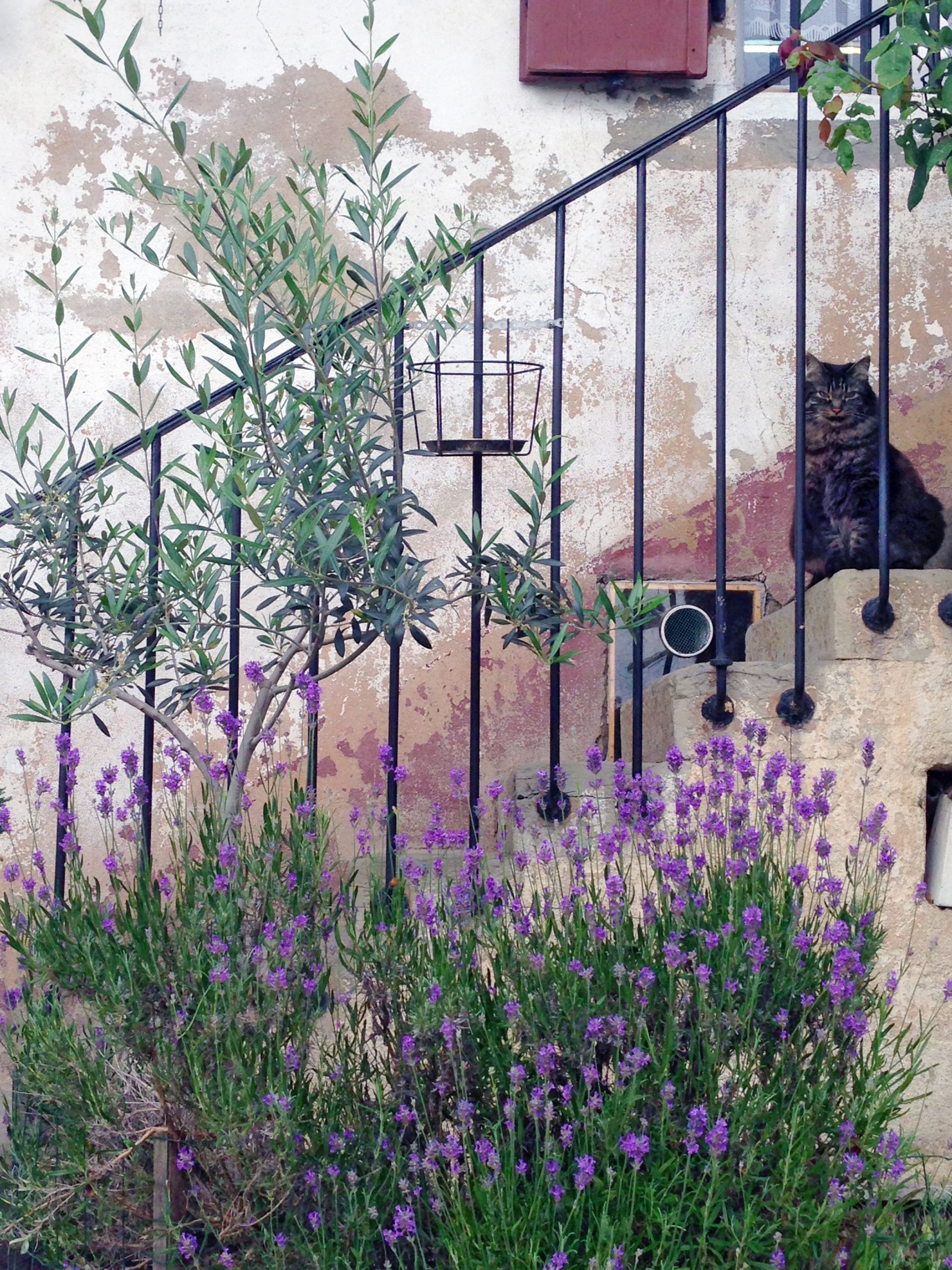
If you love Provence in France, your holiday-at-home plant has to be lavender. Particularly fragrant are L. x intermedia varieties which are grown to make lavender oil for commercial fragrance production. Try ‘Grosso’ or ‘Phenomenal’ whose large indigo flowers are perfect for cutting and drying. More hardy and less showy are English lavender (L. angustifolia) varieties like ‘Hidcote’ or ‘Loddon Blue’ which will happily grow in pots, beds or borders, with plenty of sun and a free-draining soil. Finally, there’s French lavender (L. stoechas) which has cute little feathery ‘ears’. It’s the least hardy and needs some protection in winter, so is best grown in a container.
Oleander

Nerium oleander has dark green evergreen leaves and richly scented flowers in white, red or pink. Although it’s a great drought-tolerant choice if you have a sunny garden with free-draining soil, it will need some protection over winter. Growing oleander in a pot has the added benefit of controlling its size because it can become a very large shrub in the right conditions. Take care when pruning because the leaves can cause skin irritation on contact.
Olive

Olive (Olea europaea) is the ultimate Mediterranean plant. Although they like very sharp drainage and a sunny spot, olive trees look surprisingly at home in the UK. Grow yours in a sheltered, south or west-facing location, away from harsh, cold winds – either in the ground, or in a very large pot with good drainage at the base. In very cold winters, you can wrap your olive tree’s pot in bubble wrap, and protect the crown with horticultural fleece. Ideal varieties for cooler climates are compact 'Leccino', widely grown in Umbria and Tuscany, or 'Picual, a more vigorous variety from Spain.
You may also like
- We bought an abandoned olive grove and brought it back to life with a meadow-style garden of wildflowers
- Discover this gorgeous wild garden in Mallorca, designed to test how plants behave with different levels of human interaction
Pelargoniums
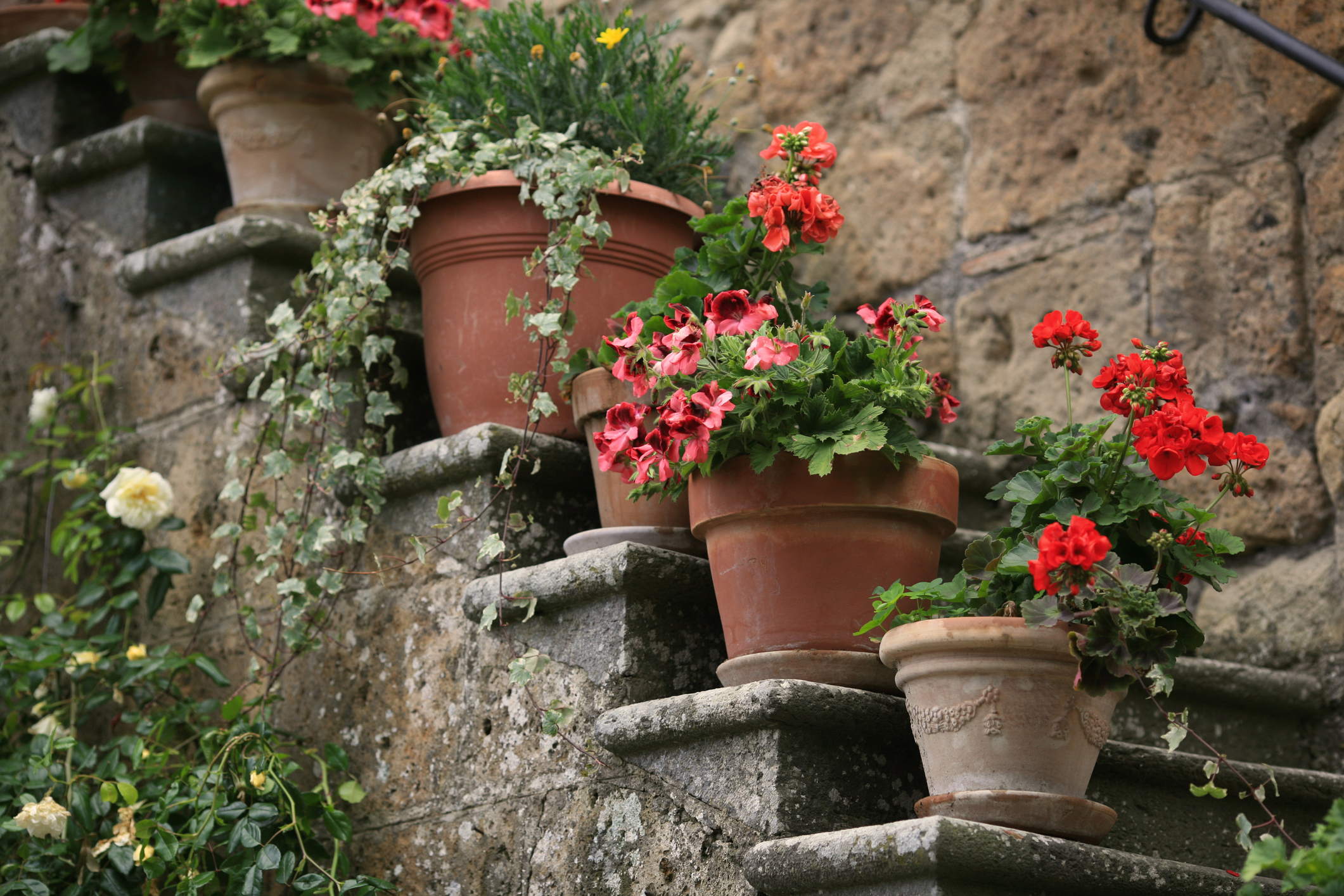
Scarlet geraniums are ubiquitous in every Greek village, where the luminous red flowers shimmer against whitewashed walls. You can pick them up in pretty much any UK garden centre or nursery from early spring onwards, and they’re incredibly low-maintenance. Grow in terracotta pots outdoors in summer, then swap to your kitchen windowsill over winter. Try one of the Calliope varieties – a recently introduced series of semi-double, fast-growing geraniums which are named after a muse from Greek mythology.