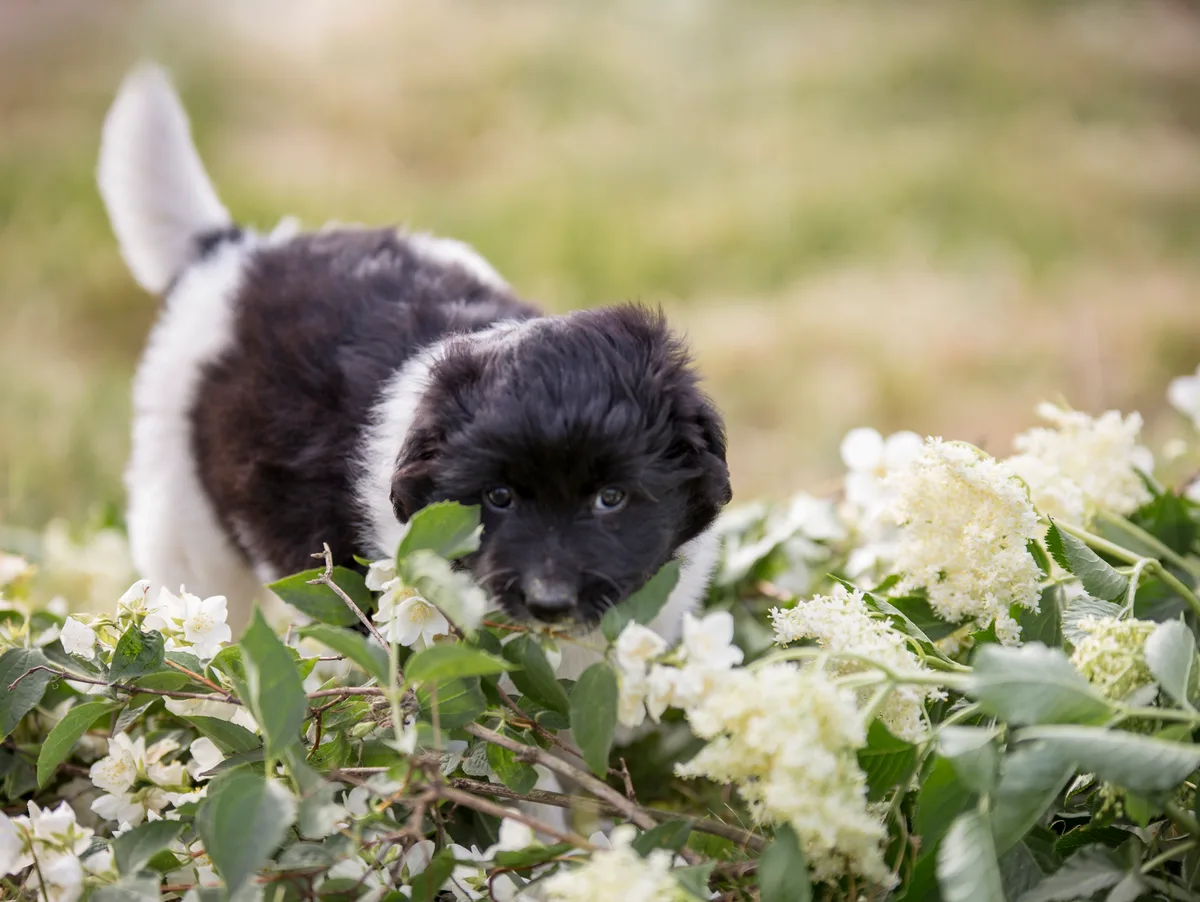
Some of our most popular garden plants can be poisonous to dogs if the leaves, bulbs, flowers or berries are eaten. So, if you have a dog who cannot resist nibbling on unknown things, take extra care when selecting new plants for your garden. In most cases, if your dog ingests a toxic garden plant, the result will simply be vomiting and diarrhoea. But more serious cases of plant poisoning can result in irritation of the skin or mouth, severe dehydration, an irregular heartbeat or even kidney damage. Here, we highlight a selection of popular – but potentially toxic – plants and suggest top-performing pet-safe alternatives.
#1 Tomato
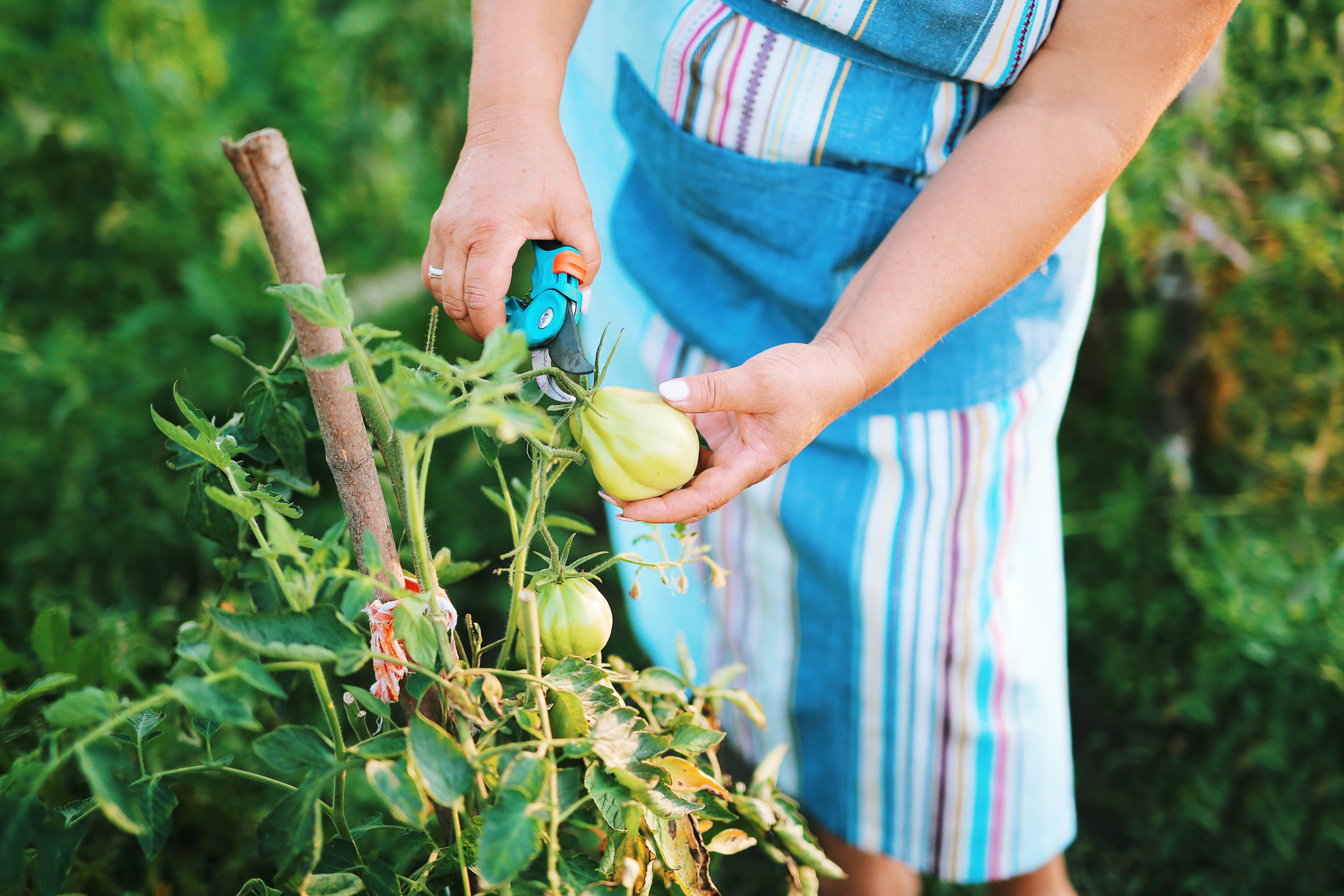
Fresh tomatoes can be safely eaten by your pet but unripe green ones, as well as the stems and leaves, are potentially toxic. The first signs of poisoning are likely to be vomiting, diarrhoea, drooling and drowsiness. However, an easy way to avoid any danger and still enjoy the taste of juicy homegrown tomatoes, is to grow bush varieties such as ‘Tumbling Tom Red’ or ‘Montello’ in a pot raised onto a table or in a hanging basket, well out of your dog’s reach.
You may also like:
#2 Rowan
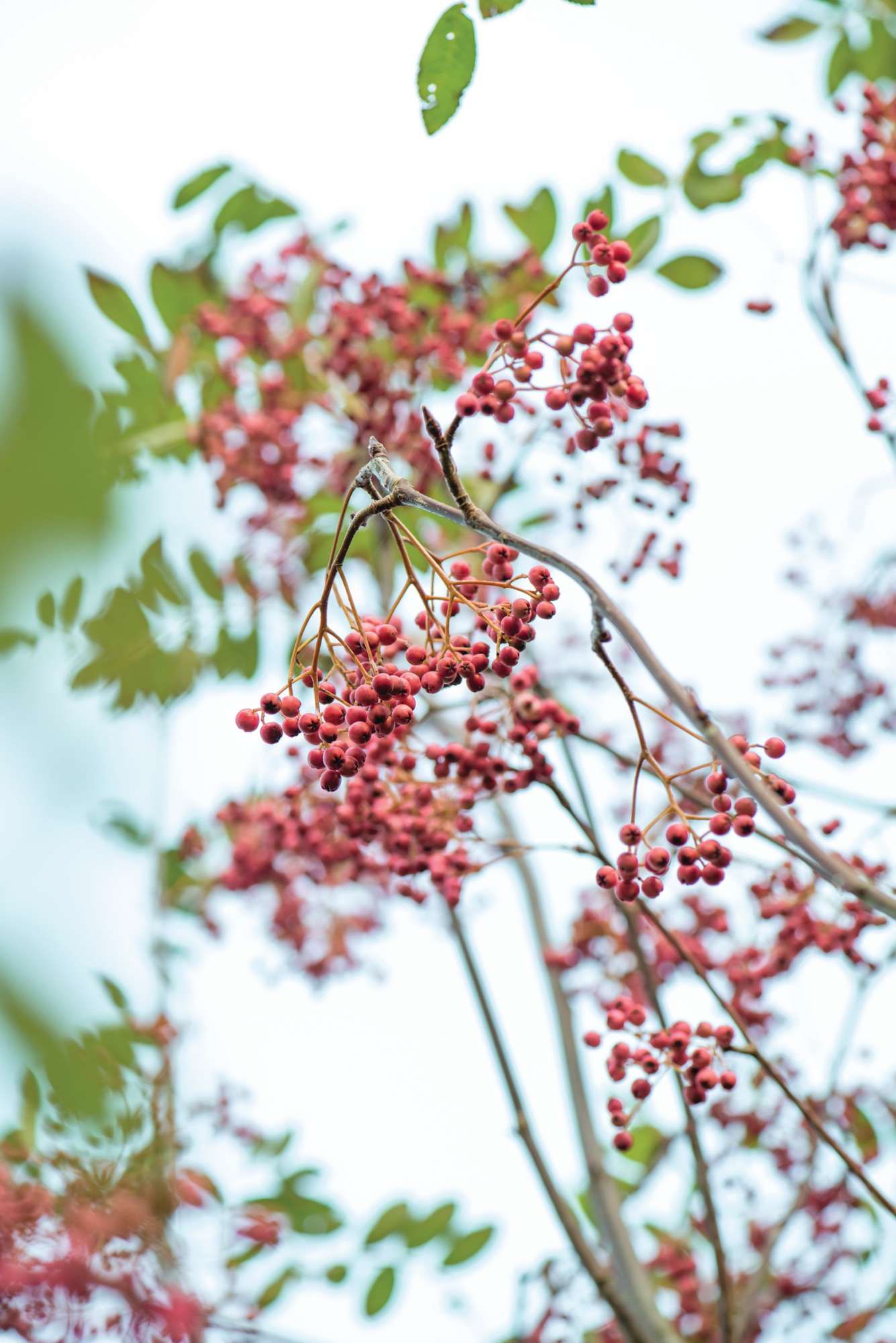
Rowans (Sorbus) are lovely trees with superb wildlife benefits, but the appealing autumn berries could leave your dog with an upset tummy if eaten. If you’re still keen to grow an autumn-fruiting tree to support birds and insects, a crab apple tree is a good option. Look for varieties like ‘Halloween’ (amber yellow) or ‘Gorgeous’ (scarlet red). Alternatively, if you’d rather avoid any fruit or berries at all, willow (Salix) and birch (Betula) are both pet-safe choices. Like rowans, both trees have small leaves which soon disperse when they fall.
#3 Hydrangea
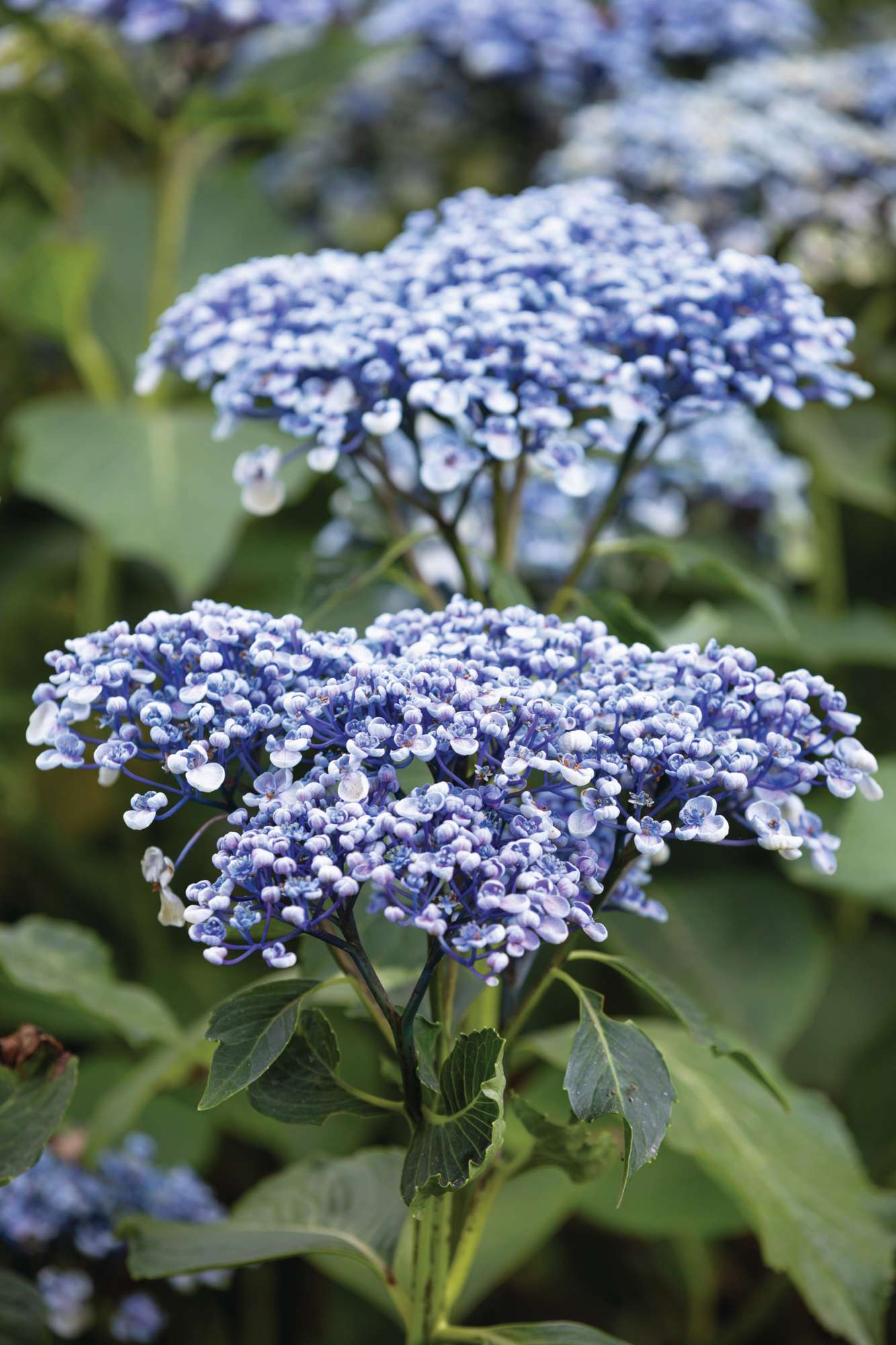
Hydrangeas are popular for good reason: they produce generous, blowsy blooms that persist into autumn, and they like a shady spot. However, hydrangeas are also potentially toxic to dogs (and cats) because some parts of the plant contain cyanide. Symptoms of hydrangea poisoning include vomiting and diarrhoea and, in severe cases, could lead to lethargy and confusion.
You may also like:
Instead, why not choose Mahonia aquifolium? Although it flowers later than hydrangea, mahonia has the advantage of evergreen leaves all year round, and scented yellow flowers in winter and early spring. And although the flowers are sometimes followed by dark blue-black berries, the prickly leaves should act as an effective deterrent to inquisitive dogs.
#4 Daffodil
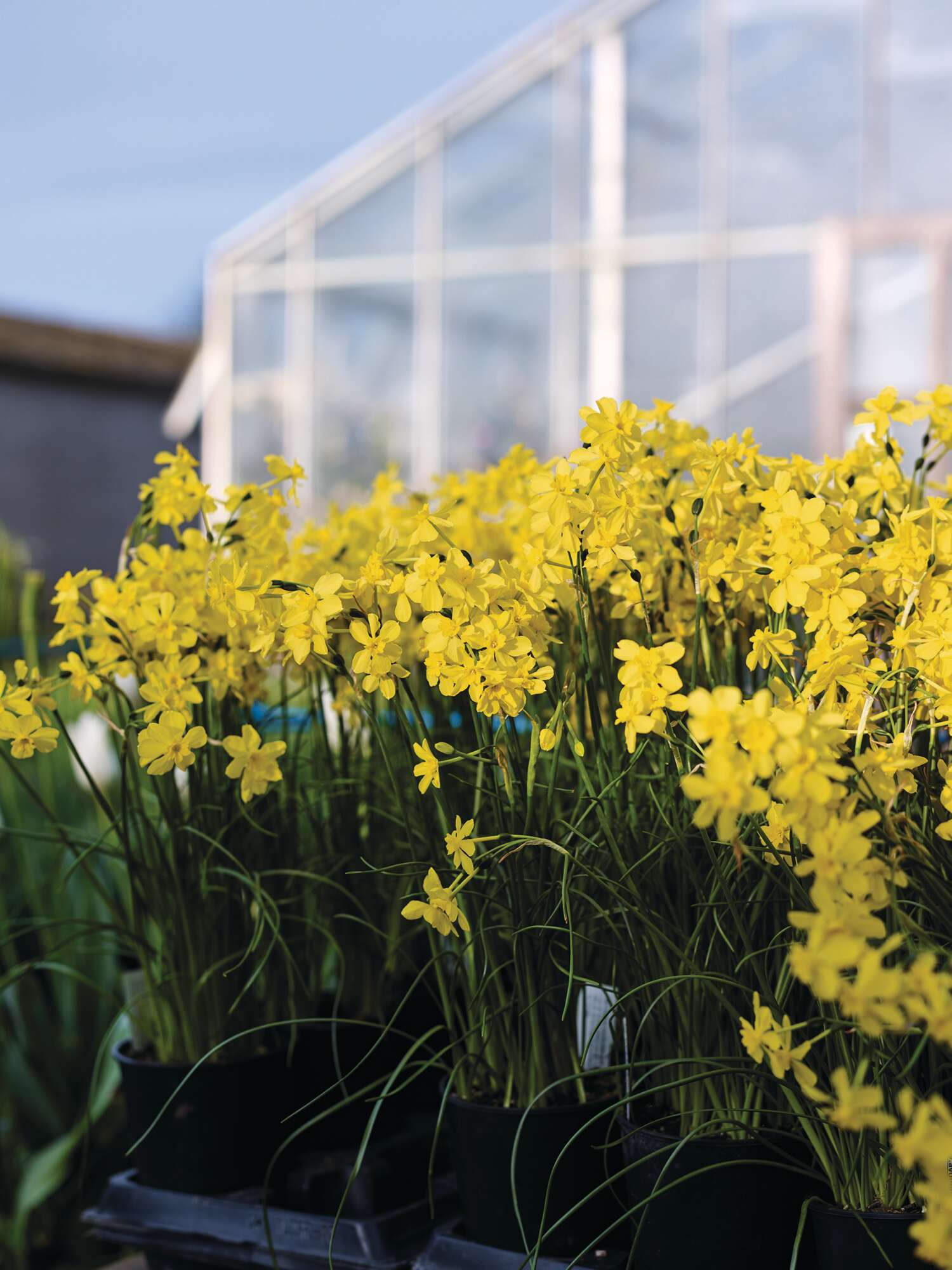
Spring bulbs like daffodils, tulips and crocuses are a joyful start to a new season. But they present a clear danger to dogs – especially pets who love to dig in garden soil. Daffodil bulbs can be fatal if too many are accidentally eaten, while ingesting crocus bulbs can cause vomiting, nervous excitement and, in some cases, dermatitis.

If you do want to grow these bulbs, plant them in raised beds or tall pots that your dog’s paws can’t reach, with a layer of chicken wire over the bulbs, topped with a thick layer of compost. But if you’d rather avoid spring bulbs altogether, fill your garden with colourful bedding plants like pansies and violas which are perfectly safe.
You may also like:
#5 Grape vine
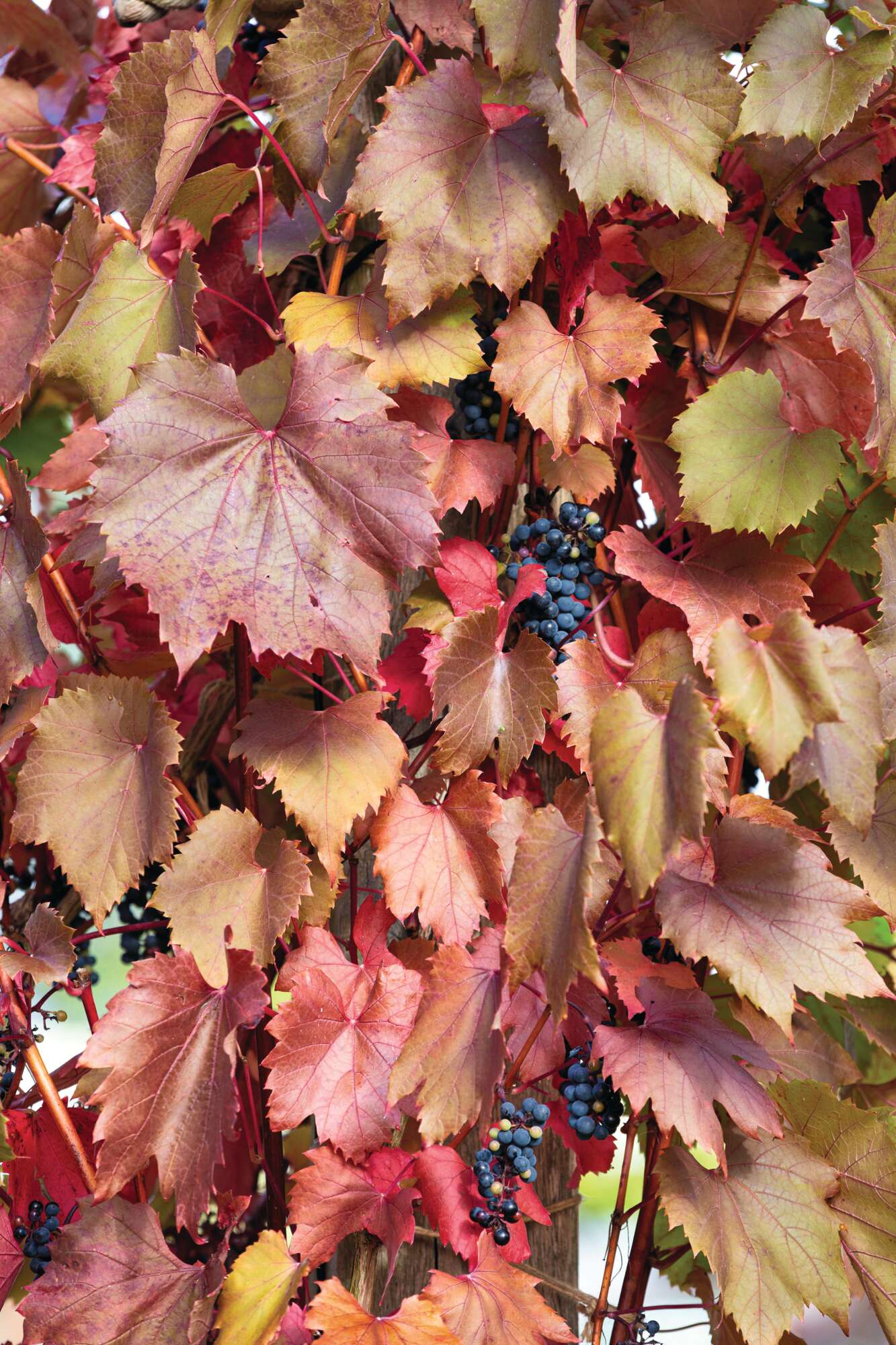
Here, the fruit is the issue and vets now believe it’s because grapes, raisins and sultanas contain tartaric acid. But because different grapes contain varying levels of this organic acid – depending on the variety, ripeness and where the vine is grown – some dogs can be more easily affected than others. With kidney failure being the worst possible outcome, a safer choice is the chocolate vine (Akebia quinata). This pretty flowering climber has attractive semi-evergreen leaves and scented flowers which, like vines, are tinted purple in autumn and winter.
#6 Larkspur
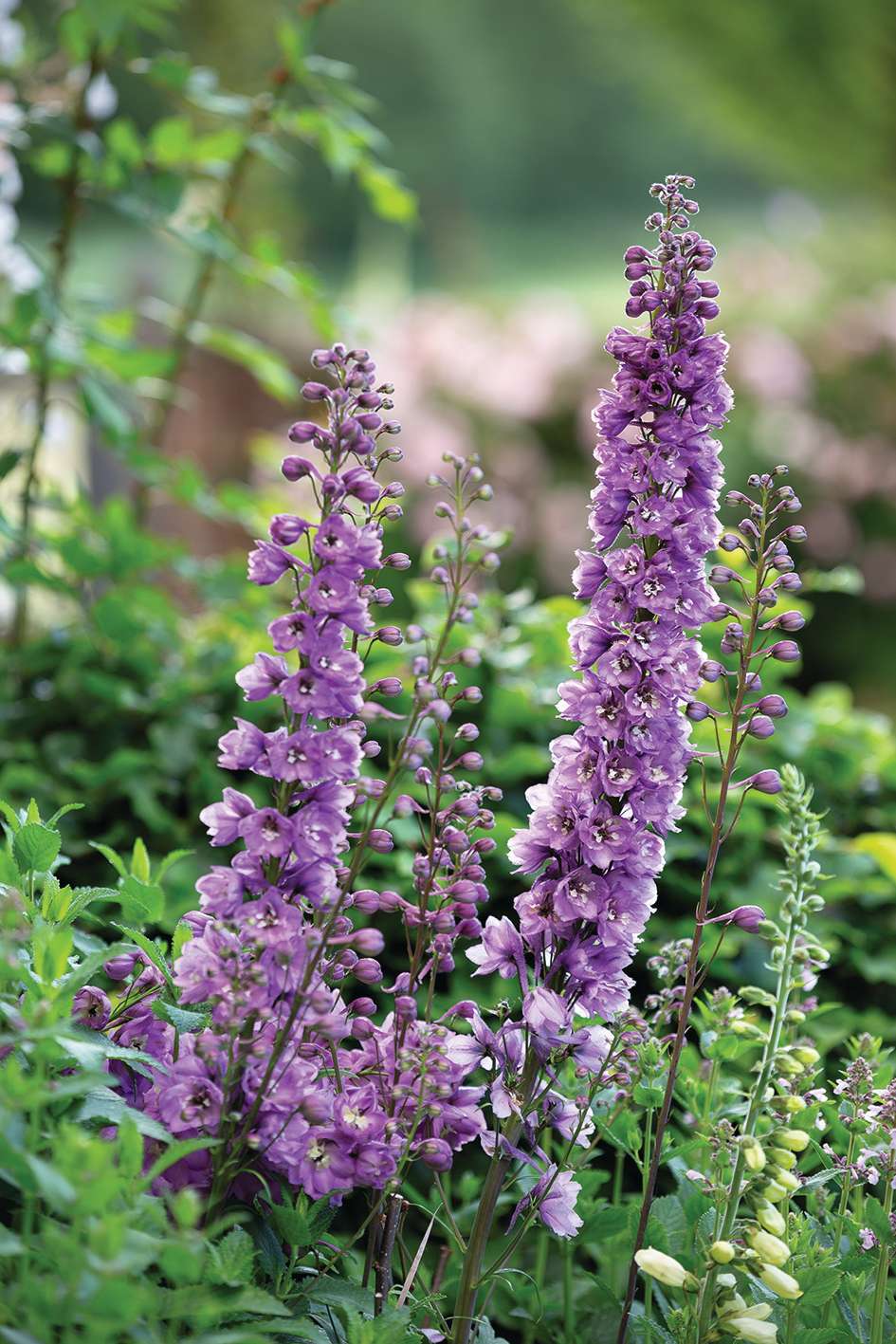
The larkspur family includes delphinium and, unfortunately, all parts of these plants are potentially toxic, causing sickness, diarrhoea and anxiety. The good news is there are plenty of pet-safe alternatives that produce a bold burst of indigo-blue blooms in early summer. Our favourites include Nepeta (also known as catmint), Salvia ‘Caradonna’, or taller varieties of lavender, such as ‘Grosso’ or ‘Hidcote Giant’.
#7 Ivy
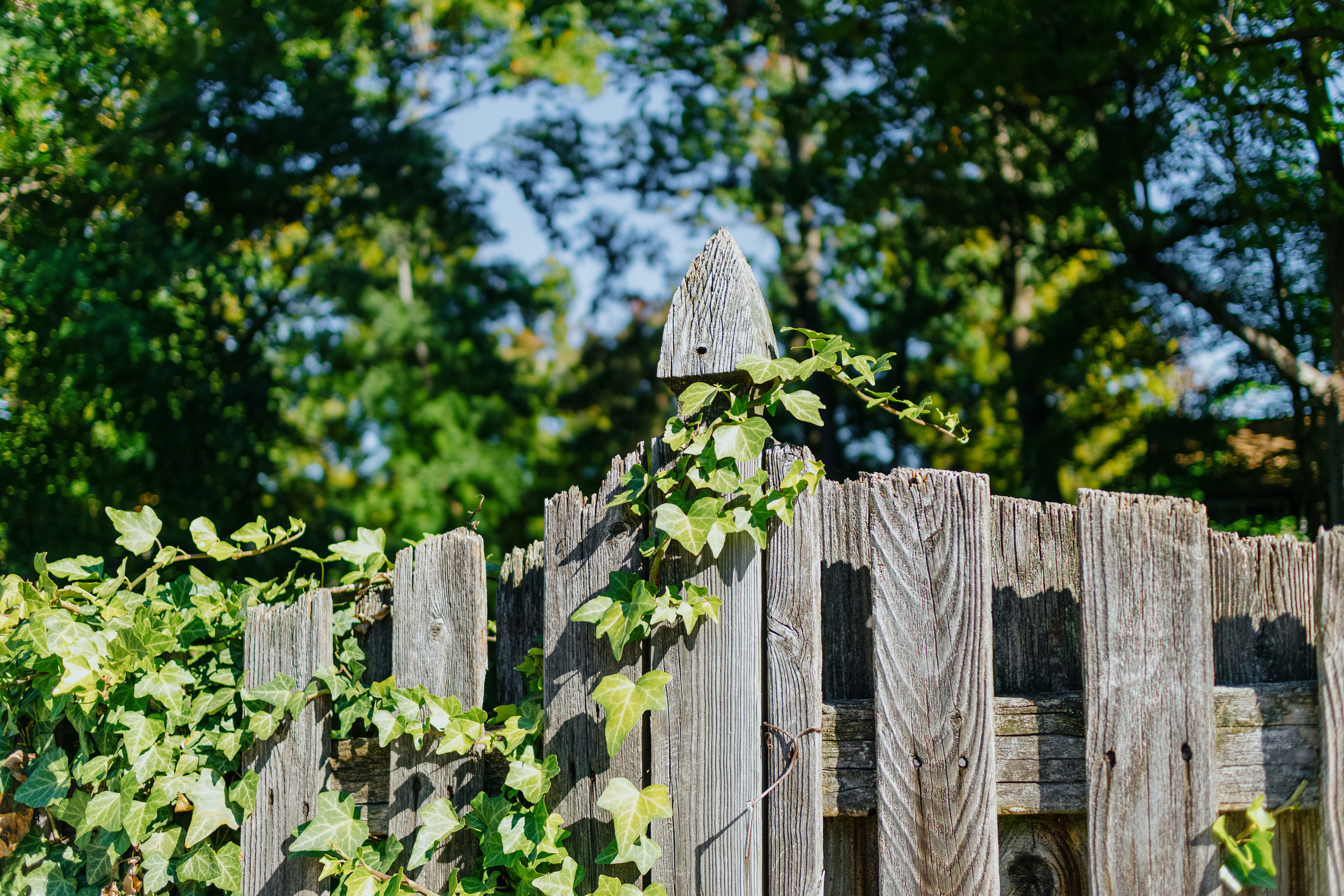
Ivy is a great solution if you want to cover an unattractive wall or fence quickly and it’s also very wildlife-friendly. However, it’s not so kind to dogs: eating the leaves can result in tummy upsets, while contact with the leaves can also irritate the skin and mucus membranes. Two charming alternatives are star jasmine (Trachelospermum jasminoides) or a climbing rose – they may not grow as quickly as ivy, but they do have the added bonus of scented flowers.
#8 Hollyhock
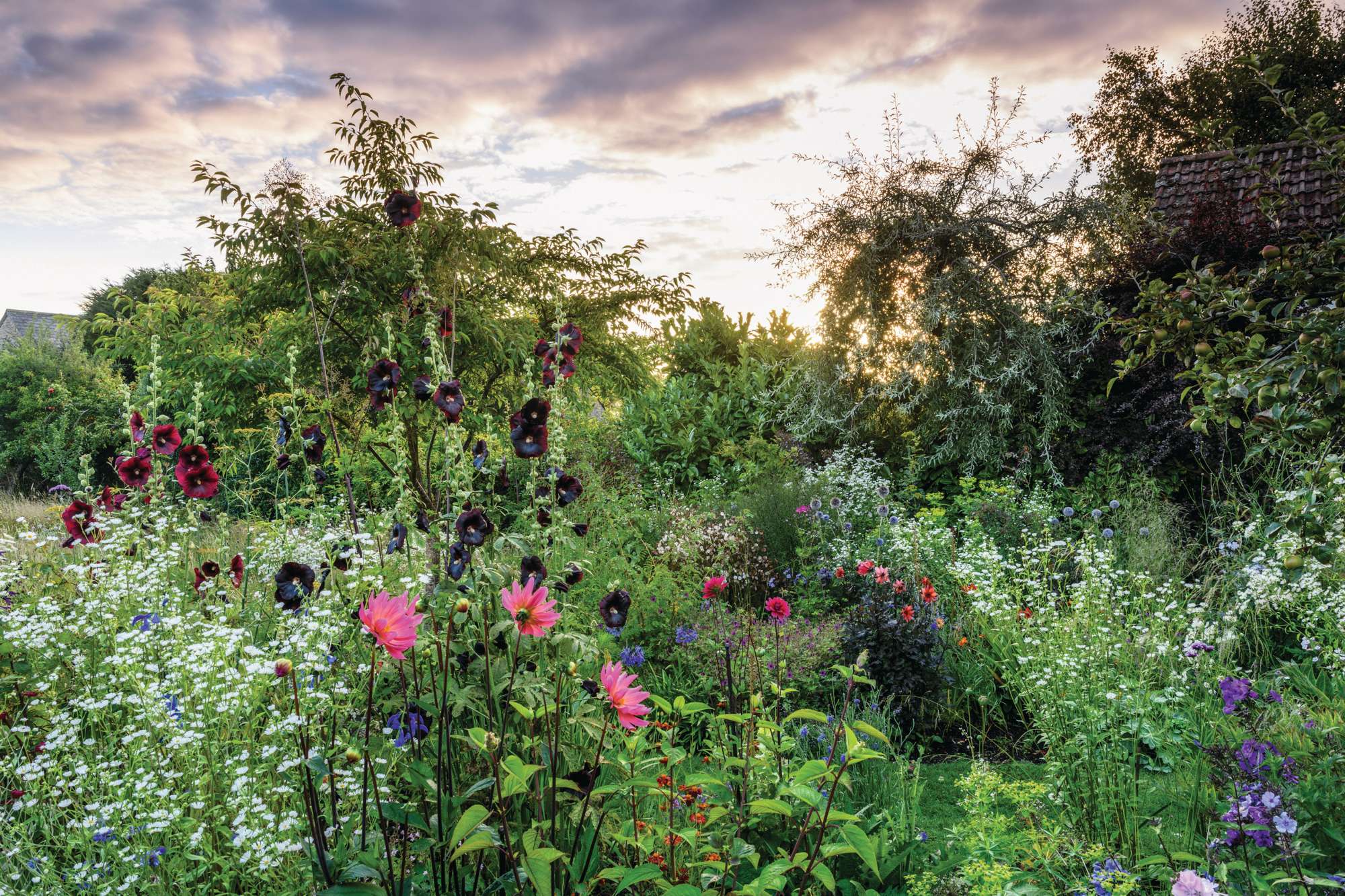
Tall, dramatic and easily grown from seed, hollyhocks are a quintessential cottage garden plant. But being a member of the mallow (Alcea) family, all parts of the hollyhock are potentially toxic to dogs if ingested in large quantities. If you’d rather not take the risk, you could grow sunflowers from seed instead: look for ‘Velvet Queen’ (a deep copper red) and ‘Soraya’ (tangerine orange).
#9 Nicotiana
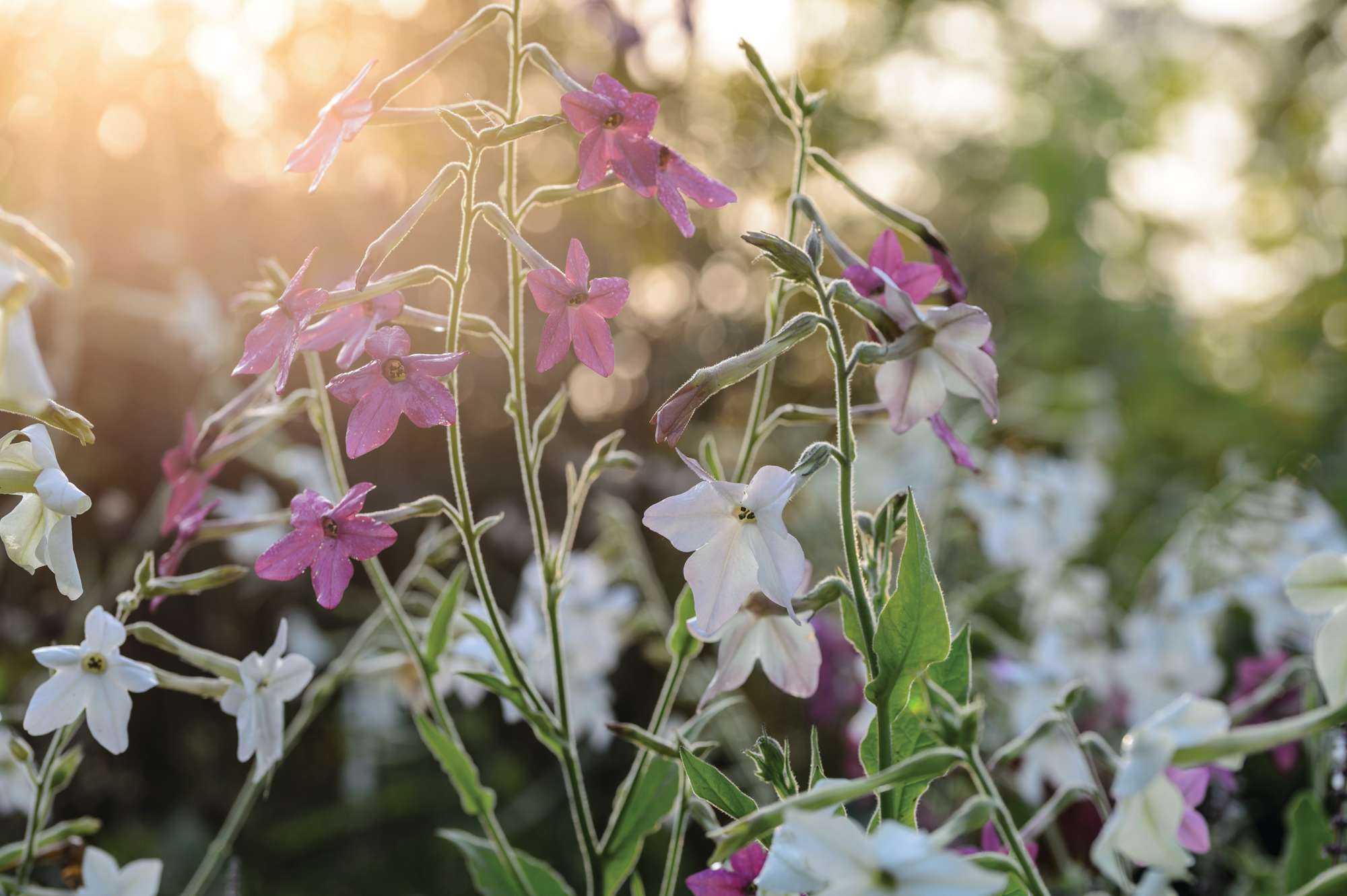
The tobacco plant is a popular annual but the nicotine and other chemicals in the plant can make even a small dose highly toxic to dogs. The symptoms also appear very quickly, typically within an hour of ingestion – including difficulty in breathing, a low heart rate and tremors. Happily, there are a bounty of beautiful summer-flowering annuals you can grow instead: nasturtiums can be trained up a support, or allowed to tumble from a raised planter; snapdragons (Antirrhinum) look beautiful in pots and borders; and both scabious and zinnia make excellent annual cut flowers.