Some of our most common garden plants can be poisonous to cats. This is usually because your pet has brushed against a toxic plant, then accidentally ingested the poison by licking their fur while grooming, rather than eating the plant itself. But some cats do like to nibble leaves and stems. So, if you have a cat that loves to play outdoors and hide among your garden plants, take extra care when selecting new introductions and keep an eye on what your neighbours are planting, too. Avoid using weedkiller or pesticides on your lawn as many cats like to chew grass and, after trips outdoors, remember to check your pet’s fur and paws for sticky or spiky plant seeds. Here, we highlight a selection of popular – but potentially toxic – plants, and suggest top-performing cat-safe alternatives.
Garden plants that could poison your cat
Lily
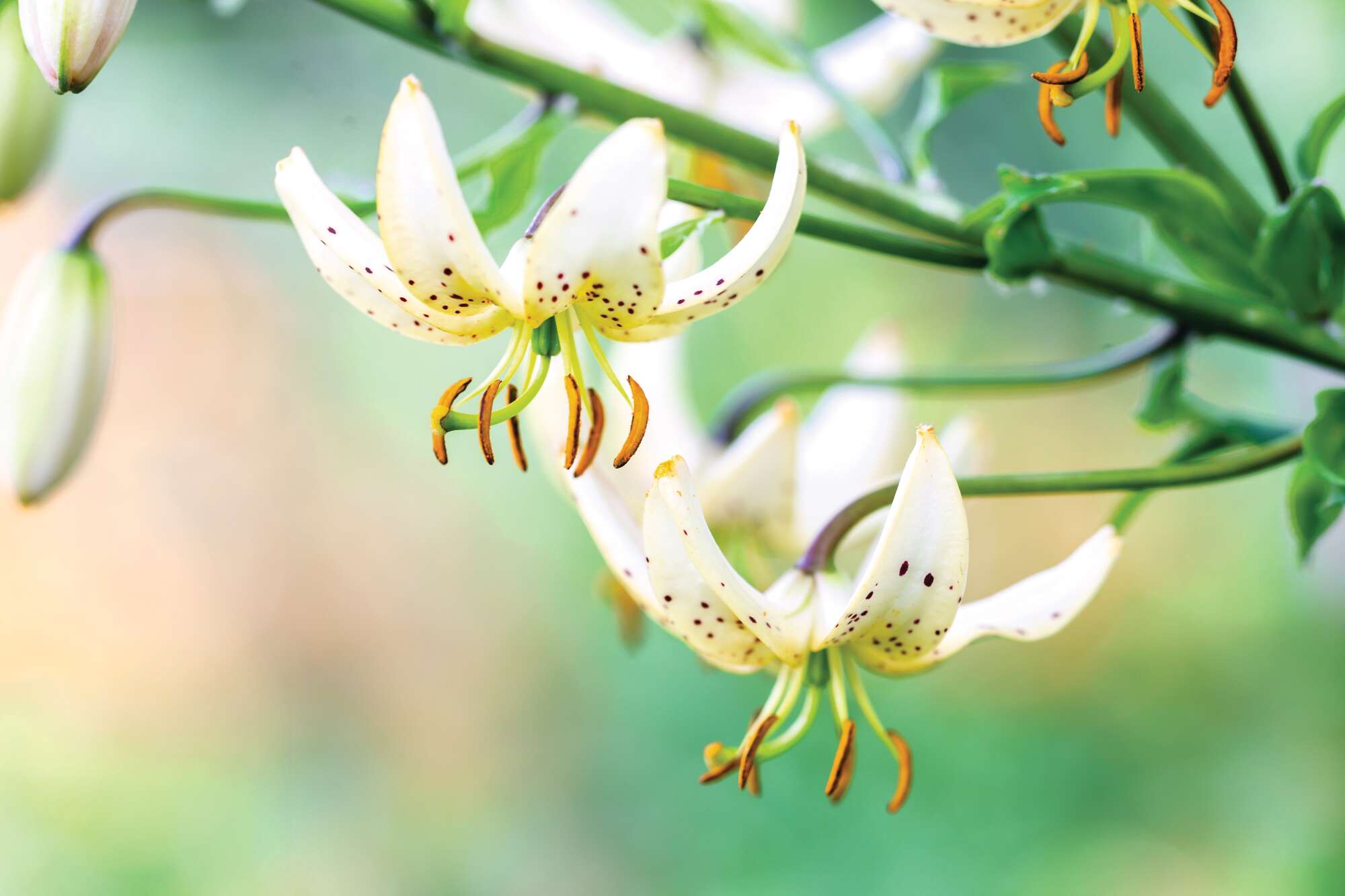
If you’re a cat-owner, the lily family is the most important group of plants to avoid. The pollen, flowers and leaves from all kinds of lilies – including other members of the lily family, such as day lily (Hemerocallis), fritillary and gloriosa – can be deadly. If ingested, even accidentally, the result can be potentially fatal kidney damage. Symptoms will appear soon after your cat has licked or eaten any part of a lily plant, and can include vomiting, drooling and twitching. If a cat is treated quickly, they are likely to recover. But kidney damage may not become obvious until it’s quite advanced, and then it’s too late to reverse the damage.
So, what can you plant instead? If you like growing lilies to display in a vase, you could grow scented roses, sunflowers or gerbera. Zinnias and cosmos also make beautiful cut flowers and are easily grown from seed. And if you’re growing lilies for summer colour in your pots and borders, choose salvia, phlox, wallflowers, nasturtium or lisianthus instead.
Foxglove
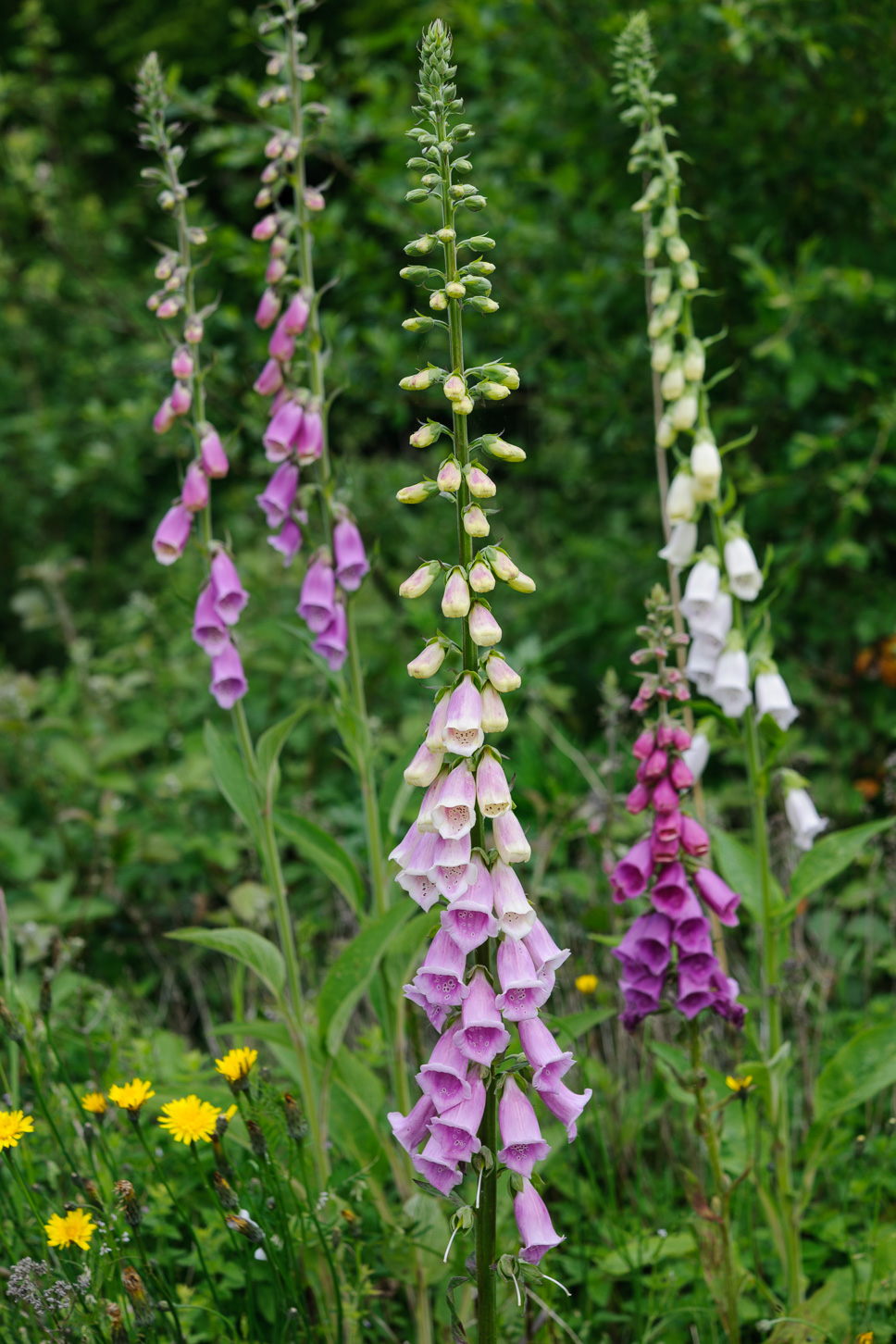
Foxglove (Digitalis) is another perennial flowering plant your cat could easily brush against in the border and, like lilies, all parts are toxic. If accidentally ingested, the chemicals contained in foxgloves could affect your cat’s heart rhythm. A good alternative is verbascum which also produces tall flower spikes and has large fuzzy silver-green leaves which your cat in unlikely to nibble. Particularly lovely perennial varieties include ‘Snowy Spires’, ‘Southern Charm’ and ‘Cotswold Beauty’, while the shorter-lived V. phoenicium is easily grown from seed.
You may also like
Oleander
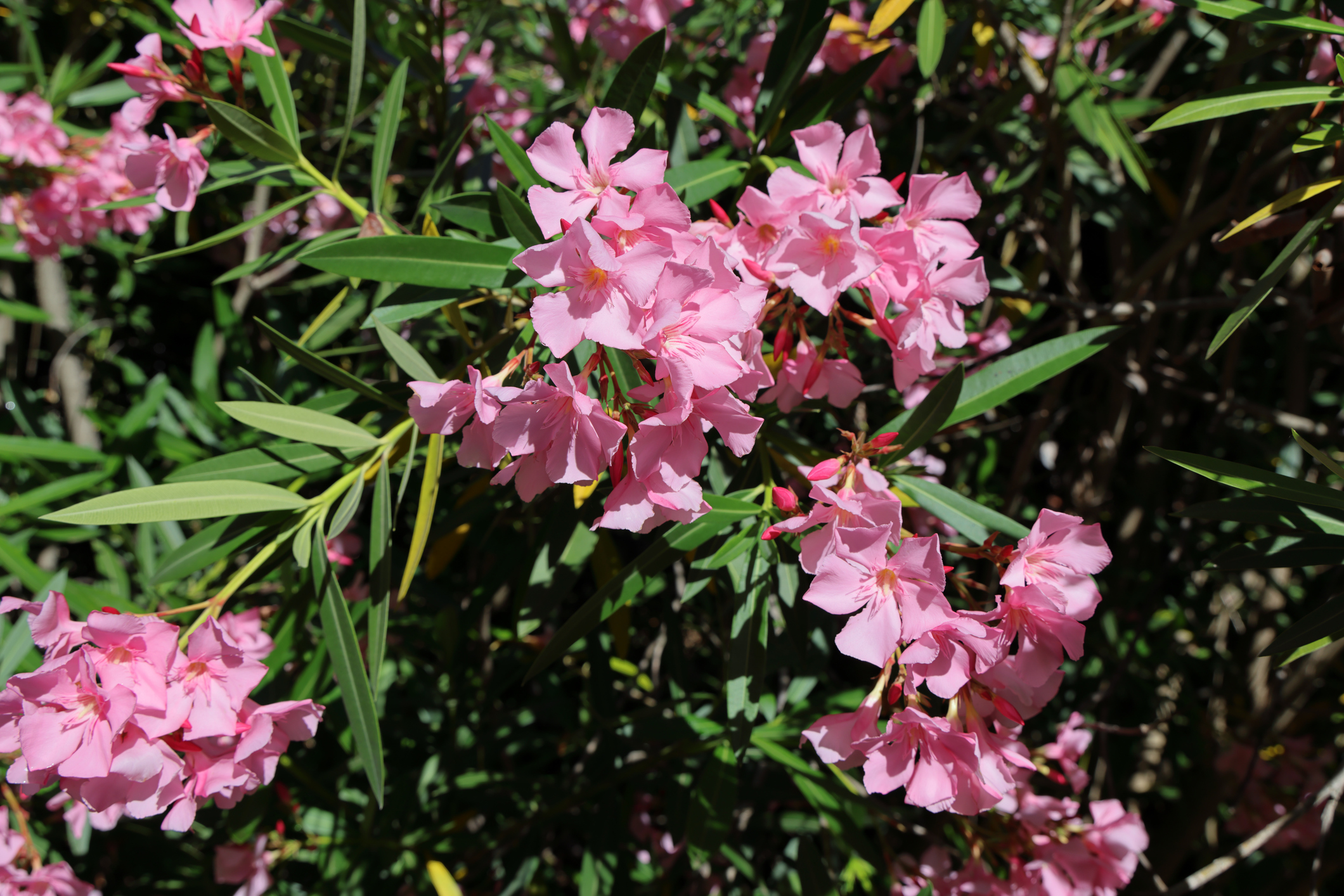
Nerium oleander originally hails from the Mediterranean and has become more popular as the UK climate gets warmer. But although its narrow evergreen leaves and funnel-shaped flowers make it a shrub with year-round interest, it’s potentially toxic to pets (and indeed humans – the RHS recommends wearing gloves when handling it).
To avoid any risk to you or your cat, why not grow buddleia, choisya, or rosemary instead? All three are perfectly pet-safe and have that distinctive Mediterranean look and feel.
You may also like
Chrysanthemum
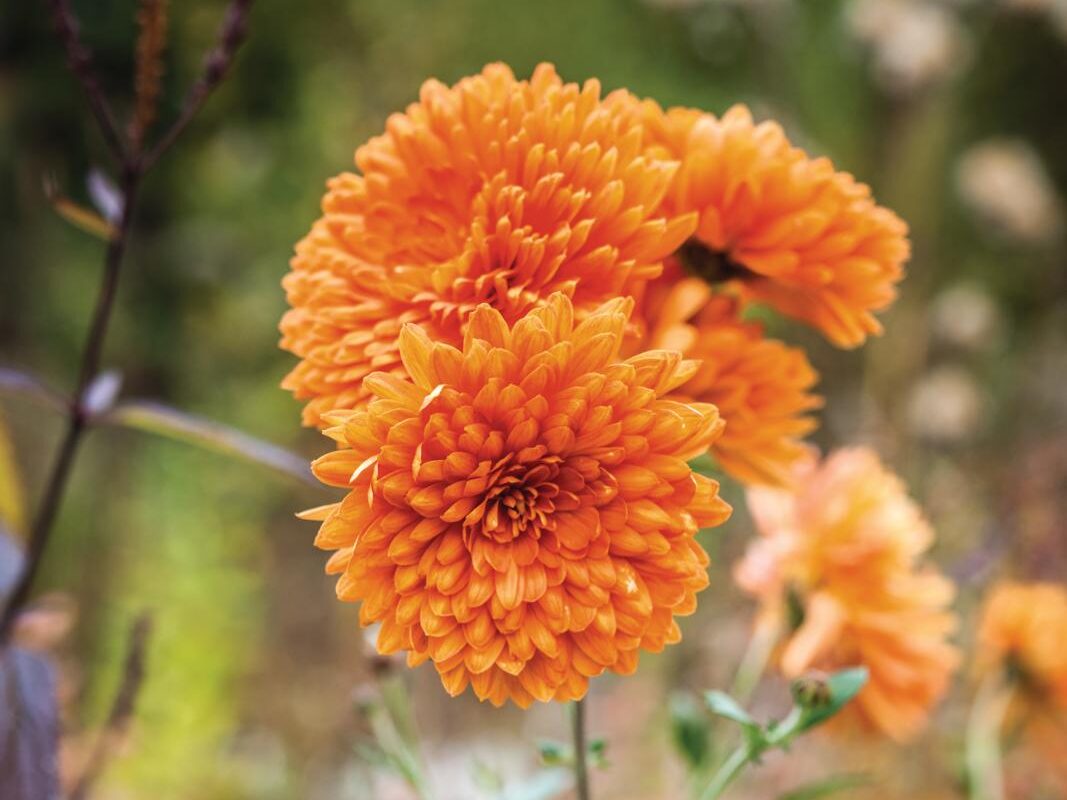
Chrysanthemum is another autumn favourite with a darker side. The flowers have a very distinctive smell which usually puts most animals off, but this pretty plant can cause vomiting, depression and a loss of coordination if chewed. Instead, there are a host of other late-summer daisy-flowered plants to choose from. Popular perennials include echinacea, gazania and erigeron, or if you’re growing dwarf ‘pot mum’ varieties, try the African daisy (Osteospermum) or the marguerite daisy (Argyranthemum) instead. With feeding and deadheading, these reliable annuals should flower until the first frost.
French marigold
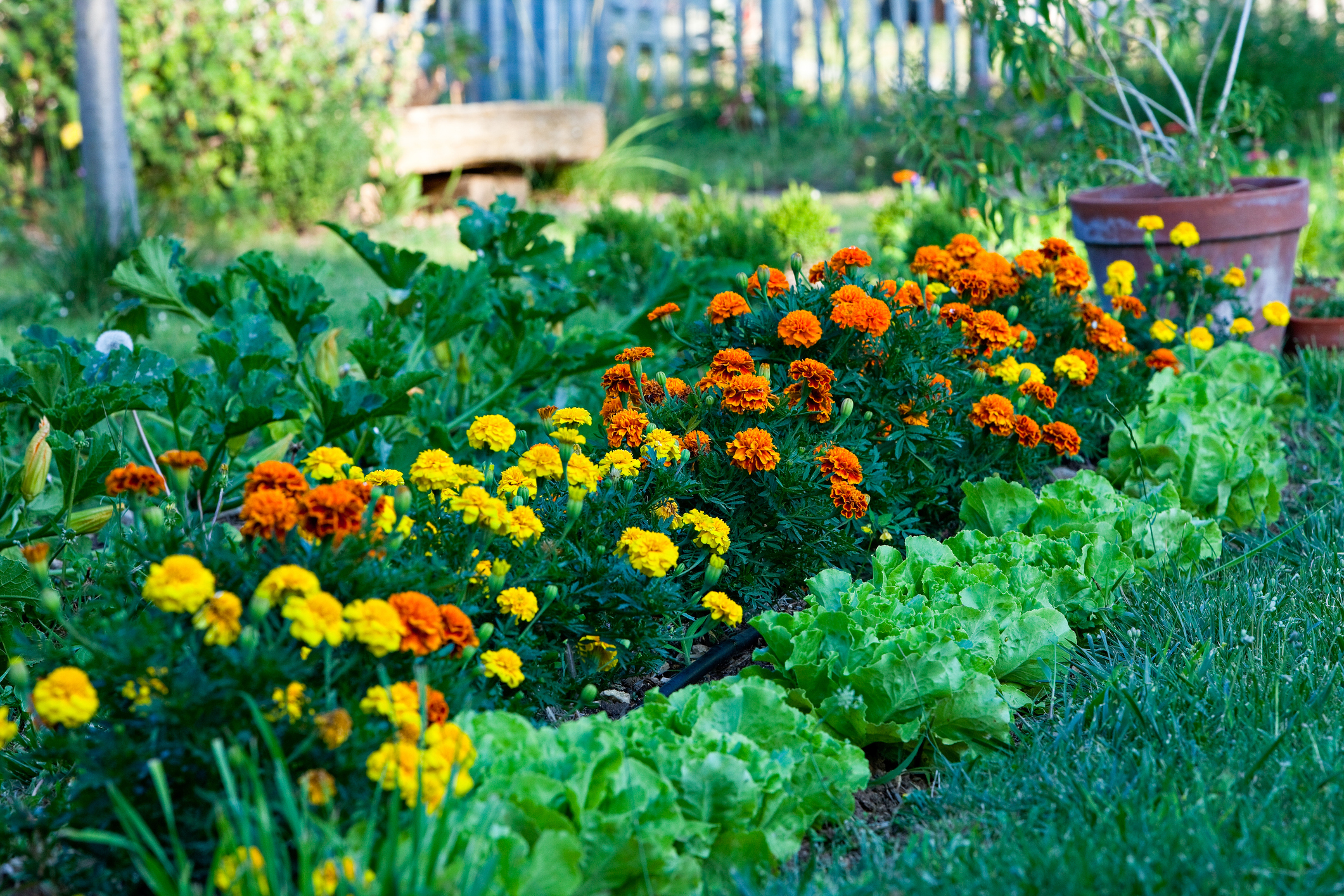
Mildly toxic to cats, French marigolds (Tagetes) can give your cat a tummy upset if chewed and brushing against the plants could also irritate your pet’s skin. An easy swap is the harmless pot marigold (Calendula). There are now some beautiful varieties, including ‘Indian Prince’ whose petals have ruby-red undersides, and pale-peach ‘Sherbet Fizz’. Calendula flowers can be safely eaten by pets and humans, and they attract beneficial pollinating insects, too.
You may also like
Eucalyptus
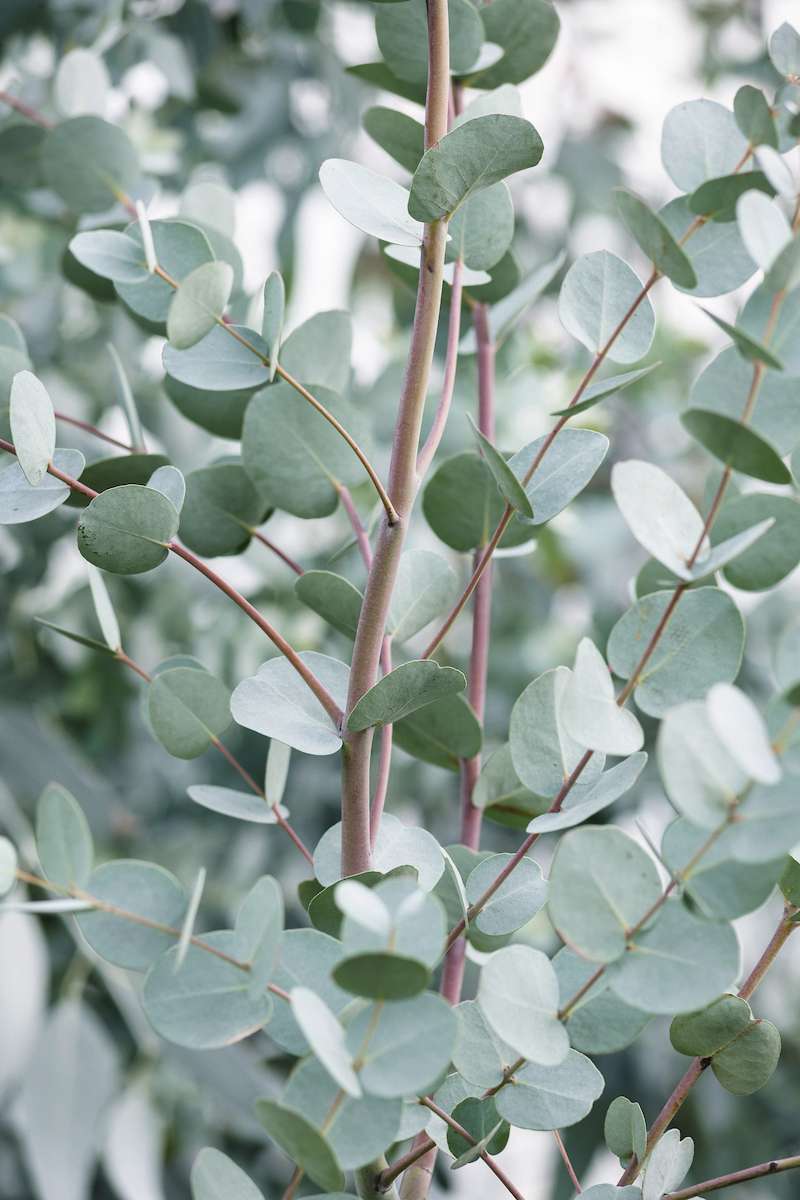
Eucalyptus is a popular garden tree because it grows quickly and has attractive leaves and bark. But it’s also highly toxic to cats in all forms and although your pet is unlikely to eat the leaves, the harmful chemicals could be absorbed through skin contact. So, if your cat is a keen climber, why not choose an olive tree instead? Like eucalyptus, it has silvery leaves and beautiful bark, but this traditional Mediterranean tree poses no danger to pets.
Azalea
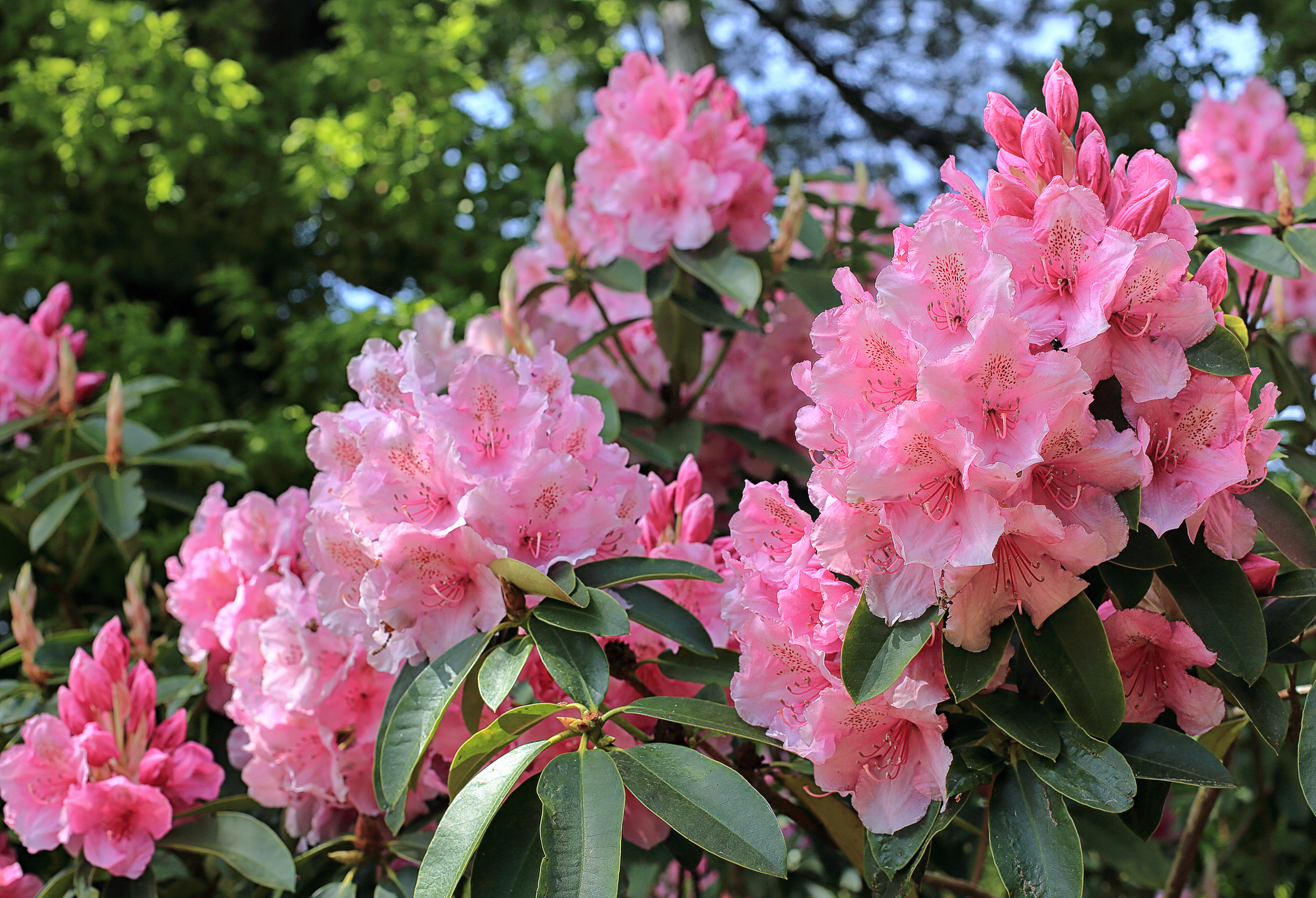
Azalea, a member of the rhododendron family, is known to be toxic to cats if ingested. And, again, this could happen accidentally if your cat’s fur picks up pollen from the large funnel-shaped spring flowers. Symptoms of azalea poisoning include sickness and diarrhoea but, in serious cases, your cat’s heart health could be affected. A beautiful alternative to azalea is lilac (Syringa) – like many azaleas, it also flowers in May and the fragrant clusters of purple, white or pink flowers last for several weeks.


