At the end of July, Met Office data showed England and Wales were on track to have their driest July in 190 years. With seven areas of England currently in drought following a summer of record-breaking temperatures and red extreme heat warnings, it's no wonder our lawns are looking a little thirsty.
Take a walk down your nearest residential street or to the local park and it's likely you'll spot a lot of yellow, crispy grass. While the colour may be alarming, grass is resilient and will almost certainly bounce back to its usual green when it rains again, so watering lawns is a waste of water – especially with many hosepipe bans in place across England.
Here's how to avoid damaging your lawn further and make sure it returns to its green and healthy state again, without resorting to the hose.
Read more:
How to revive a scorched lawn
1. Don't use the hose
Grass usually bounces back to its former glory after periods of drought, so in general, it is not worth watering grass unless it is newly seeded. Prioritise watering pots and planted areas before the lawn, using a watering can. For new grass, a good soak every few days is more effective than watering little and often.
2. Reuse grey water for new lawns
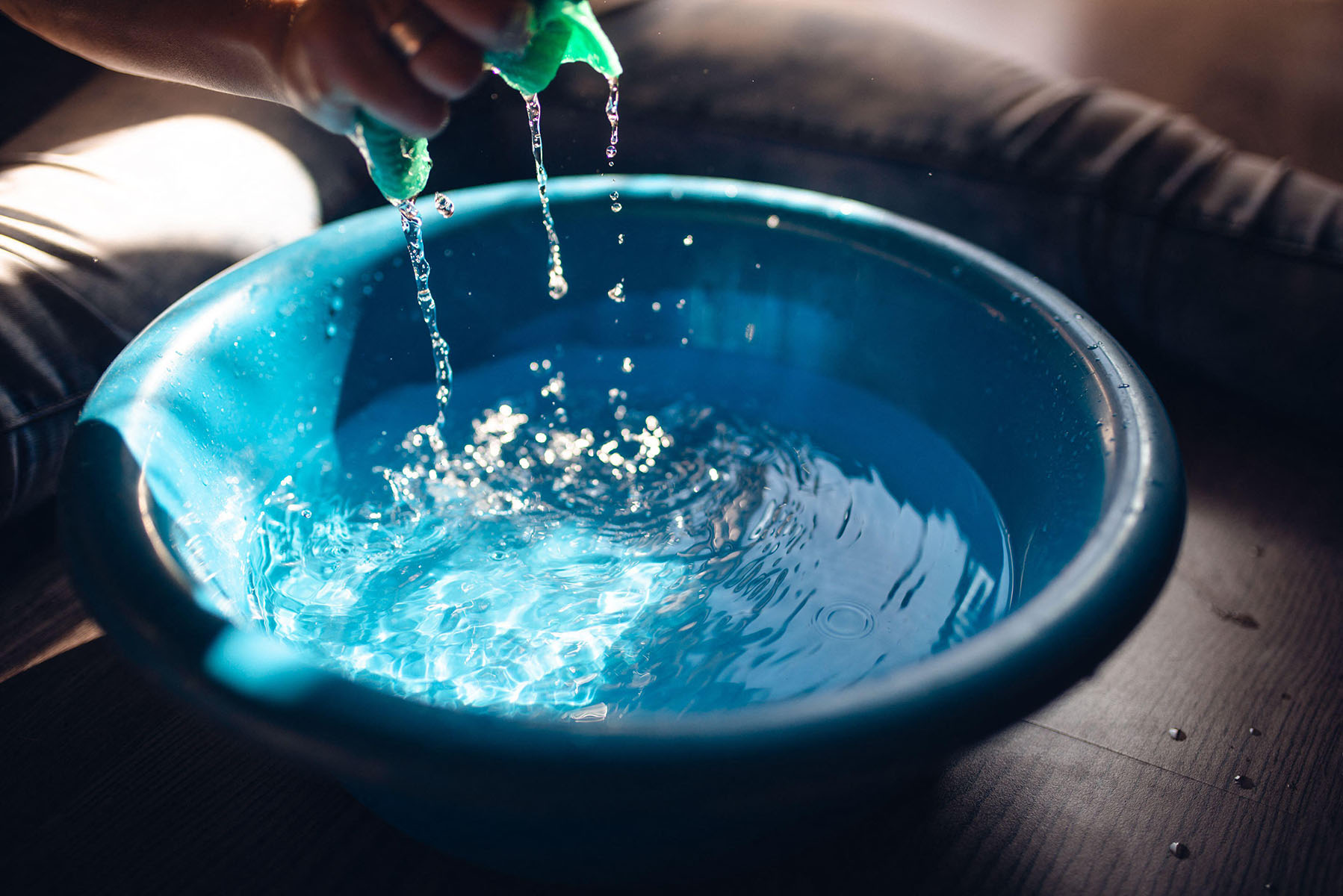
If you're watering a new lawn, save water by first using supplies from a water butt, and then from other household tasks. Water from baths, washing up bowls and cooking can all be used in the garden – just make sure it doesn't have any harsh chemicals like bleach or strong detergents.
3. Don't feed or fertilise
See a struggling plant and the temptation might be to give it some fertiliser, but this could do more harm than good for scorched grass, damaging the soil and disrupting root health. So, wait until the lawn has recovered to use feeds and fertilisers.
4. Reseed once the temperatures lower
When temperatures lower and rain returns, rake over any bare patches in the lawn and add a layer of grass seed. Be sure to water the newly seeded areas regularly to keep them moist if it doesn't rain, giving them a good soak in early morning or evening to encourage the roots to grow deeper into the soil. Again, it is best to use grey water for this task.
5. Feed when the grass is recovering
Once the lawn is recovering, you may want to feed it with a slow-nitrogen-releasing fertiliser to give it a boost. Liquid seaweed is also a good choice, as it helps to improve the soil and encourage healthy growth.
How to protect grass when mowing
During heatwaves, it's best to avoid mowing the lawn, but in warm weather mow every 10-14 days, or less often. Then, mow in mid-morning or early evening, and try to avoid walking on the grass, which can damage it further.
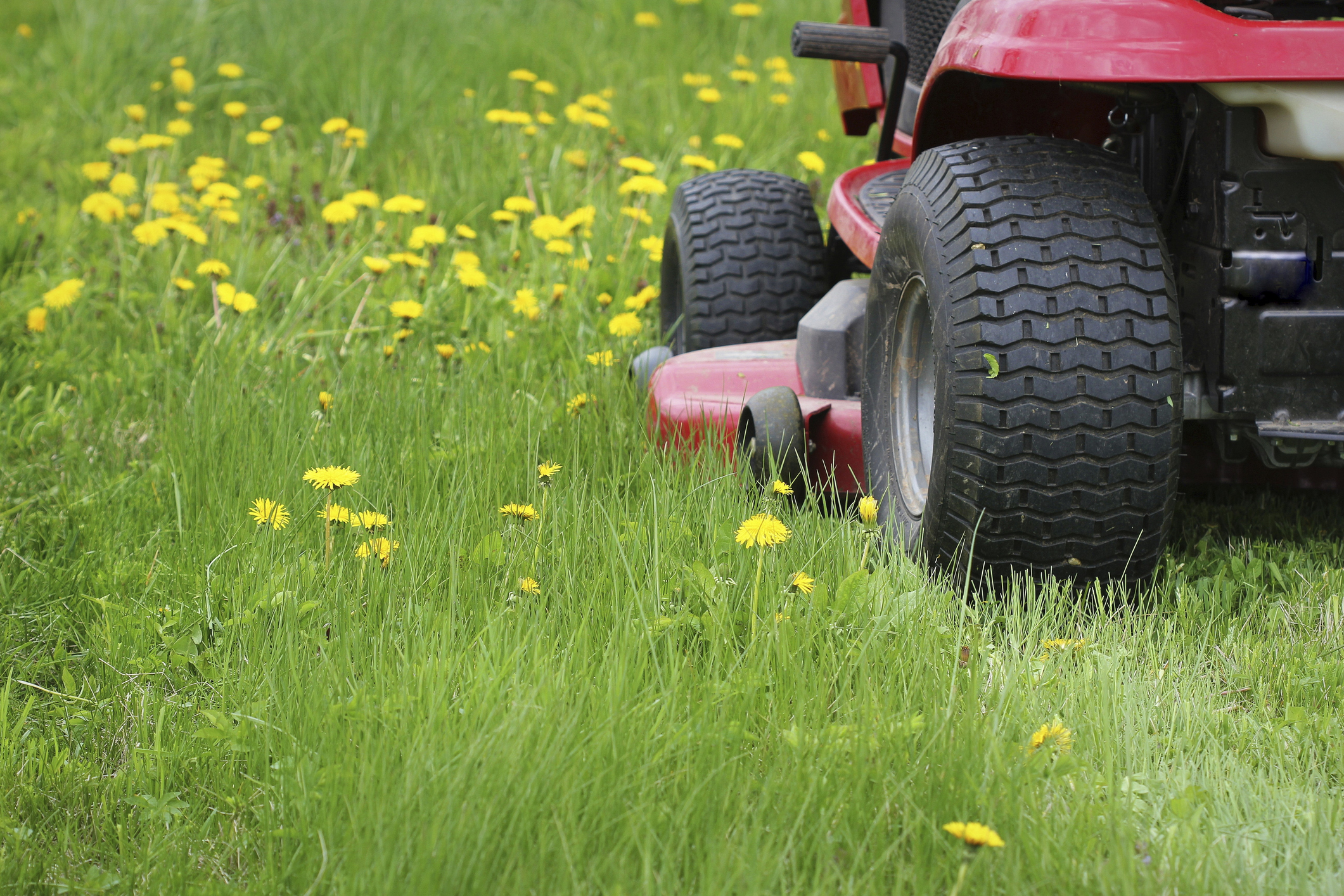
"Be gentle and resume mowing gradually rather than shocking the lawn with a heavy cut, keeping the blades set a little higher to avoid putting unnecessary stress on recovering grass," says Peter Chaloner, managing director of lawnmower brand Cobra. "As growth returns, regular mowing at this raised height will encourage the lawn to thicken up while allowing the grass to rebuild its strength."
Keeping grass longer also helps to protect it during heatwaves and droughts as the roots are more shaded; patches of longer grass often remain green, while shorter grass becomes scorched and yellow.
Peter recommends using a mulching mower as another drought-resistant mowing practice: "Using a mulching mower is a simple but effective way to improve moisture retention, as the finely chopped grass clippings are returned to the lawn, helping the soil hold onto moisture to make it stronger for any future heatwaves.”
How to avoid scorched grass in the future
As heatwaves and droughts become more frequent, there are a few tricks we can use to keep grass healthier in the summer.
- Allow grass to grow longer – mowing a path through or borders around longer grass makes this look intentional
- If you do mow, raise the height of the lawnmower blades to avoid trimming it too much
- Grow tall shrubs and trees, which shade the ground
- Avoid walking over grass during dry periods, as this can damage it further
Read more: 10 top tips for keeping your lawn lush and green
*With advice from Matt J Adams, founder and lead gardener at The Relentless Gardener and North Hill Gardens Landscape Architecture


