Food security. It’s a phrase that’s frequently in the headlines right now and, according to Chris Packham and a host of high-level thinkers, we’re on the verge of a national emergency. In November 2025, the UK’s leading experts updated over 1200 politicians and business leaders at The National Emergency Briefing. Its mission… to set out the implications of climate and nature breakdown for food systems, health, national security and the economy and to ‘call for a wartime-scale response to the climate and nature crisis’.
Speaking on food security, Professor Paul Behrens, a leading environmental scientist at the Oxford Martin School, University of Oxford, warned of ‘a threat that will affect everyone in this room, every family in this country and every constituent, a threat for which we are woefully unprepared. I'm talking about the increasing pressure on global food supplies in the face of accelerating climate change and nature loss.’ He believes that our current food security system is at breaking point.
You may also like
- Save hundreds of pounds on fruit and veg by growing your own
- Anna Greenland's top vegetables to grow in pots
Fast forward to autumn 2026 - following record drought and heatwaves in the UK, reduced farming harvests and increasing uncertainty over global weather patterns and geopolitical conflicts - the National Audit Office, the UK's independent public spending watchdog, also sounded ominous alarm bells: ‘The food supply chain faces a wide range of risks that can cause disruption. These include ‘acute risks’, such as extreme weather, cyber-attacks, energy disruptions and animal, plant or human disease outbreaks. It also faces longer-term ‘chronic risks’ such as climate change, which can gradually erode resilience over time.’ In the same month, Environment Secretary Dame Angela Eagle warned we should be stocking up on consumable staples, such as tins and dried goods, ahead of a predicted change to climate pattern El Niño that may bring a potentially wet and stormy autumn and winter in the UK.
Against this backdrop of shock-factor headlines and rising prices, what’s the reality of where our food comes from? And what, as individuals, can we do to make sure that we can eat well now and in the future? Professor Paul Behrens puts it into context: 54% of our food is grown in the UK; 46% is supplied via global networks. ‘Of these imports 25% come from the Mediterranean, especially vital vegetables and fruit and these are regions that are experiencing dramatic climatic impacts.’
The truth is that we are deeply dependent on the rest of the world to put food on our tables - everything from rice to olive oil, beef to fruit, and cacao to coffee. If supply is tight, food inflation follows. ‘When families can’t afford to feed their children, societies break down,’ Paul Behrens warns, adding ‘When food security experts are asked about UK civil unrest driven by food supply crises, 40% say it's possible within a decade on our current path. 80% say that it’s possible within 50 years. And yet our agricultural policies barely acknowledge these risks.’
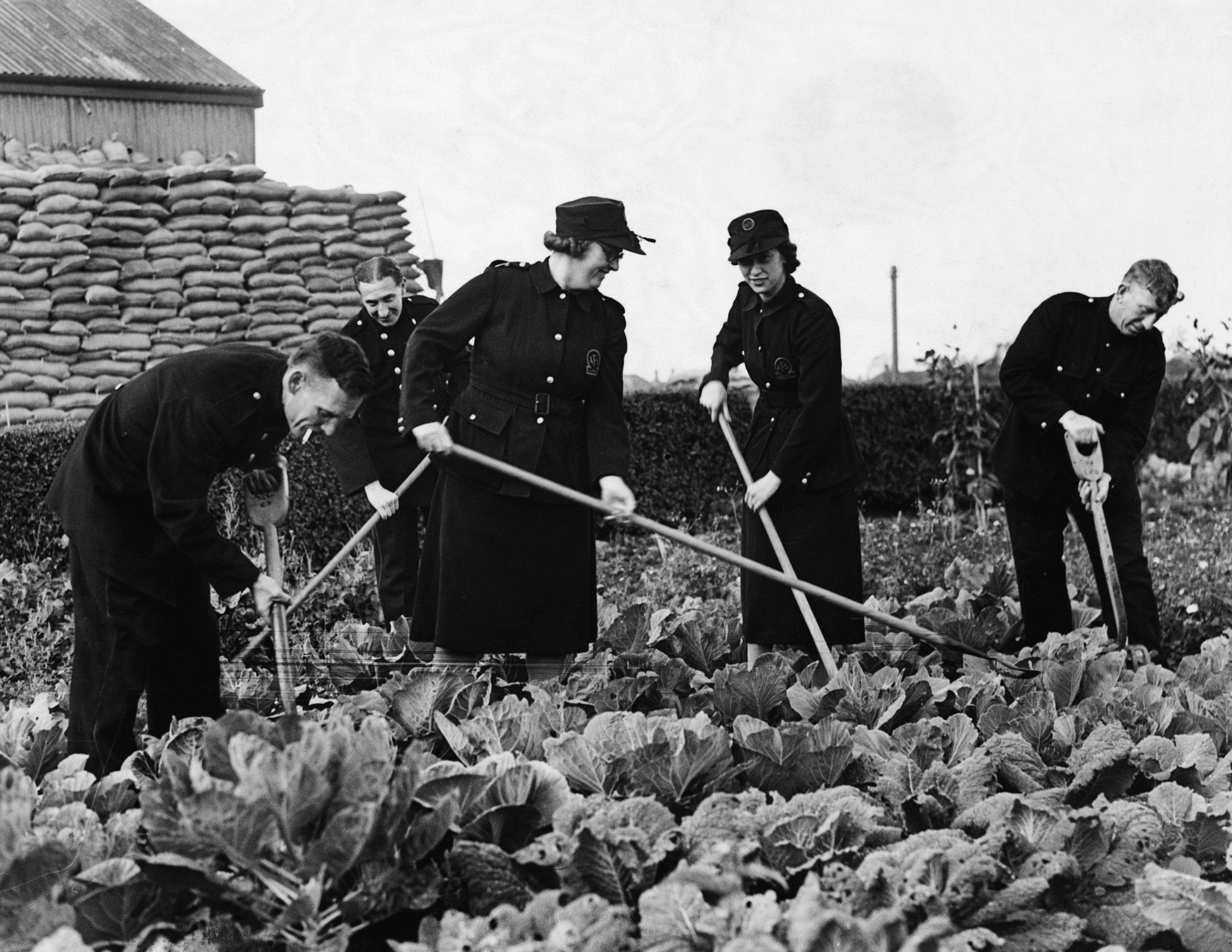
It all sounds desperately doom and gloom, yet many believe that the fragility of our current food supplies is a catalyst for positive change; an opportunity to rethink and reconnect with the produce we need to sustain ourselves day in day out. Is it time to grow more of our own food? Buy UK-grown produce over those sourced from other parts of the world? Do we require a return to the Dig For Victory mentality of the Second World War when the British government encouraged citizens to grow vegetables to prevent food shortages? ‘The research is crystal clear,’ says Paul Behrens. ‘We need a great food transformation, built on four main pillars: shifting to plant-rich diets; reducing food waste; improving production; and increasing climate resilience.’

You may also like
A move away from daily meat-heavy meals to healthy, plant-rich diets is a priority action point. Growing our own plant-derived food as a routine part of our daily lives needs to become commonplace. It not only puts us in control of what we eat and when we eat it, but is also financially cost-effective and healthy for physical and mental wellbeing. Jack Wallington, the nature-first advocate and landscape designer, acknowledges we’ve reached the point that we must seriously concentrate on food production. And that everyone can do their bit. ‘Collectively, millions of us growing a little more food would matter,’ he says.
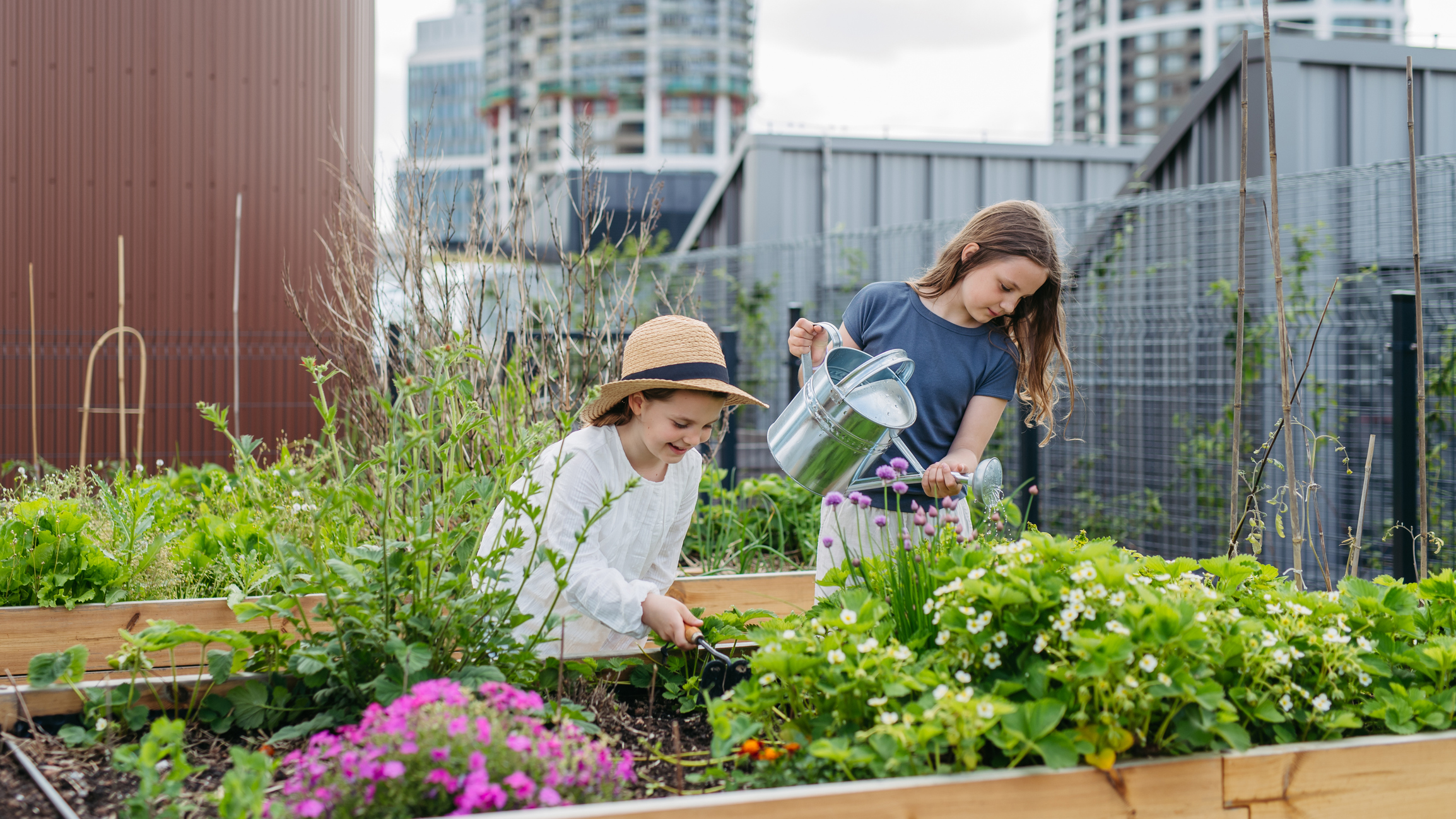
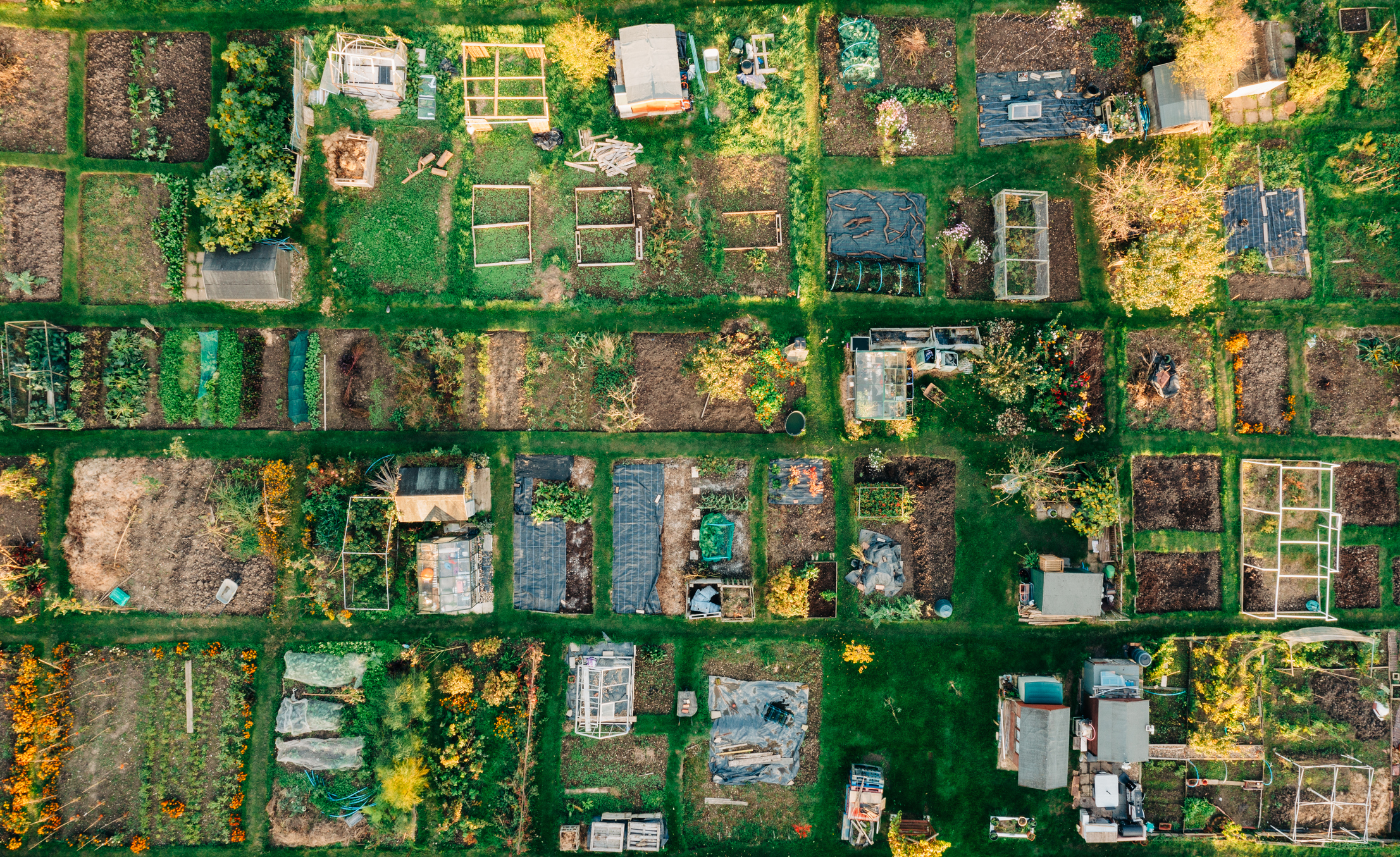
Some of us are already on the journey - cultivating and eating exciting seasonal and delicious produce that is plastic and pesticide free. There are an estimated 330,000 allotments in the UK (with frustratingly long waiting lists in many areas), 1175 registered community gardens, and, according to the Horticulture Trades Association, 32% of us are using our gardens or outdoor spaces for fruit and veg.
‘It doesn’t mean everyone has to grow tonnes of food, but we can all grow something,’ says Jack Wallington. ‘Every portion of food we grow ourselves makes us slightly less dependent on the systems supplying all of our food and slightly more resilient to supply disruptions. It is one of the most meaningful and empowering actions we can take.’ In his book, Grower Gatherer, Jack Wallington advocates for perennial homegrown crops (alongside high yield annuals) that are reliable, come back year after year and are highly nutritious. Fruit (apples, pears, rhubarb, raspberries and gooseberries), high-protein nuts (hazelnut and almonds), vegetables (artichokes, perennial kale) and herbs (rosemary, sage) can be grown in a garden setting as part of a plant community that stocks our kitchen but also looks beautiful.
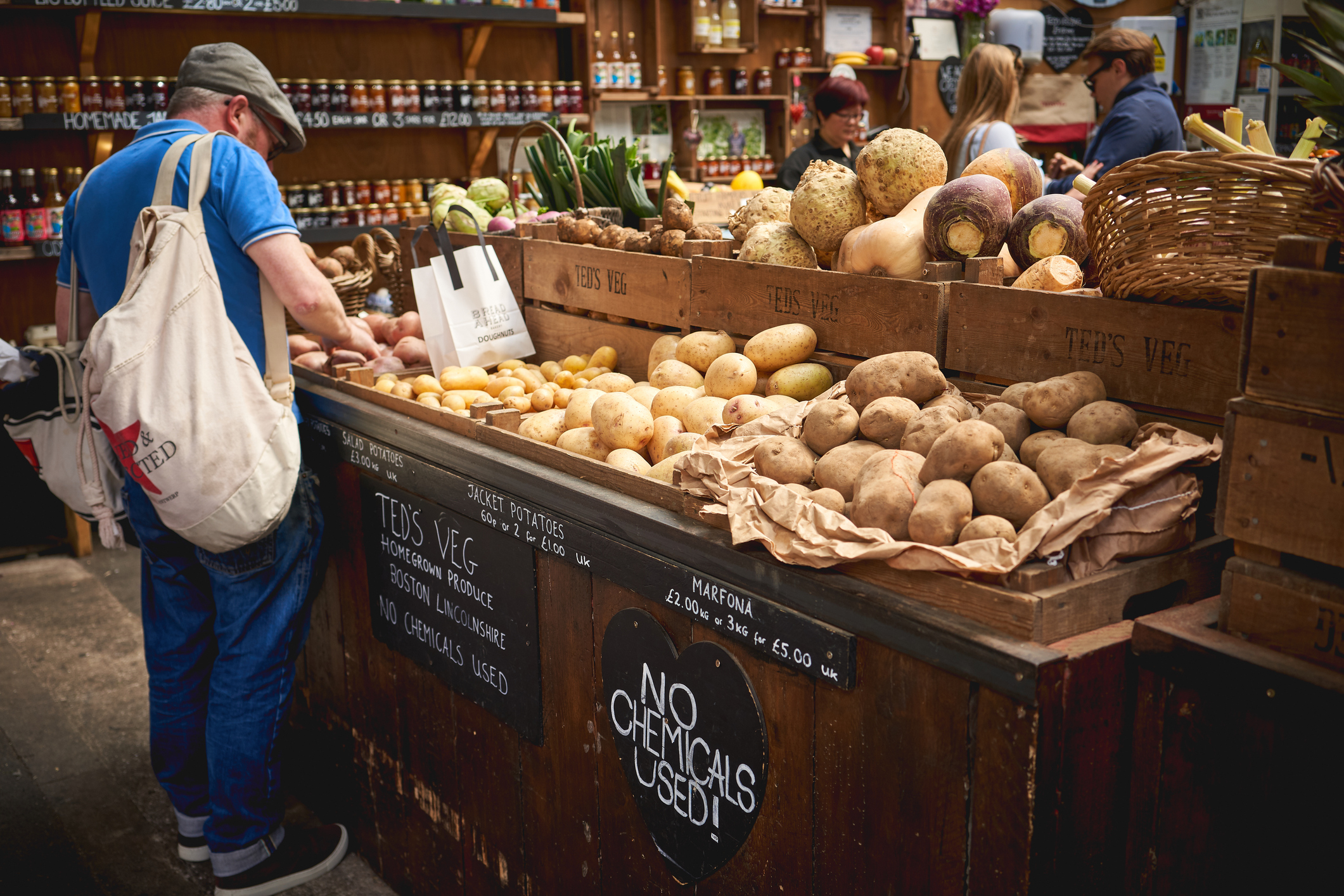
There’s also a lifestyle shopping shift towards supporting market gardens and farm shops where supply chains are short, prices competitive and principles lean towards organic. ‘If you buy local, you get fresh produce and, if there is a cyber attack, or something, you can buy food nearby,’ says Jack Wallington, whose design work focuses on creating market gardens, community supported agriculture schemes and food forests (where layered edible plants from tree canopy to ground cover supply fruit and nuts, berries and edible flowers and herbs).
You may also like
- The antidote to ultra-processed food: why you should be growing your own this year
- How to go organic in your garden: everything you need to know about protecting your plot
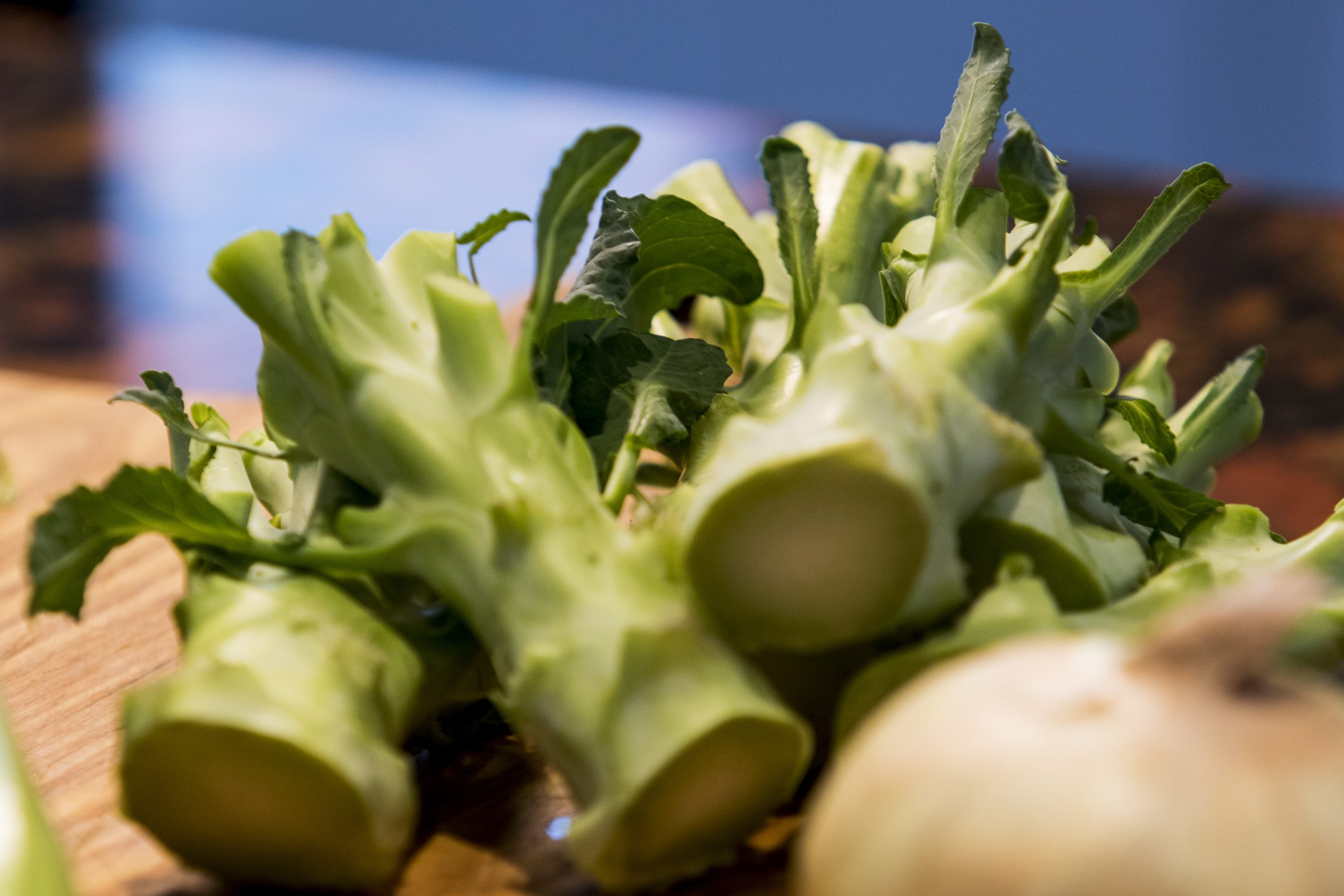
Reducing food waste is another household priority that we can take charge of ourselves. You may be surprised to know that, according to the Food and Agriculture Organization, an astonishing 9.5 million tonnes of food is wasted every year in the UK. ‘I really feel that people need re-educating in how they eat, and what they buy, and how it's a valuable resource that shouldn't be wasted,’ says fresh produce food consultant Susan Woodhouse. ‘I also think you can educate yourself in the way that you cook. Small things like if you buy broccoli or cabbage, don't throw away the outside leaves, make a soup with them or chop your broccoli stem up into little batons and have it in a stir fry and just be sensible about not wasting what you’ve got.’
Tim Lang, professor emeritus of food policy at the Centre for Food Policy, City St George’s, University of London and author of Feeding Britain: Our Food Problems and How to Fix Them, also believes that citizen reskilling is needed. ‘Every person needs appropriate skills for the age of climate change,’ he says and calls for a great food transformation that happens collectively and across the population. ‘How we feed Britain matters. Whether we address our food problems is a test not just for the food system but for democracy itself. We must not duck the historic responsibilities, or the trends look set to haunt us and their realities to bite us. We must do better than that.’