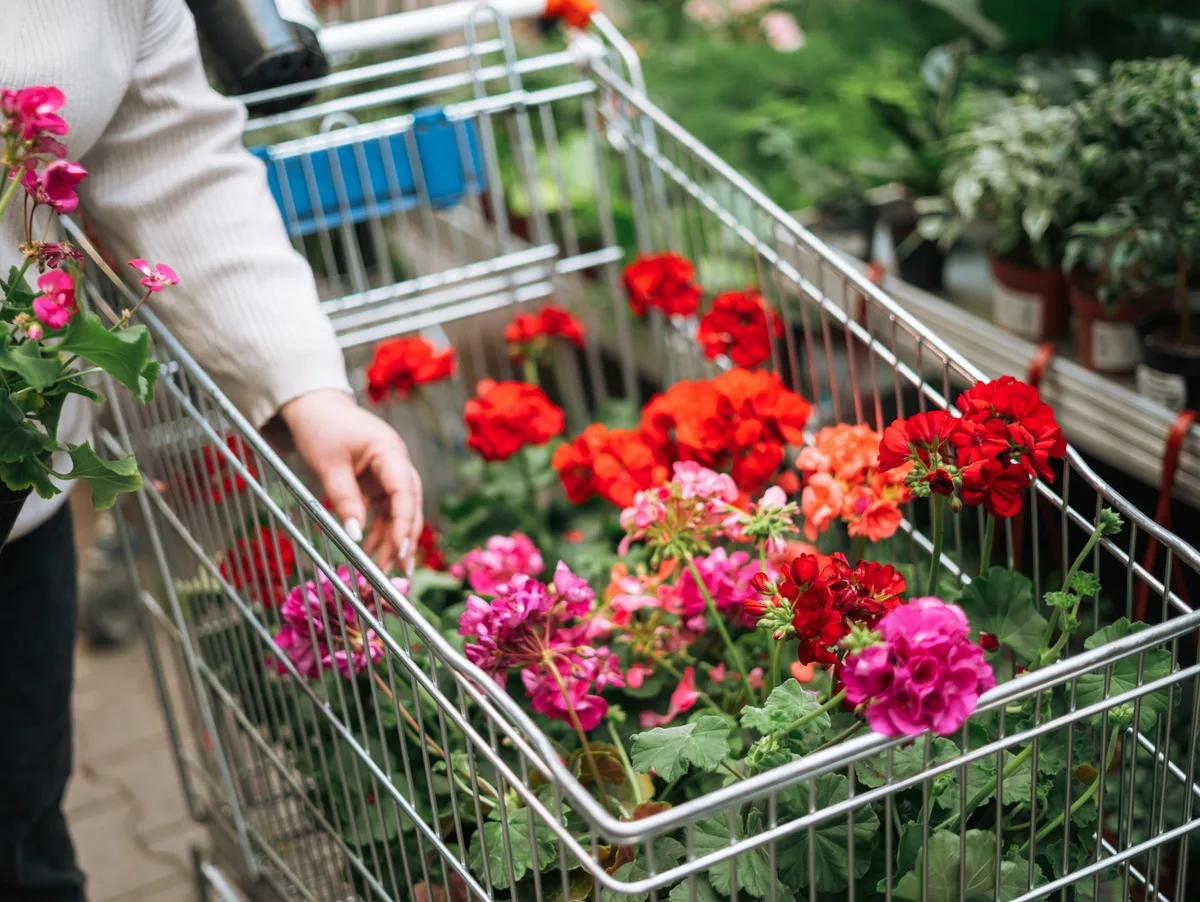
If you hear a sharp intake of breath in the aisles at your local garden store, you won’t be surprised it's down to the prices. We’re all sensitive to the cost of living hike and shopping for plants, compost, garden tools and equipment is no exception whether that’s IRL or online.
According to the Horticultural Trades Association (HTA), UK households collectively spent around £9 billion on retail garden products in 2025. Look closely at the trading figures for 2026 and, despite the difficult conditions in June as a result of heatwaves and hosepipe bans, the year-to-date picture shows garden centres’ overall sales are buoyant just -1 per cent behind 2025 year-to-date and remaining +7 per cent ahead of 2024. “UK garden centres continue to adapt to changing consumer behaviour and increasingly unpredictable weather patterns,” says HTA Chief Executive, Fran Barnes, “but they are doing so while facing significant cost pressures across employment, supply chains and input costs.”
So, are prices going up and, if so, why? David Denny, Director of Research & Knowledge Transfer at the HTA, confirms that price inflation on plants at member garden retailers has increased over the last two years. “Bedding plant packs are up an average of 14 per cent compared to 2024, shrubs are up by 6 per cent.” He cites higher wage bills, environmental levies and sustainability measures for packaging and planting materials including peat-free mixes and plant pot recycling, plus post-Brexit administrative extras, as the reasons for challenging operating costs.
You may also like
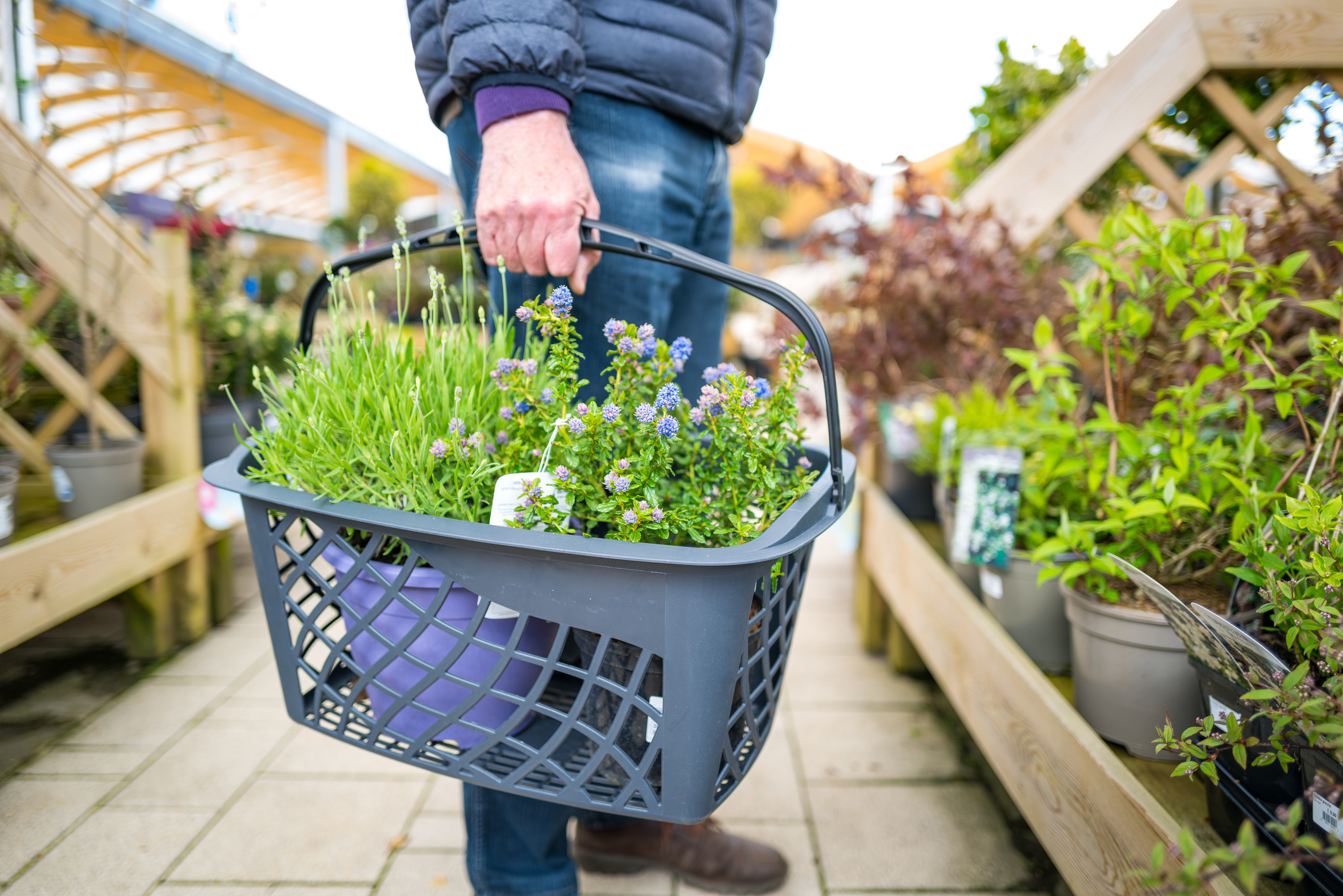
At independent nursery, Pelham Plants based in East Sussex, owner Paul Seaborne takes a different view. “We took a clear decision not to increase our prices at all in the last year,” he says. “We propagate and grow almost all of the plants we offer; this keeps a tight control on our cost of sales. Our aim is to absorb all the cost inflation and sell more plants by going out to more events and fairs this year, winning loyalty and new customers by offering unusual varieties well grown.”
Operating expenditure at online plant supplier, Crocus, increased by around 4.5 per cent this year compared with the previous year, driven by a combination of higher labour costs, increased transport costs and general inflation across its supply chain. Yet, it also believes that by focusing on improving efficiency and increasing the proportion of plants it grows themselves has helped keep prices down. “Our largest perennial category (9cm perennials) increased by just 1 per cent; the average selling price of 2 litre shrubs increased by just 0.18 per cent and climbers have remained effectively unchanged,” they say. A major factor has been its investment in expanding the propagation unit at its Surrey nursery in order to reduce reliance on imported stock.
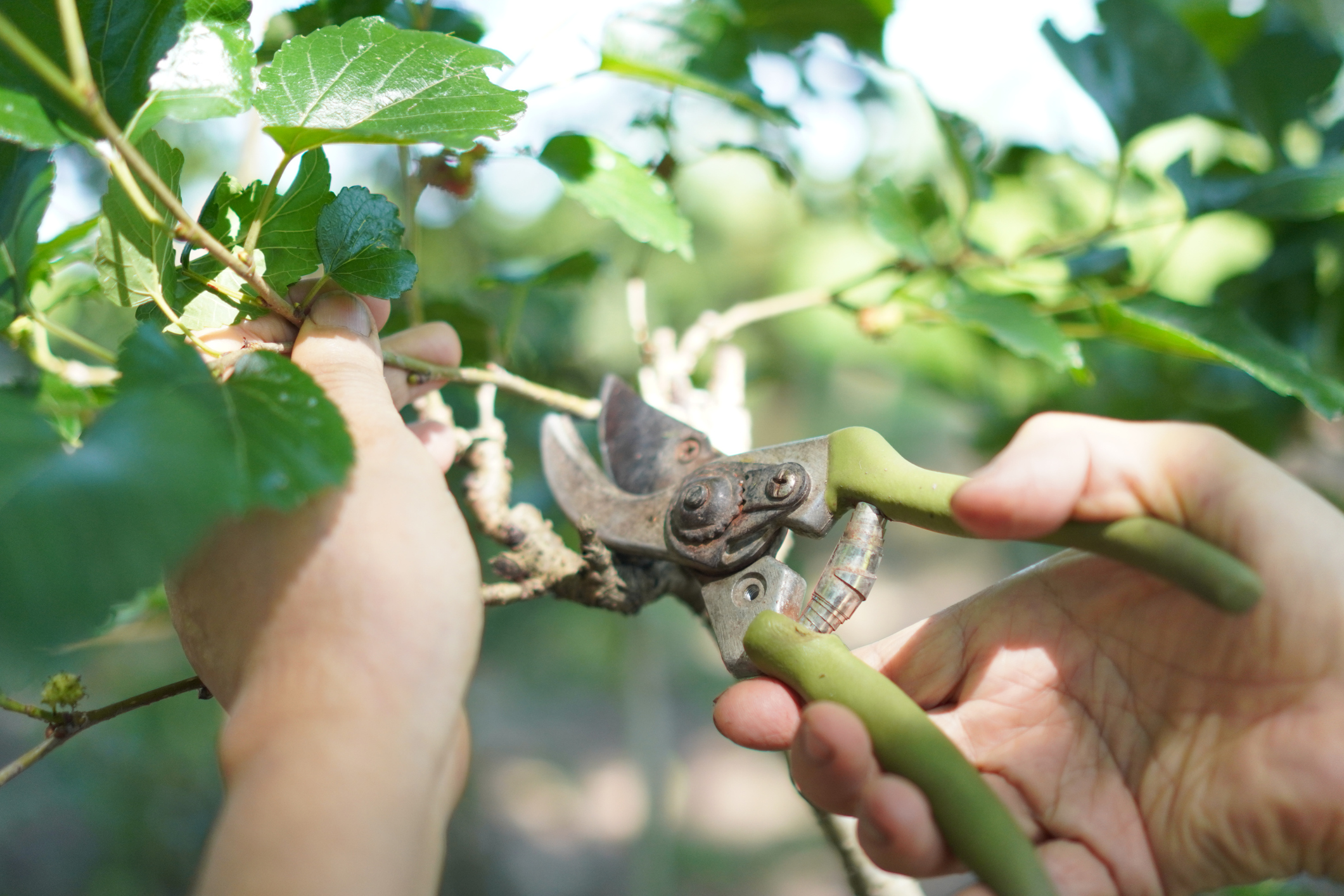
Well-made tools, such as secateurs, are an essential in any gardener’s maintenance kit, so how are they fairing in the price stakes? The owner of Dan Cooper Garden, a purveyor of quality hardware, says, “Niwaki raised its cost prices by about 20 per cent this year. Whilst retailers are at liberty to set their own retail prices, with such a well-known brand and so much transparency online, it makes little sense not to adjust prices on the back of that; otherwise, margins are impacted.” When it comes to equipment such as mowers, a quick Google search suggests that in 2025, the Flymo Simpliglide 300 Lawnmower full recommended retail price was £94.99 and it's the same in 2026, suggesting that prices are static on the year, although it’s worth shopping around for seasonal discounts.
You may also like
- ‘It's a costly crisis': garden centres fight back against shop-lifting epidemic
- The 40 plants that garden designers always use – and that you can find at the garden centre
Garden retailers, in the face of rising costs, believe they are adding value in other ways, including tailored horticultural advice and immersive seasonal shopping events. “Garden centres are good at building trust with the customer while offering a destination experience with quality catering, a good product range to browse and free car parking,” says Peter Burks, Chief Executive of The Garden Centre Association. And Dan Cooper, who sells direct to customers at plant fairs as well as online, agrees: “Buying in person, whether from a garden centre or a plant fair, is a great way for consumers to keep prices down, reduce packaging consumption, and most importantly, keep those physical buying opportunities going.”
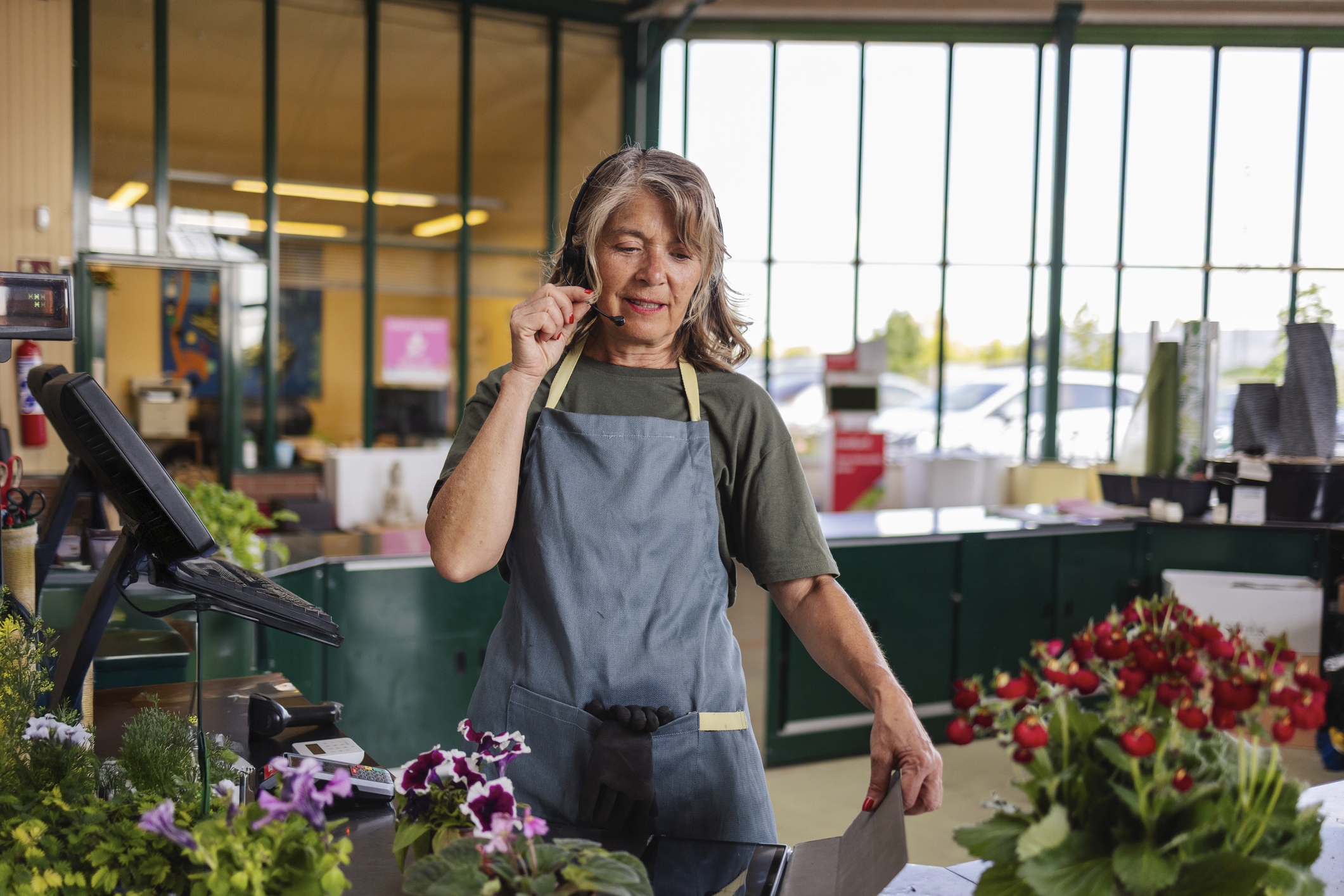
What’s more, gardeners are a well-informed and savvy bunch – often seeking the right plant for the place is more important than pound signs. “We've found that gardeners continue to prioritise quality, plant health and confidence that the plants they buy will thrive,” say the people at Crocus. “Our strategy has therefore been to protect quality and value rather than compete purely on price.” On paper, this appears to be working – its new customer numbers increased by 29 per cent during 2026’s spring season.
It’s tough times in the horticultural business but, despite this period of economic flux, we still want the best for our green spaces and are, in many cases, prepared to pay accordingly. What’s more, we all know that being in the garden is good for our mental health and wellbeing… and you can’t put a price on that!