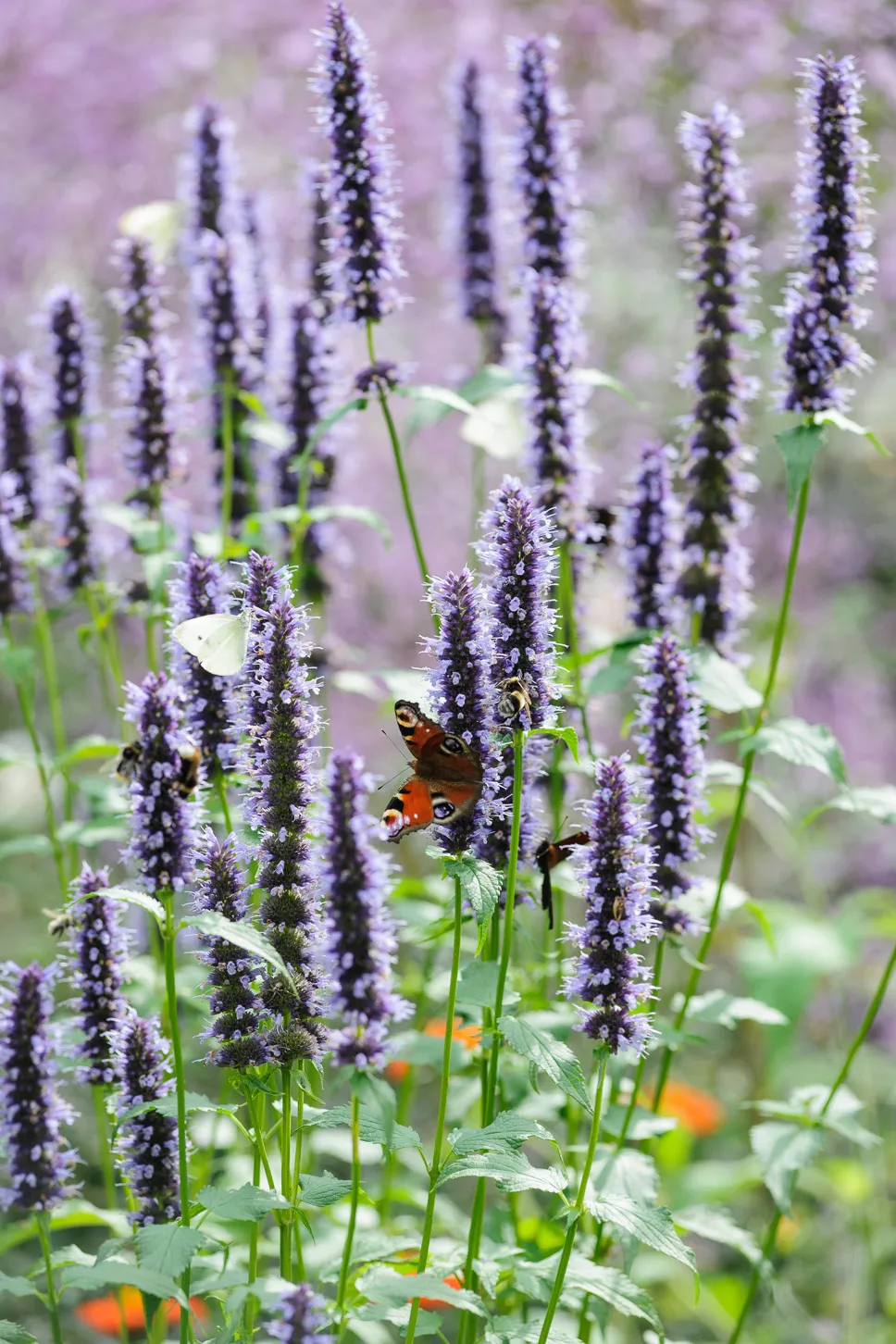
When the weather is fair, there’s little to stop gardeners getting outside to work on or simply enjoy their plots. But there is one thing that might send even the most avid gardener scurrying back inside on a warm spring day.
Hay fever, also known as allergic rhinitis, causes itchy, streaming eyes, sneezing, a runny nose and an itchy throat as a result of coming into contact with pollen. These are the symptoms suffered by most of those affected, but in some cases it can cause severe reactions, rashes, swelling and difficulty breathing. Many liken it to having the flu. It’s not to be sneezed at.
Those of us who suffer from it aren’t imagining things when we say hay fever is getting worse every year. In fact, a couple of centuries ago, such a thing barely existed yet now it affects around one in five people in industrialised countries. As many as 40% of Japanese people are hay fever sufferers, according to The Economist. Not only do more of us suffer, we suffer for longer and ironically, despite all the concrete, it tends to be worse in cities.
There are a range of factors at play, from climate change to pollution, warmer springs and even heavy downpours. Yes, you can have an attack of hay fever in the rain.
Even gardeners themselves are their own worst enemies, routinely selecting plants that are almost guaranteed to set off a sneezing fit. The good news is, gardeners can also be the first line of defence in reducing their exposure to pollen – and they can still keep the pollinators happy.
Olivia Kirk, garden designer and educator, created the Low Allergen Garden at the 2010 RHS Chelsea Flower Show for the University of Worcester and was subsequently a tutor at the London College of Garden Design at Kew Gardens for 10 years. In lockdown, she created a how-to guide, the Low Allergen Planting Planner with removable inserts so gardeners could plan their perfect anti-allergen garden from their kitchen table. To understand how to protect yourself from pollen, she says, it helps to understand the science of where it’s coming from, the different types of pollen and how they behave.

© OGULCAN AKSOY via Getty
“After Dutch Elm Disease, local councils decided they wanted trees that weren’t so ‘messy’, so they started phasing out female trees which have fruit, nuts and seeds which councils had to spend time cleaning pavements under,” Olivia explains. “Their idea was to clone male trees which did two things – create a lot more pollen and take away the balance of female and male.”
You need the balance because male tree pollen has a positive charge and female trees a negative one. They literally pull the pollen to them. “Female trees are active, allergy-fighting plants. They’re like nature’s hoovers, its best pollen filters,” Olivia adds. What’s worse is, not only do we not have many female trees sucking up the male pollen, our own mucus membranes are also negatively charged. We’re literally sucking up the pollen.
You may also like
- 17 garden ideas to steal from Chelsea Flower Show
- You're feeding the birds wrong: here's how you should be doing it
Japan, the country with one of the highest number of hay fever sufferers has recognised this and its dramatic solution is a plan to replace 20% of the country’s cedars with less allergenic trees. But this does mean cutting down 70,000 hectares of tree a year. Olivia suggests gardeners can solve the problem with less drastic action, by creating their own low allergen garden.
The first trick is dealing with airborne pollen, such as that coming from these trees. “Think about what you surround yourself with. You can have a low allergen garden even if your neighbour has quite a lot of allergenic plants simply by choosing the right hedge.” Big native hedges like hazel and alder can be quite allergenic, but something like an edible mixed native hedge – also great for foraging and wildlife – can actually act as a buffer to the pollen.

“Things like blackthorn, crab apple, dog rose, elderberry or any of the female hollies are great. Another lovely hedge is Pittosporum tenufolium ‘Elizabeth’. It has lovely ruffled, light variegated leaves with dark stems. If you surround yourself with female hedges, they’re literally sucking the pollen out for you. And if you plant your hedge on the windward side of the garden, all the stuff you don’t want going up your nose will be blown into the hedge instead,” Olivia advises.
You may also like
- Creative plant supports you can make at home
- Sow these seeds once, enjoy them around the garden forever
What about the planting IN your garden? Here’s the bad news. Some of the prairie planting schemes that have been so popular lately will literally get right up your nose. “When I first started at Kew there was a preference even then for prairie planting but all those grasses, daisies and coneflowers are either air pollenating or have quite disruptive pollen. Daisies are insect pollenated, for example, but they are still quite allergenic.”

The distinction between insect pollinated and air pollinated is important. Airborne pollen is easily distributed at head height and there’s lots and lots of it. Insect pollen is heavy and sticks to either the plant or the insect or falls to the ground. You’re quite simply less likely to come into contact with it.

But that’s a lower chance, not no chance. The simple fact is, that if you want to avoid pollen – short of not going outside at all – you’ll have to chose sterile plants. There are many that fit the bill but as a rule of thumb, Olivia says, go for anything that is known to flower for a long season. “All the hardy geraniums are low allergen but the sterile ones like Geranium ‘Rozanne’ are sterile and flower forever. Nepeta ‘Six Hills Giant’ is another that flowers for a long time because it’s bred to be sterile. It gives nectar, just not pollen.”

Ironically, one member of the daisy family won’t trigger your hayfever, despite its doubly confusing name ‘sneezwort’ (so called because when ground into snuff, that made you sneeze). Heleniums are insect pollinated so nice, sticky pollen and several are also sterile. These, along with the sterile Calamagrostis ‘Overdam’ or ‘Karl Foerster’, can give you the prairie feel you’re looking for, with none of the itching.

With all this talk of sterility, you’d be forgiven for thinking we’re now going backwards when it comes to creating insect-friendly gardens that are very much needed for overall biodiversity. It is possible to create a pollinator-friendly garden that is also allergy-prone gardener-friendly, just watch out for variety and placement.

“Look at the shape of your flowers. Any double or semi-double blooms are pretty but not good for pollinators,” Olivia warns. “Anything with a tubular or hooded flower is enclosing pollen – things like foxgloves, penstemons, salvias, snapdragons or irises. They have all the beauty, some of the perfume and are perfect for pollinators. If you’re not too allergic, you can also have any of the single flowers such as single dahlias, peonies or roses.” Olivia adds that with roses, you may want to be wary of heavily thorned varieties as thorns can cause reactions. “One I use a lot is Rosa Malvern Hills. It's the most delicately soft, yellow, rambling rose with a light scent and next to no thorns.”

Climbers, too, can attract pollinators just watch out where you put them. “A lot of people are also triggered by perfume so be careful of heavily scented ones that will come up around your nose and eyes, watch out if you have them by a window.” Olivia recommends a Pearl d’Azure clematis which you can just chop to the ground at the end of the season.