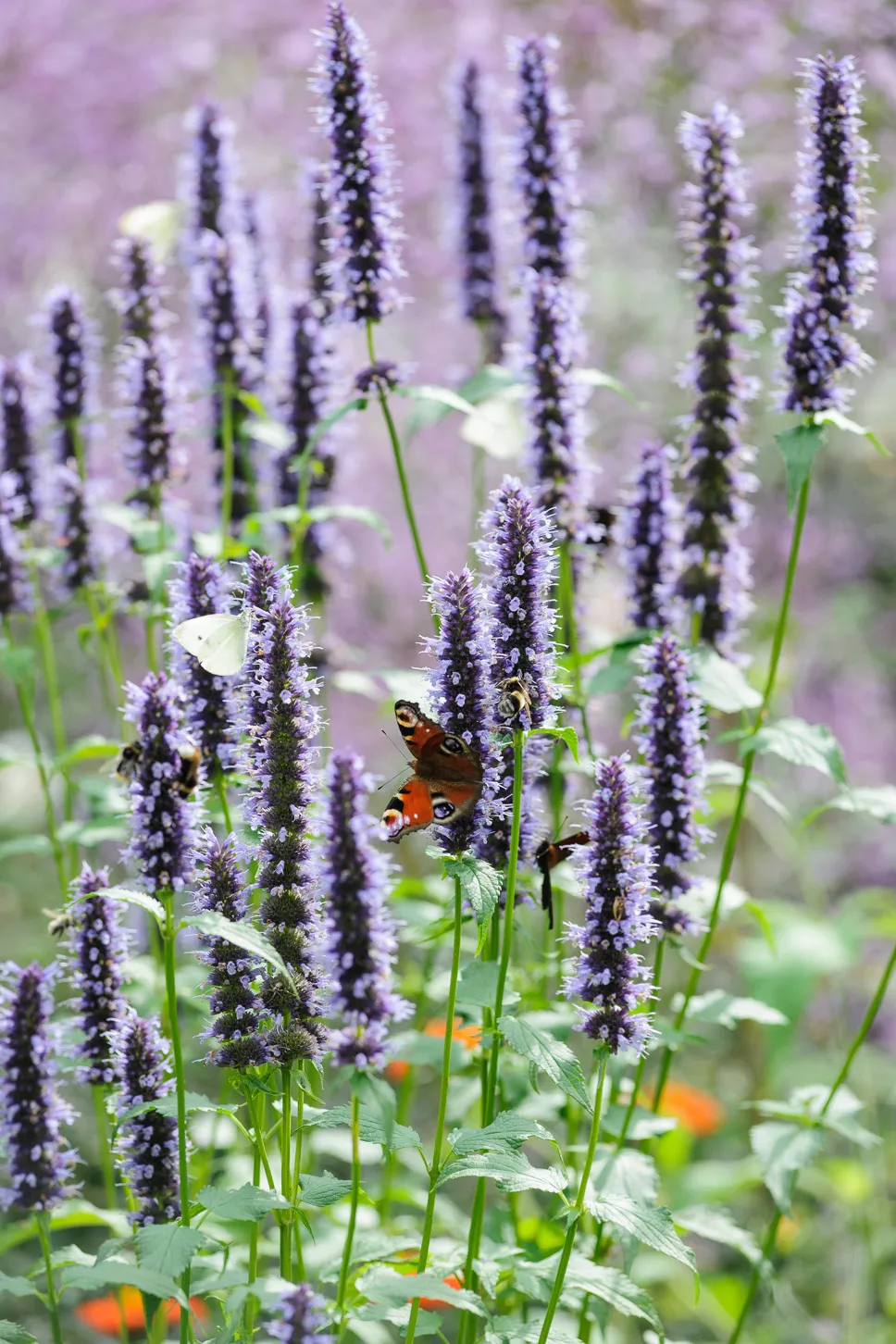
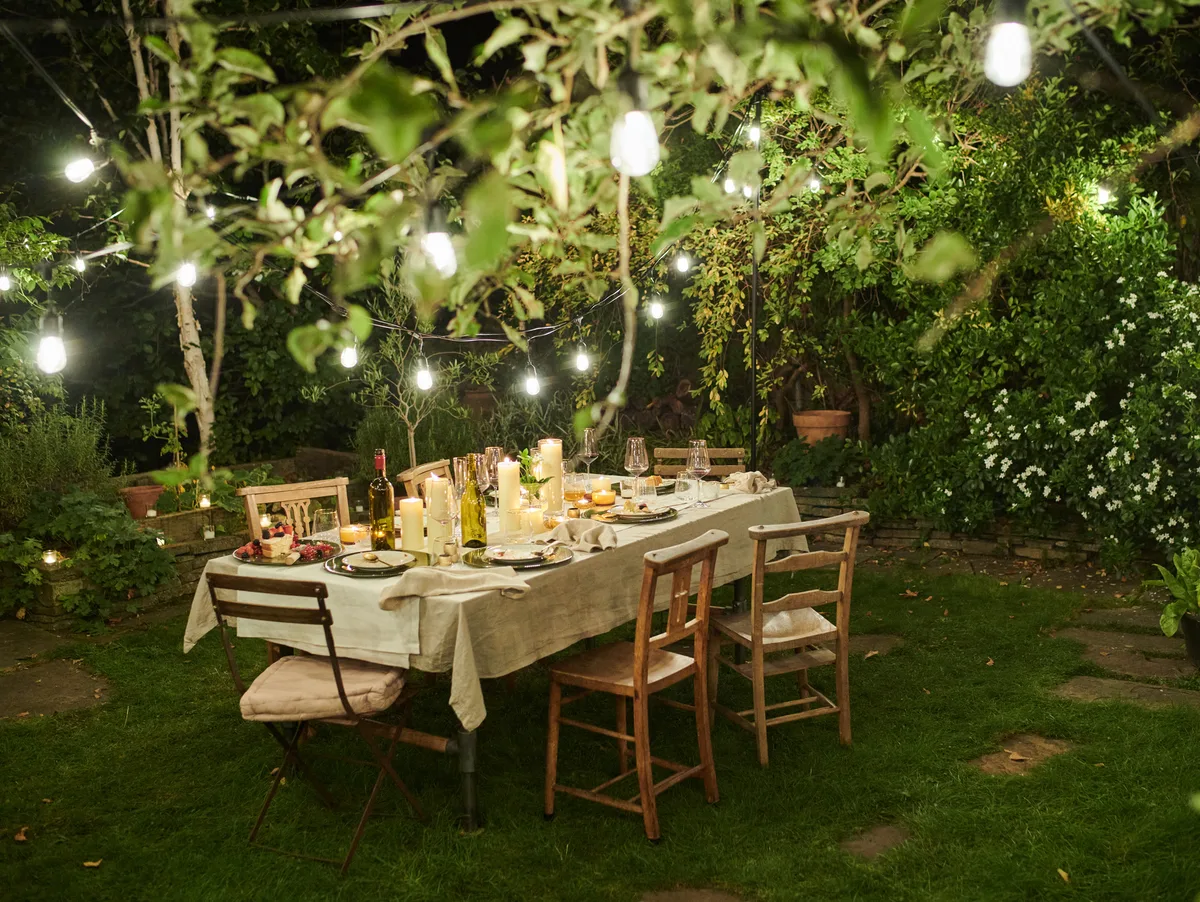
There is something rather magical about flowers that save their scent until evening. As the light softens and the air cools, certain plants begin to release their fragrance, perfectly timed to attract moths and other night-flying pollinators. Many also have pale blooms that seem to glow at dusk, transforming the garden after dark.
While many of us plan and create our gardens for the day, there are more than a few reasons to make them special for the night as well. Moths are a key one of these - often overshadowed by their brighter butterfly cousins, there are around 2,500 species of moths in this country and a recent study found them to be more efficient pollinators than bees.
You may also like:
- Fill your space with gorgeous scents by growing these versatile plants
- Nigel Slater on planting for perfume
Other nocturnal pollinators include craneflies, lacewings and midges too, but it's not just about the insects. If you have a garden that is attractive to nocturnal bugs, then you are more likely to get a visiting bat too.
The rising heat has not been great for nocturnal insects, with a recent study found that the number of night time airborne insects has gone down in some areas of the country. Gardeners can help to mitigate this damage by planting for evening visitors.
You may also like
- These plants will support butterfly and moth caterpillars
- Moths are overlooked, but they play an important role in our ecosystems
By creating a garden that supports our nocturnal insects, we not only enjoy their wonderful perfume close to paths and seating areas, but also help support a rich night-time ecosystem. Moths and other nocturnal insects provide an important food source for bats, making evening-scented flowers a valuable addition to wildlife-friendly gardens. Sweet rocket (Hesperis matronalis) is one of the finest examples and, sown now, will reward you with clouds of beautifully scented flowers next spring and early summer. Explore some of our team’s favourite flowers for a beautiful smelling garden after dark below!
The best night-scented flowers
#1 Sweet Rocket, white (Hesperis matronalis)
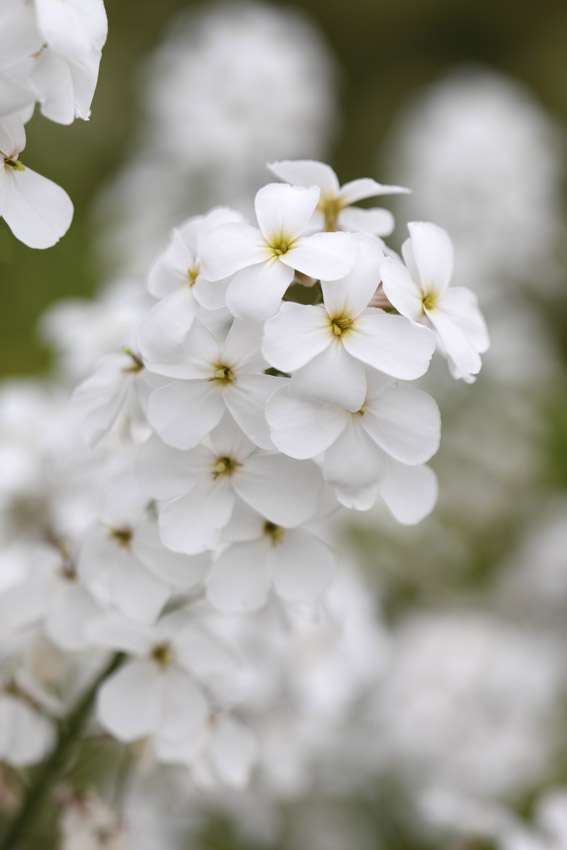
A cottage garden favourite with airy clusters of lilac, mauve or white flowers. Delightful by day, but especially lovely in the evening when its sweet fragrance attracts moths and other night-flying pollinators.
You may also like
#2 Night-Scented Stock (Matthiola longipetala)
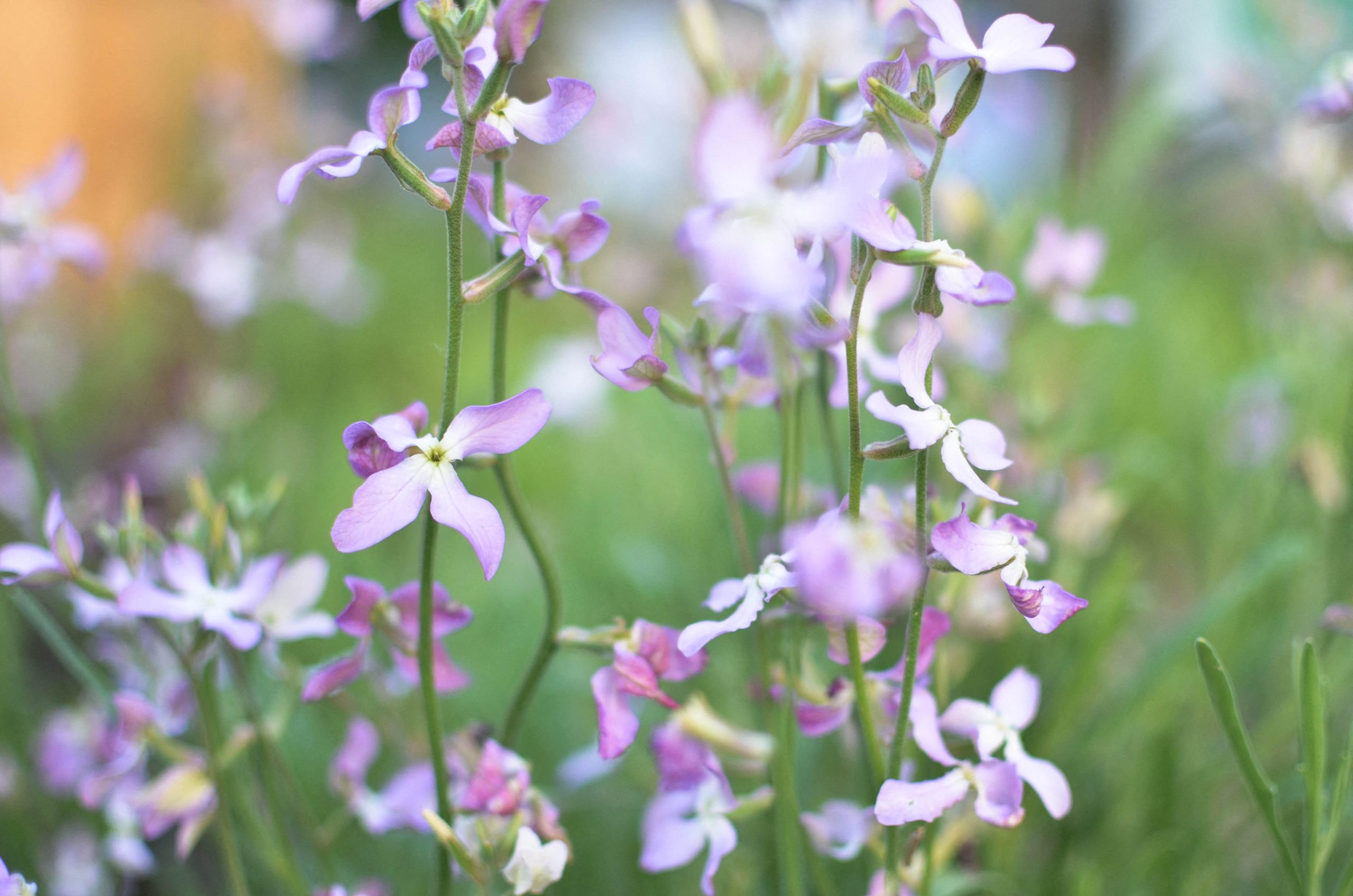
Rather modest in appearance, but extraordinary after dusk. Its delicate flowers release a rich, spicy perfume in the evening, making it perfect for pots, paths and seating areas.
#3 Mirabilis longiflora 'Angel Trumpets'
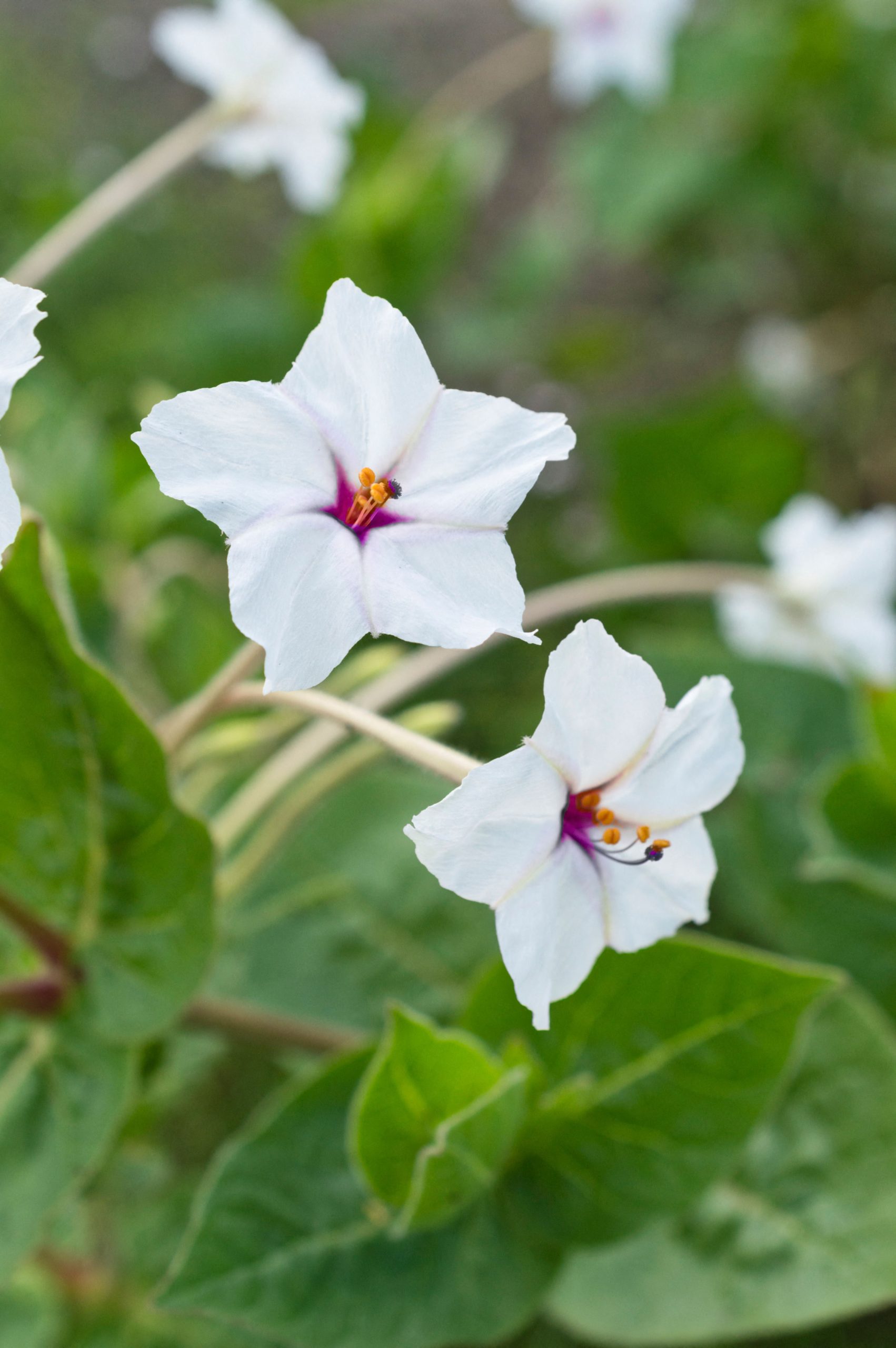
Large, elegant white trumpets open towards evening and fill the air with a powerful, sweet fragrance. An unusual and exotic-looking plant that comes into its own after sunset.
You may also like:
- Species pelargoniums for scented foliage and delicate flowers
- The 40 plants that garden designers always use
#4 Evening Primrose (Oenothera odorata) 'Apricot Delight'
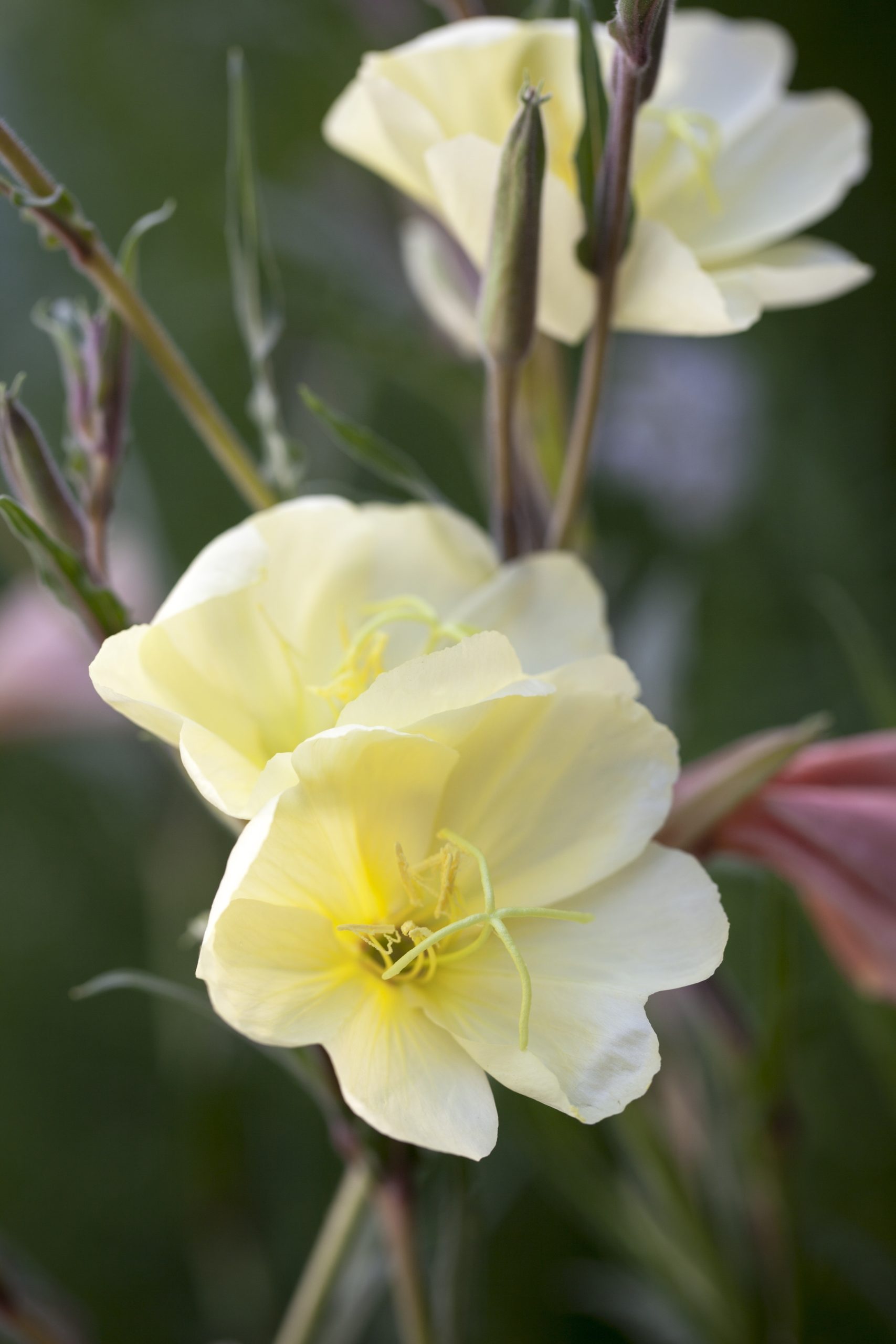
Soft apricot-yellow flowers unfurl as the light fades, attracting night-time pollinators and bringing a gentle glow to borders. Easy to grow and wonderfully scented.
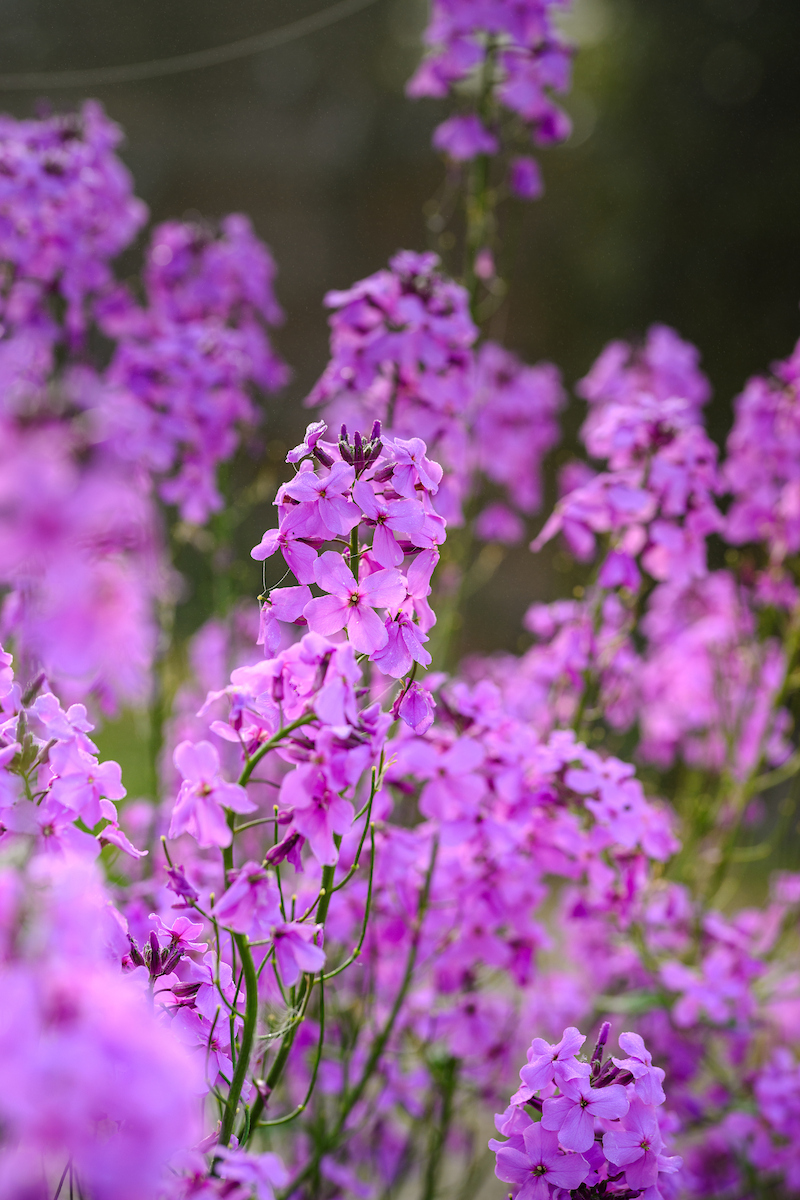
#5 Sweet rocket, purple (Hesperis matronalis)
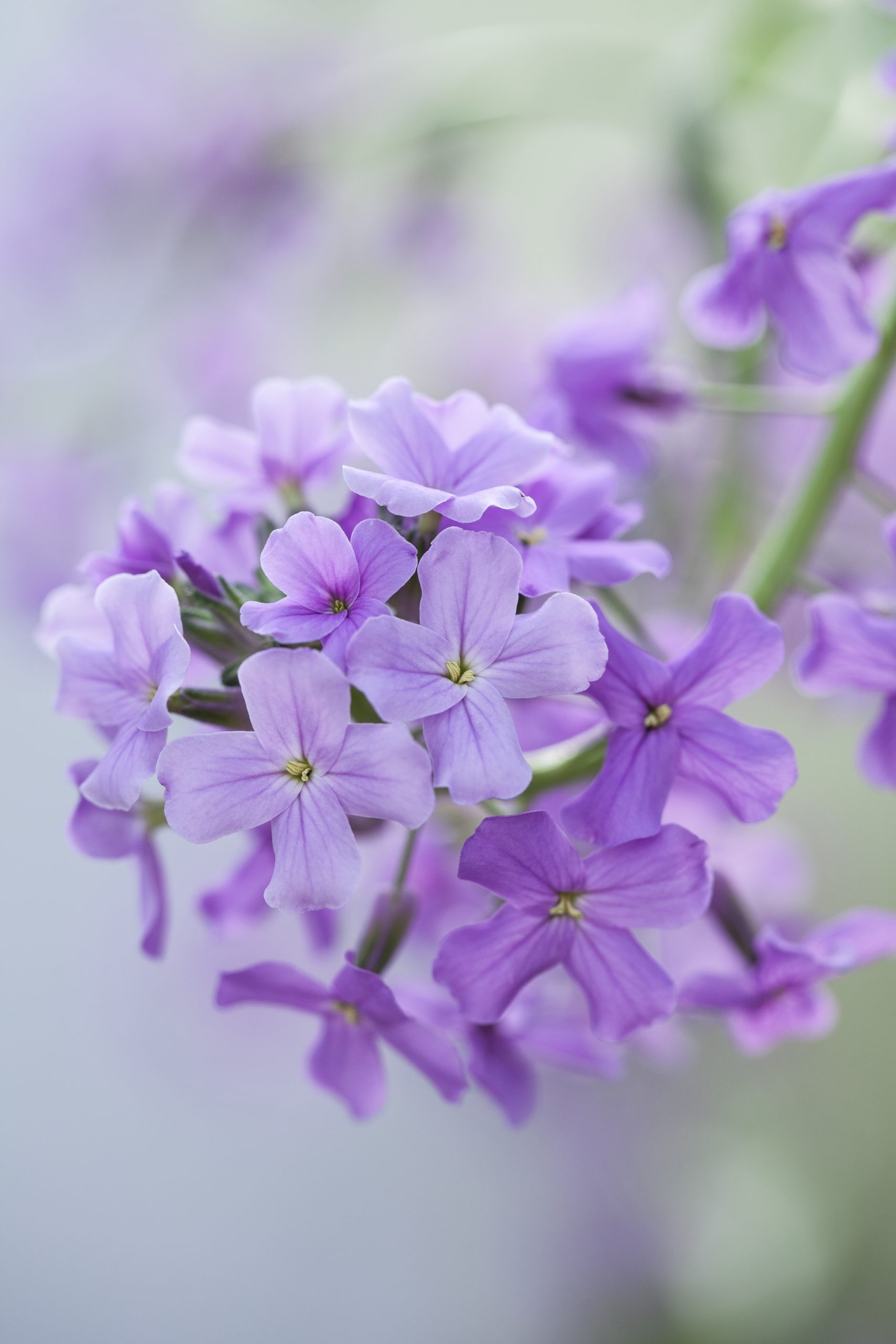
An easy-to-grow biennial producing clouds of fragrant flowers in late spring and early summer. One of the best plants for adding colour, scent and pollinator appeal to the evening garden.
#6 White campion (Silene latifolia)
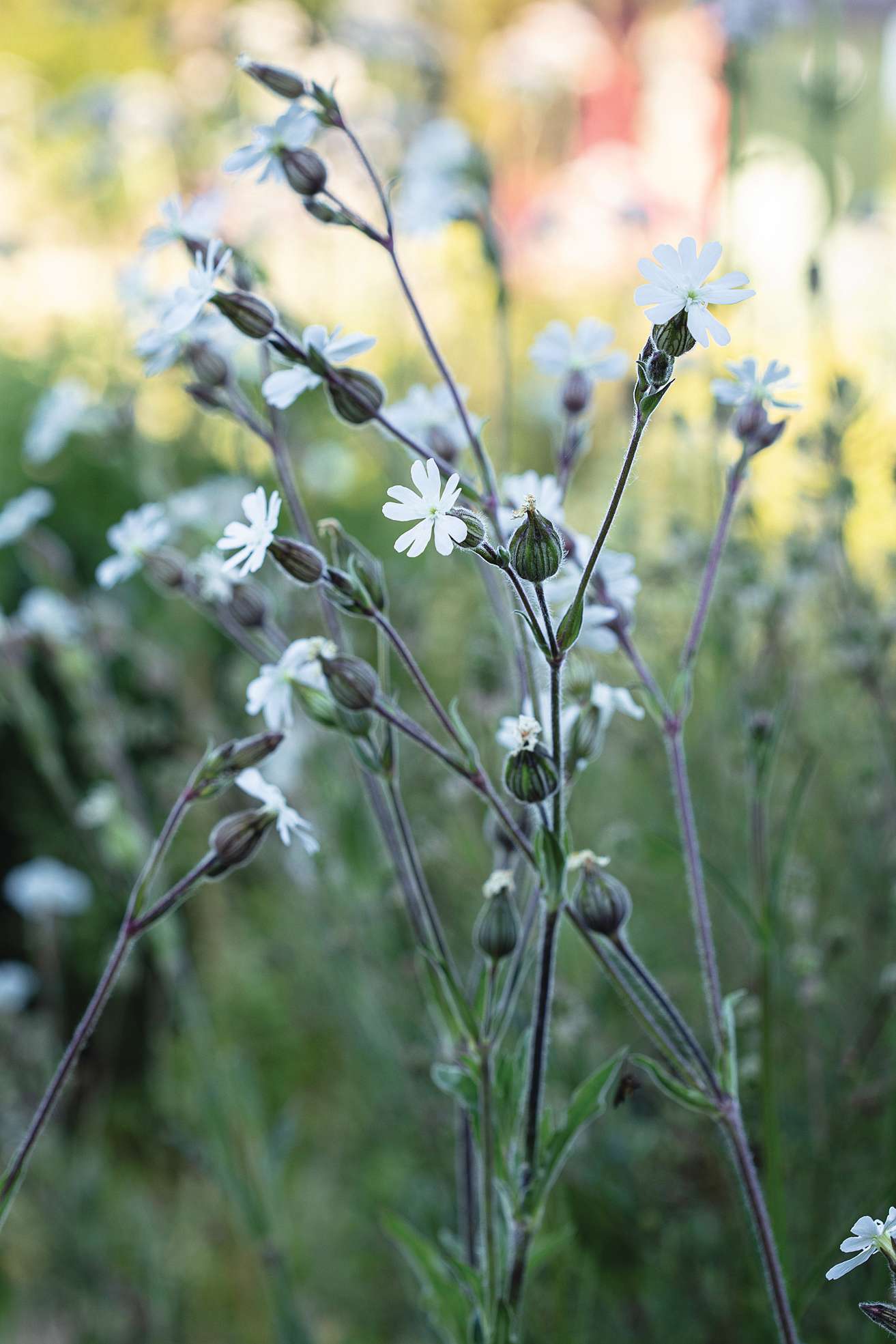
A native wildflower with delicate white blooms that seem to shine in low light. Its evening fragrance makes it particularly attractive to moths and other beneficial insects.
#7 Night phlox (Zaluzianskya capensis) 'Midnight Candy'
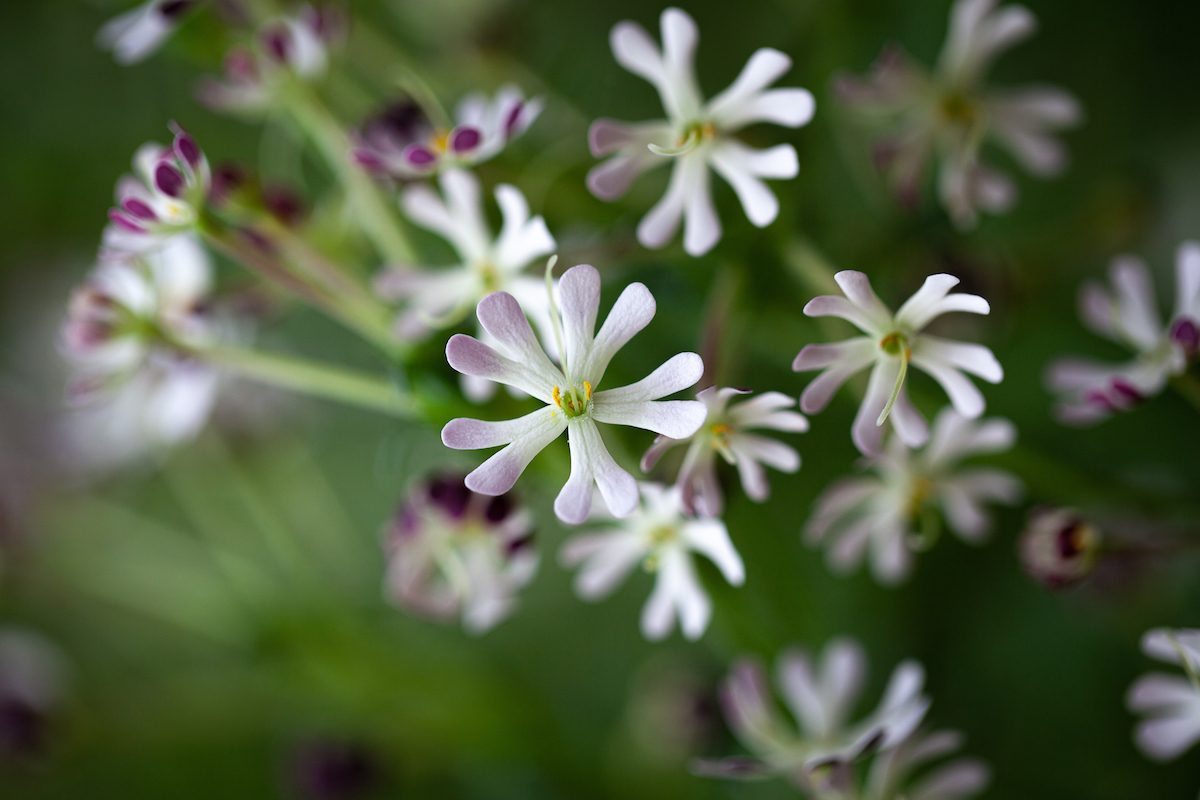
Known as the midnight candy flower, this charming annual has burgundy-backed blooms that open to reveal white faces and release a delicious vanilla-like scent after dark.
#8 Tobacco Plant (Nicotiana sylvestris)
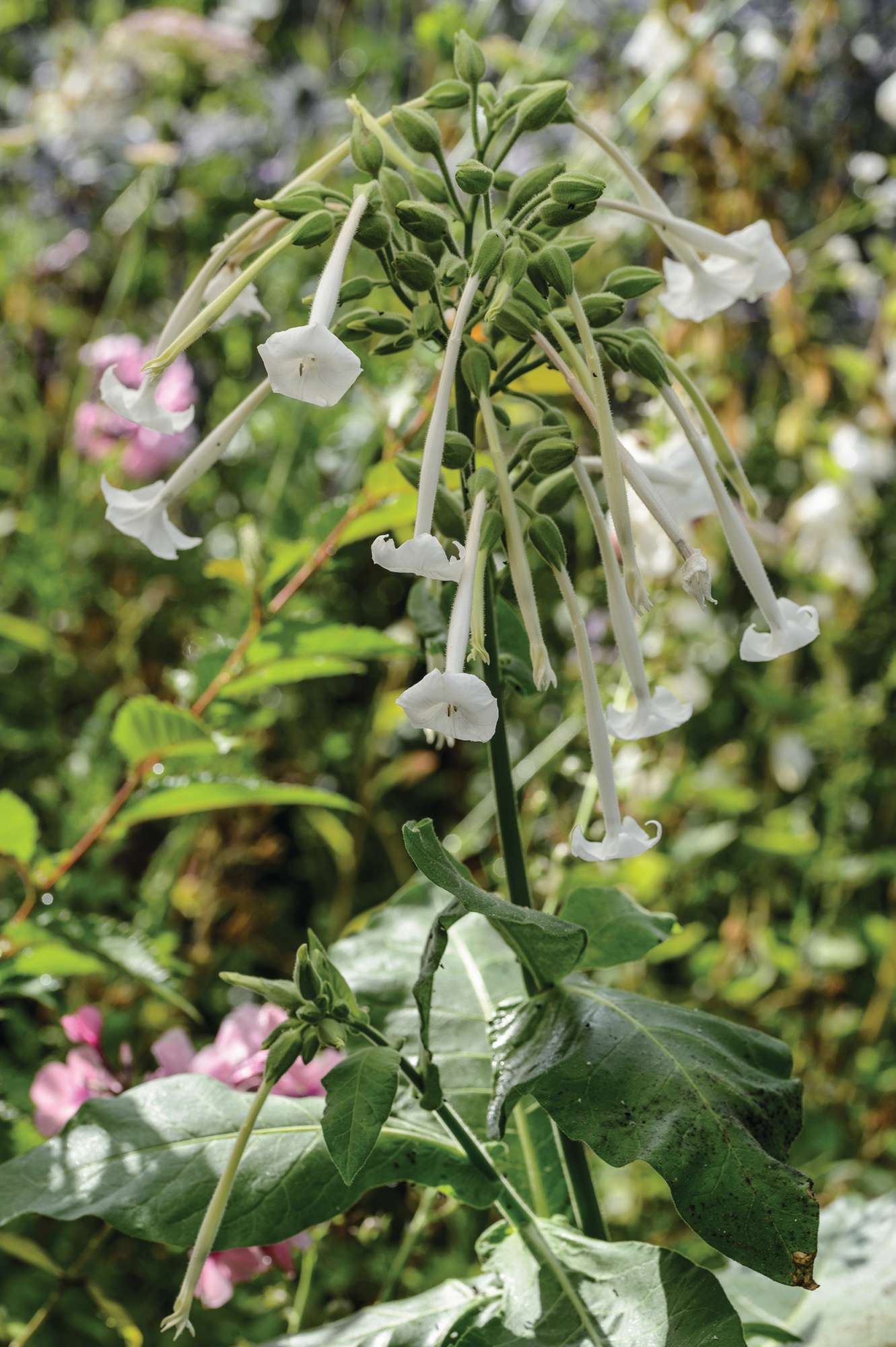
Tall and elegant, with graceful clusters of long white flowers that perfume the evening air. A favourite with moths and a wonderful choice for adding height and drama to summer borders.