Once upon a time it was easy to set out a new border. Big plants went at the back and small plants sat in front; we did our best to plant in threes or fives. Our hearts were herbaceous, our palettes were carefully considered, and Gertrude Jekyll was our guru. With the arrival of Modernism, around the 1930s, planting design became more architectural, as Geoffrey Jellicoe and his acolytes emphasised the wider spatial experience over fine floral combinations.
The 1960s ushered in an ecological perspective – first Beth Chatto honed her ‘right plant, right place’ philosophy, and then Chris Baines began to promote the concept of pro-actively wildlife-friendly gardening. In the 1990s, the New Perennial Movement (championed by Dutch poster-boy Piet Oudolf) upended everything we thought we knew, with its emphasis on grasses and perennials, sculptural seedheads and a celebration of winter decay.
You may also like
- 21 reliable plant choices for fool-proof borders that perform all year
- 8 of the biggest challenges standing between you and your dream garden, solved by a garden designer
But in recent years, the pendulum has begun to swing again, towards what we might dub the ‘Modern Mixed Method’. This sets out to combine the best developments of the past 100 years with our increasing understanding of the fundamental importance of the soil microbiome.
In place of a purely decorative approach, the emphasis is on creating a sustainable ecological system, essentially an ornamental version of the woodland-edge habitats that are so naturally rich in biodiversity. The underlying principles are relatively straightforward: set out a structural woody framework, then carpet it with a tapestry of compatible seasonal perennials, annuals and bulbs. But its artistic expression is pleasingly open to interpretation and practitioners of the approach are equally diverse.
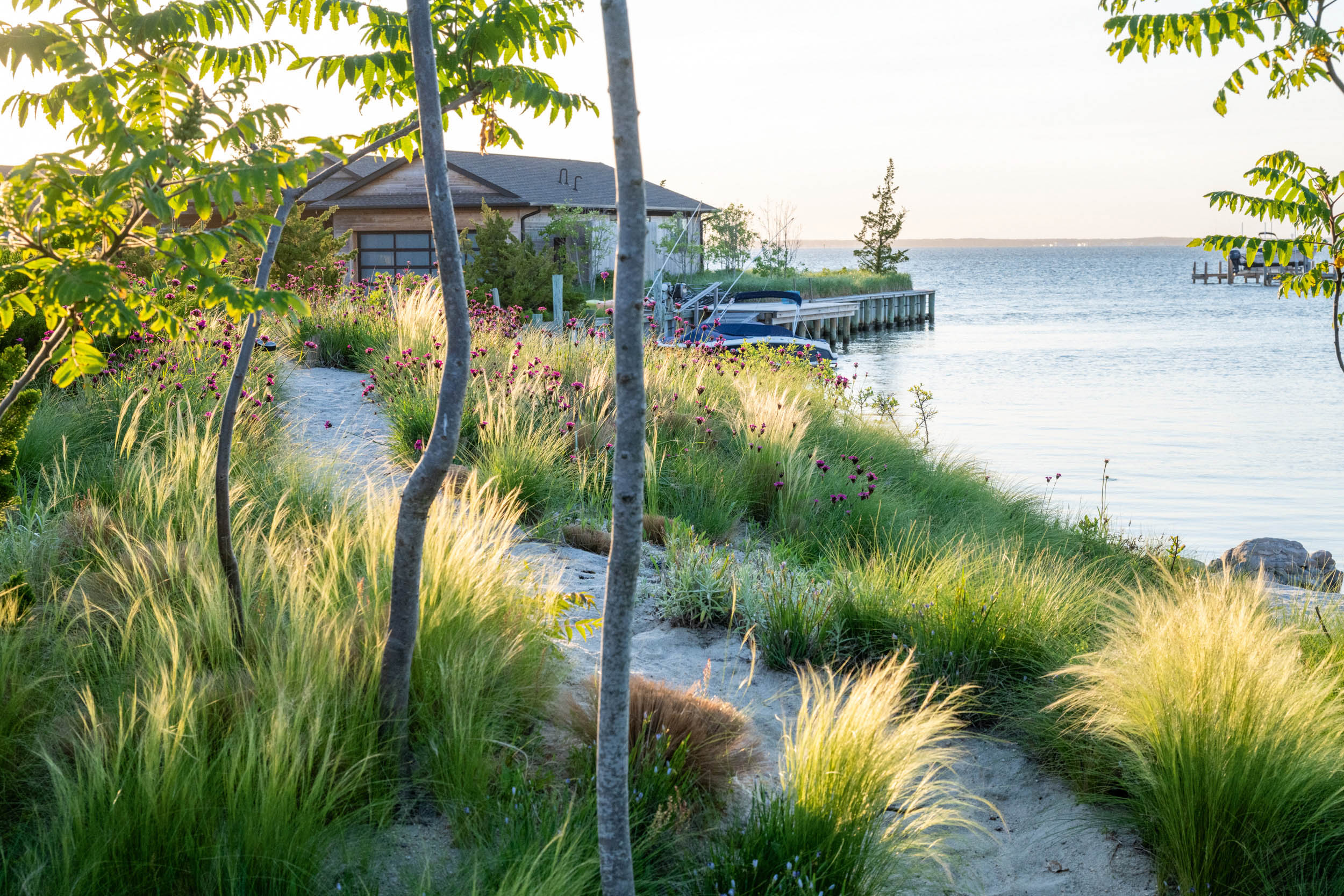
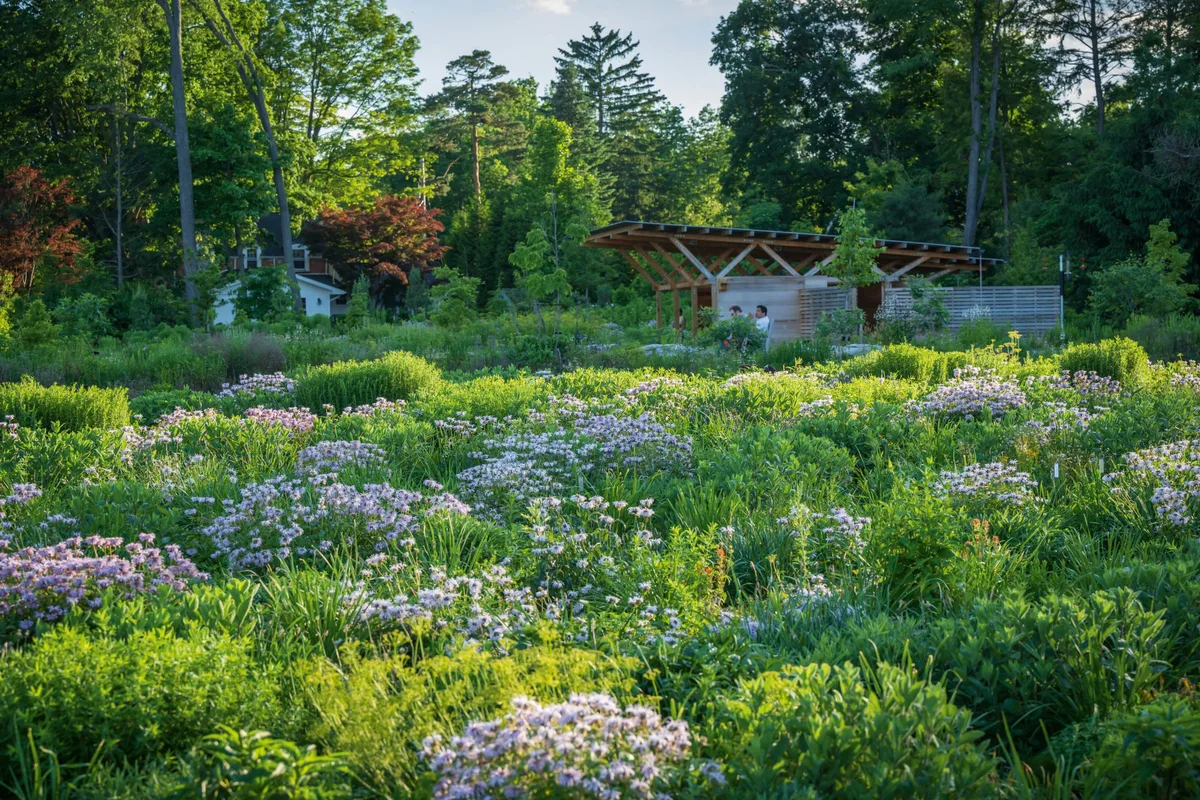
American landscape architect Thomas Rainer of Phyto Studio highlights recent research demonstrating the negative impact on soil microbes of sunlight hitting bare ground. “These microbial organisms need protection, but they also need plant roots to survive in symbiosis. The roots of perennials are deciduous, in the same way that the top growth is, so you need a range of plants that actively grow at different times of year to create the most conducive environment,” he says.
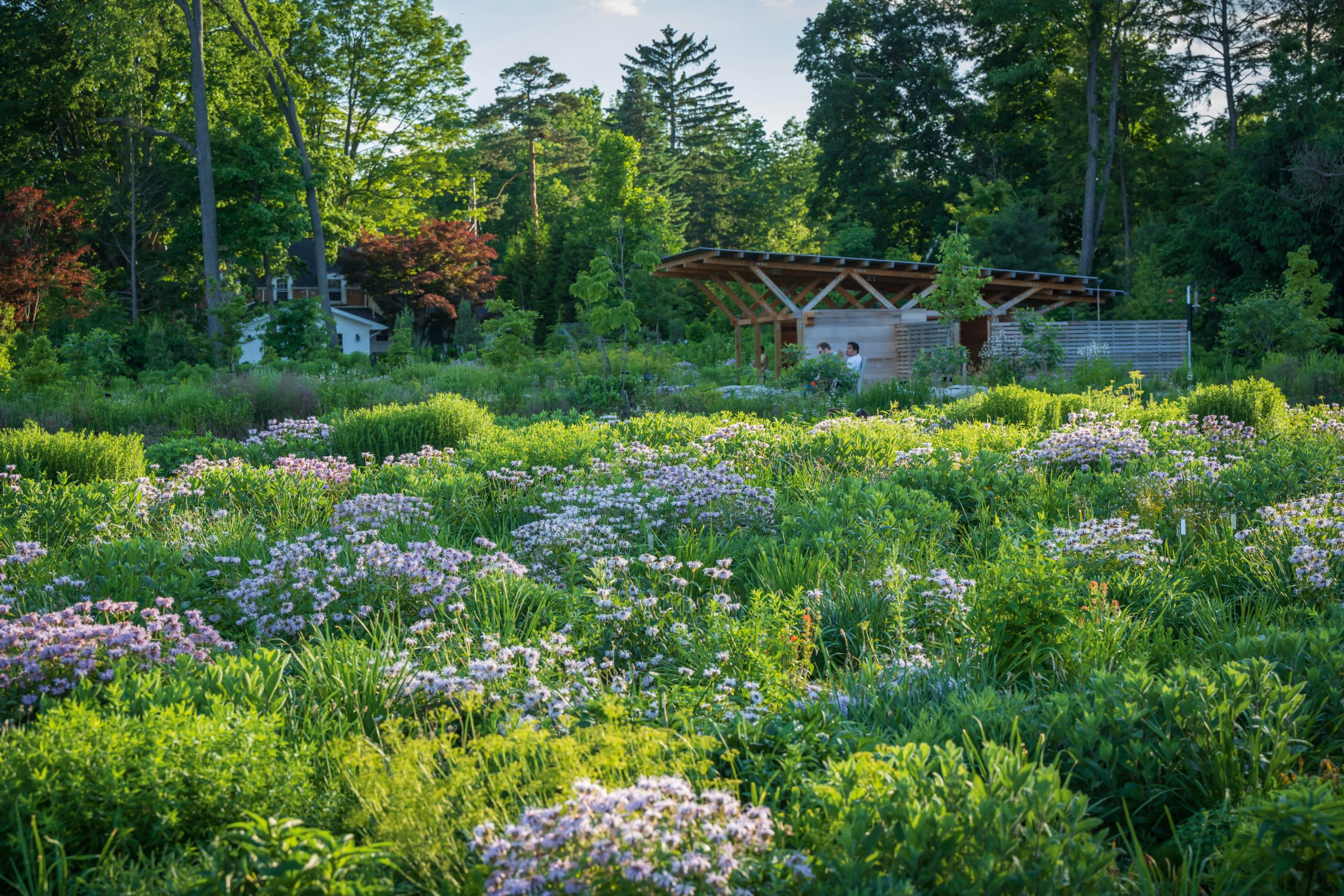
“In our work, we aim to create a green carpet that covers the ground for as much of the year as possible, but no one species can do that. The solution is an understorey tapestry of cool-season growers, such as primulas, ajugas and sedges, which are low growing and shade tolerant. Through that you can thread warm-season stars in flowing blocks to create ornamental highlights, and judiciously position trees and shrubs for increased structure and habitat opportunities.”
Many of Thomas’s projects exist in the public realm, where maintenance may be limited but there is a desire for neatness and order. He has found that a balanced combination of 12-14 different species, appropriately spaced and repeated across a scheme, will provide all the functionality he needs, almost regardless of the size of the site, while preserving a legible ornamental display.
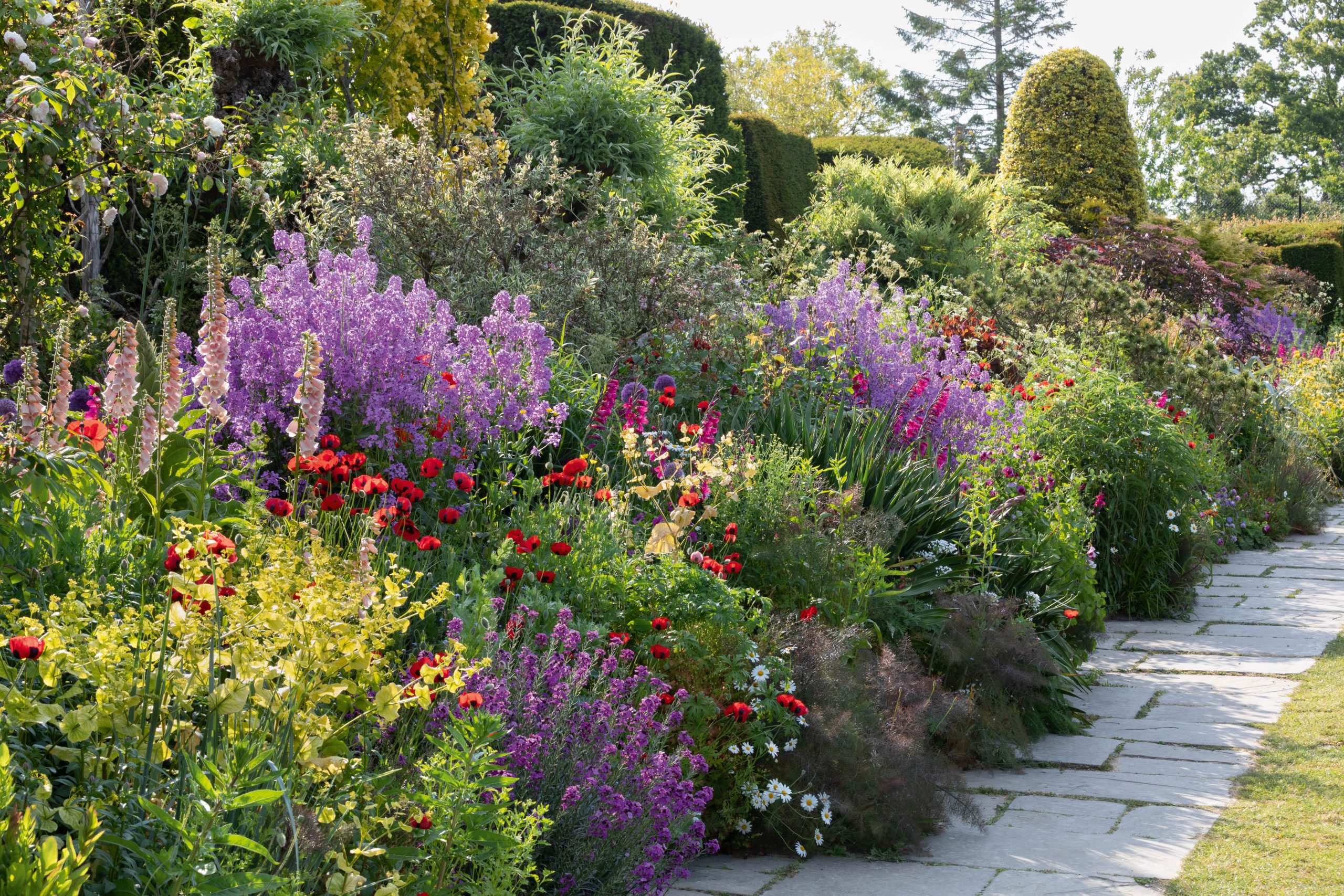
As head gardener at Great Dixter, the renowned garden in East Sussex, Fergus Garrett has a different set of logistical considerations but, in essence, he practises many of the same principles. Dixter is unapologetically complex and high maintenance, but its emphasis on horticultural and artistic excellence is combined with a pioneering ecological sensitivity.
“You don’t see bare soil in nature. We have always tended to keep the soil covered – not from an ideological perspective, but because that produces the greatest visual interest throughout the year. The richness of our biodiversity was a welcome consequence,” Fergus says.
You don't see bare soil in nature
“How I plant is very much a gut feeling. We’re aiming to create a healthy ecosystem, but we approach that from a visual perspective. We’re intrigued by plant communities, which in nature are always multi-layered, so we aim to create a seasonally shifting tapestry of plants that covers the ground for much of the year. The choices we make are intended to extend the season of interest, for our own benefit and for that of our wildlife.”
You may also like
- How Great Dixter astounded ecologists
- Get the Great Dixter planting look with the plants Fergus Garrett couldn't live without
Fergus sees structural diversity as an important tool when building a border. “You need trees and shrubs,” he says simply. “Not only are they valuable microhabitats, but these larger woody shapes are comforting. They act as a buffer and prevent you seeing everything in one go. They can block out the neighbours, filter the wind, anchor a supporting cast of climbers, and introduce exciting undulations in your overall design.”
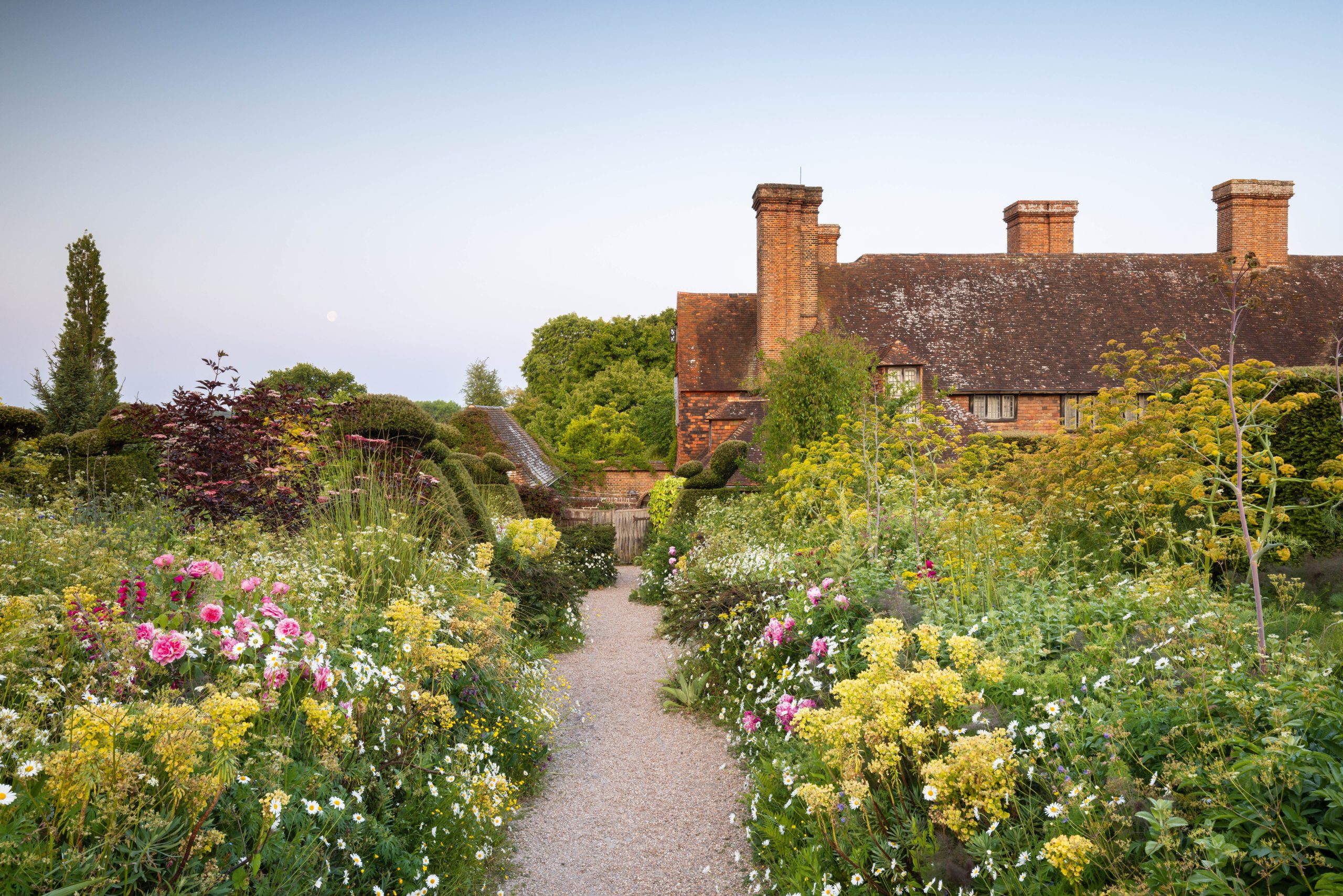
At Dixter, Fergus practises a planting philosophy based on observation of how plants grow in the wild. “Nature doesn’t plant in regularly spaced groups of threes and fives,” he says. “But wild plants do often appear in repeated drifts.” This effect is easier to achieve in a large garden, but is perfectly possible in a smaller space provided you have the discipline to limit the number of different plants you try to incorporate. He teaches his team to plant in interlocking swathes of varying densities:
The minimum requirements of the plant are sacrosanct, but there is no regimented textbook spacing. When setting plants out, the key is to step back regularly and assess the effect. “We might plant a block of something, then space some outliers in an irregular relationship to the main group,” he says. “This can link it visually with adjacent groups, but I will generally keep a ‘no-man’s land’ between them so that they can grow unimpeded and reach their full potential.”
Nature doesn’t plant in regularly spaced groups of threes and fives
In high summer, this ‘no-man’s land’ will be covered by the spreading growth of the main perennial groups. Earlier in the year its bare soil is protected and ornamented with a delicate understorey of perhaps wood anemones, little violets or primroses, all given their own appropriate spacing.
But avoid the thugs, Fergus warns. “Even self-seeders can cause problems. An opium poppy looks dainty to begin with, but is able to squeeze out a phlox. It’s the same with bulbs – snowdrops, scillas, crocuses and many narcissi can be easily incorporated, but alliums, for example, often produce problematic quantities of foliage that may smother their neighbours under a layer of decaying leaf. The important thing is to understand how your plants grow.”
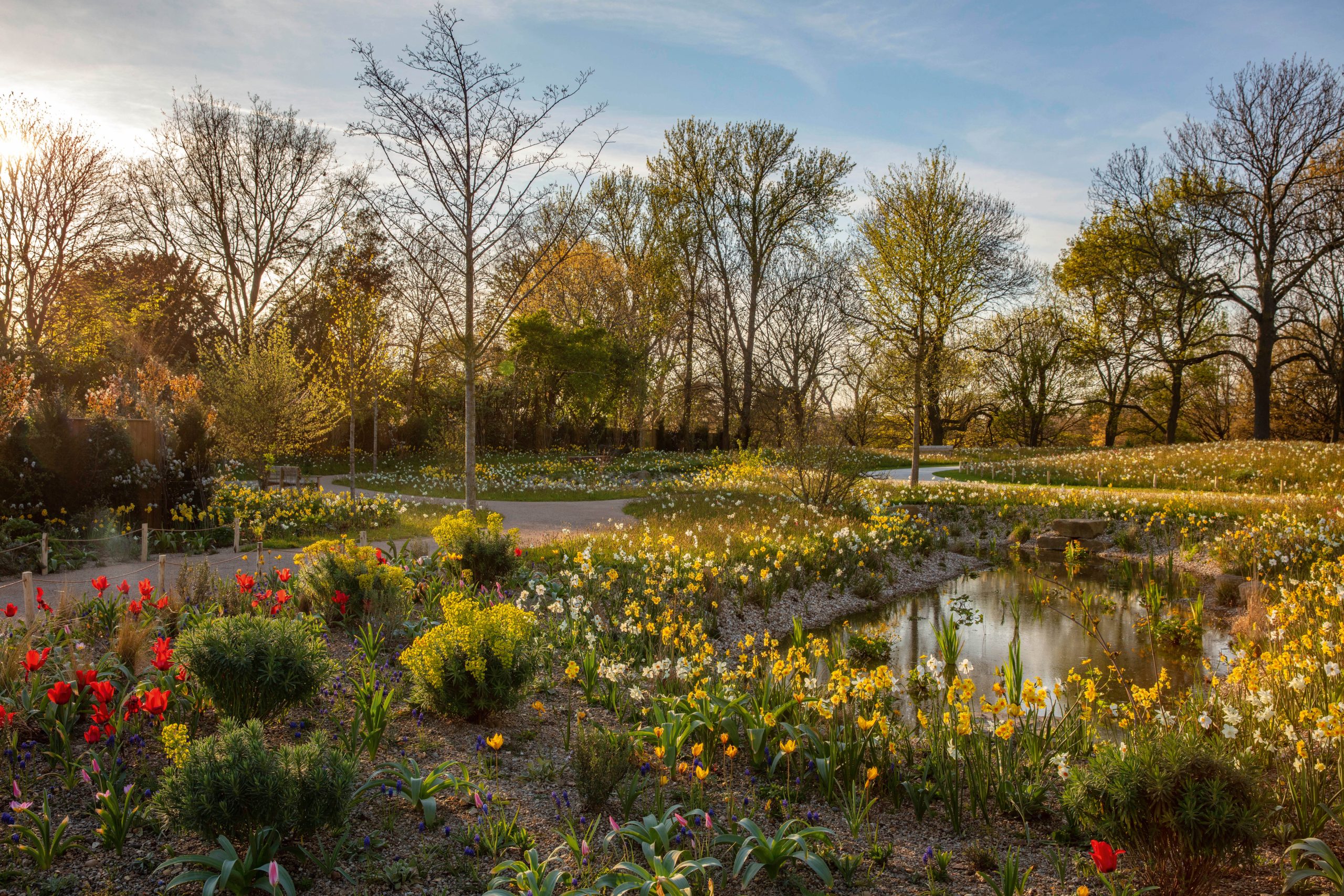
Dr Noel Kingsbury has devoted much of his career to studying the growth patterns of plants in general, and perennials in particular, and applies his findings to ecological planting design. “The concept of intermingling mimics the natural environment, but to keep things in balance you want to choose perennials that form a strong central core – either with short hizomes or a strong crown – and a
few more mobile species for interest,” he says.
His website, perennialdirectory.org, contains an ever-expanding description of species, their growth habits and architecture. Noel believes that repetition is important not just because it is more visually coherent, but because it is also more naturalistic. “In the wild you will often see a limited number of species growing together in a particular area. This will be dictated by natural conditions and opportunity. In a domestic space, it is up to the gardener to exert self-control and not plant one of everything that takes their fancy.”
In the wild you will often see a limited number of species growing together
As a rule of thumb, he suggests a planting density of roughly nine perennials per square metre, but favours schemes that incorporate the full range of plant types. “Trees and shrubs definitely have their place, although it is important to recognise that they can change an environment over time,” he says. “If you allow a tree to grow into a specimen, it will take up a lot of space. By definition, you won’t be able to fit many of those into the average garden.
You may also like
- 'It changed my life': discover what it's like to volunteer at one of the world's greatest gardens
- 8 flowers with incredible fragrance that can only be enjoyed at night-time
"But you can do an awful lot to change the scale and impact of your woody plants. Left alone, a Cotinus could get very big, but will respond well to hard pruning. Similarly, a Paulownia can become a large tree or be regularly coppiced to produce enormous, ornamental leaves and a contained but highly decorative feature. It is up to the gardener to decide.”
In fact, where the New Perennial Movement held out the prospect of a minimum-maintenance display (even if the reality was never quite that simple), the Modern Mixed Method sets out a gardener’s charter that can be readily manipulated to suit not only the needs of the space, but also the aesthetic preferences of the person who will manage it.
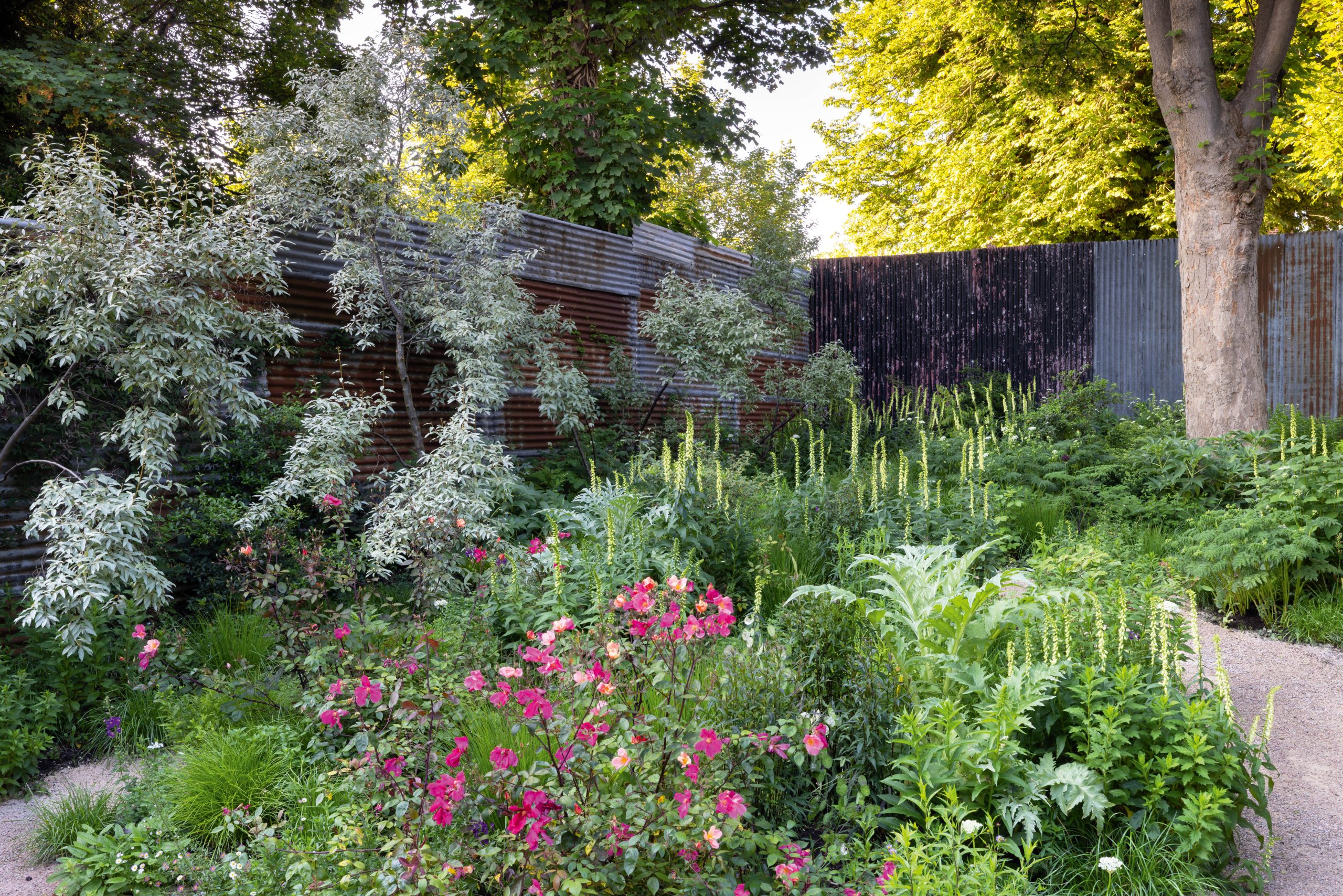
Sarah Price, one of the most overtly artistic garden designers working in the UK today, is an enthusiast. “When I was younger, I would go wild for the flowers first,” she says. “It used to be all about the herbaceous, but gradually you realise that you need to build a framework if you are to form the most satisfying picture.”
These days, her mantra is to consider the rise and fall of your garden. “Think from multiple viewpoints. This is the way to create resilient, sustainable gardens that appeal to wildlife and people alike,” she says. “Consider the ornamental impact and the experience you want to have as you walk through your garden. Aim to create layers, like you find at a forest edge. This can work in any size of garden.”
Aim to create layers, like you find at a forest edge. This can work in any size of garden.
A well-placed tree or shrub can add drama, or privacy, or conceal a surprise around the next corner. And if there is an existing tree or shrub you have reservations about, consider selective pruning to open up a view, lift its crown, or let light in. Sarah also emphasises the power of repetition. “Could you plant a multi- stemmed osmanthus or two, then repeat with some low clipped specimens of it, punctuating the herbaceous layer? Maybe plant a scented philadelphus to follow on, or an Elaeagnus umbellata to contrast the darkness with light, then thread through an arching Rosa glauca, or drape the vigorously rambling Rosa ‘Bobbie James’ up a wall.”
You may also like
- 10 tender plants that can now thrive in our changing climate
- One man transformed his boring lawn into an incredible naturalistic garden that evokes top designers - here's how he did it
Repetition doesn’t have to produce a boringly short list of plants, she says. “There is still room for variation within the theme. Maybe you could plant different types of phillyrea with a holly at the back, which will all be in tones of rich green. Or use a similar pruning technique to unify a range of different plants.”
The conditions will dictate what you can plant, but try to set up ‘visual echoes’ across different conditions as well. “Some plants, such as Silene fimbriata, cenolophiums, foxgloves and red campion, are good in both sun and shade, but you could grow red or pink astrantias in a shady bed and use Knautia macedonica Melton pastels to pick up the theme in sunnier areas.”
Without repetition, says Sarah, the picture becomes confusing, which in turn is unsettling. “This is the art of gardening. Balance function with form, colour and movement. Together they will bring harmony and a sense of calm to your garden.”