James Hitchmough has created gardens around the world using sustainable, long-term, naturalistic and often seed-sown plantings. He is best known for projects such as London’s Queen Elizabeth Olympic Park and Knepp Walled Garden, and is an emeritus professor of horticultural ecology at the University of Sheffield.
You may also like
James is currently developing his own garden in Somerset with particular focus on a planting palette for a changing climate. While climate change means many plants may no longer be viable options, these are the tender ones James finds he can now grow.
James' plants for a changing climate
Agave ovatifolia
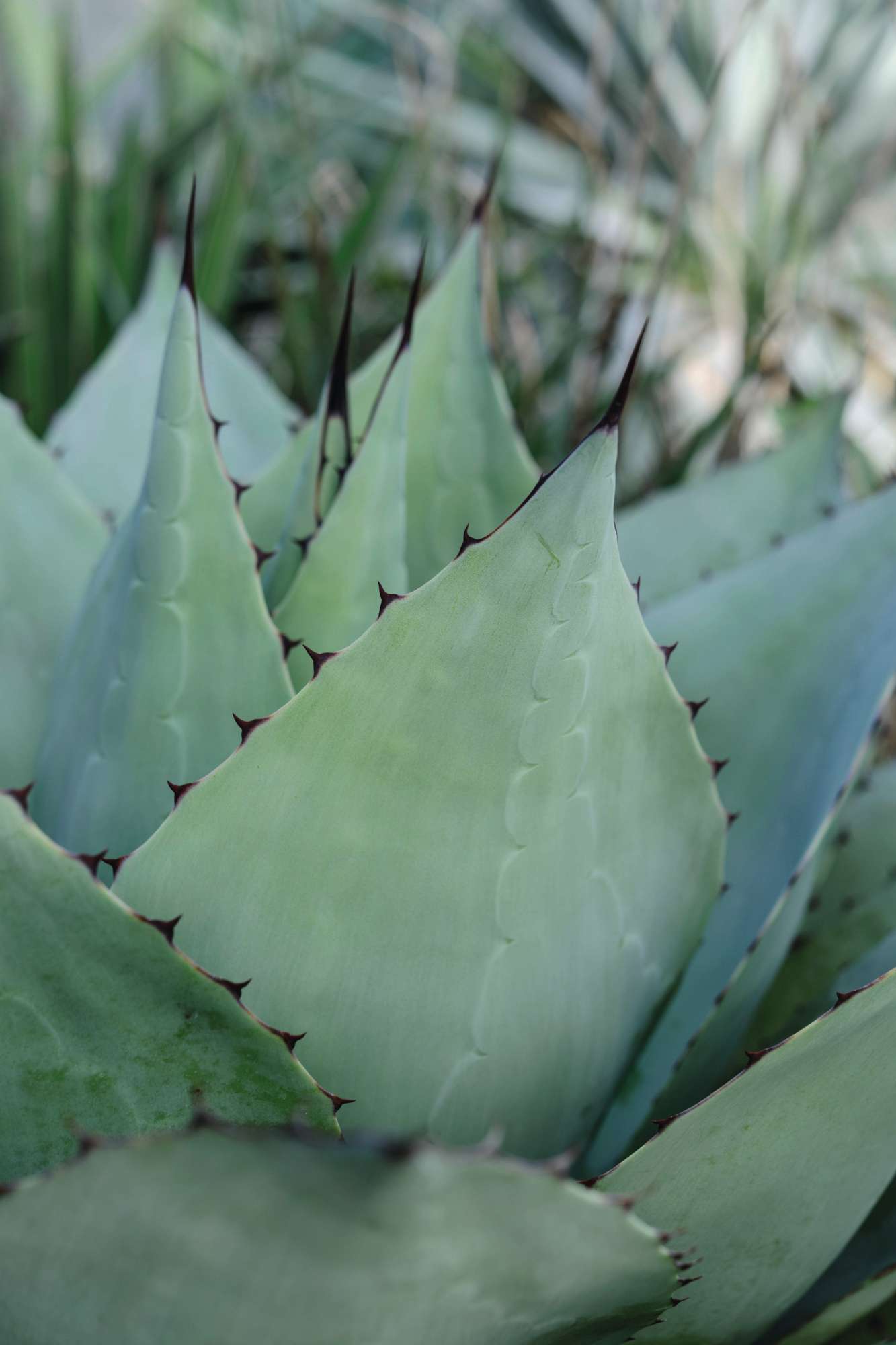
To my mind, the most magnificent Agave rosette. It’s blue grey, very hard and spikey, and ultimately big. Also one of the most cold tolerant – mine lived outside in Sheffield for a decade. Keep as dry as possible in winter to avoid potential brown necrotic patches on the leaves in wet winters; plants in rubblelike soils get fewer necrotic patches. Cover with bubble wrap to keep dry.
Height 1m (4-5m in flower). Spread 1.5m. Plant type Succulent. Conditions Well drained soil; full sun. Season of Interest Year round. Hardiness rating RHS H3, USDA 7a-11.
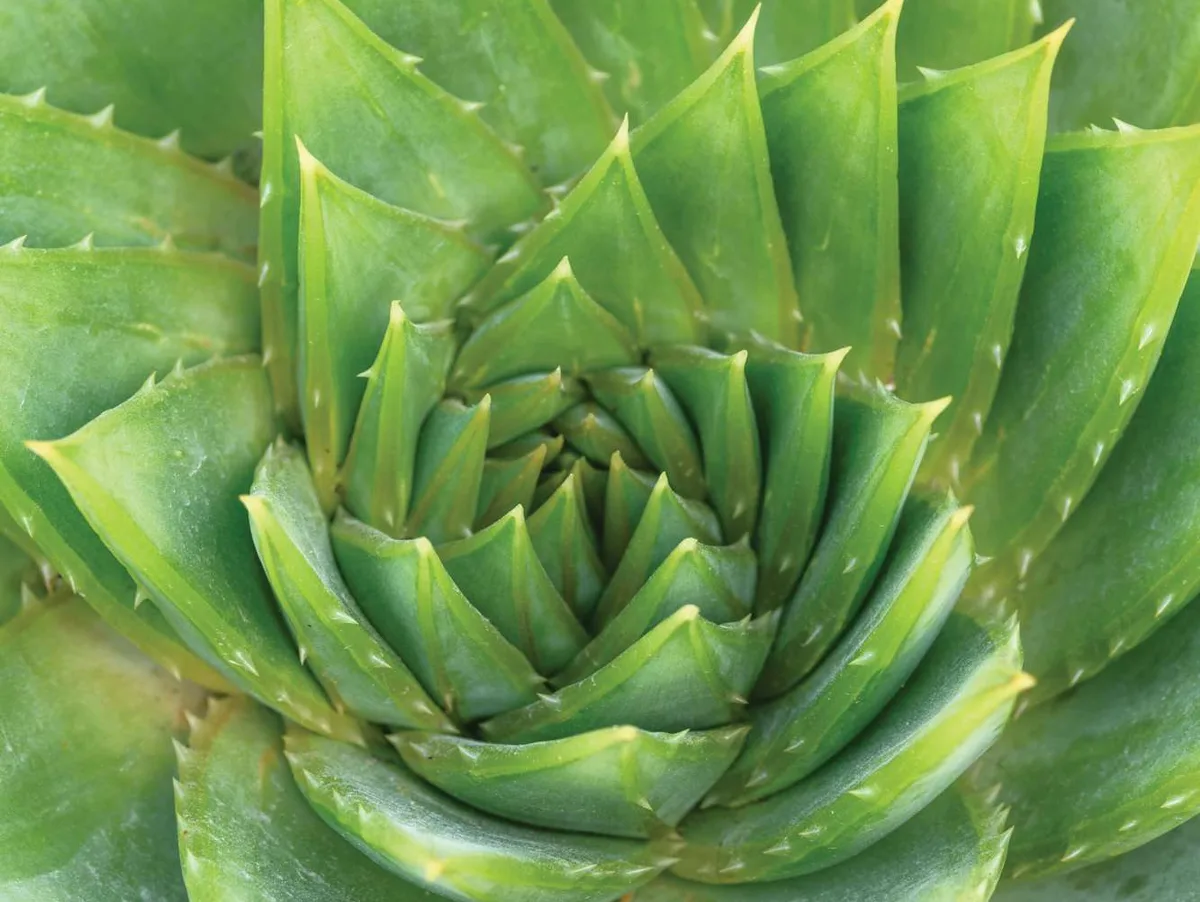
Aloe polyphylla
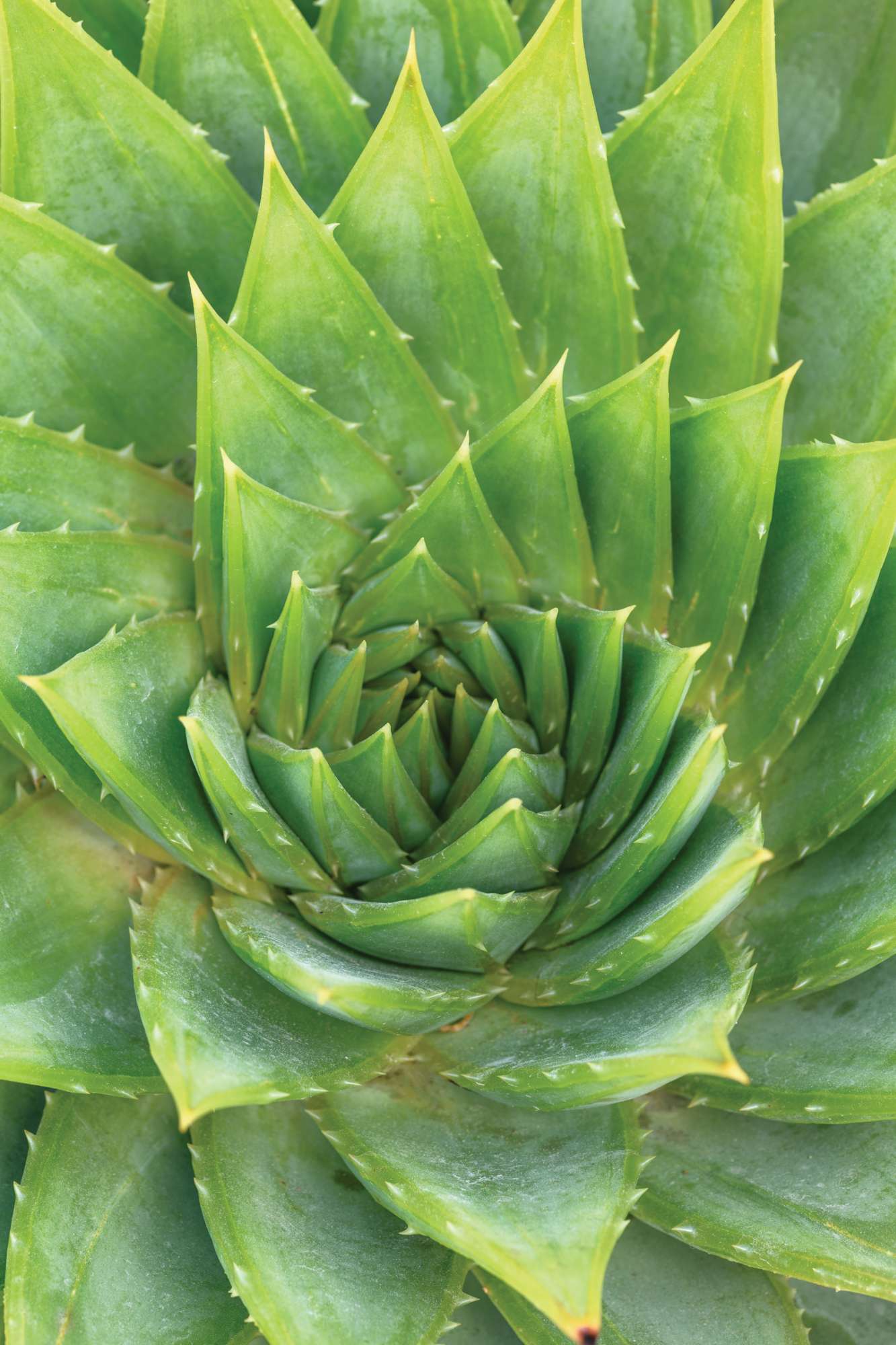
This fabulous aloe has a tendency to rot where the rosette base and roots meet moist soil. To avoid this, I repot new plants in spring into pure grit, so the rosette’s base is as dry as possible, then plant out three months later into a 20cm layer of pea gravel. Striking orange flowers in time, but the rosette is the business, really. AGM.
H 70cm. S 80cm. PT Succulent. C Dry grit or gravel on well-drained soil; full sun. SI Year round. HR RHS H2, USDA 9a-12.
Anemone hortensis
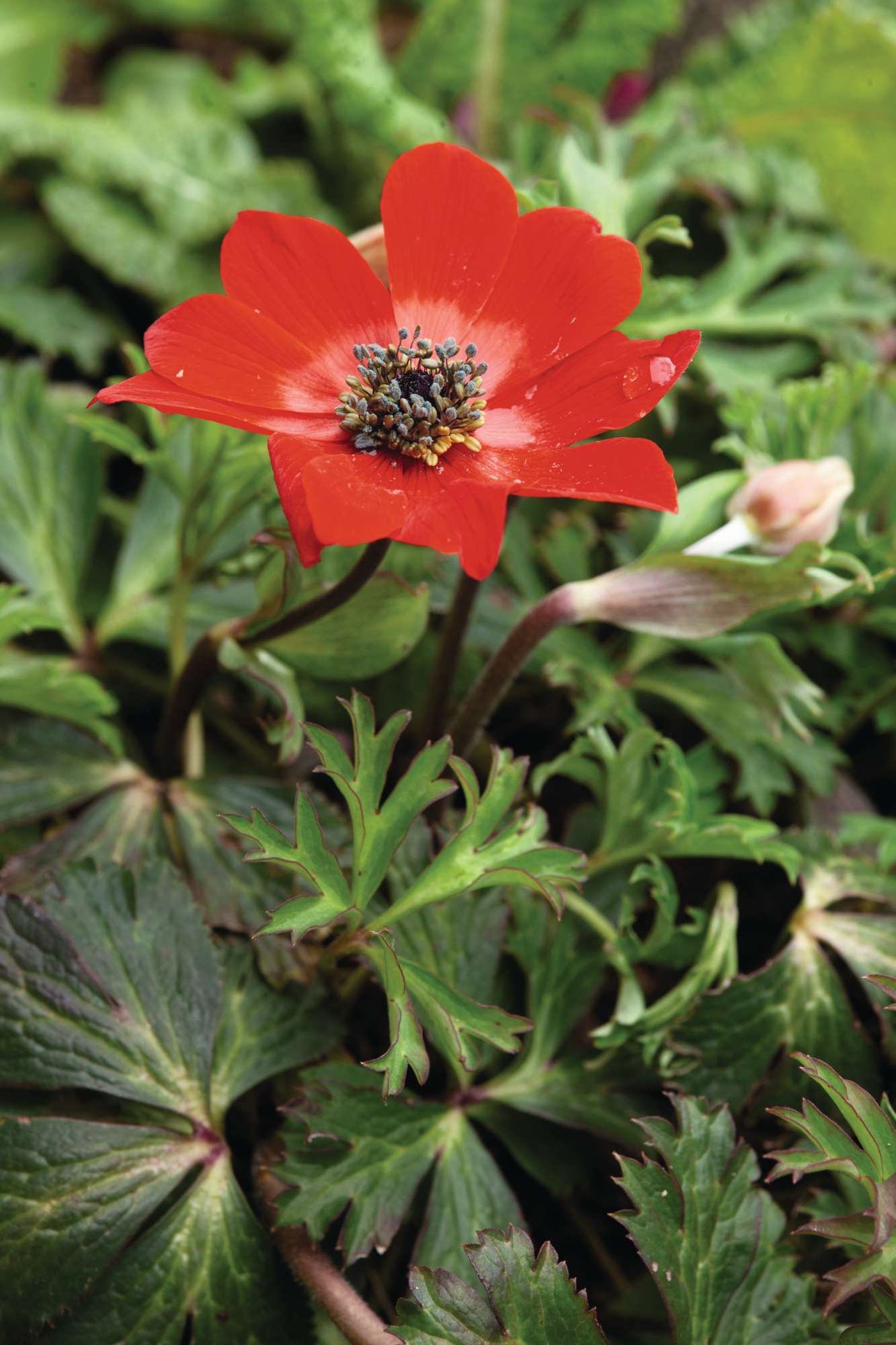
A wonderful floral companion to acid-yellow euphorbias such as E. rigida. Collect the furry seed and sow (ten seeds into each 7cm pot) in summer. It germinates easily outside in autumn. You need lots of plants for maximum impact. They like warm, sunny locations and can be tricky to transplant. Sometimes sold as Anemone pavonina.
H 20cm. S 10cm. PT Perennial. C Welldrained soil, full sun. SI March – April. HR RHS H5.
Bulbinella latifolia
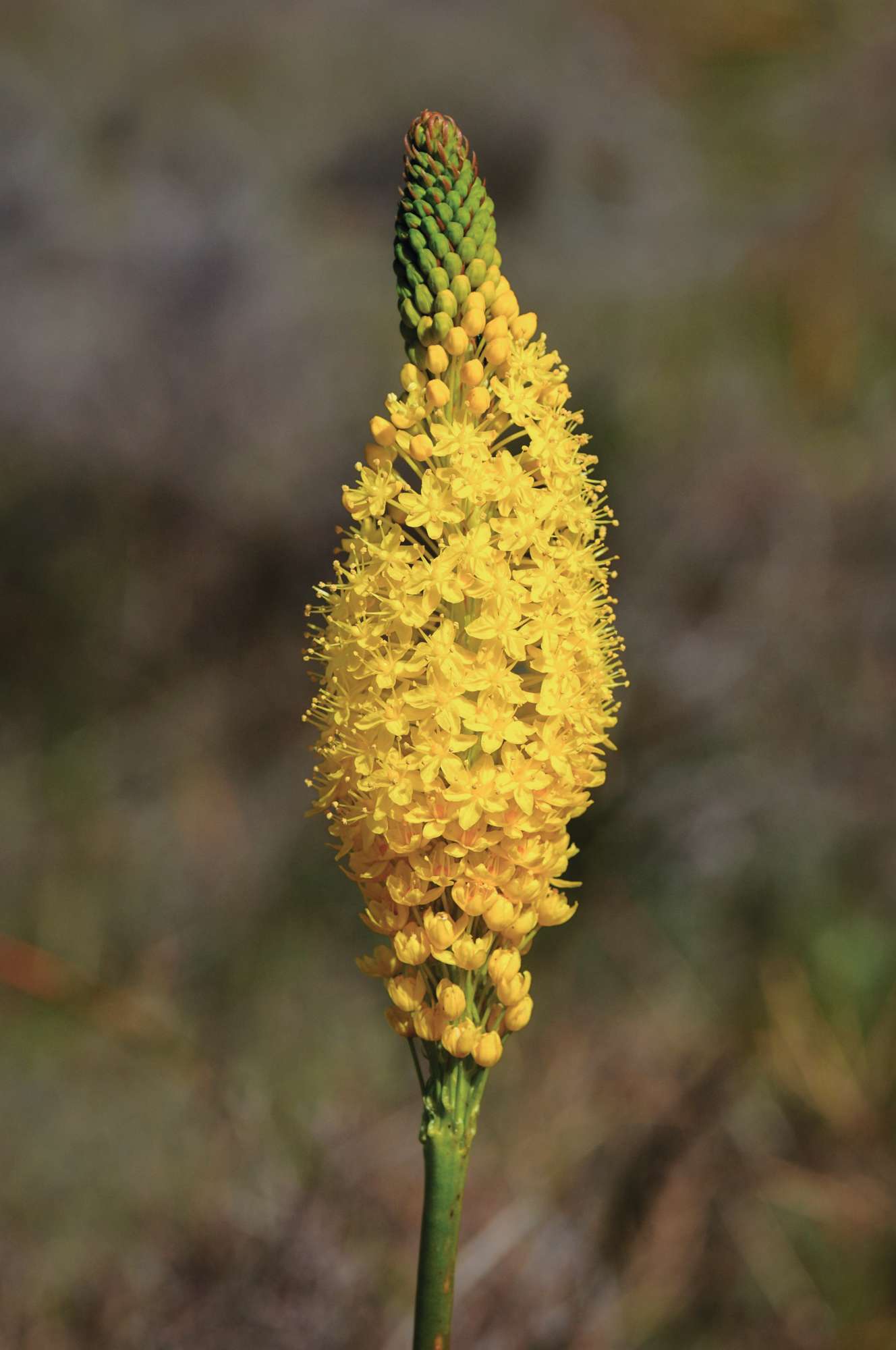
Winter-growing geophyte that mostly occurs at high altitudes along drainage lines and seasonal bogs in South Africa. Don’t believe what you read in books; it is not tender in the UK. It’s easy-going and unpalatable to slugs, but needs space and light as it emerges in autumn, so no collapsing herbaceous planting adjacent to it, please. Tall, almost Eremurus-like spikes of yellow stars over a five-week flowering season. Dormant by midsummer.
H 1.2m. S 40cm. PT Bulb. C Moist soil; full sun. SI March – April. HR USDA 8a-11.
You may also like
- UK gardeners NEED to know about these 10 underused plants
- Maximum impact plants - grow one of these for wow-factor focal points in the garden
Cotyledon orbiculata
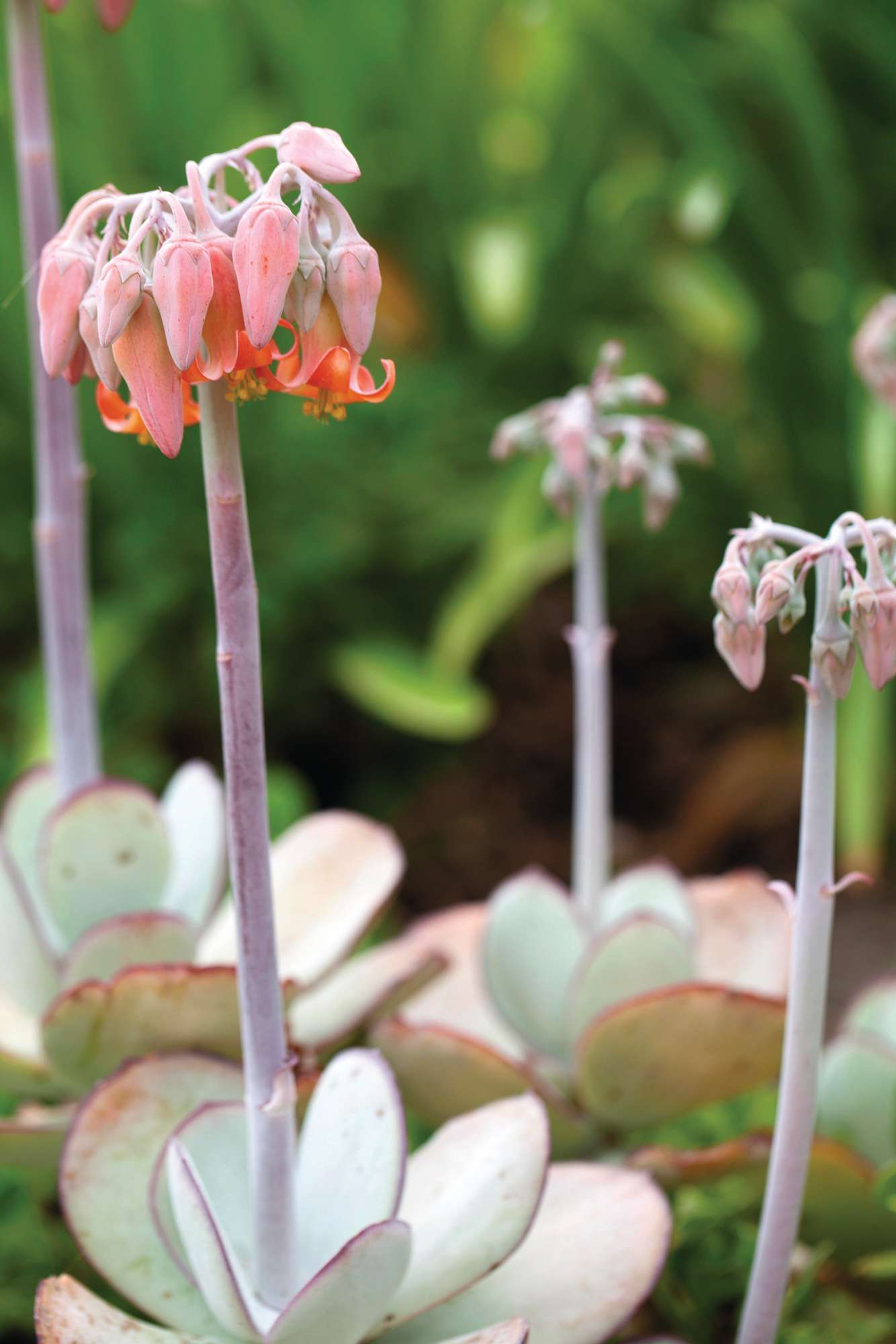
Offering soft-orange, pixie-hat flowers in summer, and leaves that are either flat and ear like (with white farina) or cylindrical, this succulent dwarf shrub has hardy and less hardy variants. My high-altitude forms have lived outside since 2011, unscathed by harsh winters. They don’t, however, like a moist soil.
H 20-50cm. S 30-60cm. PT Succulent. C Best in 150mm layer of gravel over soil; full sun. SI Year round. HR RHS H1C, USDA 9b-12.
Gladiolus cardinalis
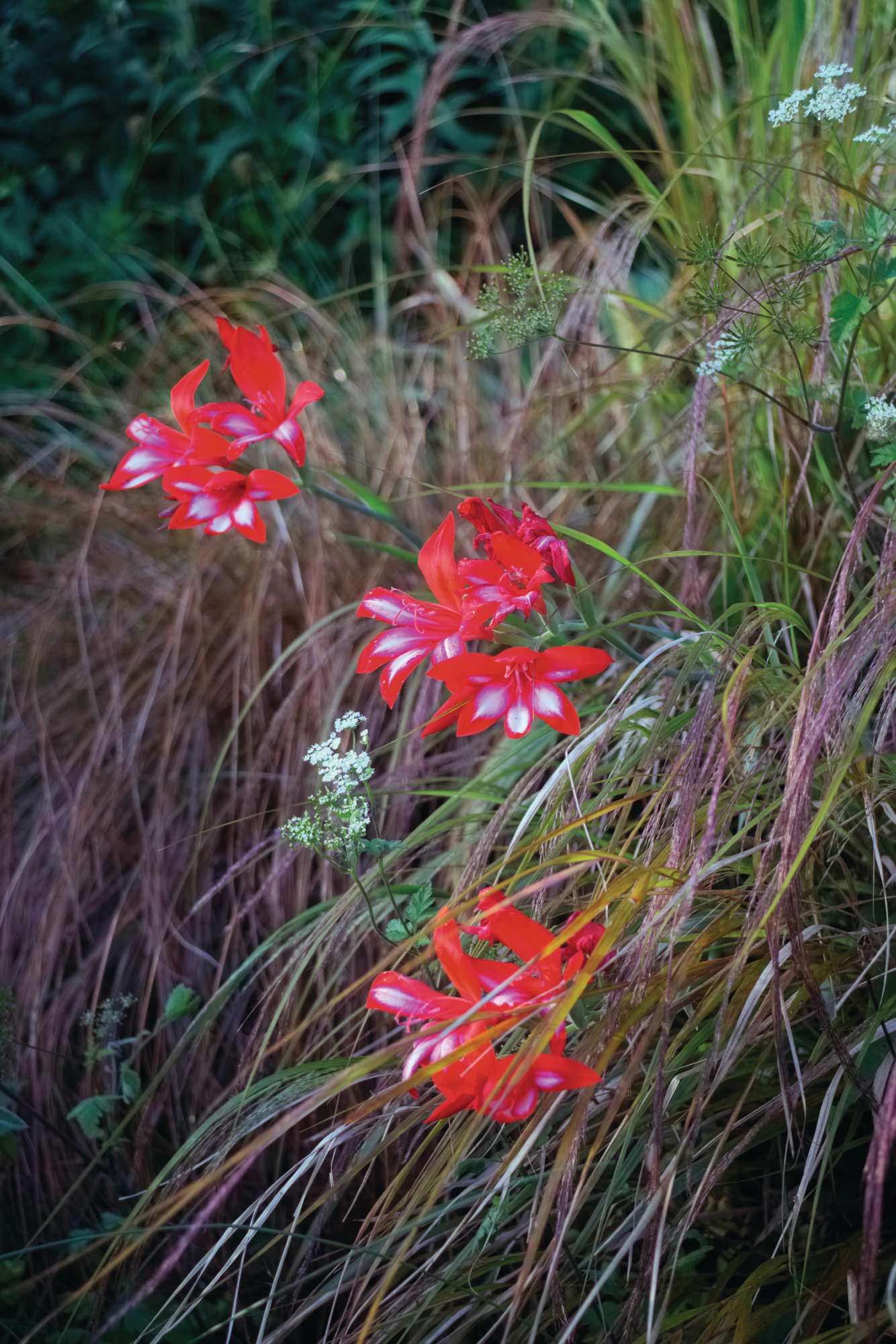
Forms astonishing floral waterfalls, with arching, groundtouching spikes of big scarlet flowers in June. Post-flowering, it’s a bit shabby, so mix with Begonia grandis to mask late-summer embarrassment until new leaves arrive in late autumn. Likes a moist soil (it grows in waterfalls in South Africa), but can be stretched into drier soils.
H 60cm. S 60cm. PT Bulb. C Moistureretentive soil; sun to part shade, probably best in the latter. SI June. HR RHS H3, USDA 8a-10b.
You may also like
- 10 endlessly useful plants chosen by the UK's most exciting gardener
- Destroyed lawns and munched veg - here's how to protect your garden from 9 destructive visitors
Kniphofia thomsonii 'Stern's Trip'
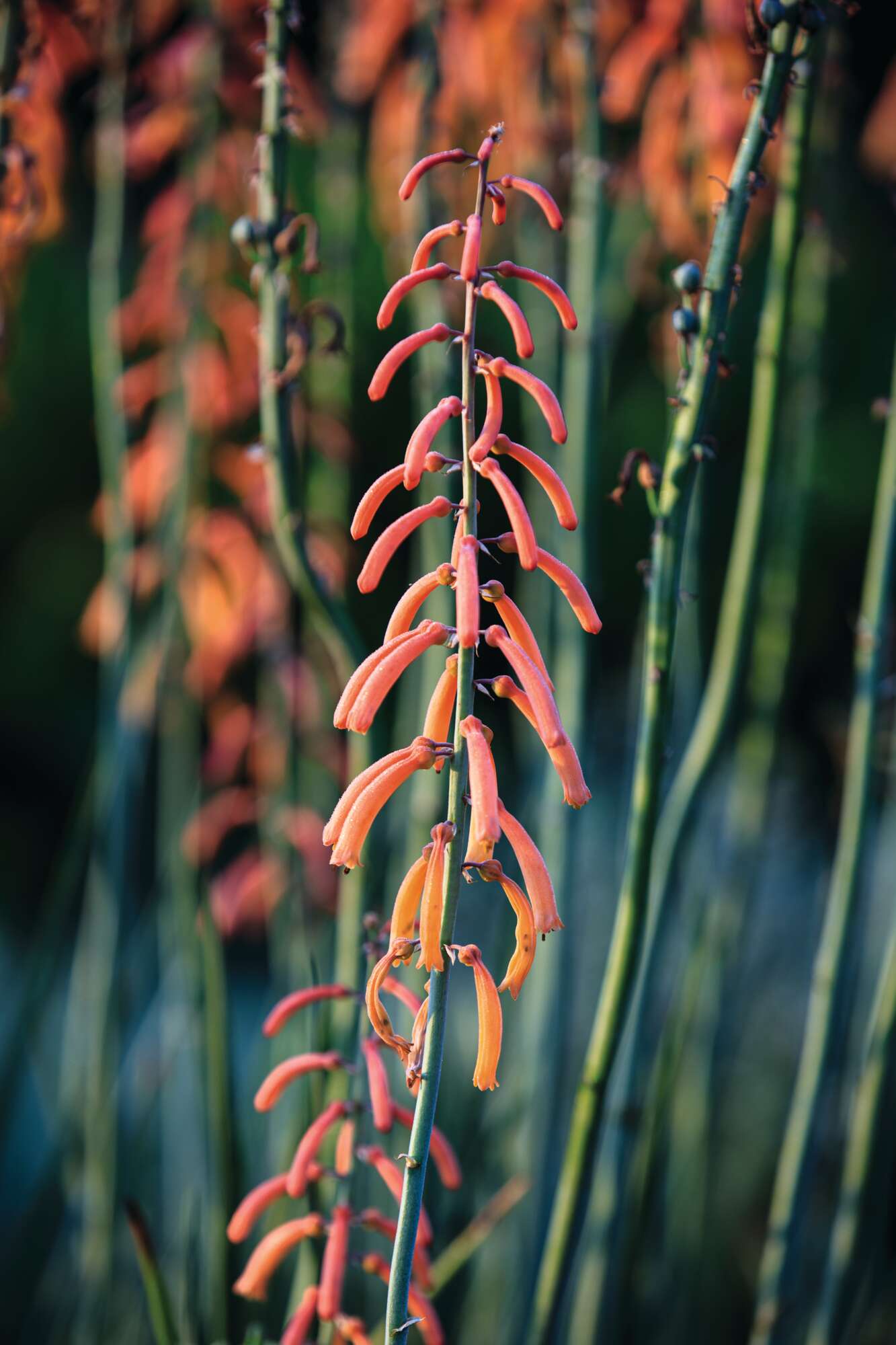
Just flowers and flowers. Mine start in April and continue off and on until November. Widely spaced, aloe-like, soft-orange tubes on floaty tall spikes. Everyone loves it. Very agreeable, but doesn’t much like temperatures below -12 º C.
H 1.2m. S 60cm (spreads by stolons forming loose colonies). PT Perennial. C Moist to dry soil; full sun. SI April – November. HR RHS H4, USDA 6a-11.
Lomelosia cretica
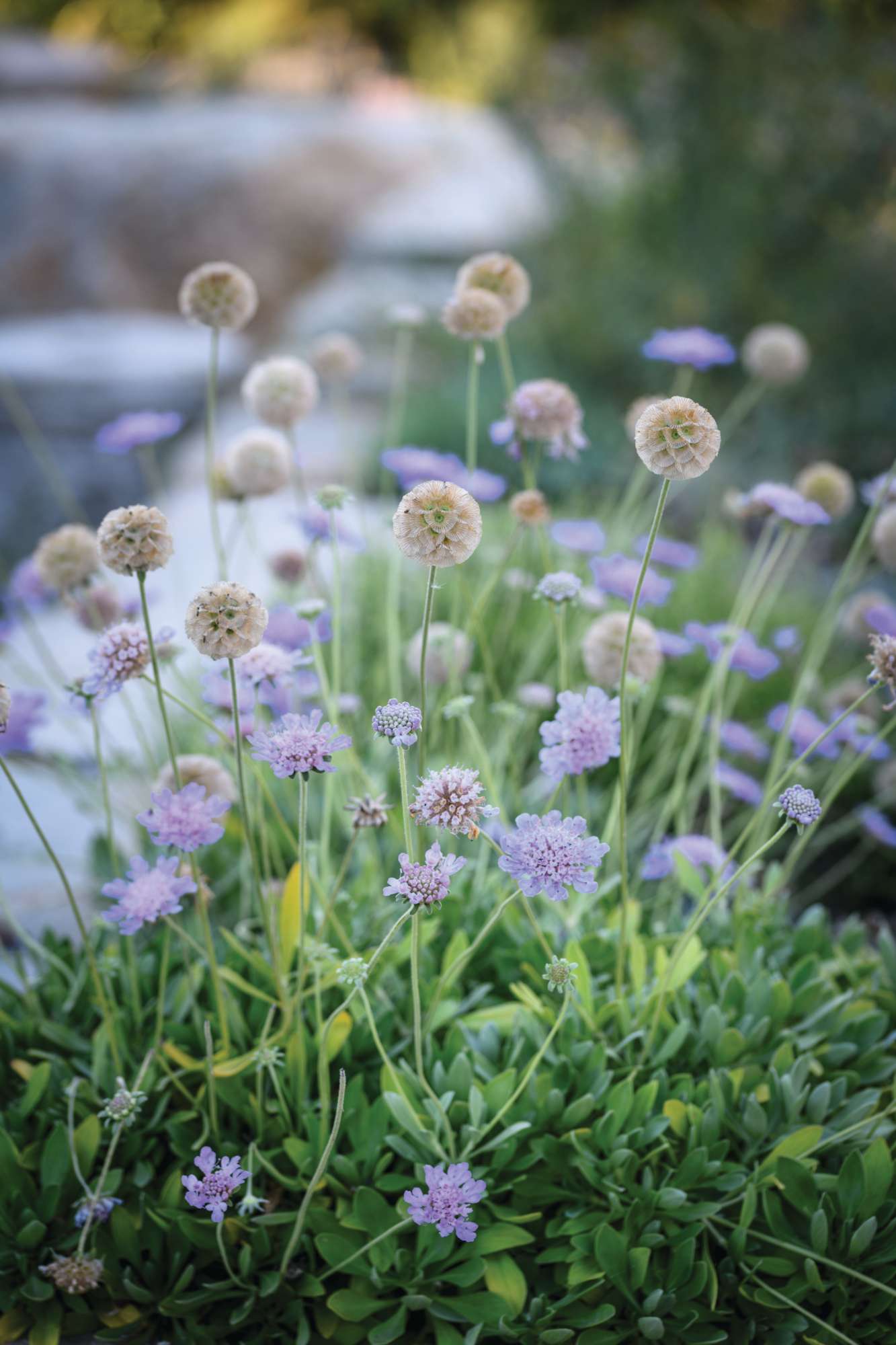
Smart evergreen domed bun of a sub-shrub with green or silvery leaves. The lavender, scabious-like blooms morph into papery, cream spheres almost as good as the flowers. Its Achilles’ heel is that it does not respond to severe pruning. Winter cold tolerance varies depending on the origin of the wild seed.
H 50cm. S 60cm. PT Perennial. C As dry a soil as possible; full sun. SI Year round, with early summer to autumn peak. HR RHS H4
Salvia pachyphylla
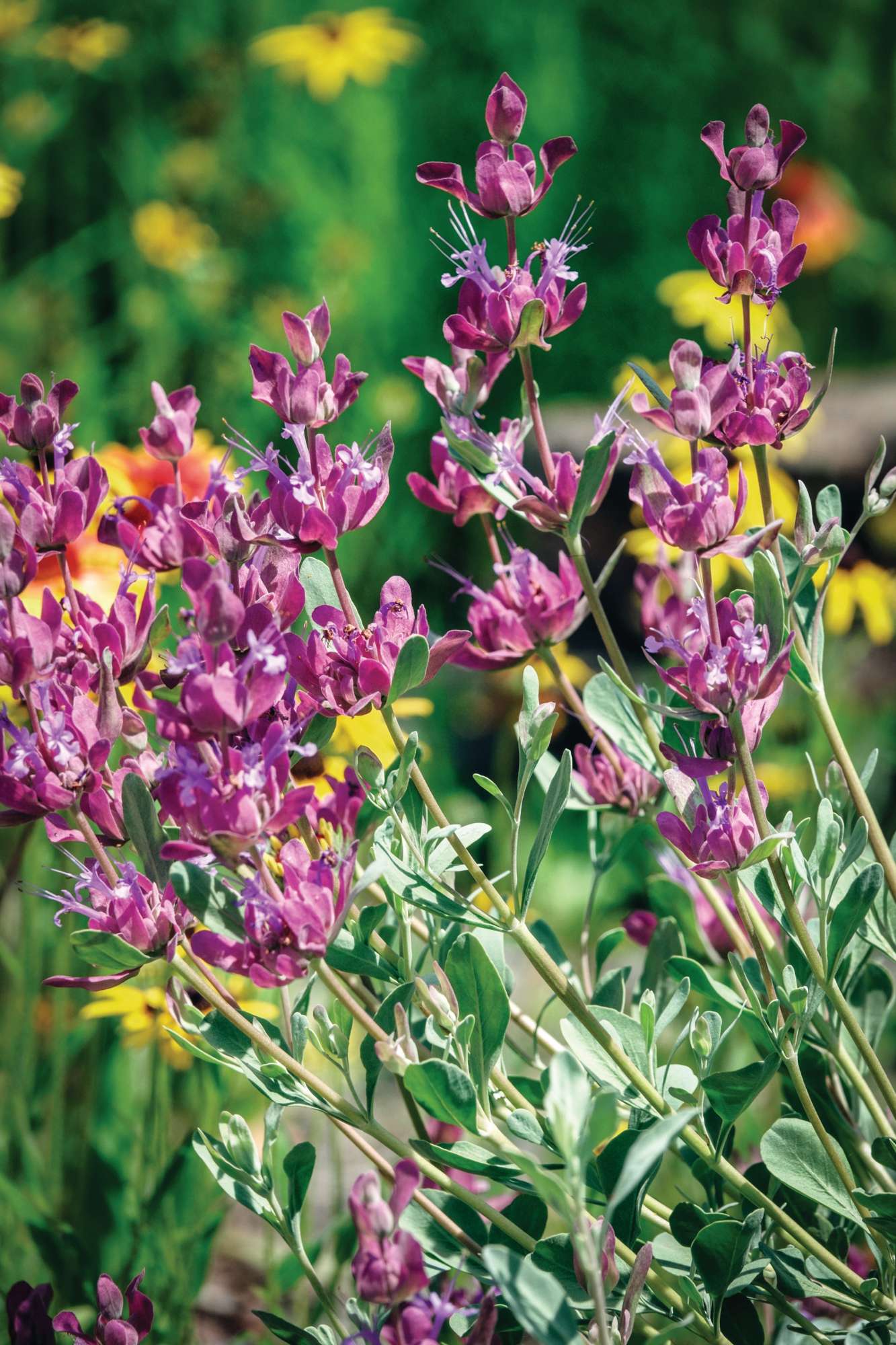
Mohave desert origin, low-domed shrub with sticky silver leaves and a mind-boggling crush smell. Large, late-summer lavender lowers that end up deep purple. A wonderful plant for the driest, sunniest, hottest – you get the gist – location you can find. In my old Sheffield garden, I grew it in rubble. It is not widely available (you can find at Jelitto), but worth seeking out (honest).
H 45cm. S 60cm. PT Perennial. C Sand, gravel or crushed masonry on top of soil; full sun. SI Late summer. HR RHS H4.
Sideritis scardica
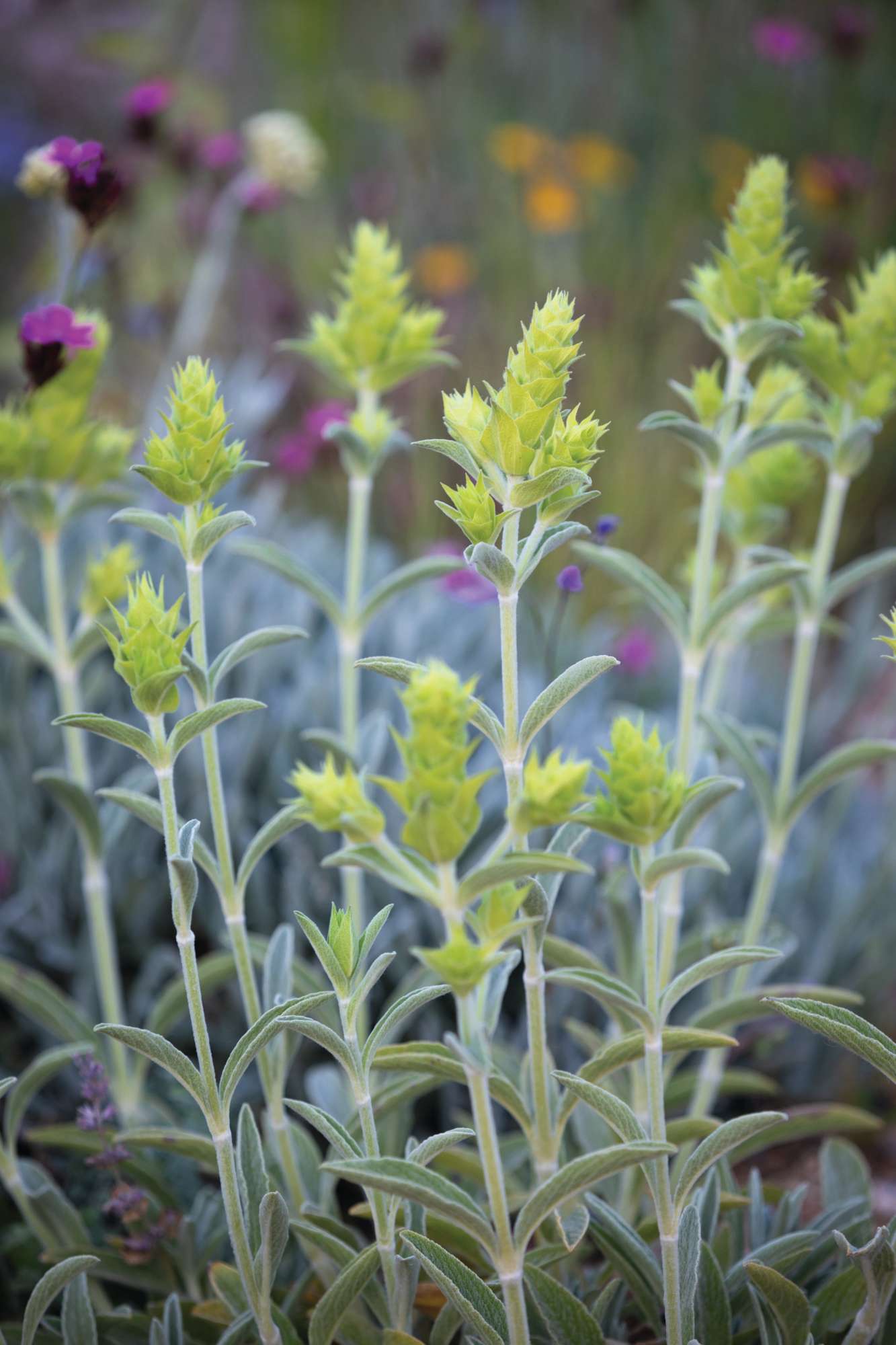
Known as Greek tea, this has a similar growth habit to Stachys byzantina with low domes of large-ish silvery, textured leaves. Creamy flowers emerge out of lime-green bracts. I am trialling it on retentive soils in Somerset, and it’s been a revelation on crushed concrete and sand in Knepp’s Walled Garden. Brilliant with the likes of Dianthus carthusianorum and D. cruentus.
H 30cm. S 60cm. PT Perennial. C Well-drained soil; full sun. SI Year round, May – June peak. HR RHS H3/4