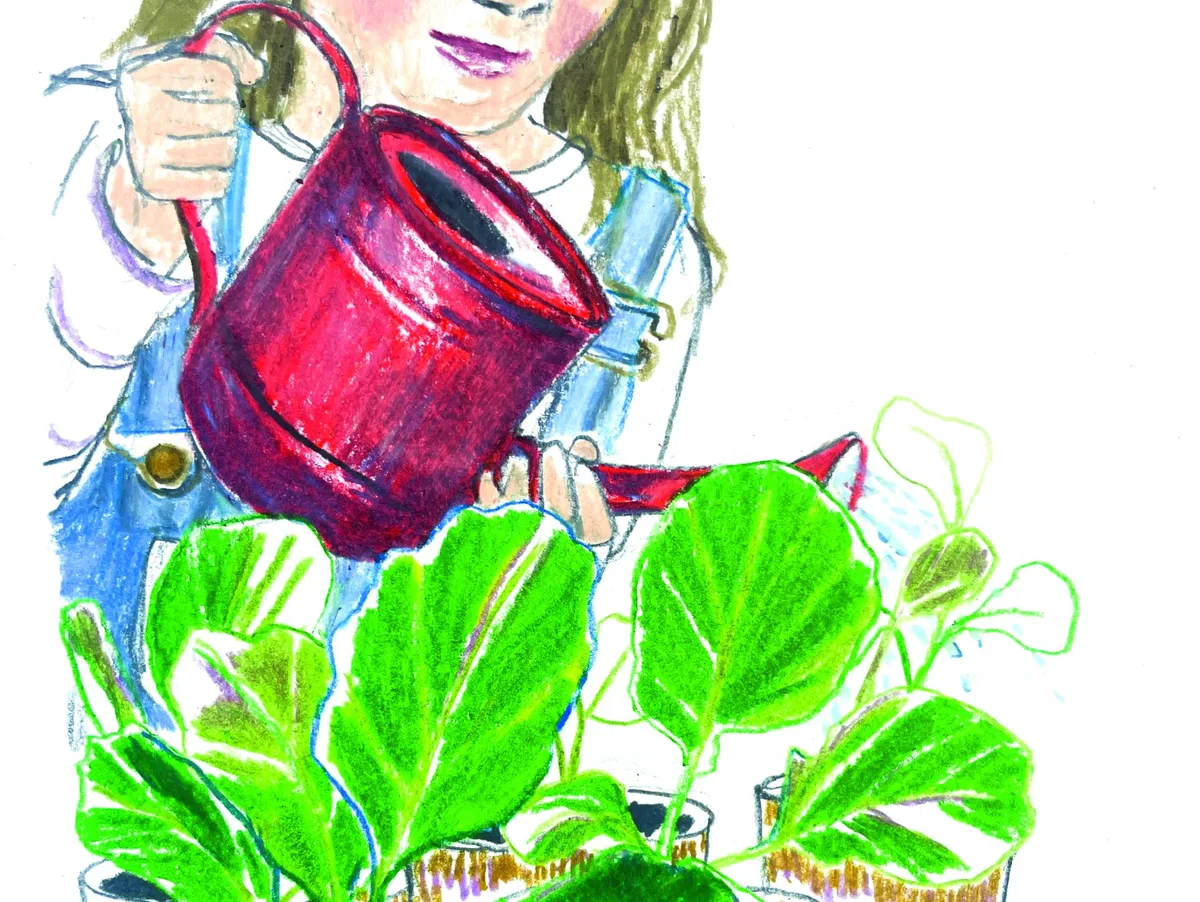
I recently began judging a new plant trial at RHS Harlow Carr in Yorkshire and, without fail, each session is interrupted as excited students stream past in conversation with smiling teachers. Far from annoying, we were delighted to see so many children, largely of primary-school age, experience the orchid-filled meadows and bountiful borders. It reminded me of the moments that fuelled my lifelong love and understanding of the natural world: germinating beans at school; raking our first veg plot with my siblings; my dad taking me to Kew to see the mindblowing cacti and carnivorous plants.
Teachers and parents have long used gardening as a natural resource to support learning, helped in no small part by the RHS, and there’s a burgeoning recognition of gardening as a multifaceted tool for children’s development. For a couple of years an area of my own plot was used by one of the many forest schools that help young children who struggle to learn in a classroom setting.
You may also like
- I've saved hundreds of pounds on fruit and veg by growing my own – and you can too, says garden designer Jack Wallington
- Our gardens are slowing disappearing: can we turn the tide on the concrete crisis?
Plants are already used in schools to teach science, geography, art, natural history, nutrition, even maths. Plus, of course, contact with nature in biodiverse environments can enhance social skills, team building and wellbeing. Knowing how to grow food for access to nutrition and to save money, as well as plants for wildlife, also feel like important life skills.
For decades, the RHS has worked with schools and politicians, championing the right for every child to grow a plant and embed gardening across the curriculum. Now the charity is collaborating with the Natural History Museum’s National Education Nature Park project, which sees students across one in three schools map its space, record wildlife and explore ways to turn grey areas green.
Of course, there are opportunities to go even further. According to a survey by the RHS, around 60 per cent of all children in the UK garden at least once a month. Great. But that means 40 per cent don’t, and around 300,000 children don’t have a garden at all. Time spent in gardens or gardening on average is lower among families on low-incomes, while inner-city or small schools may not have adequate outdoor space on their doorstep. Which makes access to outdoor space in schools, community gardens and allotments an essential focus for equal opportunities.
In addition, gardening in schools is often heavily reliant on a keen teacher or parent who volunteers their time. As always, it seems to come back to us all taking gardens and gardening more seriously; the need to listen to children, teachers, parents, gardeners and organisations like the RHS, and take on board their advice.
You may also like
- On an allotment waiting list? Here's why you may get one quicker in the future
- How to make your garden child friendly without ruining it
A growing body of research demonstrates the wellbeing benefits of biodiverse spaces for adults and children, including for learning. These spaces could include food growing areas, forest gardens, wildlife-rich meadows, a pond, chillout spaces and, excitingly, multiple outdoor classrooms – a reminder of those thrilling days when a teacher suggested we take our books outside.
More than half of the children surveyed by the RHS listed school as a place where they gardened. Can we help bring that closer to 100 per cent? Not everything comes back to money, but in this case I suspect it does. For too long gardening has been considered an easy expense to cut, removing outdoor space in schools that benefit children and, critically, expertise from professional gardeners to help grow them. Qualified gardeners, who could support teachers and students in maintaining gardens and inform lessons.
You may also like
- Green spaces can shield UK cities from extreme heatwaves and save the NHS millions every year, says report
- The one thing you can add to your garden that’s guaranteed to get wildlife in!
Gardening and teaching are two highly skilled professions. Rather than force one on the other, perhaps it’s better to recognise schools need both? If access to good gardens in schools is a core part of child development, professional gardeners who can make that happen should be too.
Integrated gardening for every child sounds a lot better than my short stint in Gardening Club, planting flowers at lunchtime around a concrete playground of an all-boys’ school. Teachers, parents, gardeners and children themselves are actively explaining and showing us how gardening can be better used in schools. There are countless brilliant examples in schools across the country already. Let’s work with schools to avoid piling even more pressure onto teachers in an already high-pressure job. Let’s celebrate the amazing progress we’ve made in this area, and support the movement to formalise and standardise the benefits for all students, and make it less about luck of personal circumstance.