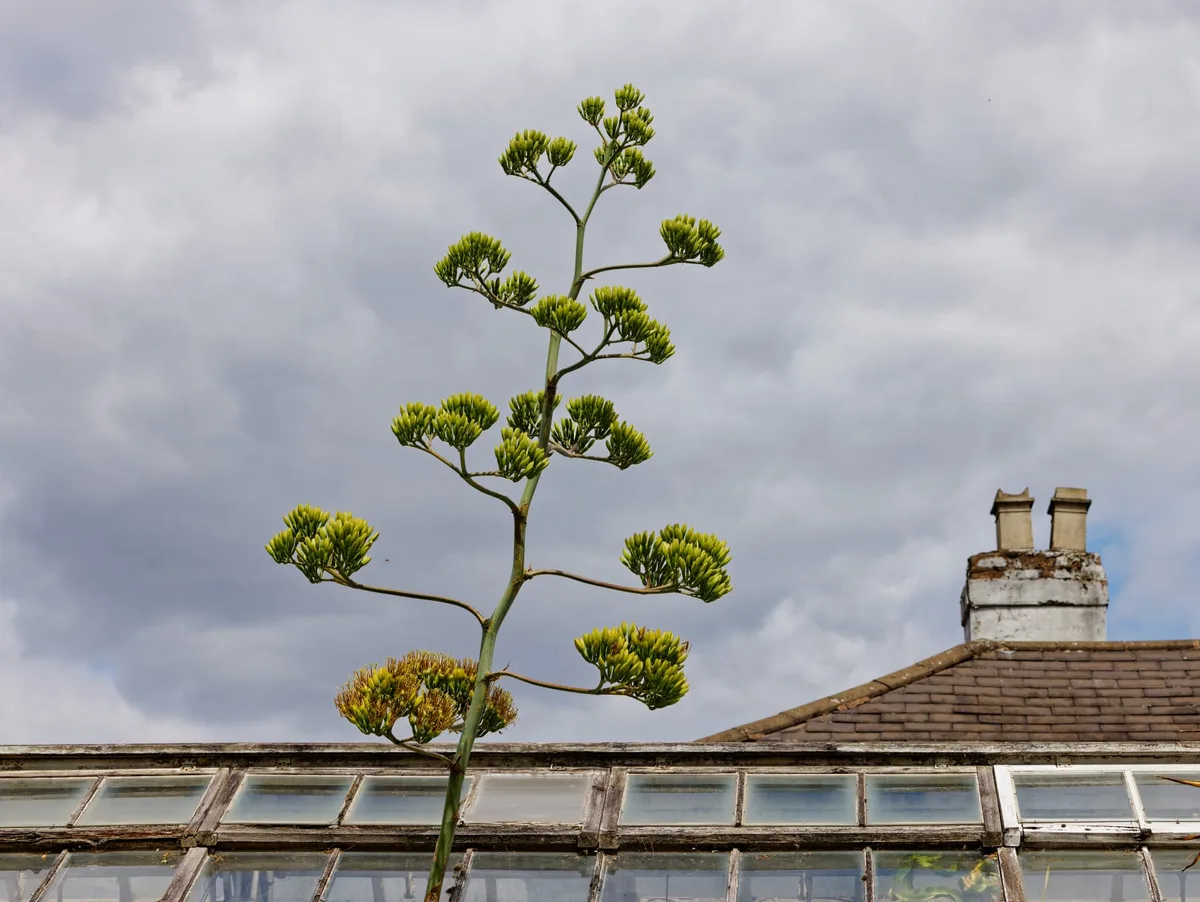
A decade-old plant is having its final hurrah at Birmingham Botanical Gardens with a 'death bloom' display. The Agave sisalana has begun the final phase of its life by producing an enormous flower spike that has shot up through the ceiling of the Arid Glasshouse - already reaching an impressive height of 546cm, as tall as a fully grown female giraffe.
The 'death bloom' phase can last up to half a year and some species can grow up to 12 inches per day, reaching a final height of up to 14 metres. Birmingham Botanical Gardens is encouraging people to come and visit to see this remarkable phenomenon occurring now in the UK.
You may also like
- This is the only type of bamboo you can plant that WON'T wreck your garden
- 10 tender plants that can now thrive in our changing climate
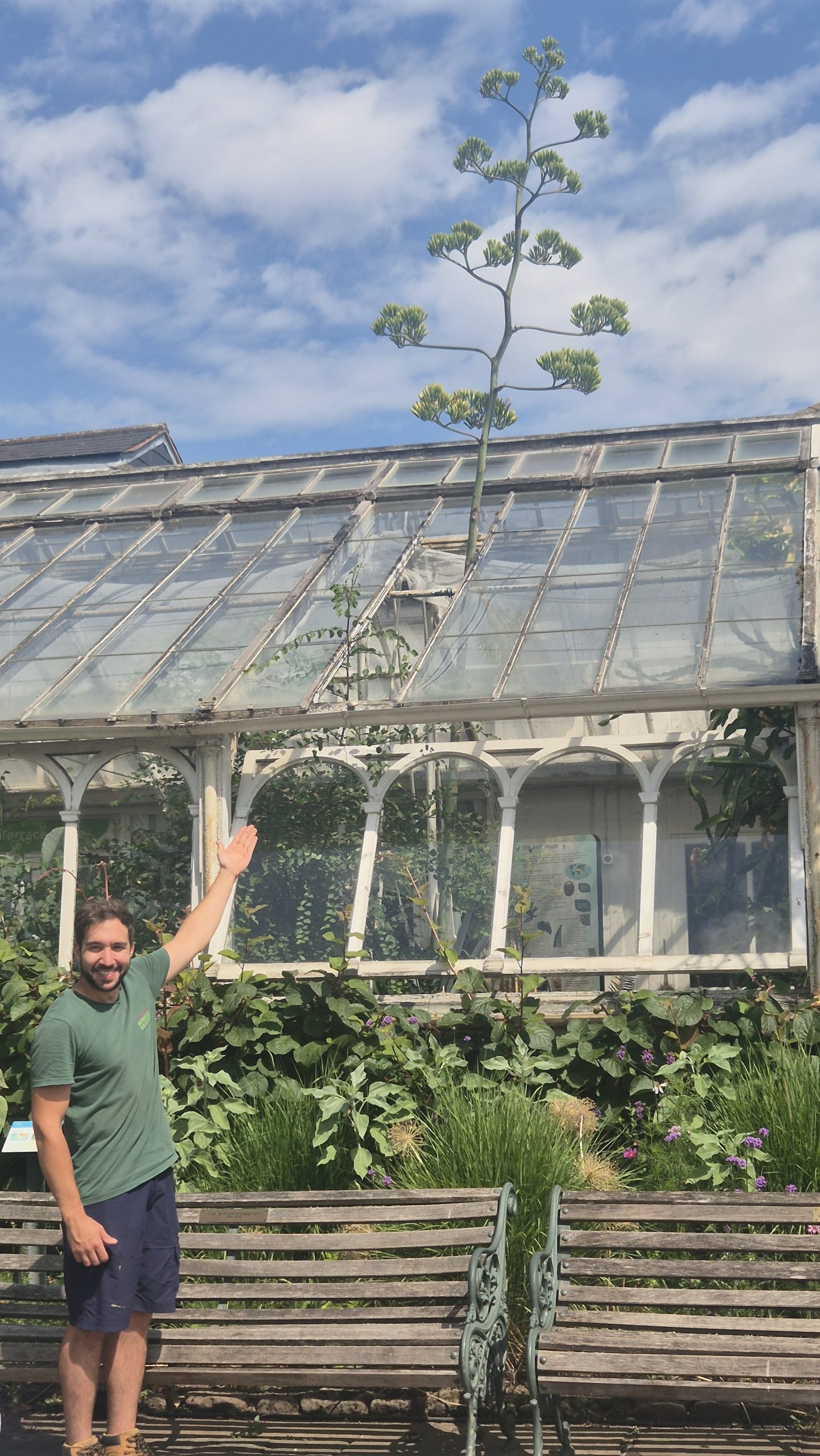
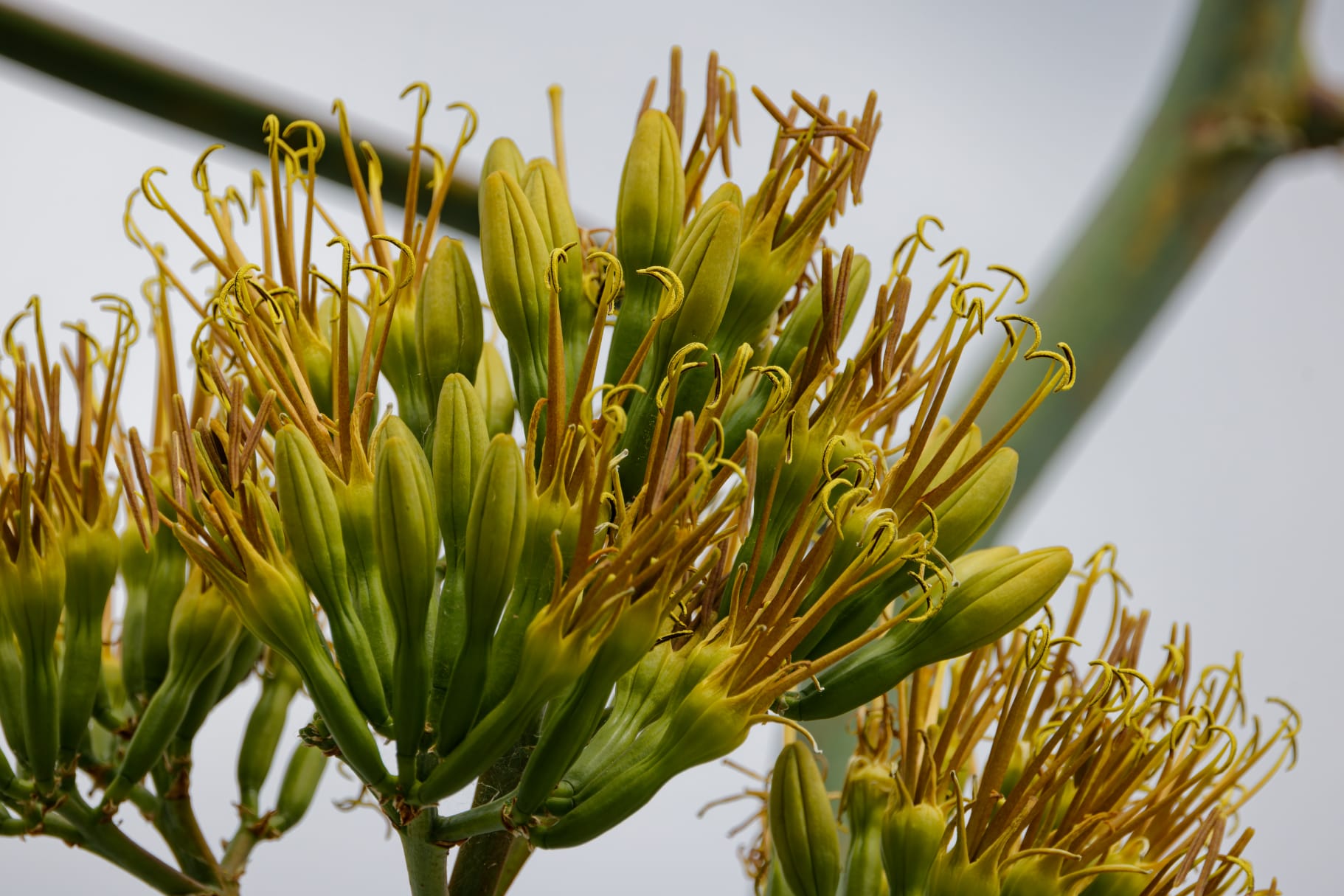
The rare phenomenon known as the 'death bloom' phase occurs when the plant uses years of stored energy to create a huge flowering display in an attempt to reproduce before it dies.
You may also like
- The Moroccan hillside garden preserving the landscape almost obliterated by urban expansion
- Discover this gorgeous wild garden in Mallorca, designed to test how plants behave with different levels of human interaction
"Monocarpic plants (plants that only flower and set seed once in their lifetime) are evolutionarily programmed to flower just once, use all their stored energy to make seeds, and then die," says Alberto Trinco, Senior Display Glasshouse Horticulturist. "This 'one-shot' strategy maximises reproductive success in harsh or competitive environments by flooding the ecosystem with thousands of seeds at a single, optimal time."
They are evolutionarily programmed to flower just once, use all their stored energy to make seeds, and then die
As the flower fades, hundreds of tiny plantlets, known as bulbils, will fall from the flowering stem and the team at Birmingham Botanical Gardens will collect these and store them for future planting.
"The agave has been watered and fed regularly during spring and summer when sun and higher temperatures push its growth," says Alberto. "During winter we keep the Arid House cooler than people would expect: natural lower light level slow down the plant growth so, to maintain the balance, we have to keep them slightly on the cool side (14C minimum). During winter time there is no watering at all."
The genus Agave is native to the Americas, with 230 different species. However, they are commonly seen in glasshouse displays across the world.
To find out more or to see the plant, visit birminghambotanicalgardens.org.uk