Set back off a tiny lane, winding gently time, space and, to a certain degree, geography too. Burgeoning among the quiet bones of a ruined 17th-century farmstead, this specialist nursery is an epicentre of forward-thinking revolution, and the heritage-steeped stones are now the foil for experimental planting that is on the one hand familiar, yet also unusual, elevated and resilient.
Within the small site, narrow paths weave a journey through a maze of different areas, each with its own climate, soil type and character. A lush bank of native planting is followed by an island that is fiercely arid and inhospitable, but which miraculously flourishes, nonetheless. The aesthetically crumbling farmhouse forms a central hub, offering both a Mediterranean microclimate and outdoor living opportunities; views of the veg patch are framed by the empty windows, and the nursery and sales areas lie beyond.
Warmed by the sun, the garden is full and floriferous against its backdrop of dusty-red sandstone, and the shimmering insect life seems to epitomise a peaceful, rural idyll, but when Tom Nielsen and his young family arrived eight years ago, the scene was very different. “It was basically a series of derelict buildings with head-height brambles leading up to the door,” he says. “The barn had a broken roof, and in the old farmhouse there was a big pile of mulch filled with timber wreckage, where the thatched roof had fallen in. We temporarily moved into two small caravans, linked by a home-made shed, but in retrospect bringing two small children to live here was insanity,” he says.

Thanks to green-fingered relatives and a Saturday job pricking out primulas at a nursery, Tom started gardening at an early age, but his route into professional horticulture was indirect. After doing a degree in ancient history and archaeology, he took an IT job in Bristol. When the office closed a few years later, his redundancy cheque paid for a ticket to South America and a complete change of direction.
I look for things that can grow in our tough conditions, what will succeed in the future and whether it will benefit the web of nature
“A lot of my inspiration comes from landscapes I’ve spent time in,” he explains. “My dad is Danish, so we went to Denmark every summer. In my twenties, I explored Brazil and Patagonia, before spending six months in Australia. I then caught a flight to Singapore, and made my way back to Europe through Southeast Asia, China, Mongolia and Russia, absorbing it all as I went.”
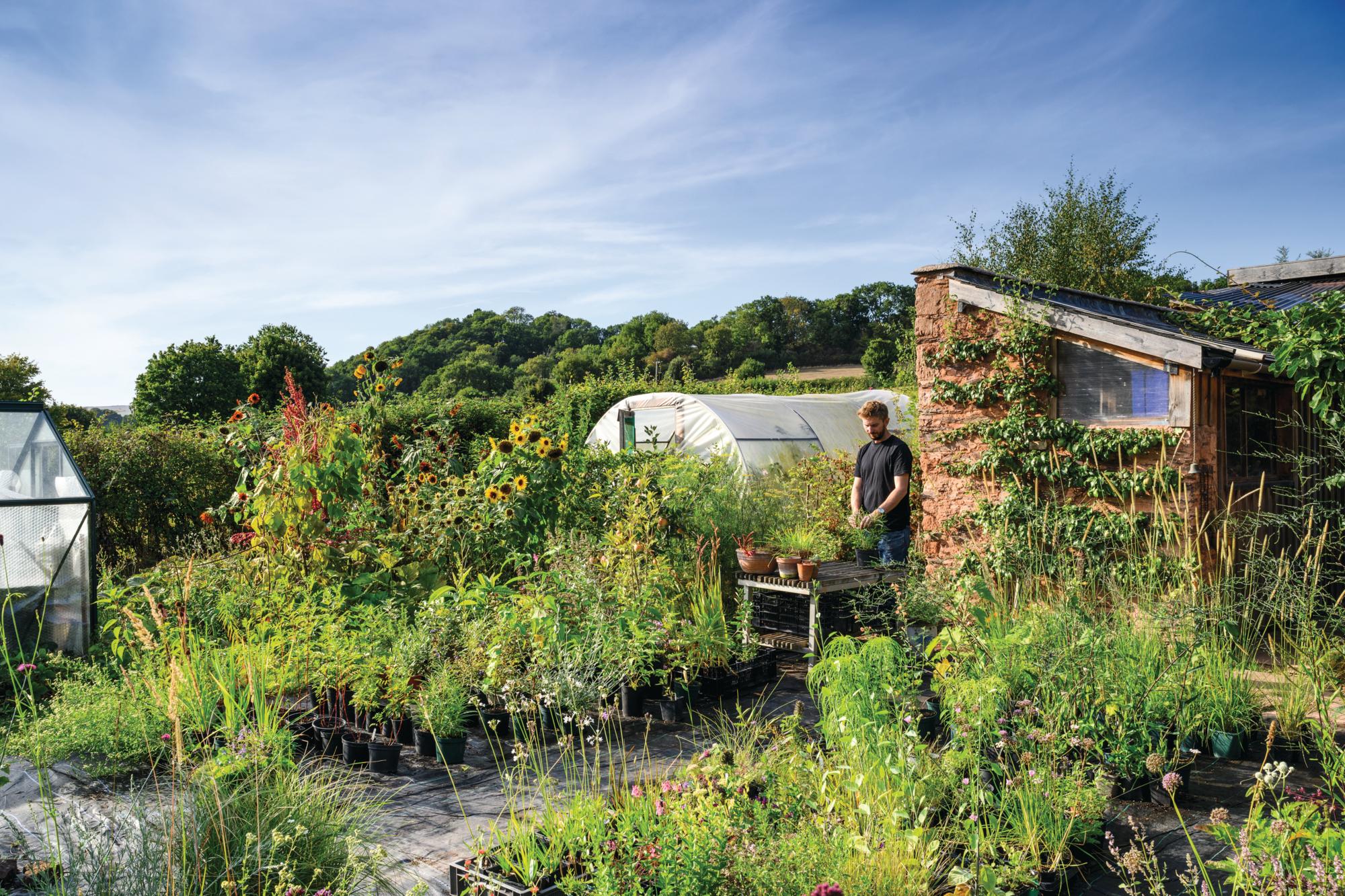
Gradually, Tom fell in love with the plant world. Having enrolled on the historic and botanic garden training programme at the University of Bristol, he went on to work in the University gardens, where he honed his skills propagating Mediterranean plants, and was inspired by other gardeners – notably, curator Nick Wray. As a gardener and planting designer, Tom’s desire to propagate plants for his own clients’ schemes underpinned his drive for nursery space, and he soon became a regular at plant fairs. He favours anything tough and close to its wild roots, and which can be incorporated into his naturalistic style, preferring species over cultivars and deliberately seeking out native plants or closely related, albeit more exotic, near-natives.
You may also like
“I look for things that can grow in our tough conditions without supplementary feed, and also with a focus on climate change, thinking about what grows well now, what will succeed in the future and whether it will benefit the web of nature,” he explains. “It is an experiment. Nothing is fixed and the stock fluctuates constantly. Every year I grow a couple of hundred new plants, and these feed into the nursery and my designs.”
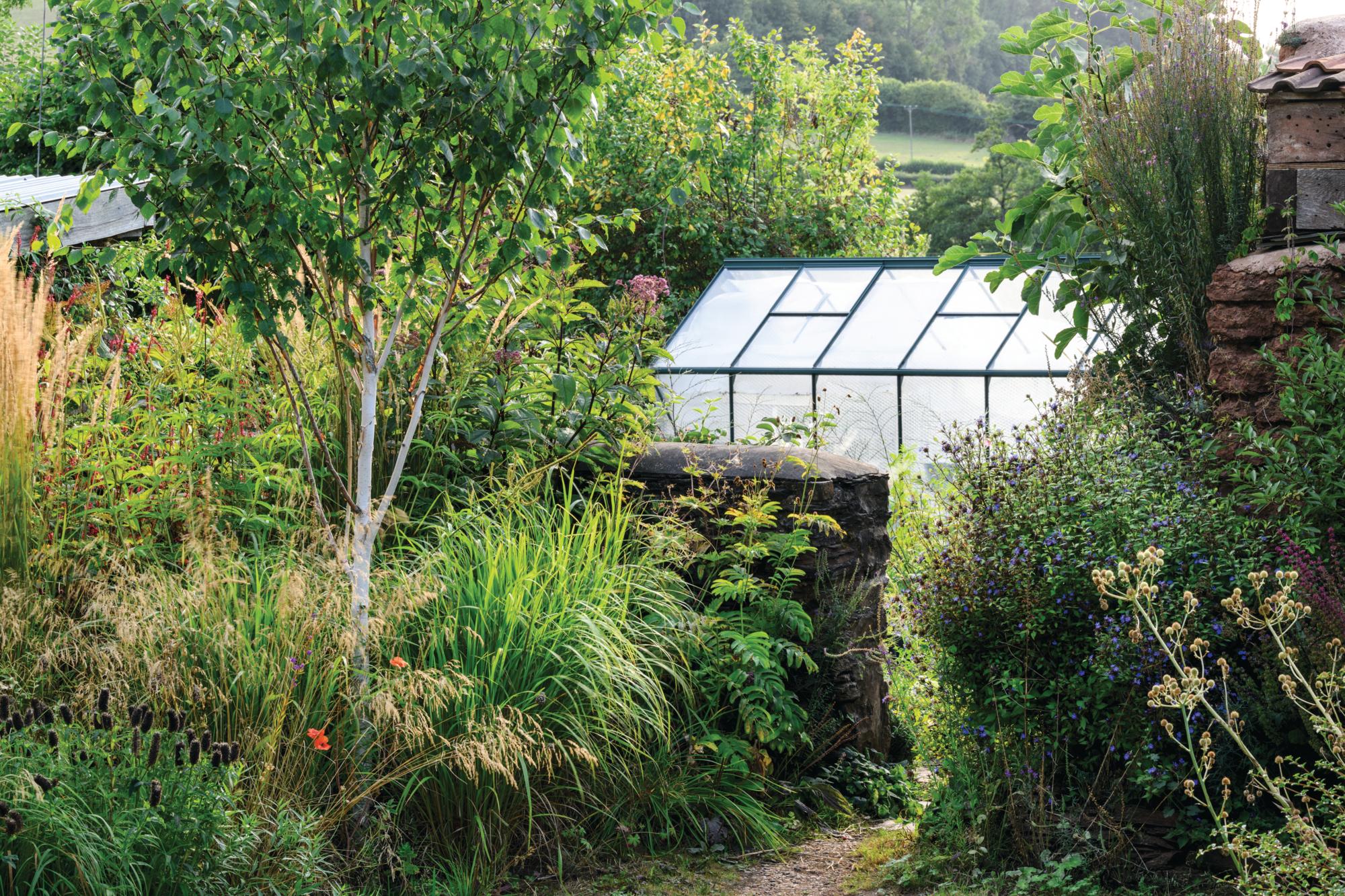
The varied conditions around the site contribute to Tom’s experimental mission. While his most fertile border is planted with natives and selections such as Geum ‘Hilltop Beacon’, Melica uniflora, Scutellaria altissima, Silene vulgaris and Deschampsia cespitosa, the next border – originally the farmyard – is dry and poor. During the house conversion, this area was covered with excavated subsoil and then topped with a thick layer of aggregate. With few nutrients, full sun and excruciatingly sharp drainage, conditions are harsh, but Tom views this as a learning opportunity. “Althaea cannabina is not bothered, nor is Euphorbia ceratocarpa. We have Borago pygmaea and Crambe maritima, while sweet pea Lathyrus odoratus ‘Cupani’ is so happy it self-seeds,” he says. “It is completely different to the shelter of the old farmhouse. There, I have used a lot of exotic-looking stuff that will grow tall and lush, although I still don’t grow anything that needs mollycoddling.”
Warmed by the sun, the garden is full and floriferous, and the shimmering insect life seems to epitomise a peaceful, rural idyll
Meanwhile, in the nursery, the engine-room of experimentation rumbles on, its sustainable peat-free and chemical-free ethos intact. Tom immediately propagates new arrivals to see how they respond to different conditions, while a deep bed of washed grit has revolutionised his seed-sowing, with a near 100 per cent germination rate among Mediterranean umbels in particular.
You may also like
- These 10 adaptable plants can cope with whatever climate change throws at us
- 10 tender plants that can now thrive in our changing climate
The market for tough, climate-resilient plants is likely to remain strong, but for Tom the balance of life is more important than an expansion. “Part of me feels I should get a bigger site and max it out, but it’s the propagation and making gardens with people that brings me joy,” he says. “If I were managing staff and spending my days behind the computer, it might take the fun out of it. Being able to test plants and get them out to plant fairs or into designs is something really positive and tangible – and because I have grown them all myself, I know they are reliable.”
Open Biocentric Plants opens by appointment only. Tel 07909 603031, biocentric.org.uk
Tom Nielsen's top 8 climate-resilient plants
Isodon glaucocalyx
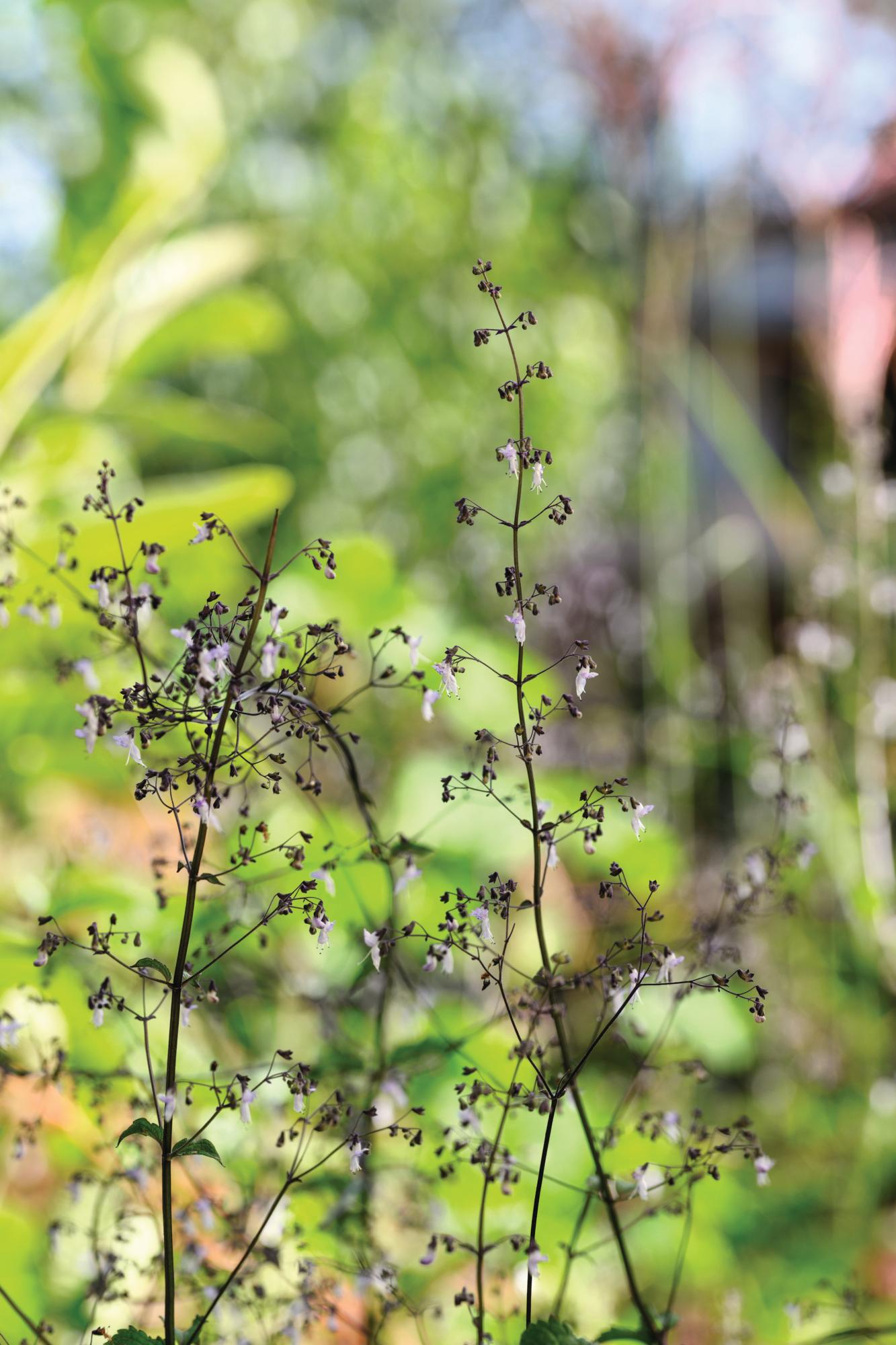
This airy Japanese woodlander is loved by pollinators and can be threaded through shady borders like a smaller and daintier version of Thalictrum. Height and spread: 1.4m x 40cm. RHS H4, USDA 8b-9a†
Sphaeralcea ‘Newleaze Coral’
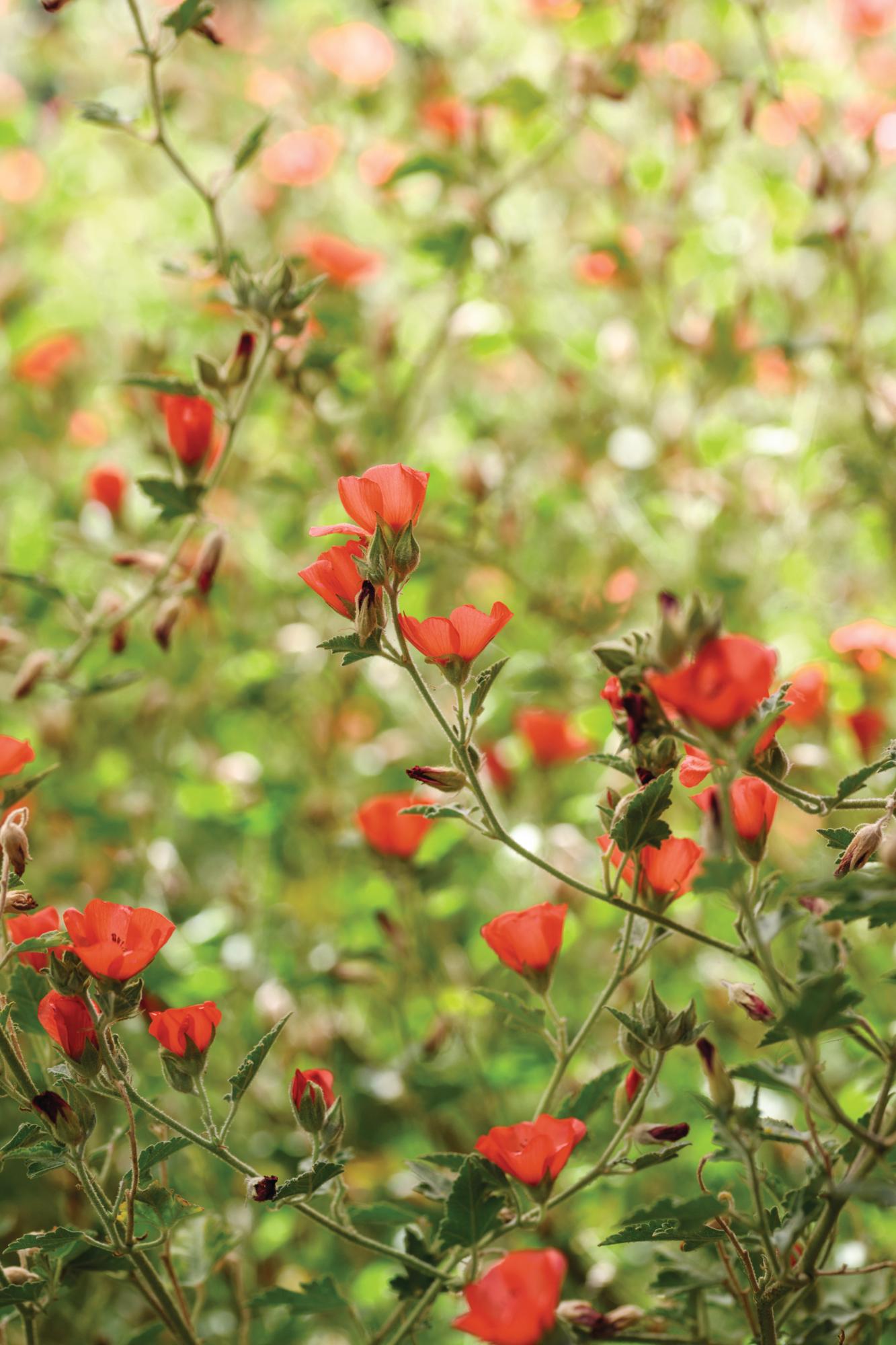
A bushy perennial with lobed, grey-green leaves and cup-shaped flowers, which comes from Utah. Although originally acquired as a bedding plant, Tom’s specimen is in its fourth year. 75cm x 2.5m. RHS H5, USDA 7a-10b.
Amicia zygomeris
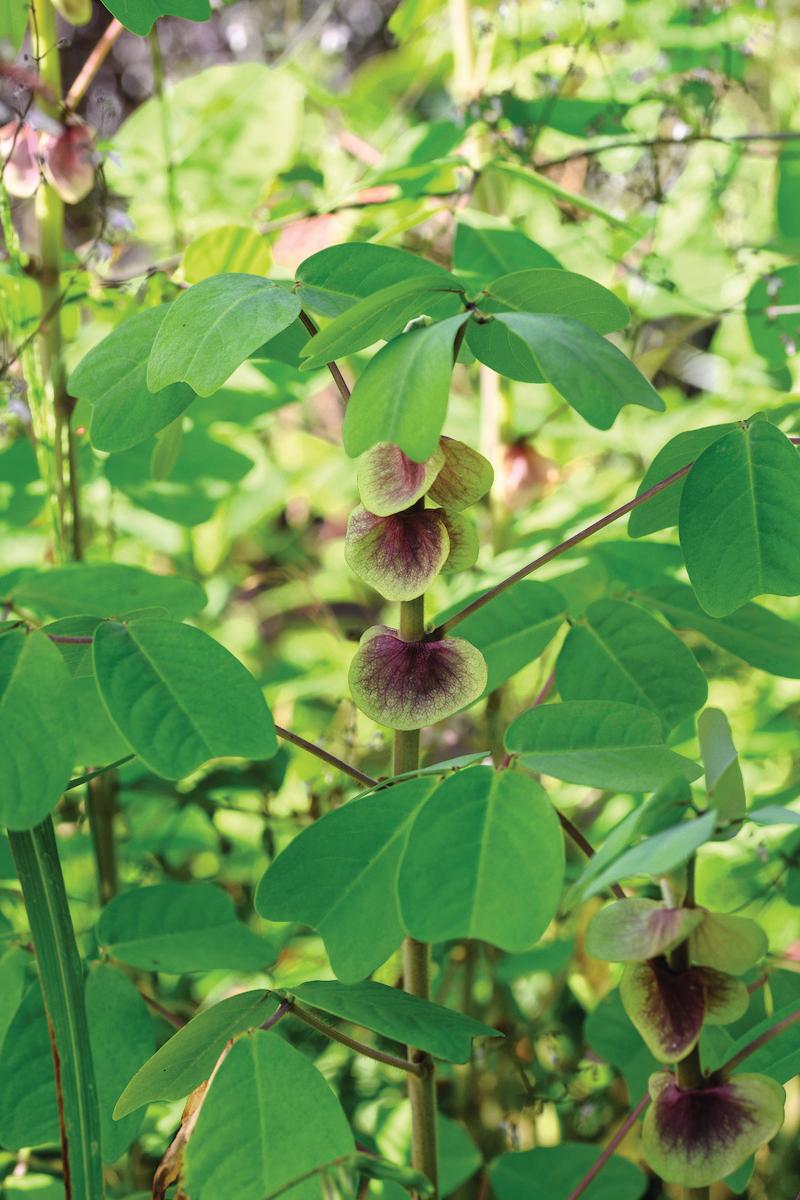
A large, Mexican perennial with heart-shaped, pink-veined stipules, pink stems and small, yellow flowers. Much tougher than it looks in a sunny, well-drained spot. 2m x 1m. RHS H4, USDA 7b-11.
Stipa pseudoichu
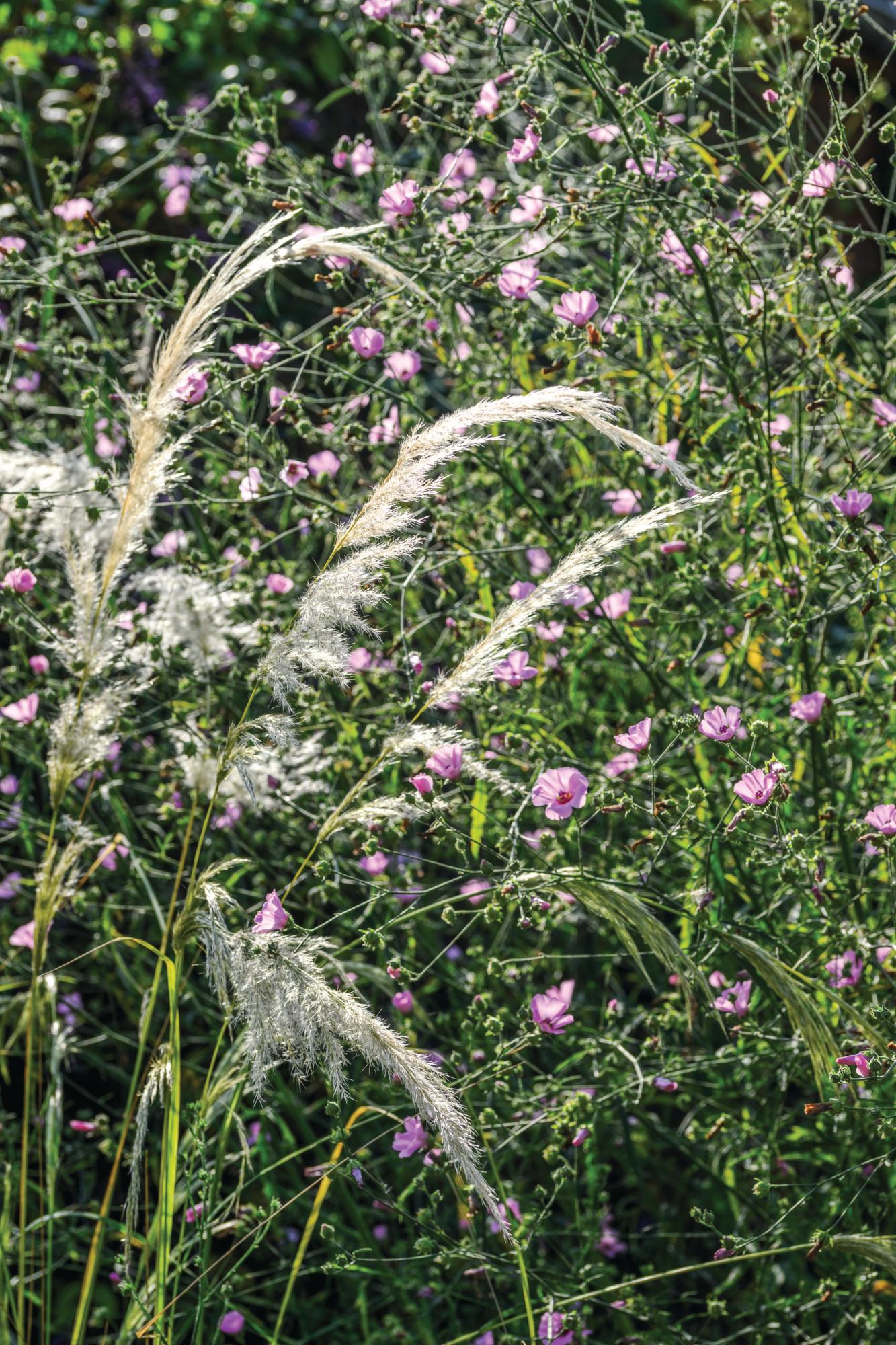
A beautiful South American form of Stipa with upright green leaves. Long silver flowers catch the light and the seedheads persist all winter. 1.6m x 50cm. AGM*. RHS H5.
Buddleja lindleyana
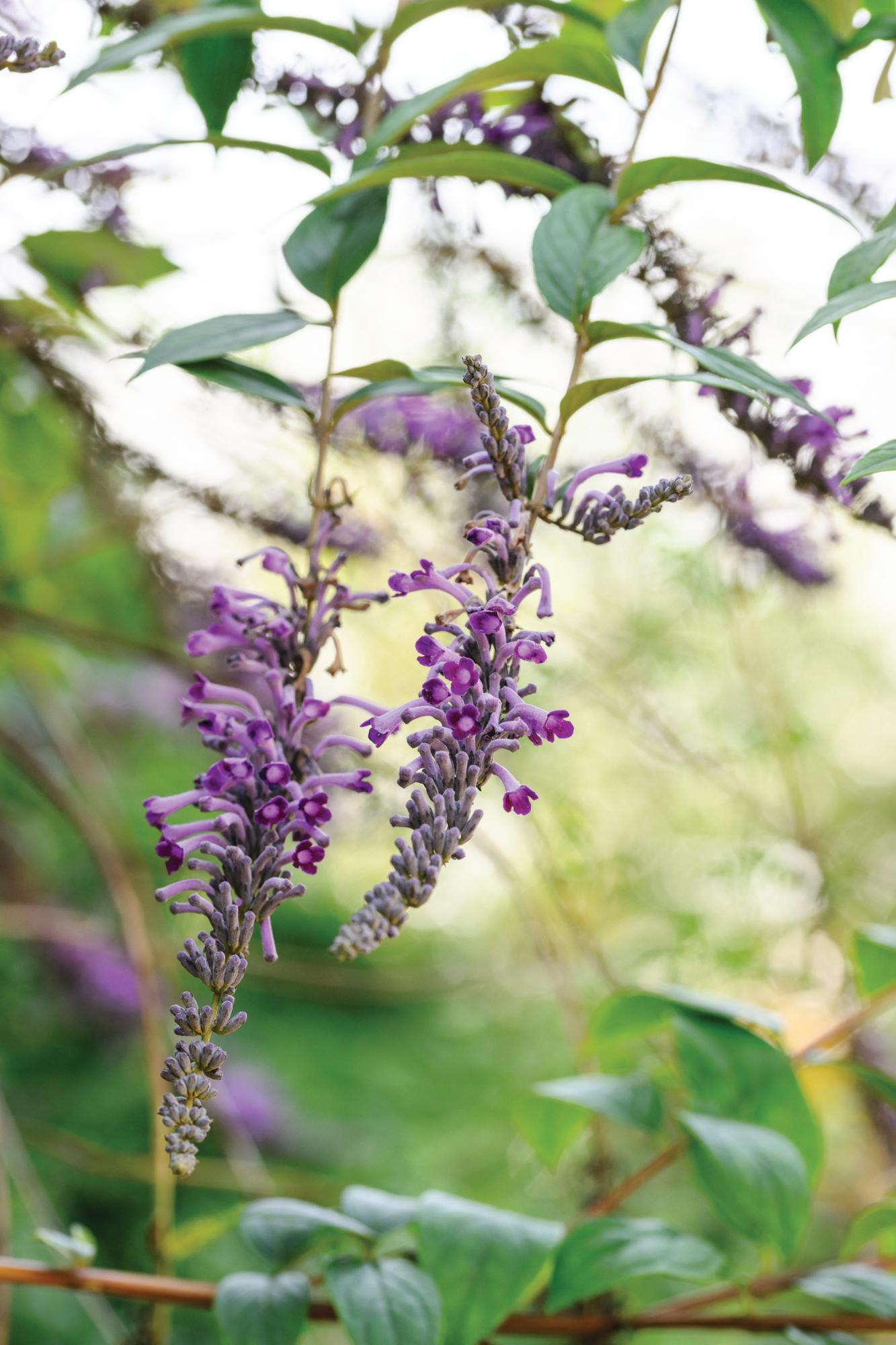
A deciduous shrub with drooping, deep-purple flowers. More refined than B. davidii, it is attractive to hummingbird hawk-moths. It may sucker. 2.5m x 1.5m. RHS H4, USDA 7a-10b.
Gomphostigma virgatum
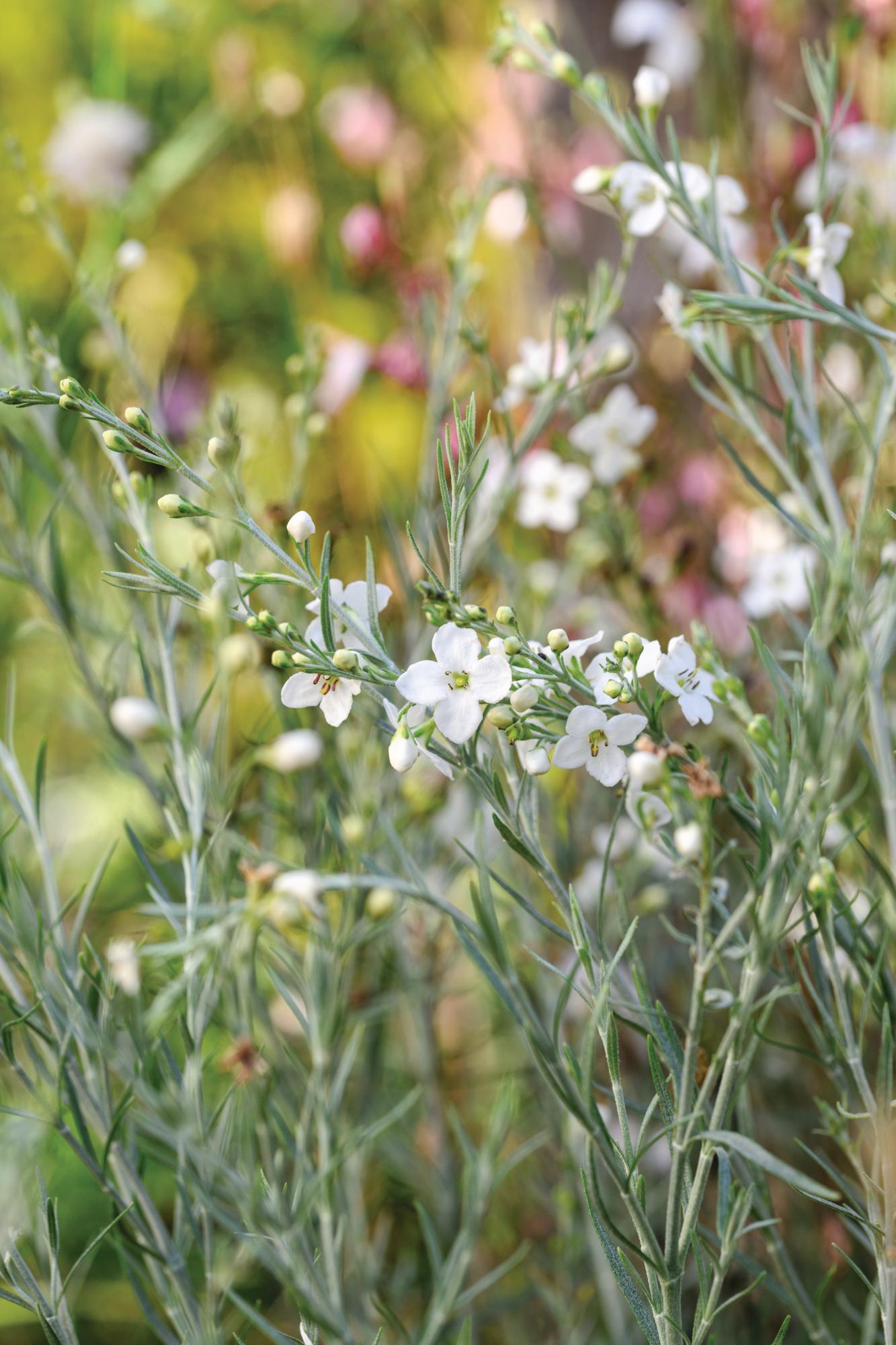
A drought-tolerant subshrub found in dry riverbeds in central and southern Africa. It has grey, willowy foliage and sprays of white flowers. 1.5m x 1.5m. RHS H4, USDA 7a-11.
Bupleurum fruticosum
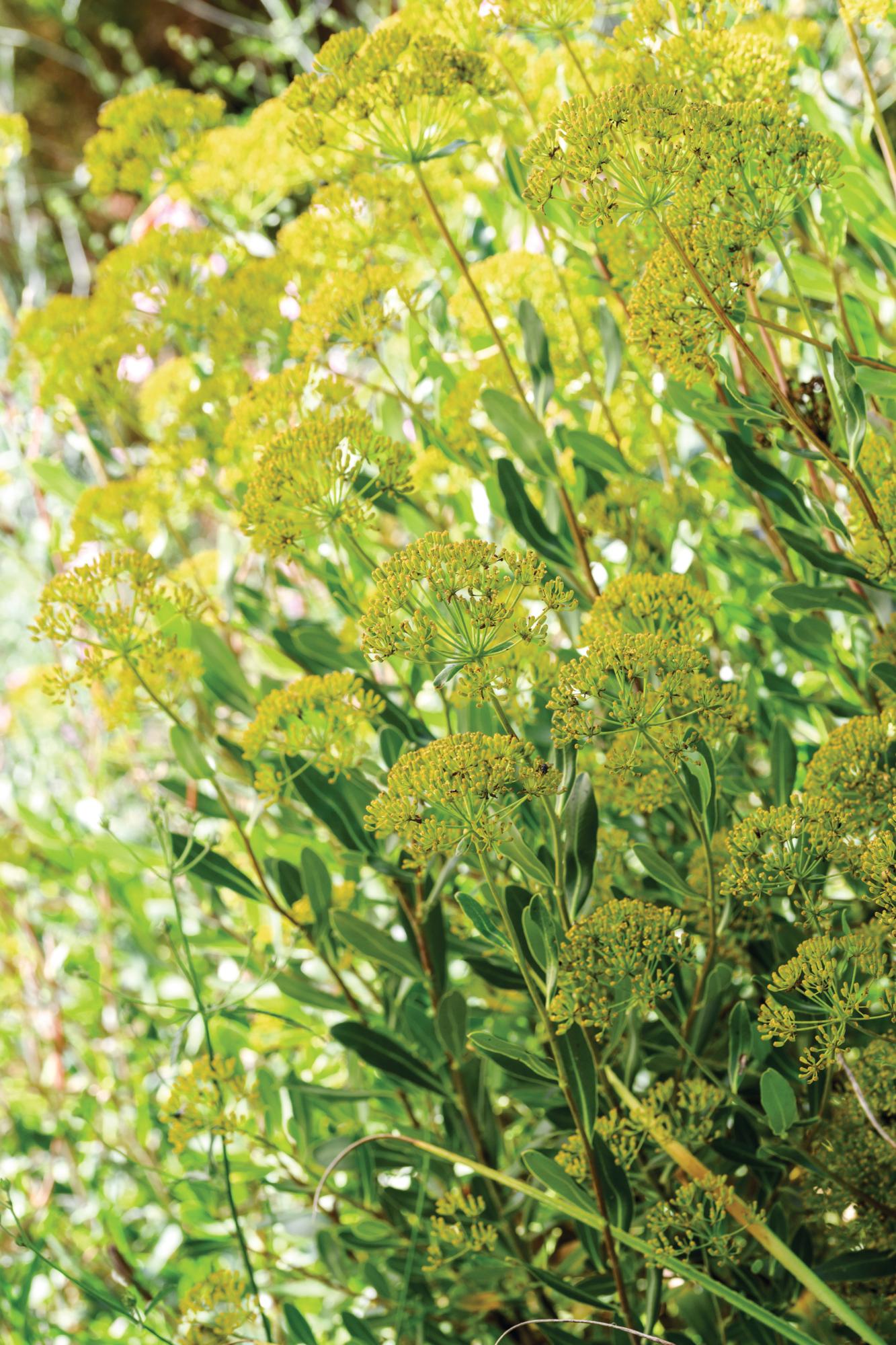
This evergreen shrub tolerates drought and winter wet in well-drained soil. Can be clipped to shape; the flowers are loved by small wasps and solitary bees. 2m x 2m. RHS H4, USDA 6a-10b.
Althaea cannabina
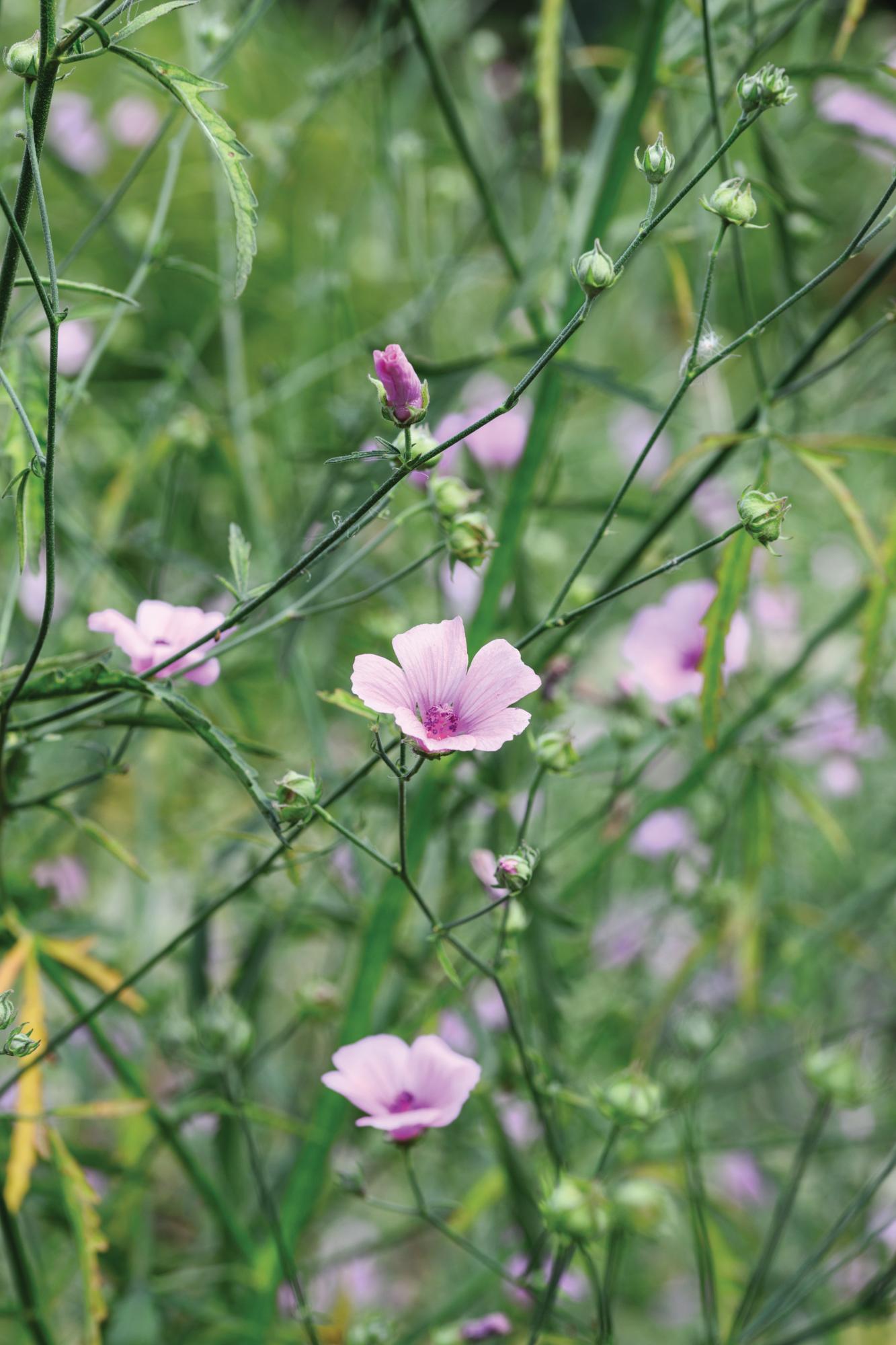
The palm-leaf marsh mallow is native to Southern Europe. Drought-tolerant and untroubled by winter wet, it has an attractive transparent quality. 2.4m x 50cm. RHS H7.
*Holds an Award of Garden Merit from the Royal Horticultural Society. †Hardiness ratings given where available.


