James Hitchmough has created gardens around the world using sustainable, long-term, naturalistic and often seed-sown plantings. He is best known for projects such as London’s Queen Elizabeth Olympic Park and Knepp Walled Garden, and is an emeritus professor of horticultural ecology at the University of Sheffield.
You may also like
- Nine types of plant you never knew you needed
- 10 tender plants that can now thrive in our changing climate
James is currently developing his own garden in Somerset with particular focus on a planting palette for a changing climate. These are his picks of uber-resilient, adaptable plants that can survive whatever the changing climate throws at us.
Asphodeline lutea
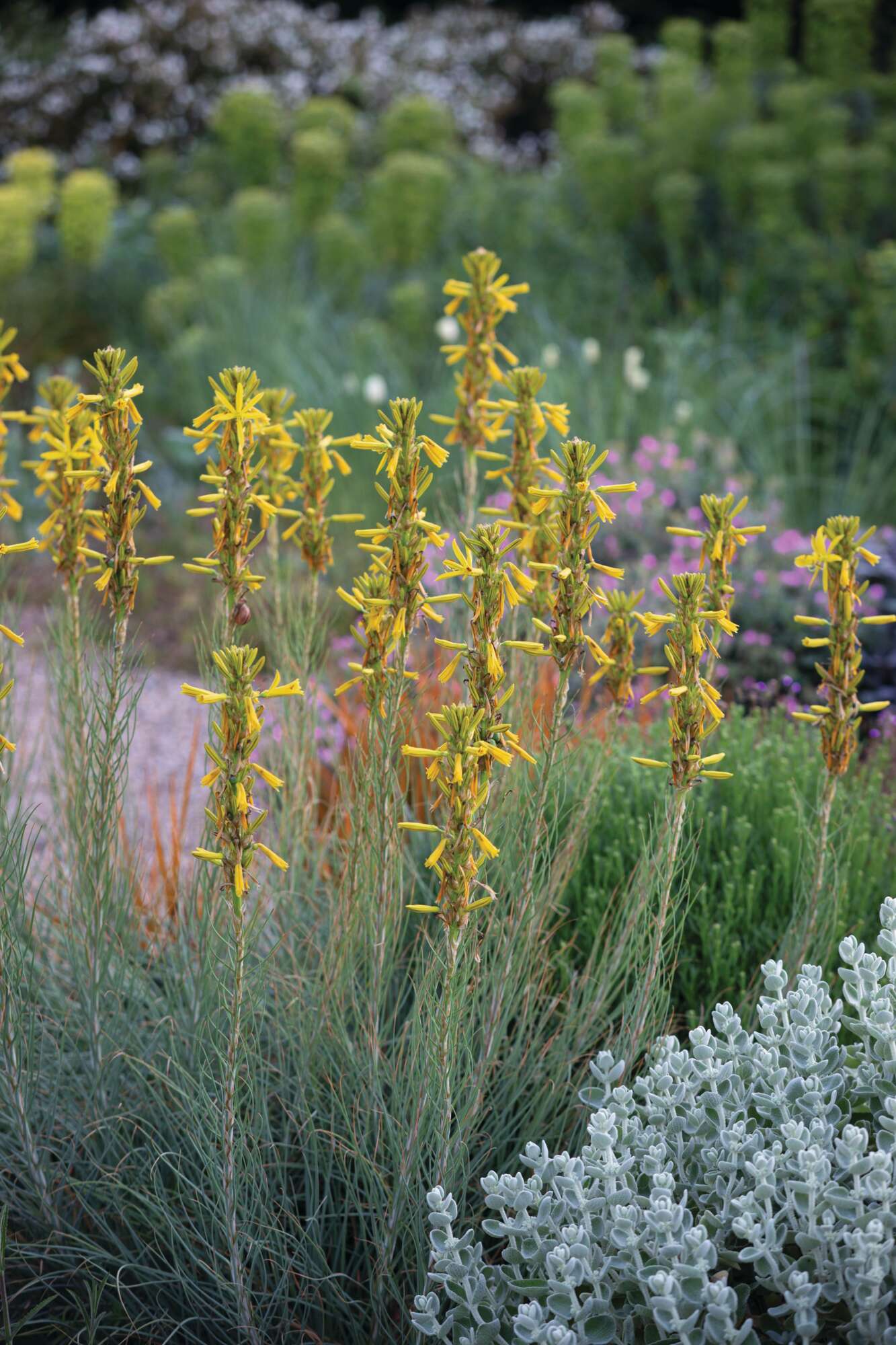
Autumn-emerging Mediterranean herbaceous plant with bundles of grey stiletto leaves. The main flowering event (soft yellow stars on tallish spikes) is April to June, although you get the odd one at other times. Very easy. Oddly common in the west of Scotland in traditional herbaceous borders, always with Oriental poppies, so no worries about winter damp. Fabulous floating in space with blue-violet bearded irises. It is dormant post July, but has good seedheads and good winter leaves (sort of).
Height 80cm. Spread 40cm. Plant type Perennial. Conditions Well-drained soil; full sun. Season of interest April – June. Hardiness rating RHS H4, USDA 6a-9b.
Cornus hongkongensis
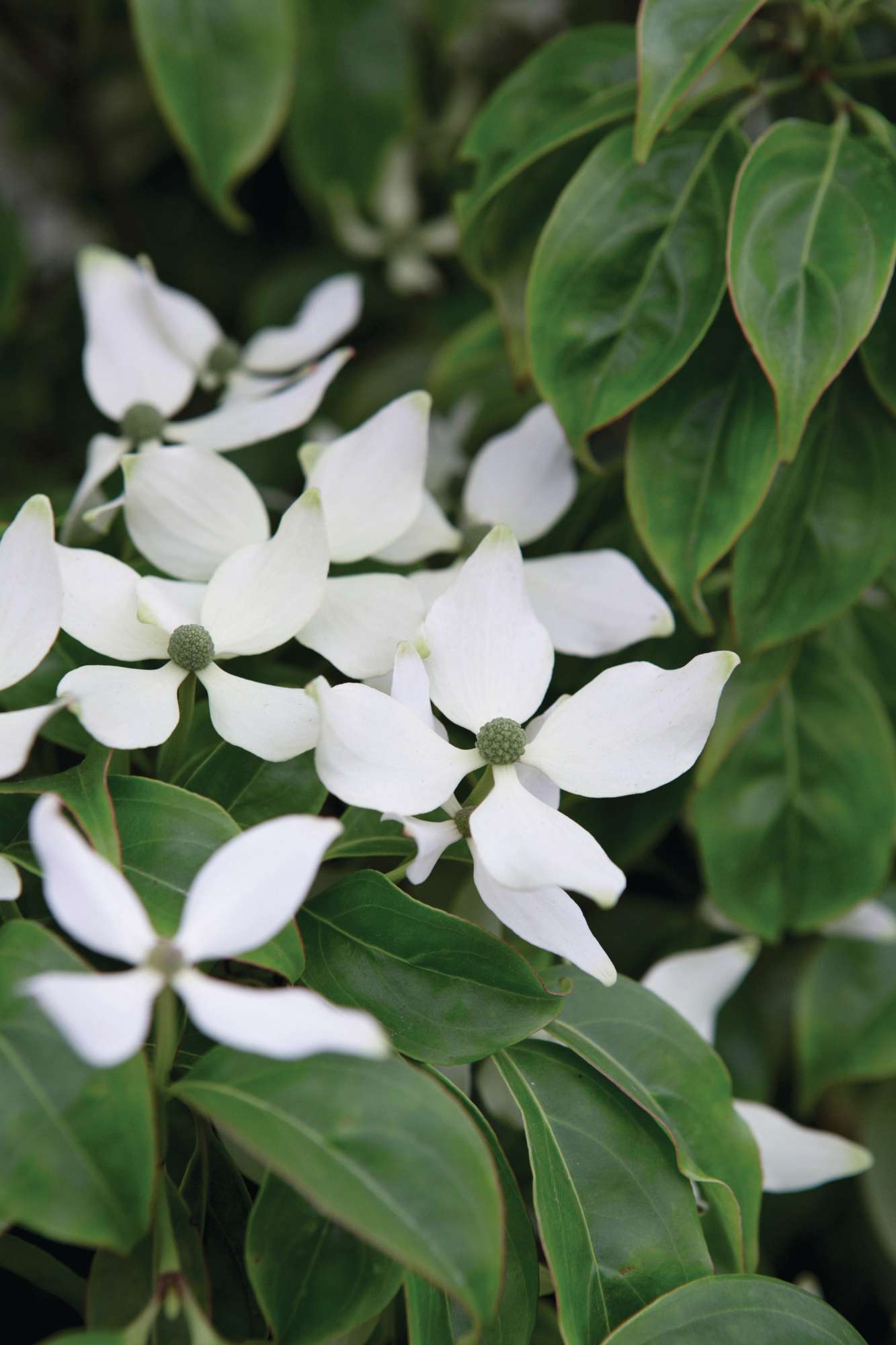
My guess is that this evergreen small tree will prove to be the most drought tolerant of the bracted Cornus. No signs of stress in my field in last summer’s drought, while C. capitata (another evergreen) looked very sad, and deciduous C. kousa sadder still. Flowers are smaller but good en masse, and it has purple, flushed, glossy foliage.
H 5m. S 4m. PT Tree. C Good moist soil; sun or semi-shade. SI Year round. May – June (flowers). HR RHS H4.
Euphorbia characias subsp. wulfenii
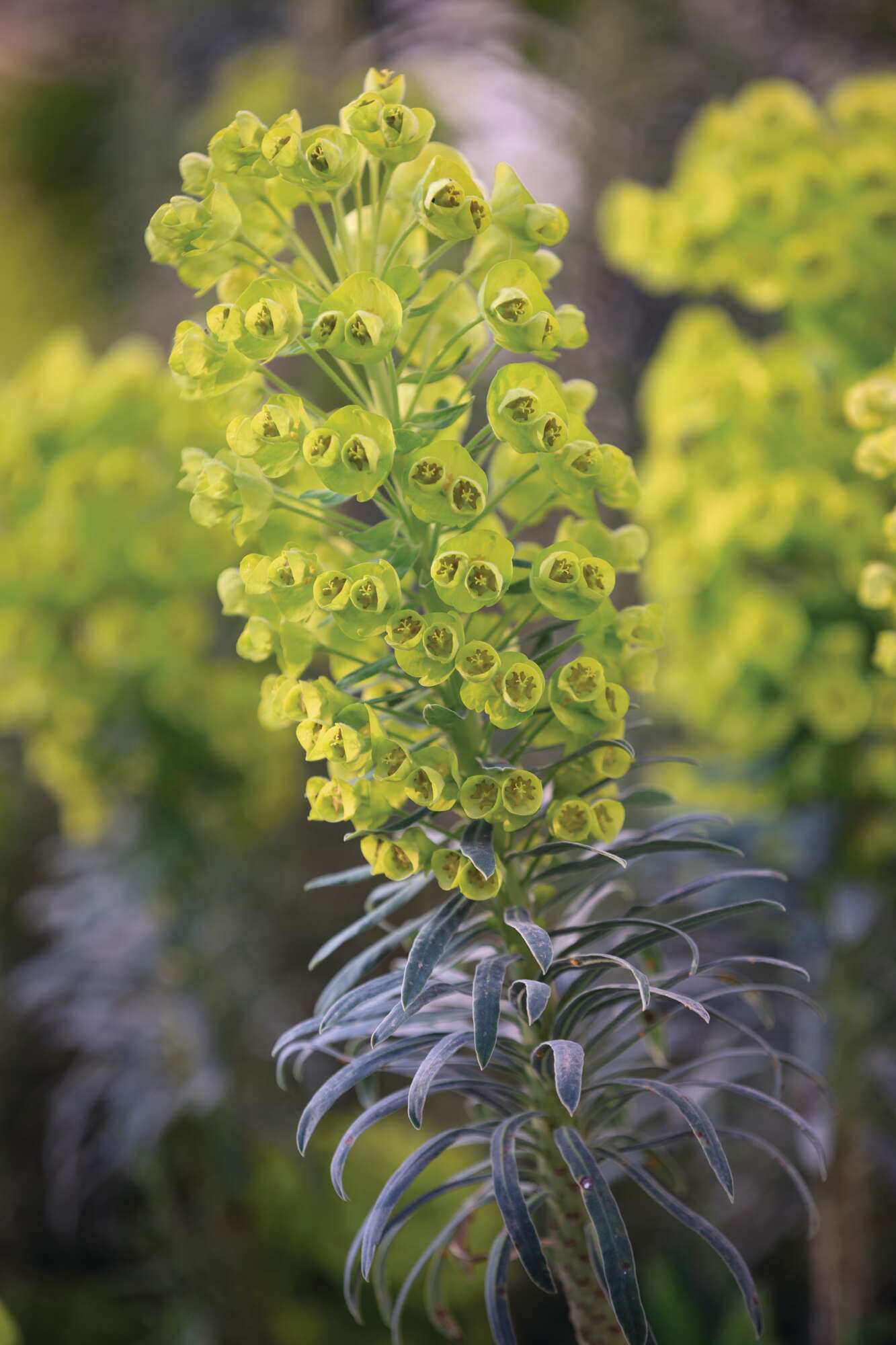
A ubiquitous plant I first grew as a teenager (at a time when they were damaged by winter cold in the north), and still do because it has wonderful blue-grey foliage and a very long season of enormous yellow-green flower mops. Best used as repeating anchoring blobs in matrix-like planting. It self-seeds vigorously if you don’t remove the flowerheads post flowering and tolerates more shade than you might expect.
H 1m. S 1m. PT Perennial. C Well-drained soil; full sun to light shade. Very drought tolerant. SI Year round; flowers April – June. HR RHS H4, USDA 6a-8b.
You may also like
- 10 endlessly useful plants chosen by the UK's most exciting gardener
- Maximum impact plants - grow one of these for wow-factor focal points in the garden
Euphorbia rigida
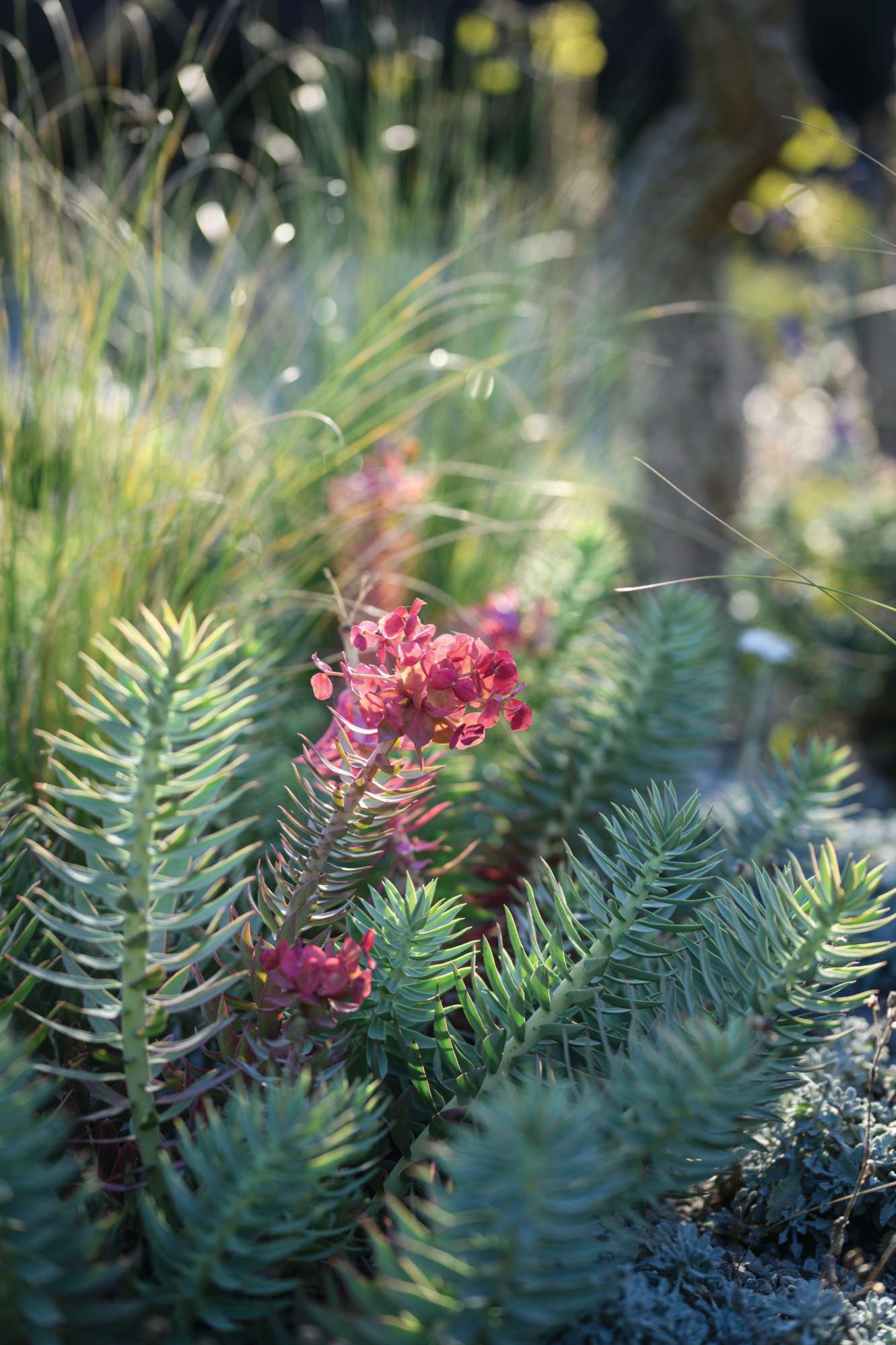
Most forms have upright stems, forming a floppy, very blue succulent sub-shrub, with each stem terminating in acid-yellow flowers in March to April. The flower bracts turn red as they age. Very handsome structure. Wonderful with scarlet Anemone hortensis. Big variation in cold tolerance within cultivated forms.
H 40cm. S 60cm. PT Perennial. C Well-drained soil; full sun. SI Year round; March – April (flowers). HR USDA RHS H6, 7a-10b.
Fascicularia bicolor
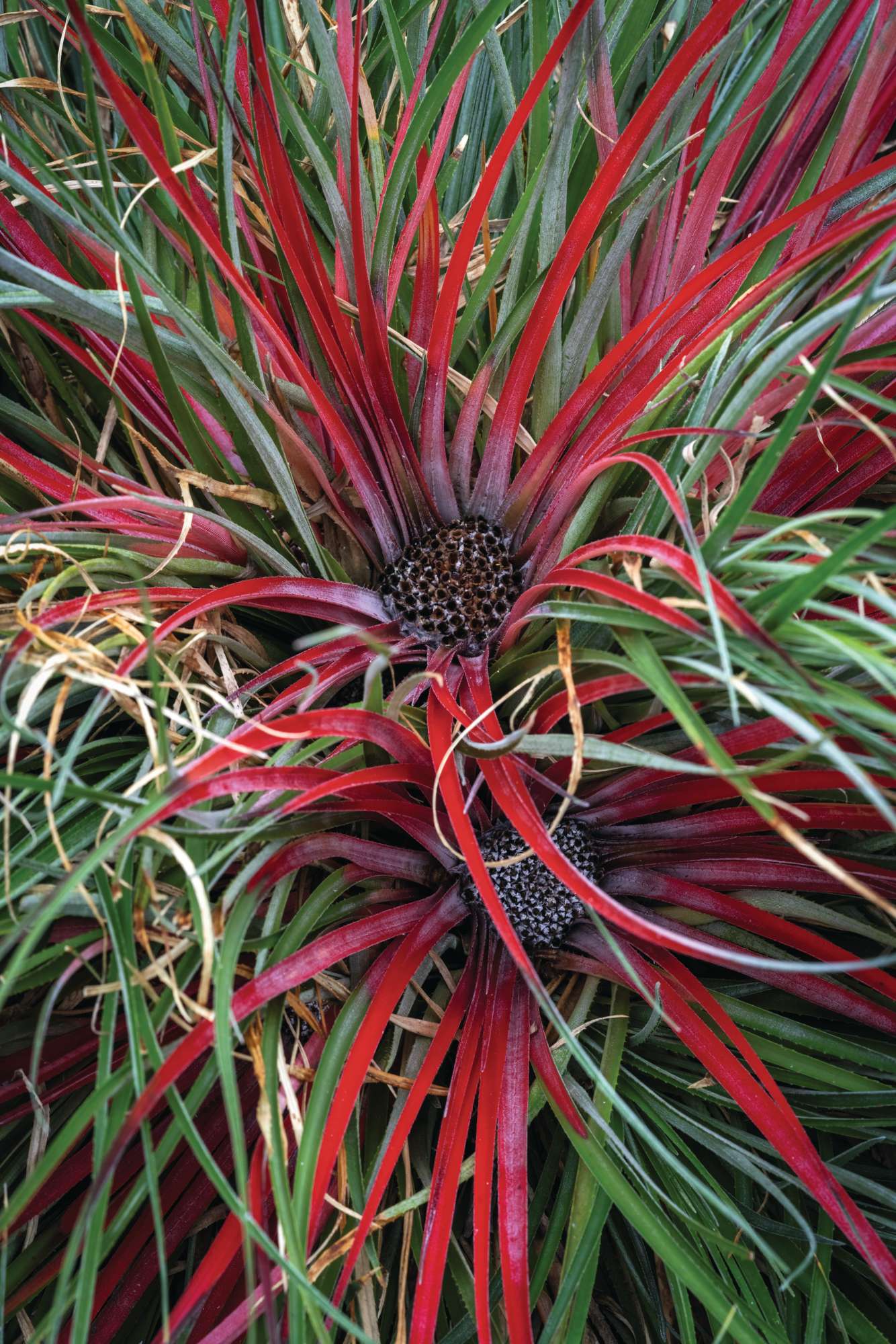
Outrageous scarlet inner leaves and sky-blue flowers in late summer. Splendid sedge-like foliage without the inevitable winter scruffiness of most sedges. I like it as an emergent dome under trees in the type of rooty shade that is anathema to most plants. It is indestructible.
H 30cm. S 75cm. PT Bromeliad. C Well-drained soil; full sun to part shade. Super drought tolerant. SI Year round. HR RHS H3, USDA 8a-11.
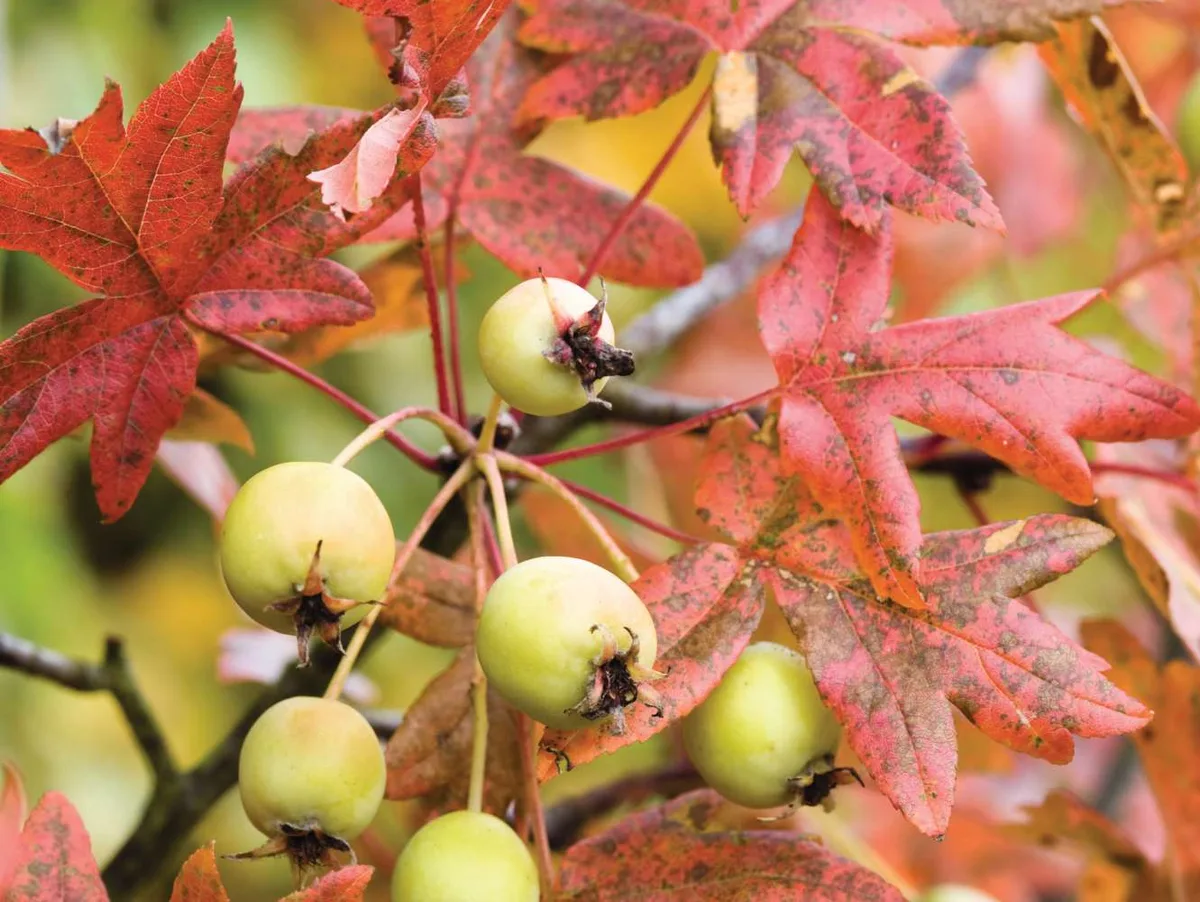
Malus trilobata
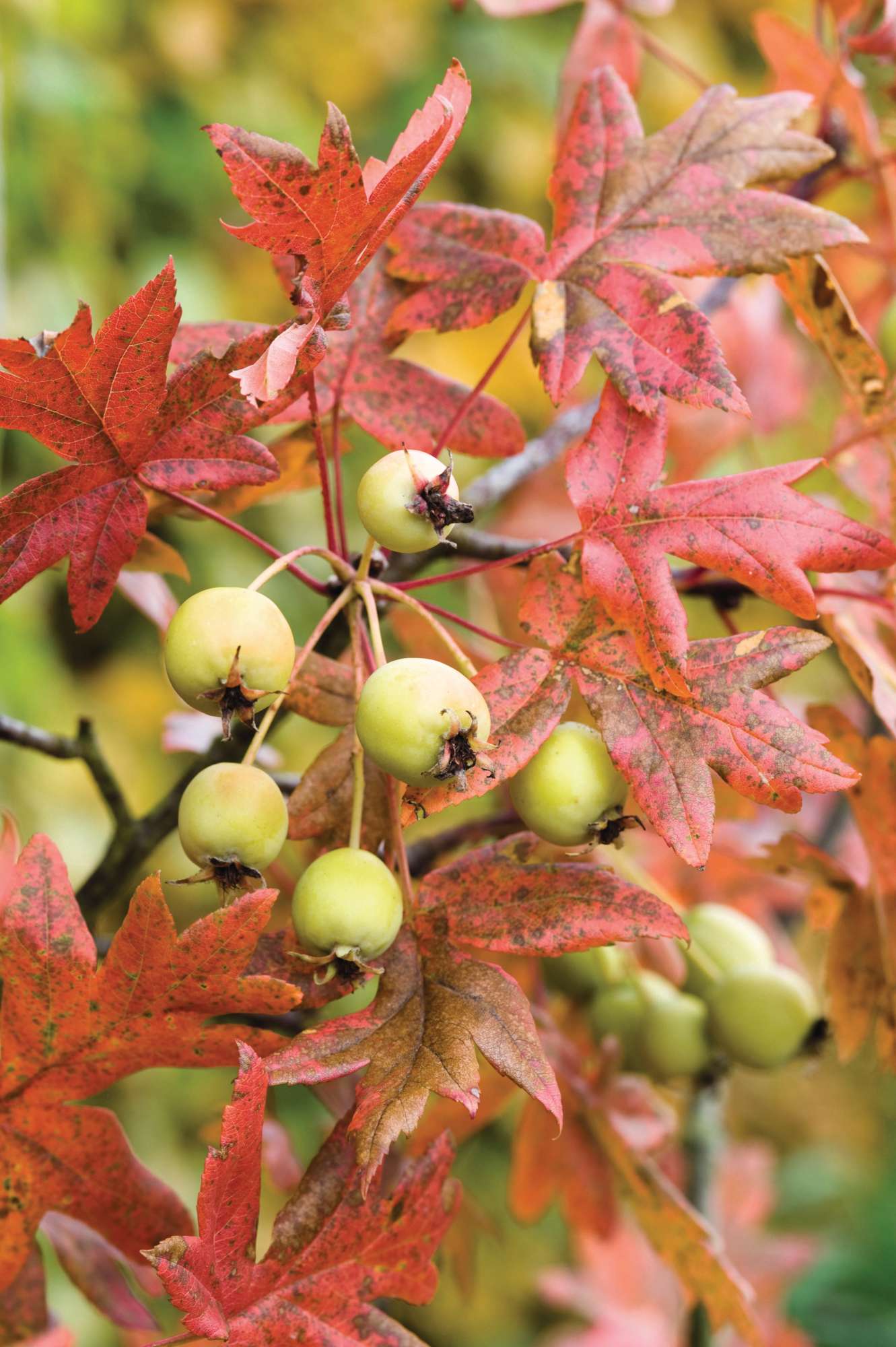
A relatively rare beast – a winter deciduous Mediterranean tree. Very large white flowers in June, with hard, maple-like leaves, turning good reds in autumn. These trees seem to struggle with excess wetness, and need good drainage and as much sun as possible. Also loves the sand and crushed concrete at Knepp Walled Garden.
H 5m. S 4m. PT Tree. C Well-drained soil; full sun. SI Year round; June and October peaks. HR RHS H6, USDA 4a-8b.
Parrotia persica
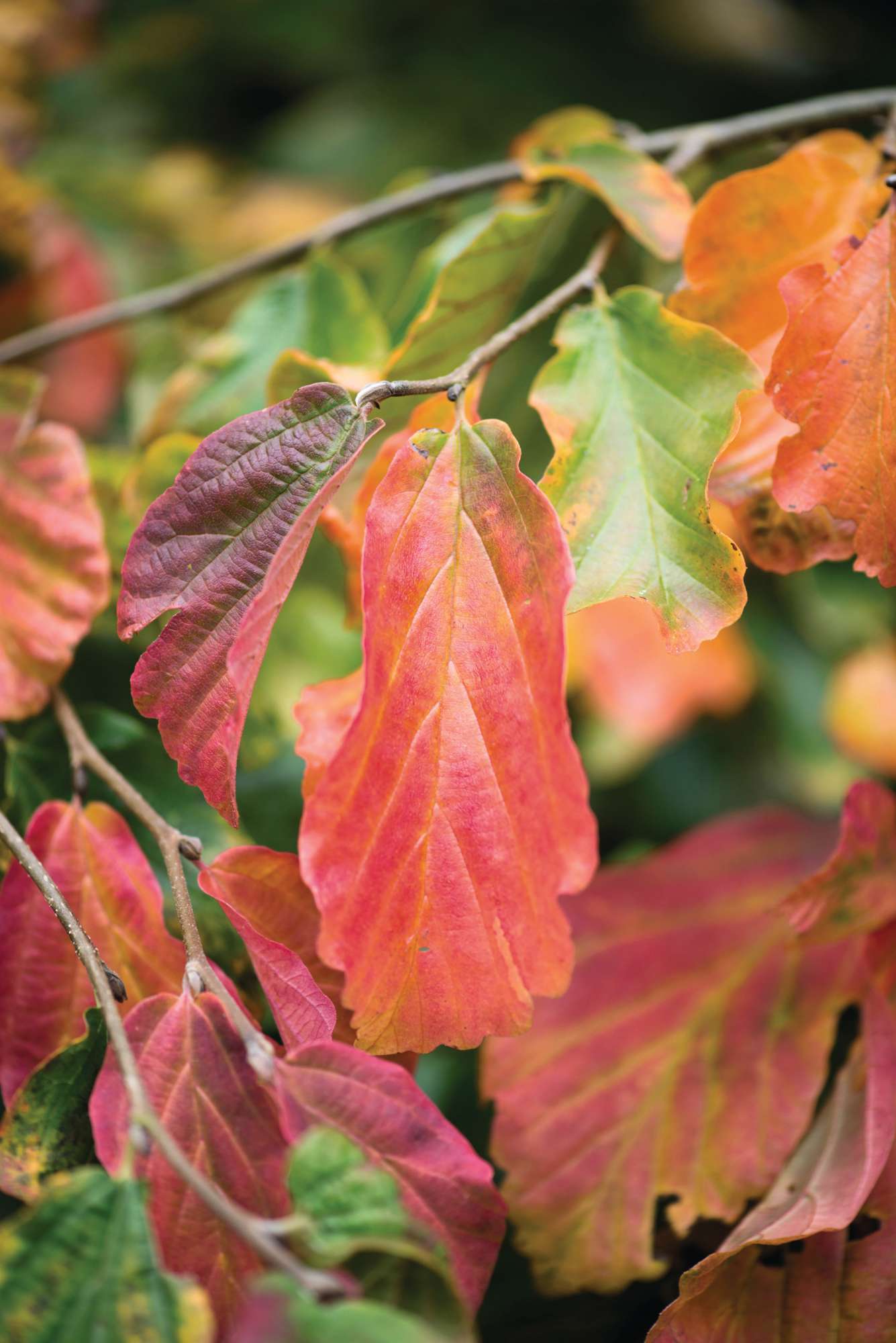
Highly drought tolerant, small-to-medium deciduous tree, often with a horizontal branching habit. Potentially brilliant autumn colour, hence a series of cultivars meant to be reliable. ‘Bella’ is scarlet with me but also purple from midsummer. If you find that depressing, the green then red and yellow of ‘Felicie’ is the best option. Piebald bark in maturity, and mini, dark-red, hammelis-like flowers in late winter. It’s a toughie, if a relatively slow one.
H 5m. S 5m. PT Tree. C Most well-drained soils; full sun to part shade. SI Year round. HR RHS H6, USDA 4a-8b.
You may also like
- Bring a piece of the Mediterranean home with these 15 sun-loving plants
- 21 reliable plant choices for fool-proof borders that perform all year
Phlomis italica
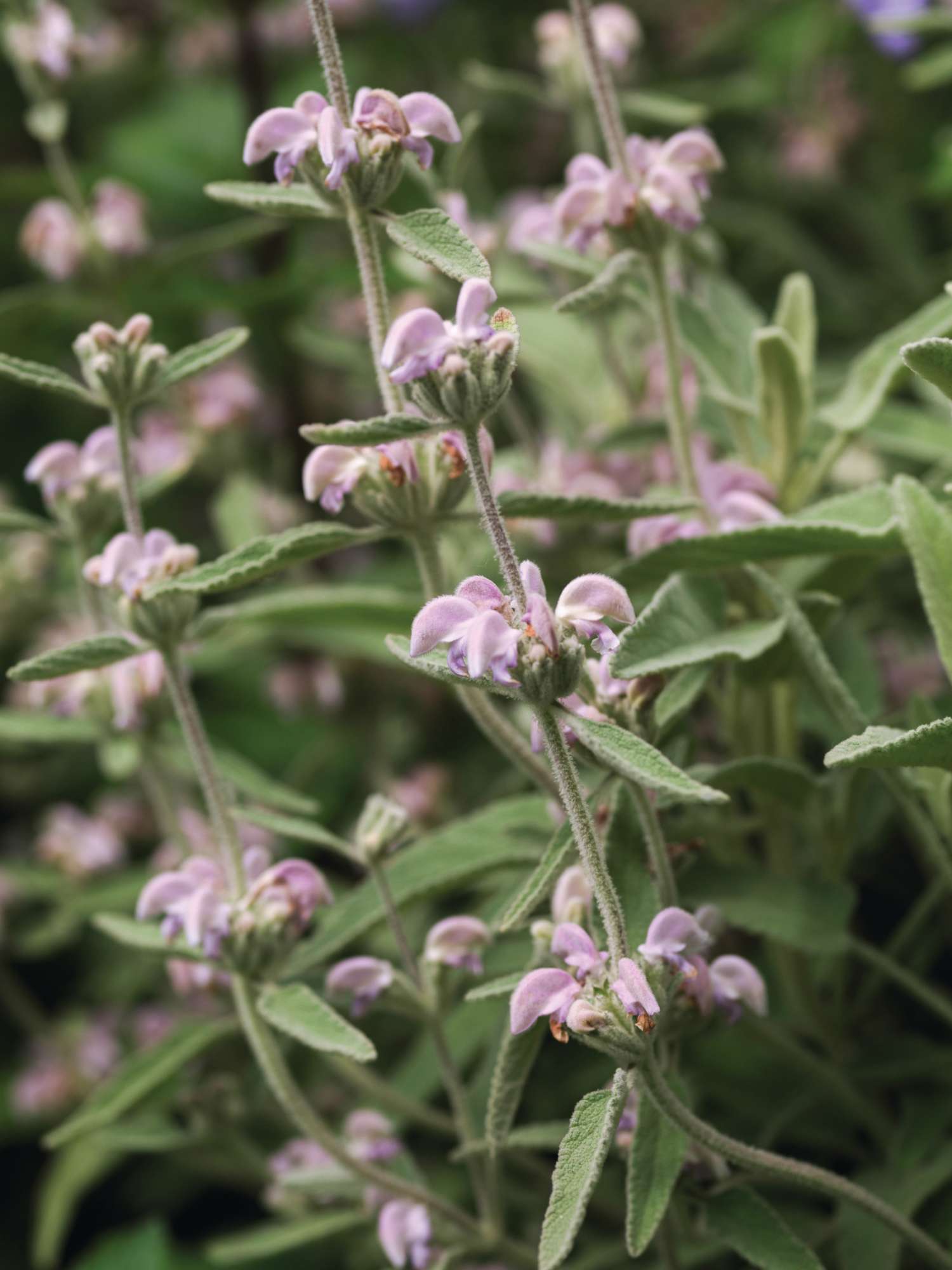
Flame-shaped shrub with silvery, almost white, woolly leaves, with typical hooded phlomis flowers in pale pink in May-June. I prune mine to make them a bit broader. A great emergent out of lower planting. Good with bronzy-red Schizachyrium in autumn. You can cut this to its base as it’s a resprouter – a most useful trait in sub-shrubby planting. Easy-going, but wet stodgy clay might be a problem.
H 1m. S 70cm. PT Perennial. C Well-drained soil; full sun. SI Year round. May – June peak. HR RHS H4, USDA 7a-10b.
Pseudodictamnus mediterraneus
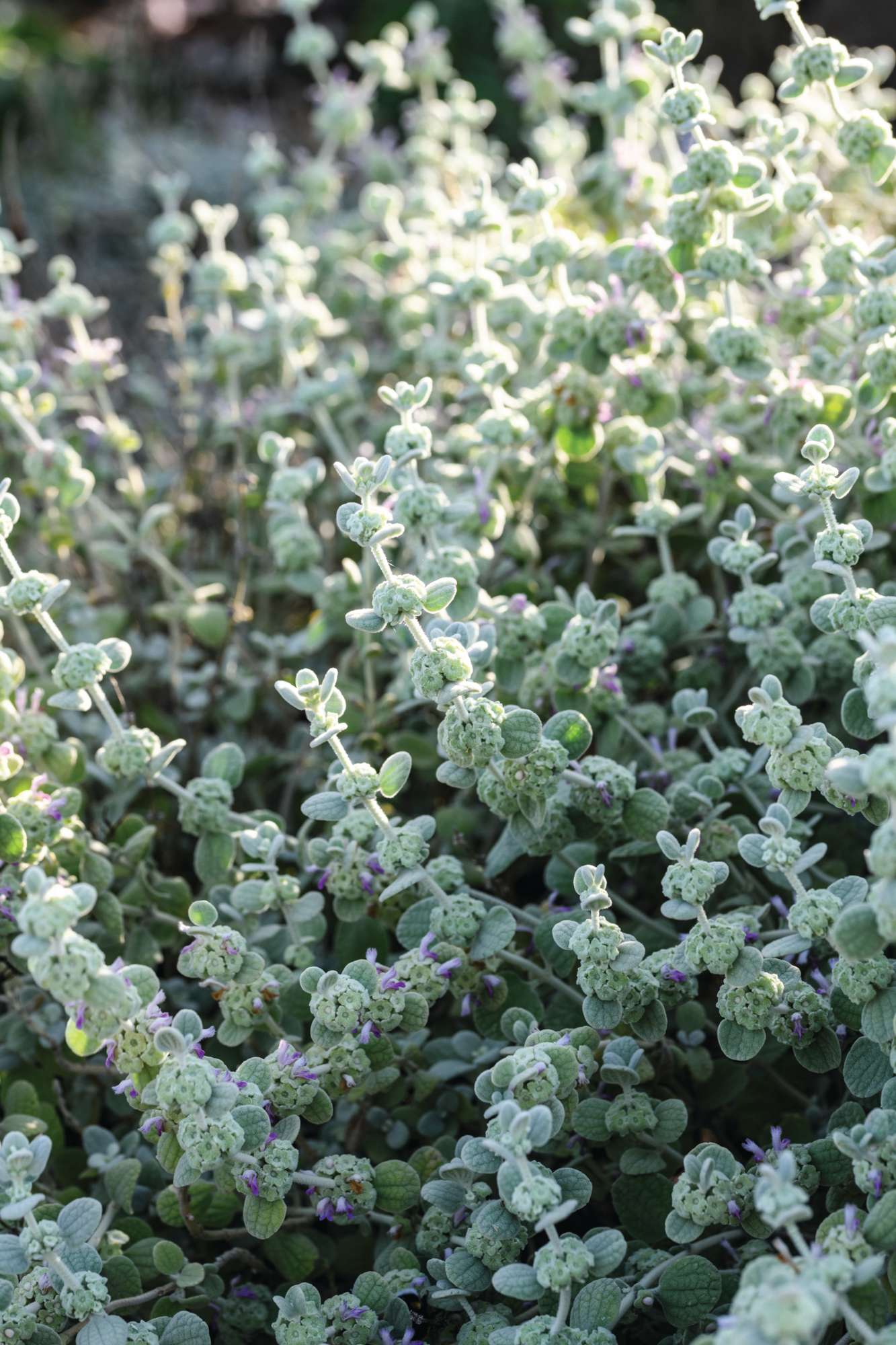
Formerly known as Ballota pseudodictamnus, this sub-shrub varies considerably in leaf size and vigour. The most compact forms in cultivation hail from high-altitude Crete. These compact forms do not respond as positively to severe pruning as larger, more vigorous forms do. Clip instead. Likes warm, sunny locations, but easy-going.
AGM. H 60cm. S 80cm. PT Sub-shrub. C Well-drained soil; full sun. SI Year round. HR RHS H4, USDA 7b-11.
Schizachyrium scoparium
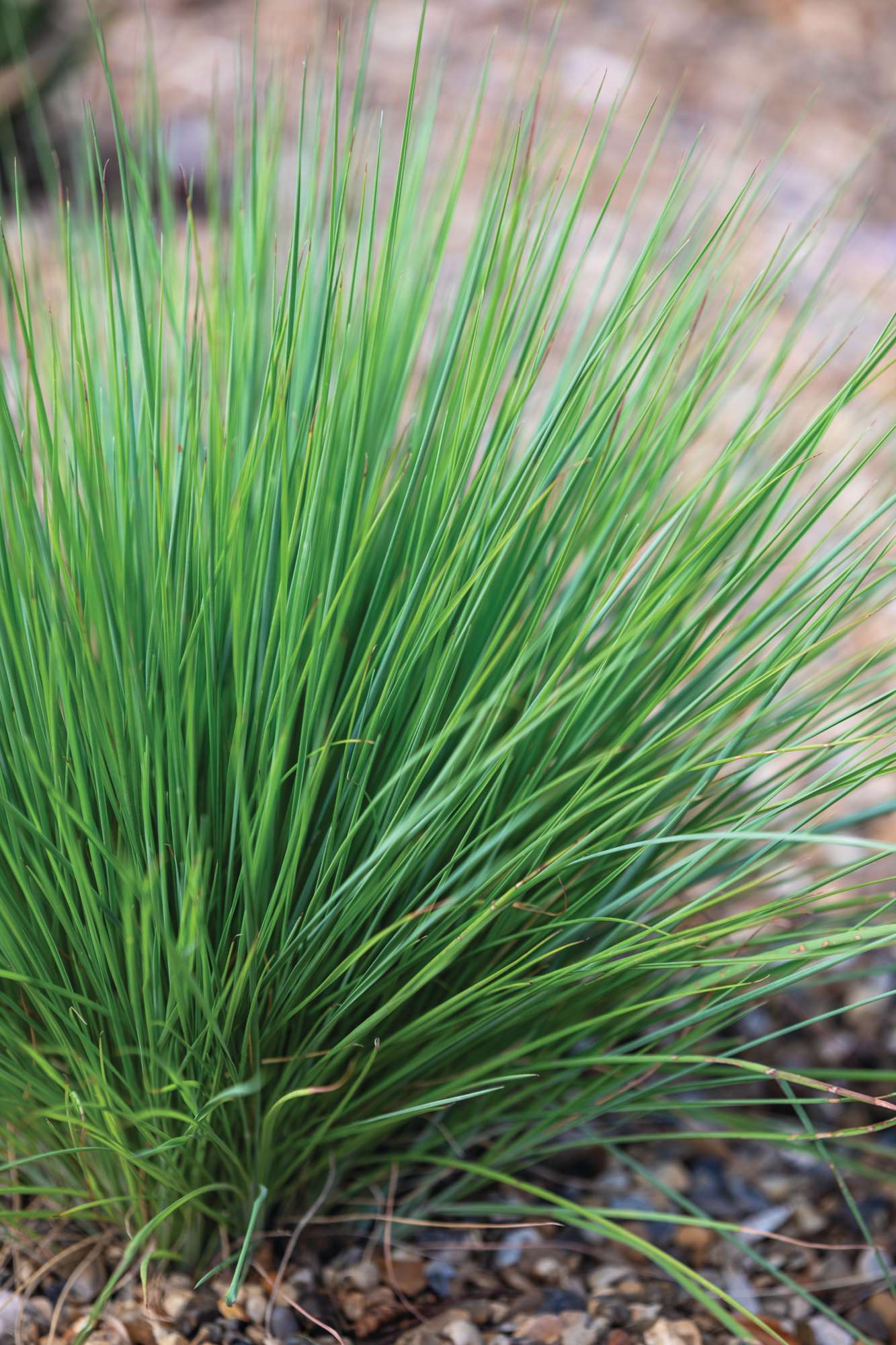
The best tussock grass for winter colour. It likes a warm, sunny location and does not compete well with other plants in cool summer climates. Although prone to flop in wet summers, it stays tight and non-flopping in gravel. There are blue-leaved cultivars and hairy-leaved ones (‘Ha Ha Tonka’), but the greenleaved ones, such as ‘Blaze’, have the best winter effect – leaves become orange when wet and this persists until spring. The seedheads glisten in winter sunlight like tiny LEDs.
H 60-80cm. S 60-80cm. PT Grass. C Well-drained soil; full sun. SI Year round. HR RHS H6, USDA 3a-9b